

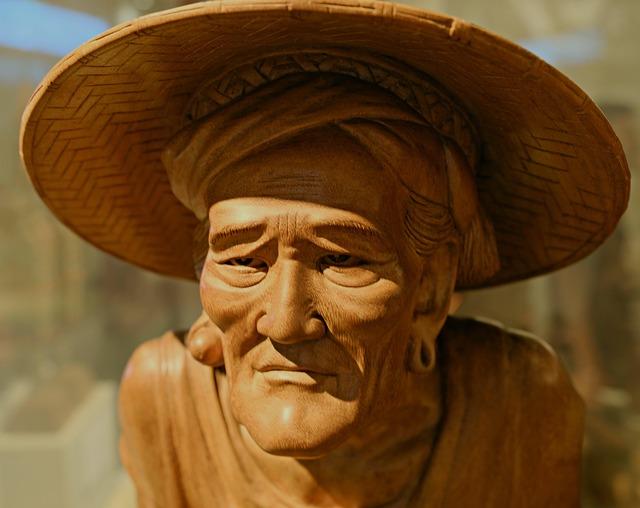
If you’re a lover of rich traditions and colorful celebrations, then the cultural rituals of Borneo’s Dayak people are sure to captivate your heart. Nestled deep within the lush rainforests of Borneo, the Dayak communities have preserved fascinating customs that weave together their history, spirituality, and connection to nature. From intricate dances to vibrant festivals, each ritual tells a story that has been passed down through generations. Join me as we embark on a journey to discover the vibrant cultural heritage of the Dayak – a world full of warmth, meaning, and unforgettable experiences.
Table of Contents
- Unveiling the Rich Traditions Behind Dayak Ceremonies
- Exploring Dayak Art and Craftsmanship Through Ritual Symbols
- Immersing Yourself in Dayak Festivals and Community Gatherings
- Tips for Respectful and Meaningful Visits to Dayak Cultural Events
- Wrapping Up: Ultimate Travel Lessons
Unveiling the Rich Traditions Behind Dayak Ceremonies
The Dayak people of Borneo celebrate life through rich ceremonies that blend spirituality, nature, and community. These rituals often mark important life stages such as births, weddings, and harvests. Traditional dances, vibrant costumes, and melodic gongs play essential roles, expressing deep cultural meanings passed down through generations.
Each ceremony is a vivid display of the Dayak’s connection to their environment. For example, the famous Gawai Dayak Festival honors the rice harvest, involving offerings to ancestral spirits to ensure future blessings. Visitors attending during this season can witness intricate beadwork, hornbill-feather headdresses, and heartfelt prayers that reflect the Dayak’s reverence for nature and heritage.
Travelers joining these ceremonies should consider the timing carefully. Peak festival periods offer the most immersive experiences but can be crowded. For families and solo explorers alike, booking a local guide can enhance understanding and access to authentic moments. Those interested in capturing vivid photographs should visit during the main rituals when colors and emotions are most vivid. Plan your trip with reliable tours for the best festival access and cultural insights.
Exploring Dayak Art and Craftsmanship Through Ritual Symbols
The Dayak community’s artistic expressions are deeply intertwined with their spiritual beliefs. Their ritual symbols, often found in wood carvings, textiles, and traditional tattoos, serve as more than decoration-they tell stories and convey ancient wisdom. When exploring Dayak craftsmanship, you’ll notice how each motif reflects nature, ancestral heritage, and protection, making their art vibrant with cultural significance.
Visitors interested in traditional woodcarving should plan trips during the dry season, from May to September, when local artisans often hold workshops and festivals. Families will find these sessions educational and engaging, while solo travelers can immerse themselves in the crafting process. Photographers, in turn, are rewarded with intricate details and vivid colors that only daylight can truly capture.
Moreover, the ritual textiles, especially the famous beadwork and woven fabrics, showcase the Dayak’s mastery in blending symbols with everyday use. For collectors and culture enthusiasts, purchasing these authentic pieces calls for visiting community markets or certified cooperatives to support fair trade. If you want to witness and own a piece of this extraordinary craftsmanship, booking a local guided tour can provide insights and exclusive access: https://travel-reference.com/tours/.
Key considerations for your visit:
- Schedule visits during festival seasons for ritual dances and ceremonies
- Dress modestly to respect local customs around sacred sites
- Carry a camera with a zoom lens to capture detailed patterns without disturbing artisans
Engaging with Dayak artisans not only enriches your cultural understanding but also supports the preservation of these ancient skills. If you’re planning your trip now, don’t forget to arrange accommodation nearby to fully experience the community’s vibrant lifestyle: https://travel-reference.com/hotels/. For flexible travel options to this remote region, consider booking your flights early to secure the best deals: https://travel-reference.com/flights/.
Immersing Yourself in Dayak Festivals and Community Gatherings
To truly grasp the spirit of the Dayak culture, attending their festivals and community events is essential. These lively celebrations offer a window into age-old traditions, including intricate dance performances, ritualistic music, and vibrant costumes. Additionally, visitors can witness traditional craft demonstrations that reveal the artistic heritage passed down through generations, making each gathering a feast for the senses.
Travelers should plan their visit around prominent occasions like the Gawai Dayak festival, held annually in June, which celebrates the rice harvest. Families will find these festivals particularly welcoming, as they often include communal feasts and activities suitable for all ages. Moreover, solo adventurers or photographers can capture captivating moments of ceremonial dances and symbolic rituals, especially during the early morning or twilight hours when the light enhances the vivid colors.
If visiting during off-peak seasons, it’s still possible to engage with local gatherings, although events may be smaller and less frequent. Therefore, connecting with local guides can provide personalized access to intimate village festivities and storytelling sessions. To complete your immersive experience, consider booking nearby accommodations early via reputable hotels and secure roundtrip flights in advance on the dedicated flight platform. Don’t miss this chance to dive deep into Dayak heritage – plan your journey now and explore the unforgettable community atmosphere of Borneo’s indigenous people.
Tips for Respectful and Meaningful Visits to Dayak Cultural Events
When attending the fascinating cultural rituals of the Dayak people, respect and awareness should guide your every step. Start by learning the basic etiquette beforehand, such as asking permission before taking photos or joining ceremonies. Moreover, dressing modestly and in neutral tones will show your respect for the sacred traditions and avoid drawing unwanted attention.
It’s essential to adapt your approach depending on the type of event and season. For families visiting during the vibrant festival periods, plan to arrive early to secure good viewing spots and bring water and snacks for the little ones. Solo travelers or photographers, on the other hand, might find quieter times during the off-season ideal for capturing intimate moments and engaging in more meaningful conversations with the locals.
Be mindful that behavior greatly influences how welcoming hosts become. Therefore, listen actively during storytelling or rituals, and try basic greetings in the local Dayak dialect to foster warmth. If you wish to explore deeper, booking guided tours can enhance the experience while ensuring your visit aligns with local customs. Don’t miss the chance to check available tours that specialize in cultural immersion and respectful visits.
What are some key cultural rituals of the Dayak people in Borneo?
The Dayak people of Borneo celebrate vibrant rituals that showcase their deep connection to nature and community. Notable events include traditional dances, elaborate tattoo ceremonies, and rice harvest festivals that honor ancestral spirits. These rituals blend spirituality with lively music and colorful costumes, offering visitors a unique cultural experience.
When is the best time to experience Dayak cultural ceremonies in Borneo?
The ideal time to witness Dayak rituals is during the Gawai Dayak festival, held every June to mark the end of the rice harvest season. Additionally, various villages hold annual celebrations throughout the year, often organized around the agricultural calendar or significant life events, so planning ahead can help travelers catch these authentic ceremonies.
Can tourists participate in Dayak rituals, or are they mainly observational?
While many Dayak ceremonies are open for visitors to observe respectfully, participation varies depending on the specific ritual and local customs. Travelers are encouraged to engage with community members, who often welcome respectful interest and may invite guests to join in dances or feasts. It’s important to always ask permission and follow guidance to honor their traditions.
What should travelers know before attending a Dayak cultural event?
Visitors should prepare by learning about the cultural significance of the rituals and dressing modestly according to local customs. It’s helpful to bring small gifts or tokens as a sign of respect, and to be mindful of photography rules, as some ceremonies have restrictions. Being patient and open-minded enhances the experience while showing appreciation for Dayak heritage.
Where in Borneo can I find authentic Dayak cultural experiences?
Authentic Dayak experiences are best found in the rural interior regions of Malaysian and Indonesian Borneo, particularly in Sarawak and Kalimantan provinces. Villages along the Kapuas and Rajang rivers are known for preserving traditional lifestyles and cultural practices, making them prime destinations for travelers seeking an immersive Dayak cultural journey.
Wrapping Up: Ultimate Travel Lessons
As we wrap up our journey into the vibrant cultural rituals of Borneo’s Dayak, it’s clear that their traditions are more than just ceremonies-they are living stories, rich with meaning and connection. Exploring the Dayak’s festivals, dances, and customs gives us a deeper appreciation for the resilience and beauty of their heritage. Whether you’re a curious traveler or a culture enthusiast, delving into the world of the Dayak offers a reminder of the diverse threads that weave our shared human story. So next time you hear the rhythmic beat of a genggong or see the intricate patterns of their beadwork, you’ll know you’re witnessing a culture that celebrates life in every vibrant hue. Until next time, keep exploring and embracing the wonders of our world!