

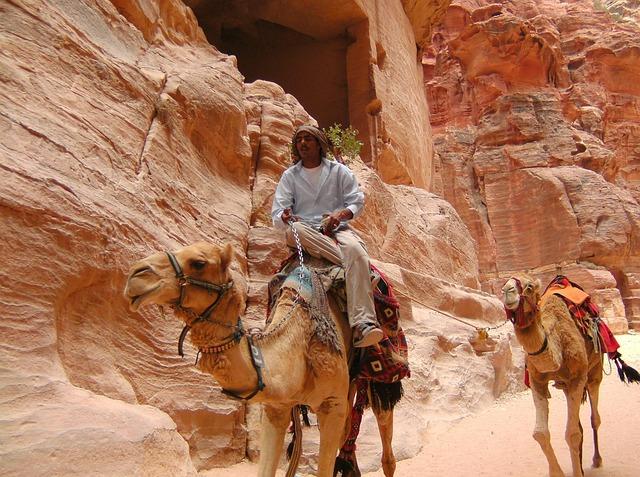
If you’ve ever dreamed of stepping back in time and wandering through a city carved directly into rose-red rock, then Petra, Jordan, should be at the top of your travel bucket list. This ancient wonder, often called the “Rose City,” offers a magical glimpse into the past, where history and breathtaking landscapes collide. Join me on a journey through Petra’s enchanting pathways, hidden tombs, and stunning architecture – a place that’s as captivating today as it was thousands of years ago. Whether you’re an adventurous explorer or a history enthusiast, Petra promises an unforgettable adventure that will leave you awe-inspired and eager to learn more. Let’s dive into the heart of this archaeological marvel and uncover the stories etched in stone!
Table of Contents
- Discovering Petra’s Iconic Treasury and Its Hidden Secrets
- Wandering Through the Siq and Marveling at Nature’s Masterpiece
- Exploring Petra’s Ancient Tombs and Carved Facades Up Close
- Tips for an Unforgettable Visit: When to Go and What to Bring
- Wrapping Up: Ultimate Travel Lessons
Discovering Petra’s Iconic Treasury and Its Hidden Secrets
Stepping through the narrow Siq passage, you emerge to the breathtaking view of Petra’s Treasury (Al-Khazneh), its towering façade carved directly into rose-red sandstone cliffs. This impressive monument, believed to have been a royal tomb, features intricate Hellenistic architectural designs that blend Nabatean craftsmanship and Greco-Roman influences. Moreover, the subtle light shifts throughout the day reveal hidden details on the columns and sculptures, which makes timing your visit crucial for photographers seeking that perfect shot.
Beyond its grandeur, the Treasury holds many mysteries waiting to be uncovered. Local legends speak of secret chambers and hidden treasures concealed behind its walls, though modern explorers have yet to confirm these tales fully. For curious families and history buffs alike, joining guided tours offers fascinating insights into the symbolism carved into its surface, revealing stories of ancient rituals, trade, and power struggles that shaped Petra’s rise.
When planning your visit, consider the season and your travel style. Summer mornings provide cooler light with fewer crowds, ideal for solo adventurers eager to capture still moments, whereas late autumn offers more comfortable temperatures for families. However, since the Treasury area can get crowded midday, early access tours or sunset visits provide a more intimate experience. Don’t forget to book your Petra tours early online to secure availability and avoid last-minute hassle. For seamless travel, explore affordable car rentals nearby to maximize your time exploring Petra’s vast outdoor wonders.
Wandering Through the Siq and Marveling at Nature’s Masterpiece
Walking through the narrow canyon known as the Siq feels like stepping into a timeless spectacle sculpted by nature. Towering walls of sandstone rise on both sides, glowing warmly as sunlight filters through the small crevices above. This geological corridor not only serves as the grand entrance to Petra but also boasts fascinating rock formations and ancient carvings that hint at the site’s rich history.
Travelers should wear sturdy shoes for the uneven pathways and bring water, especially in summer, since the Siq can become quite warm. Families with children will find shaded spots to pause, while solo explorers may enjoy quiet moments to absorb the grandeur. Moreover, photographers will appreciate the contrasting light and shadow plays that make for breathtaking shots, particularly early in the morning or late afternoon.
For those visiting during the off season, the Siq often reveals a more serene atmosphere, allowing deeper reflection without crowds. As you approach the end of this natural corridor, anticipation builds for the majestic reveal beyond. Don’t forget to book your tour in advance to enhance your experience with an expert guide who can unveil hidden stories behind every turn. And, once ready to explore more, check out deals on hotels nearby for easy access to this wonder.
Exploring Petra’s Ancient Tombs and Carved Facades Up Close
The intricate rock-cut tombs of Petra reveal centuries of Nabataean craftsmanship and the city’s rich heritage. As you wander through these ancient sepulchers, notice the elaborate facades that blend Hellenistic and Eastern architectural styles. Moreover, subtle details such as floral motifs and intricate columns tell stories of past civilizations, all of which invite a deeper appreciation of Petra’s historical significance.
For photography enthusiasts, the early morning provides ideal lighting to capture the tombs’ warm sandstone hues. However, midday shadows can obscure intricate carvings, so plan your visit accordingly. Families with young children will find the lower tomb routes more accessible, while solo travelers and history buffs may want to explore the higher, less crowded facades that require moderate hiking endurance.
Seasonal considerations are vital when exploring these monuments up close. In summer, bring plenty of water and sun protection, as the open rocky trails offer little shade. Conversely, cooler months invite longer walks and fewer crowds, making autumn or spring perfect for immersive explorations. To maximize your experience, consider booking guided tours that cater to your interests and physical level.
Tips for an Unforgettable Visit: When to Go and What to Bring
Selecting the ideal time for your adventure plays a crucial role in crafting lasting memories at Petra. Spring (March to May) and autumn (September to November) provide mild weather, perfect for those who enjoy comfortable hiking and extended daylight hours. Families and solo travelers alike will appreciate these periods due to pleasant temperatures that avoid the extreme summer heat or winter chills, ensuring a smoother exploration experience.
However, visiting during the peak summer months (June to August) demands extra preparation. Intense heat often exceeds 40°C (104°F), which can affect endurance during wilderness exploration and make early morning or late afternoon visits a necessity. Photographers should plan to capture the golden hour either at sunrise or sunset to avoid harsh shadows and glaring light. Wearing lightweight, breathable clothing and bringing a wide-brimmed hat will help protect you from the sun while trekking through mountain passes.
For those venturing in winter (December to February), packing warm layers is essential because temperatures can drop significantly, especially after dark. Nights are often chilly, so a thermal jacket and insulated gloves greatly enhance comfort. Don’t forget sturdy footwear with good grip, particularly if the trails may be slippery from occasional rain. Moreover, bringing a refillable water bottle and energy snacks will keep you energized throughout your Petra journey, no matter the season.
To make your visit seamless and enjoyable, consider carrying these essentials:
- A reliable flashlight or headlamp for exploring caves and shaded pathways.
- Sunscreen with a high SPF to prevent sunburn.
- Comfortable walking shoes designed for rocky and uneven terrain.
- Lightweight backpack to store belongings without hindering movement.
- Portable phone charger to stay connected and capture every moment.
If you’re planning your stay, it’s wise to book tours in advance for guided insights and smoother access. Finding the right hotels nearby helps maximize your comfort and time at this enchanting site. For added flexibility, don’t hesitate to reserve car rentals early, giving you freedom to explore Petra’s surrounding wonders at your own pace. Embark on your unforgettable experience of the rose-red city with confidence and proper gear!
What makes Petra, Jordan, a must-visit ancient wonder?
Petra is famous for its stunning rock-cut architecture and rich history as a thriving trade center. Its unique blend of natural beauty and archaeological significance offers visitors an unforgettable journey back in time.
How can I best explore the ancient sites within Petra?
To fully experience Petra, plan a day or two to walk through its major landmarks like the Treasury, the Monastery, and the Siq canyon. Guided tours or audio guides enhance understanding, and comfortable shoes are essential for the rocky terrain.
When is the ideal time to visit Petra to avoid large crowds and extreme heat?
The best times to visit Petra are during the spring (March to May) and fall (September to November) months. These seasons offer milder weather and fewer tourists, making exploration more enjoyable.
Are there any safety tips for travelers visiting Petra?
Visitors should stay hydrated, wear sun protection, and follow marked paths to ensure safety. Additionally, hiring a local guide can provide both security and deeper insights into the site’s history.
Wrapping Up: Ultimate Travel Lessons
As our journey through the ancient wonders of Petra comes to a close, it’s clear why this mesmerizing city continues to capture the hearts of travelers from around the world. From the breathtaking Treasury carved into rose-red cliffs to the hidden trails of the Siq and the vastness of the Roman Theater, Petra is more than just a destination-it’s an unforgettable experience that connects you with history in the most magical way. Whether you’re an avid history buff, an adventure seeker, or simply someone in search of awe-inspiring beauty, Petra promises memories that will stay with you long after you’ve left its sun-kissed canyons behind. So, when you’re ready for your next great adventure, let Petra’s timeless allure guide your path. Safe travels and happy exploring!