

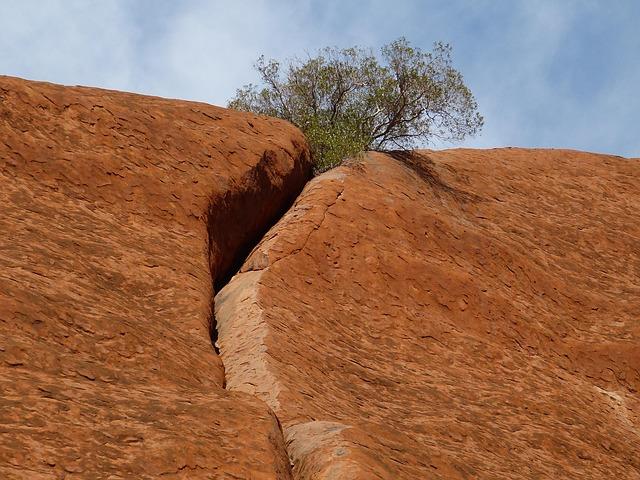
If you’ve ever been fascinated by stories etched in stone and ancient symbols that whisper tales of centuries past, then exploring Aboriginal rock art in Australia is an absolute must. These incredible artworks aren’t just beautiful-they’re windows into the rich cultures, traditions, and histories of Australia’s First Peoples. From vibrant hand stencils to intricate animal depictions, Aboriginal rock art offers a unique and deeply moving glimpse into a world that has thrived for tens of thousands of years. So, join me as we embark on a journey to discover the stunning sites, inspiring stories, and timeless beauty of this incredible artistic heritage.
Table of Contents
- Exploring the Rich History Behind Aboriginal Rock Art
- Understanding the Symbols and Stories Told on Ancient Rock Faces
- Best Spots Across Australia to Experience Aboriginal Rock Art Up Close
- Tips for Respectful and Responsible Rock Art Exploration
- Looking Ahead: Future Travel Trends
Exploring the Rich History Behind Aboriginal Rock Art
The ancient depictions found in Aboriginal rock art offer an extraordinary insight into Australia’s cultural heritage. These artworks date back thousands of years, serving as a visual language that communicates stories about the Dreamtime, traditional laws, and natural landscapes. Moreover, these paintings and engravings are not just art; they reflect complex spiritual beliefs that have been passed down through generations.
For families visiting these sacred sites, it’s essential to approach the experience with respect and curiosity. Many locations provide guided tours that explain the symbolism behind the figures and patterns, making it easier for children to engage with the history meaningfully. Alternatively, solo explorers might find quiet moments to absorb the stillness and contemplate the rich narratives etched into stone, especially during early morning visits when lighting enhances the art’s vivid colors.
Photographers will benefit greatly from timing their visits during the golden hours of sunrise or sunset to capture the textures and hues with natural light. However, visiting during the off-season might provide more solitude and unique atmospheric conditions but check weather forecasts and local advice for safety. Whether you are planning a cultural journey or a photographic adventure, consider booking a guided tour for expert insights and local knowledge that transform your visit into a deeper learning experience.
Visiting these ancient galleries demands proper preparation. Remember to wear sturdy shoes, bring sun protection, and carry enough water, especially when exploring remote outback regions. For those planning extended trips, renting a car gives you the flexibility to reach lesser-known sites off the beaten track at your own pace. Consider securing your car rental early, particularly in peak seasons when demand surges.
To maximize the cultural immersion, stay in nearby accommodations that often collaborate closely with Indigenous communities. These hotels provide authentic experiences that go beyond the typical tourist itinerary, including talks, workshops, and local crafts. Booking your hotel near key rock art sites ensures easy access and supports local economies, enriching your overall journey.
Whether you arrive by plane or prefer a road trip, planning flights ahead of time guarantees smoother logistics and better prices. Connecting with local guides after landing adds value by introducing you to hidden rock art sites rarely accessible otherwise. Explore your options to reserve affordable flights and enjoy a seamless Australian adventure centered on discovering these timeless cultural treasures.
Understanding the Symbols and Stories Told on Ancient Rock Faces
The ancient markings etched and painted on Australian rock faces reveal rich cultural narratives and ancestral wisdom. These symbols often represent stories of creation, law, and survival, passed down through generations by Aboriginal peoples. By learning to recognize common motifs-such as circles denoting waterholes or wavy lines symbolizing rivers-you deepen your connection to the land and its timeless heritage.
Interpreting these signs, however, requires more than just observation; understanding the context is essential. For families visiting, guided tours led by local Aboriginal storytellers provide invaluable insights and encourage respectful interaction. Solo travelers or photographers seeking quiet contemplation might prefer early mornings or late afternoons, when softer light enhances the intricate pigments, and fewer crowds allow more intimate discovery.
Moreover, different regions hold unique artistic styles and meanings, so timing your visit according to seasons can enrich the experience. In the cooler months, exploring remote sites becomes more comfortable, while peak seasons often include cultural festivals that celebrate these ancient stories. To fully enjoy and respect these sacred artworks, consider booking guided tours that include cultural education and help preserve these fragile treasures for future generations. For travel arrangements, check available hotels and plan flexible flight options nearby.
Best Spots Across Australia to Experience Aboriginal Rock Art Up Close
Across Australia, several exceptional locations offer direct encounters with ancient Aboriginal rock art, each site showcasing unique styles and stories. Kakadu National Park in the Northern Territory stands out as a top destination with its vibrant paintings depicting Dreamtime legends. The park’s extensive trail network makes it ideal for families and solo adventurers alike, as guided walks provide safety and insights into the cultural context behind the artworks.
For those chasing photographic opportunities, Nourlangie Rock within Kakadu delivers striking visuals, especially in the soft morning light. However, visiting during the dry season, from May to September, is highly recommended to avoid heavy rains and slippery paths. Moreover, if you prefer a less crowded experience, early weekdays offer quieter trails and better chances for uninterrupted observation.
Further south, the Grampians National Park in Victoria reveals intricate rock art sites offering a glimpse into the Koori culture. This area suits endurance challenges and wilderness exploration, as hikers can combine art viewing with mountain passes and panoramic lookouts. To make the most of your trip, book local accommodation well in advance, particularly during peak autumn months when the weather is mild and photo conditions are optimal. Don’t forget to check car rentals for easy access to these scenic spots.
Additionally, Burrup Peninsula in Western Australia houses one of the world’s largest collections of petroglyphs, dating back thousands of years. The remote setting requires careful planning and longer trips, making it a perfect choice for dedicated cultural explorers and history lovers. Therefore, consider joining specialized tours that provide transportation and expert guidance to navigate this vast heritage site safely. Secure your spot now with recommended tours to enrich your adventure.
To enhance your experience, here are some tips for visiting Aboriginal rock art sites safely and respectfully:
- Always stay on marked paths to protect fragile paintings.
- Avoid touching the rock surfaces, as oils can damage the art.
- Respect local Indigenous customs and seek permission when required.
Explore related destinations to capture Australia’s rich heritage through art and landscape, and make sure to find accommodation nearby to extend your cultural journey. Ready to witness these awe-inspiring creations yourself? Book your flight and hotel today to begin an unforgettable exploration.
Tips for Respectful and Responsible Rock Art Exploration
When exploring these ancient artworks, respect for the environment and culture is paramount. Avoid touching or leaning on rock surfaces to prevent oils from damaging the delicate pigments. Moreover, refrain from using flash photography as it can deteriorate the paint over time; instead, use natural light or low-impact settings on your camera.
Different types of travelers require specific tips to enhance their visits responsibly. Families should keep children close and explain the importance of preserving these sites. Solo adventurers may benefit from guided tours, which provide valuable cultural insights and ensure safety in remote areas. Photographers should consider visiting during early morning or late afternoon for the best natural light while minimizing their presence’s impact on the site.
Seasonal conditions also influence how you explore these locations. During the hot summer months, bring sufficient water and wear UV-protective clothing to avoid heat exhaustion. In the cooler off-season, layering clothes helps maintain comfort while trekking through rugged wilderness areas. Always plan your trip well in advance and think about booking accommodation and car rentals early to avoid last-minute hassles and enjoy a smooth experience. Check available options for hotels and car rentals before you go.
Frequently Asked Questions for Frequent Travelers
What are the best ways to avoid flight delays?
To avoid flight delays, book early morning flights, check real-time airport updates, and sign up for airline alerts. Also, choose major airports with better on-time records and allow extra layover time when connecting flights.
How can I pack efficiently for frequent travel?
Use a packing checklist, roll clothes to save space, and choose versatile pieces. Opt for lightweight luggage and keep essential items like chargers and travel documents easily accessible.
What loyalty programs offer the most benefits for frequent flyers?
Major airline programs like Delta SkyMiles, American Airlines AAdvantage, and United MileagePlus provide extensive rewards. Look for programs with flexible redemption options, priority boarding, and complimentary upgrades.
How do I stay healthy during frequent travels?
Stay hydrated, get proper rest, and maintain a balanced diet. Use hand sanitizer and avoid touching your face. Incorporate light exercise and stretch during long flights to reduce fatigue.
What is the easiest way to manage travel documents for multiple trips?
Use digital apps to store boarding passes and passports securely. Keep physical copies in a dedicated travel organizer and update all relevant information before each trip to streamline check-ins and security checks.
Looking Ahead: Future Travel Trends
Exploring the ancient Aboriginal rock art of Australia is more than just a visual treat-it’s a journey into the rich stories, culture, and spirit of the land’s first peoples. Whether you’re an art lover, history buff, or simply curious traveler, these incredible artworks offer a unique window into a world shaped by thousands of years of tradition and connection to country. So next time you find yourself down under, make sure to carve out some time to discover these living galleries-because experiencing Aboriginal rock art is truly a beautiful way to connect with Australia’s timeless soul. Happy adventuring!