

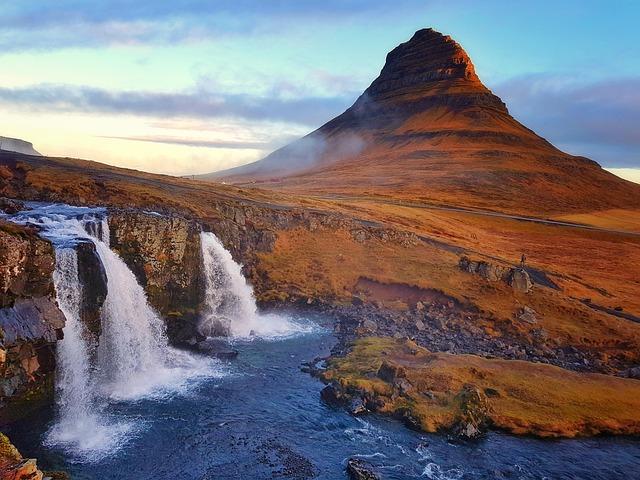
If you’re someone who loves the thrill of adventure and the magic of capturing breathtaking moments, then adventure travel photography might just be your perfect match. There’s something truly special about combining adrenaline-pumping experiences with the art of photography-each shot tells a story of exploration, challenge, and awe-inspiring landscapes. In this blog, we’ll take you on a journey to some of the best spots around the world where you can snap those epic shots that make your friends stop scrolling and ask, “Where is that?!” Whether you’re trekking through rugged mountains, diving into crystal-clear waters, or wandering through wild, untouched terrains, these destinations promise unforgettable photo ops that’ll elevate your travel album to legendary status. So pack your camera gear, and let’s dive into the ultimate guide for adventure travel photography!
Table of Contents
- Adventure Travel Photography Essentials Gear Tips for Capturing Stunning Shots
- Chasing Light and Landscapes Iconic Destinations That Inspire Epic Photos
- Finding Hidden Gems Off the Beaten Path for Unique Adventure Shots
- Mastering Action and Motion Techniques to Elevate Your Travel Photography
- What This Means for Your Next Journey
Adventure Travel Photography Essentials Gear Tips for Capturing Stunning Shots
Capturing breathtaking images during your adventure requires more than just a good camera. Reliable gear tailored to rugged conditions is essential, especially for those who venture into remote wilderness or tackle endurance challenges. For instance, a lightweight DSLR or mirrorless camera paired with versatile lenses, such as a wide-angle and a telephoto, will allow you to adapt quickly from sweeping landscapes to wildlife shots. Moreover, investing in a sturdy tripod helps stabilize your image during low-light excursions such as sunrise hikes or twilight treks.
Photographers must also account for environmental factors that can affect equipment. Weather-resistant gear becomes invaluable when exploring mountain passes or rain-drenched rainforests. Consider packing a protective camera rain cover and microfiber cloths to keep lenses clear of dust or moisture. Furthermore, carrying extra batteries and memory cards ensures that you won’t miss pivotal moments, especially in remote locations where charging points are scarce or nonexistent. For solo hikers seeking compact solutions, mirrorless cameras offer a perfect balance between power and portability.
Finally, to maximize your photographic opportunities across seasons, tailor your packing list according to local climate and lighting. During the off-season, lower light and unpredictable weather may call for a camera with strong ISO performance and image stabilization. Families traveling with kids might prioritize easy-to-use zoom lenses that reduce lens swapping, allowing quick action shots. To explore guided itinerary options that focus on epic photo locations, consider booking from curated tours. These help you efficiently access iconic spots while concentrating on your creative vision.
Chasing Light and Landscapes Iconic Destinations That Inspire Epic Photos
Capturing the magic of dawn’s first light or the fiery hues of sunset can transform your photographs into timeless treasures. Iconic spots like the sweeping valleys of the Grand Canyon or the mist-covered peaks of Patagonia offer breathtaking perspectives that many photographers dream of. However, to truly seize these moments, plan your visit during shoulder seasons when light is softer, and crowds are thinner-this allows for serene compositions and more creative freedom.
For families and casual travelers, destinations like the lavender fields in Provence or the sunflower plains in Tuscany provide vibrant colors and wide-open spaces perfect for relaxed, joyful photo sessions. Meanwhile, solo adventurers or wilderness explorers might prefer rugged locations such as Iceland’s volcanic landscapes or the remote fjords of Norway. These places challenge your endurance but reward you with dramatic vistas that few people capture due to their remoteness. Consider local tours for guided access and insider knowledge; booking in advance is often the key to securing these exclusive experiences.
When chasing that perfect landscape, carry lightweight yet versatile gear to adapt quickly as weather and light change. Peak seasons might bring crowds, so early mornings or late afternoons are the best times for crisp, undisturbed shots. Moreover, don’t overlook the utility of renting a vehicle to reach hidden vantage points off the main paths-you can check out convenient car rentals here. For the best results, couple your outdoor photo adventures with well-situated hotels booked nearby, ensuring you maximize your time with minimal travel. Explore more about tours and hotels to tailor an itinerary that perfectly fits your photography goals.
Finding Hidden Gems Off the Beaten Path for Unique Adventure Shots
When searching for unique adventure photography locations, venturing beyond popular tourist spots often leads to breathtaking discoveries. Remote valleys, forgotten trails, and unmarked paths provide a canvas for truly original shots that tell authentic stories. For solo travelers, these quieter areas offer peaceful moments to connect deeply with nature, while families might enjoy less crowded spaces that encourage exploration and safe play.
Timing plays a crucial role when chasing rare gems. Visiting destinations during the off-season often unveils hidden landscapes bathed in soft light, while avoiding peak crowds. Moreover, early morning or late afternoon light enhances textures and shadows, perfect for capturing dramatic scenes. Photographers should prepare for variable conditions by packing lightweight gear suited for unpredictable weather and carrying portable power banks to keep cameras charged in remote zones.
To maximize your experience, consider local guides who specialize in uncovering secret locales invisible on standard maps. Such experts can reveal hidden waterfalls, unique rock formations, or ancient ruins ideal for original compositions. Additionally, booking tours with niche operators allows you not only to reach these spots effortlessly but also to learn about safety and preservation practices-important for travelers eager to protect delicate environments. Explore options to book tours tailored to off-the-beaten-path adventures and enhance your journey with insider knowledge.
For flexible exploration, renting a vehicle is often essential. A 4×4 or all-terrain car unlocks access to rugged trails unreachable by public transport, granting freedom to chase perfect frames at your own pace. Families will appreciate the convenience of a comfortable ride; solo explorers benefit from the independence it offers. Be sure to check seasonal road conditions and reserve your car early through trusted car rentals to avoid last-minute hassles.
Finally, to rest and recharge between outings, staying in small-town hotels or eco-lodges deepens the connection to local culture and nature. These accommodations often provide inspiration with stunning views right at your doorstep, and choosing sustainably-run places supports responsible tourism. Booking a cozy night’s stay through reliable hotels can turn your photography trip from simply a visit into an immersive adventure experience.
Mastering Action and Motion Techniques to Elevate Your Travel Photography
Capturing dynamic moments during your travels can elevate your photography to a whole new level. To freeze action crisply, fast shutter speeds are essential; they help you capture runners sprinting, waves crashing, or wildlife in mid-leap with sharp detail. Yet, for creative blur effects that emphasize motion, slower shutter speeds combined with camera panning can add energy and depth to your shots, especially around waterfalls or busy street scenes.
When planning shoots with movement in mind, consider your subject’s speed and the light conditions. For example, solo hikers trekking across sunlit mountain passes require different settings than families exploring shaded forest trails. Moreover, in overcast or low-light situations, raising ISO or using wider apertures becomes crucial to maintain exposure without sacrificing image quality.
Adaptability is key, especially in diverse climates or seasons. In winter, when light is softer but conditions are slippery, steady tripods and image stabilization help avoid blurry photos. Conversely, summer’s bright sun allows for faster settings but watch for harsh shadows; using diffusers or shooting during golden hours can soften the action-packed scenes. If you want to turn these techniques into professional-grade results, check out the best gear for outdoor shoots here.
Mastering camera movements and focusing techniques is another way to get compelling shots of motion. Continuous autofocus modes track moving subjects, while burst shooting increases your chances of nailing the perfect moment. For beginners or casual travelers, practicing these modes can transform fast-paced scenes from frustrating to fun, whether photographing cyclists or jumping dolphins.
Dive into panning techniques to convey speed effectively. This involves following your subject smoothly while using a slower shutter speed, blurring the background but keeping the subject sharp. However, it takes patience and experimentation, so using sports events or local festivals as practice grounds can be rewarding. For wildlife enthusiasts, such as bird watchers or safari adventurers, this approach captures animals in a natural and vibrant way.
Travel photographers should also consider their gear’s weight and portability. Mirrorless cameras offer a compact solution without compromising speed, making them ideal for backpackers and those embarking on endurance challenges. Moreover, investing in versatile lenses with wide apertures allows seamless switching between wide action shots and close-up details. For convenient travel accommodation near popular photo spots, explore hotels that cater to photographers.
Creative use of environmental elements can turn motion into storytelling. Blending natural forces like wind-blown dust, flowing water, or waving grass with human or animal movement tells a richer tale. For families traveling with children, this means capturing candid moments during kite flying or beach games, which come alive with motion techniques.
Seize the opportunity to use reflective surfaces like lakes or puddles to add intriguing layers and depth to your images. Shooting during sunrise or sunset provides warm tones that enhance the sense of movement and vitality in your photos. However, rainy or foggy conditions need extra care; waterproof gear and lens hoods protect your equipment while offering unique atmospheric effects.
For travelers seeking to visit several action-filled destinations efficiently, booking transportation early helps maximize shooting time and flexibility. Whether you need a car for rugged mountain routes or flights to remote islands, advance planning ensures more time behind the camera. Discover convenient car rentals and flights to complement your photography adventure. Don’t miss out-book your next trip today and capture motion like a pro!
What are the best destinations for adventure travel photography?
Some of the top spots for adventure travel photography include rugged mountain ranges, tropical rainforests, vast deserts, and remote islands. These locations offer dramatic landscapes and unique natural light, perfect for capturing epic shots. Popular examples are Patagonia, Iceland, the Amazon, and the Sahara Desert.
How can I prepare my gear for adventure travel photography?
It’s important to pack lightweight, durable camera equipment that can handle different weather conditions. Additionally, bring extra batteries, memory cards, and protective cases. Also, consider a waterproof bag and lens cleaning tools to keep your gear safe and ready on the go.
What tips can help me capture epic shots while on adventurous trips?
To capture striking photos, scout locations during golden hours like sunrise or sunset for the best natural light. Always look for unique perspectives and include elements such as people or wildlife to add scale and interest. Lastly, stay patient and be ready to shoot quickly as moments in adventure settings can be fleeting.
Where can beginners find adventure photography spots that are easy to access?
Beginners should start with well-known and accessible natural parks or landscapes near their area. National parks, coastal cliffs, and popular hiking trails usually offer stunning views without requiring extreme travel. This way, you can practice skills while staying safe and comfortable.
Why is adventure travel photography becoming so popular?
Adventure travel photography combines the thrill of exploring new places with the creativity of capturing stunning images. It allows travelers to document unique experiences and share inspiring stories visually. Plus, social media has made it easier to showcase and discover breathtaking adventure photos worldwide.
What This Means for Your Next Journey
And there you have it-the ultimate guide to adventure travel photography destinations that promise epic shots and unforgettable memories. Whether you’re scaling mountains, trekking through lush jungles, or chasing sunsets on remote beaches, these spots offer endless inspiration for your lens. So pack your gear, embrace the thrill of the unknown, and get ready to capture moments that tell your own wild and wonderful story. Happy exploring, and may your next shot be your best one yet!