

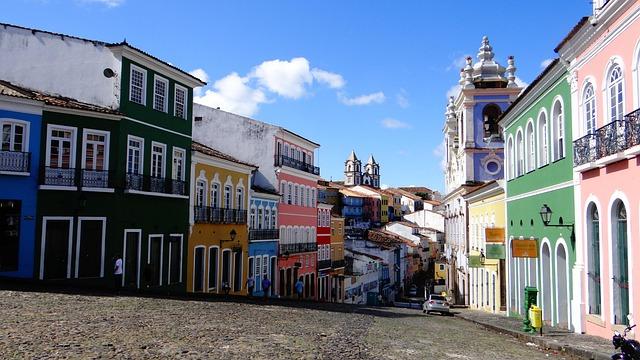
If you’re looking to dive into a vibrant world where music, dance, and history blend into a colorful celebration of culture, then Salvador, Bahia should be at the top of your travel list. This lively city on Brazil’s northeast coast is the heart of Afro-Brazilian traditions, offering an unforgettable experience filled with rich heritage, delicious food, and warm, welcoming people. In this blog, we’ll take you on a journey through Salvador’s streets and festivities, uncovering the soulful rhythms of samba and capoeira, the energy of Candomblé rituals, and the flavors of Bahian cuisine that tell stories of centuries-old African roots. Ready to discover the magic of Afro-Brazilian culture? Let’s go!
Table of Contents
- Exploring the Vibrant Rhythms of Samba and Capoeira
- Tasting the Flavors of Bahian Afro-Brazilian Cuisine
- Unveiling the Spiritual Roots of Candomblé in Salvador
- Best Neighborhoods and Local Spots to Experience Authentic Traditions
- In Retrospect: What We’ve Explored
Exploring the Vibrant Rhythms of Samba and Capoeira
The heartbeat of Bahia pulses through Samba and Capoeira, two dynamic arts that intertwine rhythm, movement, and history. Samba’s lively drumming and syncopated beats invite visitors to join in communal dance circles, often held in Salvador’s bustling streets or cultural centers. To fully appreciate this form, travelers should seek out evening performances during festivals, especially in the vibrant months of July and December, when the city teems with energetic celebrations.
Capoeira, on the other hand, offers a blend of martial art and dance, showcasing agile movements paired with rhythmic melodies and call-and-response singing. Those interested in learning a few skillful moves can join local classes suitable for all levels, including families or solo travelers looking to connect more deeply with Bahia’s heritage. Moreover, attending a roda (circle) session during the off-season means fewer crowds and more personal interaction with masters who illuminate the art form’s Afro-Brazilian roots.
For photographers, both Samba and Capoeira present captivating action shots framed by Salvador’s colorful streets and spirited crowds. Early mornings tend to offer softer light and calmer settings, ideal for capturing the pre-performance rehearsals or intimate training moments. When planning your trip, consider booking guided experiences and accommodations nearby to maximize your immersion in these profound traditions. Take advantage of special offers on tours and hotels to secure a seamless and memorable cultural adventure.
Tasting the Flavors of Bahian Afro-Brazilian Cuisine
The culinary scene in Salvador bursts with the vibrant spirit of Afro-Brazilian heritage, where every dish tells a story of tradition and culture. Signature ingredients such as dendê oil (palm oil) and coconut milk lend rich, velvety textures to meals like acarajé and moqueca. Visitors can expect flavors that are both bold and comforting, often seasoned with local herbs and spices that have been passed down through generations.
For families traveling with children, sampling milder versions of Bahian specialties is a great way to introduce young palates to new tastes without overwhelming them. Meanwhile, solo travelers and food enthusiasts should seize the chance to join guided food tours, which often unravel the history behind each dish and lead guests to hidden market stalls and street vendors that most tourists miss. Photographers will find the colorful presentation of dishes an excellent subject, especially during vibrant festivals when traditional recipes come alive.
Seasonally, the availability of fresh seafood peaks during the warmer months from November to March, making this an ideal time for a moqueca feast by the beach. However, the milder winter months offer cozy opportunities to savor slow-cooked stews and rich desserts like quindim. Regardless of the season, booking local tours here can enhance your experience, offering insider knowledge along with tastings that celebrate the enduring Afro-Brazilian culinary legacy. Don’t miss out-explore exclusive offers on tours and hotels to secure your spot in this flavorful journey.
Unveiling the Spiritual Roots of Candomblé in Salvador
Salvador stands as the vibrant heartbeat of Candomblé, an Afro-Brazilian religion born from the rich cultural tapestry of enslaved West Africans. This spiritual tradition blends African deities called Orixás with elements of Catholicism, creating a unique, sacred practice that echoes through music, dance, and colorful rituals. Visitors can experience the true essence of this faith by attending ceremonies held at terreiro temples, where drumming, chanting, and offerings create an intimate connection to ancestral spirits.
For travelers seeking spiritual immersion, many terreiros welcome visitors, though it’s vital to respect local customs and observe with humility. Families might prefer daytime cultural tours, where guides explain symbolism and history without entering active rituals. Meanwhile, solo travelers and photographers can capture the vibrant contrasts of ceremonial attire and sacred spaces, particularly during major festivals like Festa de Iemanjá in February. Off-season visits allow quieter, more reflective moments, offering deeper understanding away from crowds.
To fully appreciate Salvador’s spiritual heritage, consider combining your itinerary with local guided tours that facilitate authentic interactions with practitioners. Booking your tours in advance enhances accessibility to these sacred spaces, especially during peak festivals. Moreover, arranging nearby hotels and flights early ensures convenience, letting you focus on profound cultural discovery without logistical stress. For those planning extended stays, renting a car provides flexible access to both city neighborhoods and outskirts where many important terreiros are located. Dive into this powerful Afro-Brazilian tradition and enrich your travel with sacred stories and rhythmic devotion.
Best Neighborhoods and Local Spots to Experience Authentic Traditions
In Salvador, the Pelourinho district stands as the heart of Afro-Brazilian culture. Wandering its colorful streets, travelers find vibrant murals, lively music, and historic churches, all bursting with tradition. For those interested in photography, the early morning light captures its colonial charm best, while families may enjoy daytime storytelling sessions narrating local legends.
Just a short ride away, Rio Vermelho offers a different side of authentic experience. Known for its bohemian vibe, this neighborhood hosts bustling markets and open-air candomblé rituals, where visitors witness the deep spiritual roots of Bahian people. However, evenings here come alive with food stalls serving traditional dishes like acarajé – a must-try for culinary adventurers and solo travelers alike.
For those visiting in the rainy season, São Joaquim Market is a perfect shelter and cultural hotspot. Its stalls burst with exotic fruits, spices, and handmade crafts that reveal the daily life of Afro-Brazilian residents. Moreover, many vendors gladly share stories behind their goods, so engage with locals to enrich your journey. Don’t forget to reserve comfortable accommodations nearby to maximize your exploration. Book your stay at top-rated hotels to enjoy convenient access and genuine hospitality.
Frequently Asked Questions for Frequent Travelers
What is the best way to pack efficiently for frequent travel?
Use versatile, wrinkle-resistant clothing and travel-sized essentials. Roll clothes to save space and keep your luggage organized with packing cubes. Always pack a carry-on with must-have items.
How can I find the cheapest flights for frequent travel?
Book flights early, set fare alerts, and be flexible with travel dates and airports. Use reward programs and compare prices across multiple travel sites for the best deals.
What are top tips for staying healthy while traveling frequently?
Stay hydrated, get enough sleep, and eat balanced meals. Wash hands regularly, carry hand sanitizer, and try to maintain a consistent exercise routine even on the road.
How do frequent travelers manage jet lag effectively?
Adjust your sleep schedule before traveling, get sunlight exposure upon arrival, and stay hydrated. Avoid heavy meals and caffeine close to bedtime to help your body adjust faster.
What travel insurance options should frequent travelers consider?
Look for annual travel insurance plans that cover multiple trips, including medical emergencies, trip cancellations, lost baggage, and travel delays to save money and hassle.
In Retrospect: What We’ve Explored
As you can see, Salvador is truly a vibrant tapestry of Afro-Brazilian culture, where every corner tells a story soaked in history, music, and tradition. Whether you’re wandering through the colorful streets of Pelourinho, tasting mouthwatering Bahian cuisine, or joining in the rhythmic beats of samba and Candomblé ceremonies, this city offers an unforgettable experience that stays with you long after you leave. So if you’re ready to dive deep into a rich cultural heritage and feel the heartbeat of Afro-Brazilian traditions, Salvador should definitely be at the top of your travel list. Until next time, keep exploring and embracing the beautiful diversity our world has to offer!