

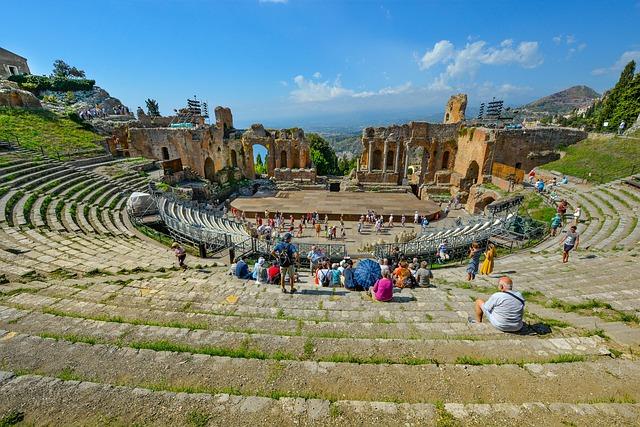
Step back in time with me as we explore the enchanting world of Ancient Greek theatres and the vibrant culture that brought them to life. These magnificent open-air stages weren’t just places to watch plays-they were the heart of social, religious, and artistic expression in Greek society. From grand amphitheaters carved into hillsides to the timeless stories of gods and heroes performed on stage, the magic of Ancient Greek theatres continues to captivate us today. Join me on this journey as we uncover the history, architecture, and cultural significance behind these incredible marvels of the ancient world!
Table of Contents
- Discovering the Timeless Architecture and Design of Ancient Greek Theatres
- Unveiling the Cultural Traditions Behind Classical Greek Performances
- Exploring Must-Visit Ancient Theatre Sites for History Enthusiasts
- How to Experience Ancient Greek Theatre Culture Today
- The Bottom Line for Globe-Trotters
Discovering the Timeless Architecture and Design of Ancient Greek Theatres
Ancient Greek theatres stand as marvels of ingenious engineering and artistic expression. Their semicircular design, often carved into hillsides, showcases an incredible understanding of natural acoustics. This setup allowed every whisper on stage to reach the ears of even the furthest spectator, proving the Greeks’ unmatched skill in sound projection.
When visiting these historic venues, timing and weather greatly affect your experience. Spring and autumn bring pleasant temperatures for leisurely exploration, while summer can be sweltering and crowded. Families should consider off-season visits for a quiet, relaxed atmosphere, whereas solo travelers aiming to capture the beauty might prefer the soft morning light of early spring.
Moreover, the materials used, such as limestone and marble, highlight both durability and elegance, blending harmoniously with the surrounding landscapes. These theatres were not merely performance spaces; they symbolized civic pride and spiritual connection, often linked to festivals honoring gods like Dionysus. Visitors can deepen their appreciation by joining guided tours that explain these cultural layers-secure your spot now at convenient tours.
Unveiling the Cultural Traditions Behind Classical Greek Performances
The ancient Greek stage was not just a place for storytelling; it was a vibrant hub of rituals and communal gatherings deeply rooted in spiritual and civic life. Performances were often part of religious festivals honoring gods like Dionysus, the god of theatre and wine, which meant every act carried sacred significance. Moreover, actors and chorus members wore elaborate masks and costumes meant to transport the audience beyond the mundane world, symbolizing divine or mythical figures.
Audiences themselves played a crucial role during performances, reacting vocally and emotionally to the unfolding drama, thereby creating a shared experience that united entire city-states. This participatory tradition encouraged reflection on moral dilemmas and civic virtues, making the theatre an educational tool as well as entertainment. For travelers interested in cultural immersion, witnessing a live performance in ancient theatres today, like Epidaurus, offers a glimpse into this interactive atmosphere that still resonates centuries later.
If you plan to explore these ancient theatres, consider timing your visit for summer festivals when performances are revived with modern adaptations. Families with children will appreciate outdoor seating and shorter shows designed for younger viewers, while solo travelers and photography enthusiasts can benefit from early morning tours to capture the delicate play of sunlight on the stone seats. For off-season visits, guided tours remain a valuable option to understand the complex symbolism and social impact behind each dramatic work. Don’t forget to book your hotels early during the festival season to secure a comfortable stay close to these historic sites.
Exploring Must-Visit Ancient Theatre Sites for History Enthusiasts
When journeying through the rich landscapes of Greece, the Theatre of Epidaurus stands out as a marvel of ancient architecture and acoustics. Its perfectly preserved semicircular design allows voices from the center stage to be heard clearly from the last row, which thrills history buffs and audiophiles alike. Families visiting can enjoy guided tours that bring the myths and plays to life, while photographers will find the soft morning light ideal for capturing its majestic stone tiers. However, if you visit during peak summer, the site can be crowded and hot; early spring or late autumn visits offer a quieter, cooler atmosphere perfect for deep exploration.
Another unforgettable experience awaits at the Odeon of Herodes Atticus in Athens, nestled beneath the Acropolis. This open-air stone theatre is still used today for concerts and festivals, merging ancient charm with vibrant modern culture. Solo travelers often appreciate the immersive ambiance during evening performances, enhanced by the backdrop of twinkling city lights. For comfort, shoulder seasons are preferable, as summer evenings become warm, yet lively; meanwhile, winter visits provide less activity but more peaceful reflection. Booking tickets in advance through local vendors is wise to avoid sold-out shows during festival times.
If your itinerary includes less-traveled paths, don’t overlook the ancient Theatre of Delphi. Though partially ruined, it sits amid breathtaking mountainous scenery that offers a spiritual and scenic retreat from crowds. Adventurers and nature lovers can pair their cultural visits with hikes through nearby trails leading to stunning overlooks, while history enthusiasts will appreciate the site’s connection to the Oracle of Delphi. During winter, some trails may be slippery, so sturdy footwear is essential. Moreover, nearby accommodations can accommodate different budgets, so consider reserving a room early through reliable hotel platforms to enhance your stay. For a seamless trip, check out tours and car rentals tailored to medieval route enthusiasts.
How to Experience Ancient Greek Theatre Culture Today
To immerse yourself in the ancient Greek theatre ambiance, begin by visiting iconic historic sites such as Epidaurus, Athens’ Odeon of Herodes Atticus, or the Theatre of Dionysus. These venues often host live performances during the warmer months, especially from late spring to early fall. Families will find evening shows enchanting when combined with local food markets nearby, while solo travelers can savor quieter matinee performances for reflection and photography.
Moreover, several cultural festivals recreate the vibe of ancient drama, featuring original scripts by Sophocles or Euripides performed in open-air settings. To maximize your experience, book guided tours that provide expert insights into the plays’ historical and social context. For evenings out, consider staying close to theatre districts by reserving a room through trusted sites like hotels to reduce transit times and soak in the lively atmosphere.
In cooler seasons, many museums and cultural centers offer interactive exhibits and workshops that highlight the mechanics of ancient productions, from mask-making to choral dances. This option suits travelers aiming to deepen their understanding away from the crowds, especially during off-peak months. Additionally, check out local theatrical groups performing reinterpretations of ancient texts indoors, providing the drama’s essence minus the need for warm weather. Don’t forget to book your tickets early and consider car rentals for easy access to remote sites.
What makes ancient Greek theatres special compared to modern venues?
Ancient Greek theatres are renowned for their remarkable design, which uses natural acoustics to carry sound without modern amplification. They were open-air, semi-circular spaces that allowed large audiences to enjoy performances of drama, poetry, and music. Their architectural and cultural significance continues to inspire theatre design today.
Where are some must-visit ancient Greek theatres for travelers?
Travelers interested in ancient Greek theatres should consider visiting:
- Theatre of Epidaurus – famous for its outstanding acoustics
- Theatre of Dionysus in Athens – birthplace of Greek tragedy
- Theatre of Delphi – set in a stunning archaeological location
Each site offers a unique glimpse into Greek culture and history.
Why is ancient Greek culture important for understanding theatre today?
Ancient Greek culture laid the foundation for Western theatre, introducing genres like tragedy and comedy that still influence playwrights. Greek festivals celebrated drama as a communal event, reflecting societal values and religious beliefs. By studying these origins, we gain insight into storytelling and performance traditions that shape modern entertainment.
How were performances in ancient Greek theatres different from modern plays?
Performances in ancient Greek theatres often included chorus-led songs, masks, and minimal scenery, focusing heavily on dialogue and mythological themes. Additionally, plays were part of religious festivals honoring gods such as Dionysus. Unlike many modern shows, they combined ritual, storytelling, and civic participation in a public space.
The Bottom Line for Globe-Trotters
As we step away from the ancient stone seats and echoing amphitheaters, it’s clear that the magic of Greek theatres goes far beyond their impressive architecture. These spaces were the heart of community, storytelling, and cultural exchange-bringing myths to life and inspiring generations. Whether you’re a history buff, a theatre lover, or simply curious about the past, exploring these timeless sites offers a unique glimpse into a world where drama, philosophy, and celebration intertwined. So next time you find yourself wandering among ancient ruins or watching a play under the stars, remember the rich legacy of the Greeks, whose creativity still sparks wonder today. Until next time, keep exploring and embracing the stories that connect us all!