

If you’ve ever wandered through the sun-soaked streets of Andalusia, Spain, you’ve probably noticed the vibrant pottery that seems to bring the region’s rich history and lively culture to life. From delicate patterns inspired by centuries-old traditions to bold, colorful designs that brighten every corner, Andalusian pottery is truly a feast for the eyes-and a treasure trove for anyone who loves art and craftsmanship. In this blog post, we’ll take you on a delightful journey to discover the charming pottery styles that make Andalusia so unique. Whether you’re a curious traveler, a passionate collector, or simply a fan of beautiful ceramics, get ready to fall in love with the soulful creations born from this enchanting part of Spain!
Table of Contents
- Exploring the Rich History Behind Andalusian Pottery
- Unveiling the Unique Techniques That Make Andalusian Ceramics Stand Out
- Top Towns to Visit for Authentic Pottery Shopping
- How to Care for and Display Your Andalusian Pottery Collection at Home
- Key Learnings from Our Adventure Guide
Exploring the Rich History Behind Andalusian Pottery
Andalusian pottery traces its origins back to a vibrant fusion of cultures, including Roman, Visigothic, and especially Moorish influences. The Moors introduced advanced ceramic techniques around the 8th century, which transformed local craftsmanship into a refined art form. Over the centuries, potters integrated elaborate geometric patterns and vivid color schemes, reflecting both Islamic artistry and Mediterranean aesthetics.
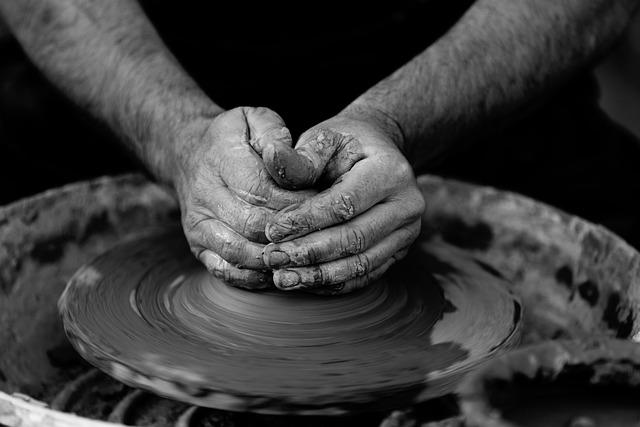
The region’s ceramic tradition flourished in workshops called alfarerías, notable for their hand-thrown clay and decorative glazing methods. Towns like Seville, Terraza, and Úbeda became renowned centers where artisans perfected techniques such as majolica glazing and intricate tilework. These handcrafted pieces were not only functional but symbolic, often used to adorn palaces, mosques, and homes, embodying a deep cultural storytelling heritage.
Visitors eager to explore this ceramic legacy should consider scheduling trips during spring or fall when pottery fairs and local markets are in full swing. Families benefit from workshops geared toward children, while solo travelers and photographers will find charming alleyways and studios perfect for capturing creativity firsthand. For a seamless experience, book tours that include hands-on pottery sessions and afternoon visits to traditional kilns – an unforgettable chance to connect with Andalusian history. Secure your spot now with tours and prepare to immerse in timeless artistry.
Unveiling the Unique Techniques That Make Andalusian Ceramics Stand Out
One of the most striking aspects of Andalusian ceramics is the blend of cultural influences that shape its distinctive designs. These artworks often feature patterns inspired by Moorish geometry, Mediterranean motifs, and traditional Spanish colors. Therefore, you will notice intricate blue, green, and ochre tones that portray a rich visual narrative unlike any other pottery style in Europe.
Moreover, the crafting process involves a unique firing technique called “third firing,” which enhances the glaze’s vibrancy and durability. This step requires skillful temperature control to ensure colors remain vivid and glossy without cracking the ceramic base. For travelers fascinated by artisanal craftsmanship, visiting a local workshop offers a firsthand experience of this delicate process, particularly in Cordoba or Seville’s pottery districts.
Families visiting during spring or autumn can benefit from hands-on pottery sessions, where children and adults alike try their hand at these techniques. Solo travelers or photographers should focus on early morning visits to capture the subtle textures and sunlit glazes without crowds. Regardless of the season, booking a guided tour is advisable to dive deeper into the history and techniques behind the art. Explore available tours to enhance your Andalusian ceramic journey.
The raw materials themselves also contribute to the unique character of Andalusian ceramics. Locally sourced clays, combined with mineral pigments from the surrounding hills, give each piece a natural authenticity. Artisans carefully select these elements, preserving a tradition that dates back centuries while adapting to contemporary tastes.
If you want to bring a piece of Andalusia home, many pottery shops offer shipping services, which is practical for families or travelers with limited luggage space. Travelers arriving in the region may want to consider car rentals for easy access to remote villages like Talavera la Reina, known for its colorful pottery markets. For competitive prices and convenience, check out car rentals.
Lastly, Andalusian ceramics often incorporate hand-painted calligraphy and storytelling scenes, connecting the viewer to the area’s rich folklore. These personalized touches transform simple pottery into narrative art, making each item a collectible work rather than mere decoration. To fully appreciate these stories, visiting local museums or artisan fairs during peak season provides an immersive cultural experience. Don’t forget to book your hotels early, as these events draw large crowds eager to discover traditional craftsmanship.
Top Towns to Visit for Authentic Pottery Shopping
Nestled amidst Andalucían landscapes, Vejer de la Frontera stands out as a must-visit town for pottery lovers. Its whitewashed streets hide numerous artisan workshops where traditional methods blend with creative modern twists. Families will enjoy hands-on pottery classes offered by local ceramists, while photographers can capture colorful wares contrasted against the town’s rustic charm. For the best experience, visit in spring when festivals celebrate local crafts, offering a lively atmosphere perfect for exploring.
Meanwhile, Manises, just a short drive from Valencia, is famous for its vibrant glazed ceramics adorned with historic motifs. Moreover, collectors seeking authentic pieces will find unique styles here, especially in smaller galleries away from the main plazas. Solo travelers often appreciate the welcoming vibe of the town’s markets, where engaging conversations with potters reveal centuries-old techniques. To explore deeper, consider booking pottery tours that dive into the town’s artistic heritage [tours].
Further south, Mairena del Alcor offers a quieter retreat with exquisite pottery rooted in Andalusian tradition. This town is ideal for visitors wanting a slower pace and the chance to observe artisans at work in intimate studio settings. Off-season visits, particularly in autumn, allow for personalized shopping experiences, away from crowds and during festivals highlighting ceramic arts. Whether you rent a car for flexible travel or prefer guided excursions, this town’s charm ensures an enriching adventure [car rentals].
How to Care for and Display Your Andalusian Pottery Collection at Home
Caring for Andalusian pottery requires gentle handling and the right environment to preserve its vivid colors and intricate patterns. Avoid placing pieces in direct sunlight, as this can cause fading over time. Moreover, keep pottery away from damp areas to prevent moisture damage, which can weaken the clay and cause cracks.
Dust your collection regularly using a soft, dry cloth or a gentle brush to maintain its vibrant appeal. However, never use harsh chemicals or abrasive materials, since these might erode the delicate glazes. For stubborn stains, a mild soap diluted in water can be applied carefully, followed by immediate drying with a clean cloth to avoid water absorption.
Displaying Andalusian pottery at home offers creative possibilities that highlight its unique artistry. Consider grouping pieces by color or shape on open shelves or wall niches, where light can accentuate their beauty. Additionally, using wooden or iron stands can provide a rustic touch while securing delicate items safely from accidental knocks. For a personalized touch, pair your pottery with complementary textiles or plants, creating a blend of textures and cultural charm. Discover more home décor ideas to complement your collection with [hotels] and book a stay in Andalusia to see these styles firsthand.
What makes Andalusian pottery unique?
Andalusian pottery stands out for its vibrant colors, intricate patterns, and Moorish influences. The region blends traditional techniques with modern styles, creating charming ceramics that reflect its rich cultural heritage.
Where can I buy authentic pottery in Andalusia?
You can find authentic Andalusian pottery in local markets, artisan shops, and pottery workshops across cities like Seville, Granada, and Cordoba. Visiting these places offers a chance to see artisans at work and purchase handcrafted pieces directly.
How can travelers learn about the pottery styles of Andalusia?
Travelers can explore pottery museums, attend workshops, or join guided tours that focus on ceramic art. These experiences provide deeper insight into the history, techniques, and cultural significance behind Andalusia’s pottery traditions.
What are the common uses for Andalusian pottery?
Andalusian pottery is both decorative and functional. Typical uses include:
- Colorful tiles for homes and gardens
- Decorative plates and bowls
- Flower pots and vases
- Serving dishes and kitchenware
These pieces often add a warm, artistic touch to any space.
Key Learnings from Our Adventure Guide
And there you have it-a delightful glimpse into the charming pottery styles that make Andalusia truly special. Whether you’re a seasoned collector or simply someone who appreciates beautiful handcrafted art, Andalusian ceramics offer a vibrant connection to the region’s rich history and culture. So next time you find yourself wandering the sun-soaked streets of southern Spain, be sure to keep an eye out for these colorful treasures-they’re more than just pottery, they’re stories shaped by time, tradition, and a whole lot of heart. Happy exploring!