

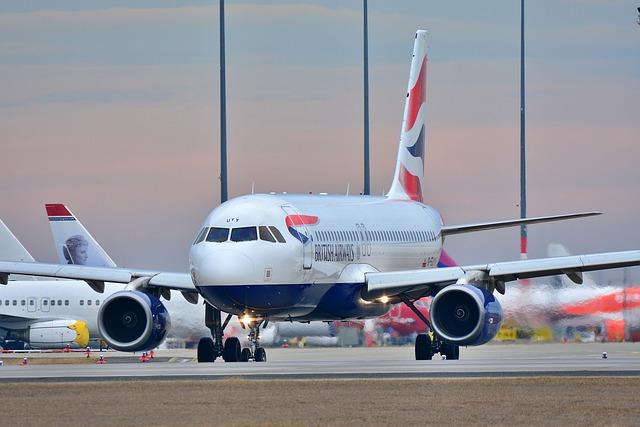
Jet lag can feel like an unexpected travel buddy you never asked for-making you groggy, disoriented, and longing for your cozy bed just when you want to be out exploring. But what if you could kick jet lag to the curb and start enjoying your trip from the very first day? Whether you’re crossing a couple of time zones or a half dozen, a few simple strategies can help you adjust faster and make the most of your adventure. In this post, I’m sharing easy, traveler-approved tips to beat jet lag so you can hit the ground running-and fully soak up every moment of your getaway. Ready to travel smart and feel great? Let’s dive in!
Table of Contents
- Understanding Jet Lag and How It Affects Your Body
- Smart Packing and Pre-Flight Habits to Minimize Fatigue
- Adjusting Your Sleep Schedule Before You Travel
- Simple In-Flight Practices to Stay Energized and Refreshed
- Closing Thoughts for Adventure Travelers
Understanding Jet Lag and How It Affects Your Body
Jet lag occurs when your body’s internal clock, or circadian rhythm, is out of sync with a new time zone. This misalignment can cause fatigue, irritability, and difficulty concentrating, making the first days of your trip challenging. Moreover, symptoms vary depending on how many time zones you cross and whether you travel east or west, with eastward flights often causing worse effects.
Your body struggles because it relies on natural cues like sunlight and meals to regulate sleep and alertness. When these signals suddenly shift, your brain’s sleep-wake cycle gets confused. Therefore, adjusting gradually to new time zones or using light exposure strategically can help ease the transition, especially for family travelers who need to manage children’s sleep routines or solo adventurers aiming for quick recovery after a long haul.
Seasonal differences also play a role in jet lag severity. For instance, winter trips might require extra care since shorter daylight hours offer less natural help to reset your internal clock. Photographers and outdoor enthusiasts can benefit by planning activities during daylight peaks, which encourages your body’s adjustment. For busy or off-season travelers, balancing rest and light exercise will support faster recovery and maximize enjoyment from day one.
If you want to prepare smartly for your next journey, consider booking flexible flights early to choose optimal arrival times. Additionally, secure comfortable hotels close to nature or city centers to minimize transit fatigue and take control of your recovery environment. By understanding your body’s response and using travel strategies effectively, you can beat jet lag and embrace every moment of your adventure.
Explore how to tailor your itinerary for smooth transitions and stress-free travel, then check out our recommended tours designed with jet lag in mind.
Smart Packing and Pre-Flight Habits to Minimize Fatigue
Packing smartly can greatly reduce travel exhaustion, so prioritize versatile clothing suited to your destination’s climate. For families, packing efficiently means including comfort items for kids and a compact first aid kit to avoid last-minute stress. Solo adventurers and photographers should focus on lightweight gear and protective cases, ensuring ease of movement without sacrificing essentials.
Additionally, organizing your carry-on thoughtfully enhances convenience and minimizes fatigue during long trips. Keep snacks, hydration, and entertainment close at hand to stay refreshed and relaxed in flight. Moreover, layering clothes helps you adapt to fluctuating cabin temperatures and different weather upon arrival, making your journey smoother.
Before boarding, adopt simple pre-flight habits like staying hydrated and avoiding heavy meals, as this supports your body’s adjustment process. Light stretching and short walks during layovers can also boost circulation and reduce stiffness. For an easy start to your trip, consider booking comfortable accommodations early through reliable sites like Hotels or securing convenient car rentals in advance.
Adjusting Your Sleep Schedule Before You Travel
Shifting your bedtime gradually toward your destination’s time zone can drastically reduce jet lag. Start adjusting your sleep schedule about a week before departure, moving your bedtime by 30 to 60 minutes each day. Families traveling with children may find this slow transition more manageable, as it helps little ones adapt without stress.
For solo adventurers and photographers eager to catch early sunrises or golden hours, syncing your sleep with local times beforehand is especially beneficial. Moreover, consider light exposure: get plenty of daylight in the morning if you need to wake earlier, or dim lights in the evening to signal your body it’s time to wind down. This tactic is effective year-round but especially handy during winter travel when daylight hours are shorter.
If you’re traveling during peak season, when crowds and schedules can disrupt rest, optimizing your sleep beforehand gives you a stronger starting point. Off-season travelers might enjoy quieter surroundings but should still prepare for time changes to avoid sluggish mornings. For practical convenience, book your accommodations early via our trusted hotels service to ensure a restful first night in your new time zone. Additionally, explore booking your flights early to secure the best travel times directly suited to your new schedule.
Simple In-Flight Practices to Stay Energized and Refreshed
Flying long distances can be exhausting, but staying active and mindful during your flight helps maintain your energy. Stretch your legs regularly by standing up and walking to the restroom every hour or so; this promotes circulation and prevents stiffness. For families, turning these moments into mini-movement breaks for kids keeps little travelers refreshed and entertained.
Hydration is crucial at high altitudes where cabin air is dry. Therefore, drink plenty of water and avoid caffeine or alcohol since they can dehydrate you further. Solo travelers might carry a reusable water bottle to refill after security, while photographers and adventure seekers should pack hydrating snacks like fresh fruit or nuts to maintain steady energy.
Additionally, light exercises like ankle rolls, shoulder shrugs, and neck stretches reduce tension caused by cramped seats. If you’re traveling during colder seasons, wearing layered and comfortable clothing encourages ease of movement while maintaining warmth. To maximize comfort, consider booking a seat with extra legroom through the airline or arrange a car rental for a seamless ride to your accommodation after landing. For a smoother start, explore our selection of flights and hotels.
What are easy ways to beat jet lag and feel good on day one?
To beat jet lag quickly, try staying hydrated, adjusting your sleep schedule before traveling, and spending time outside in natural light upon arrival. These simple steps help reset your internal clock and boost energy for a fresh start.
How can I adjust to a new time zone faster?
Gradually shift your sleep and meal times a few days before your trip to match your destination’s schedule. Also, avoid caffeine and heavy meals near bedtime, and prioritize exposure to daylight once you arrive to help your body adapt sooner.
Is it better to nap or stay awake after a long flight?
Short naps of 20-30 minutes can ease fatigue without ruining your nighttime sleep. However, try to stay awake until a reasonable local bedtime to quickly adjust your body clock and enjoy your trip from day one.
What role does light exposure play in reducing jet lag?
Light exposure is crucial because it signals your brain to regulate sleep and wake cycles. Spending time outdoors during daylight hours, especially in the morning, helps reset your body’s internal clock faster and reduces jet lag symptoms.
Can hydration really help me avoid jet lag?
Yes, staying well-hydrated helps combat the dehydrating effects of flying and supports overall wellbeing. Drinking plenty of water before, during, and after your flight can reduce fatigue and keep you feeling alert as you adjust to the new time zone.
Closing Thoughts for Adventure Travelers
And there you have it-simple, effective ways to beat jet lag and start enjoying your trip from day one! Remember, a little planning and some smart habits can make all the difference in how you feel when you touch down. So pack your bags, get ready to embrace new adventures, and don’t let jet lag steal a minute of your vacation. Safe travels and happy exploring!