

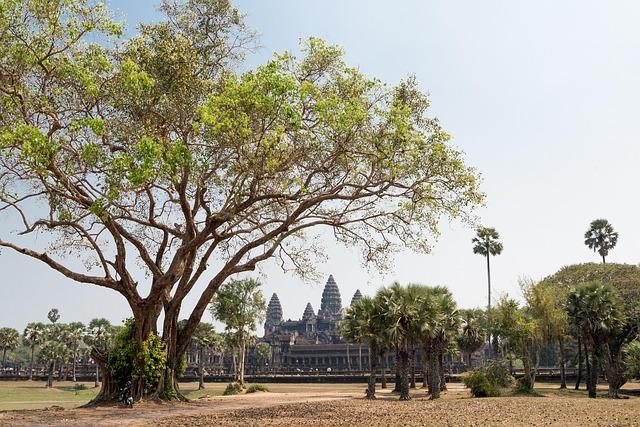
If you’ve ever dreamed of stepping back in time to explore mysterious stone temples and uncover ancient traditions, Cambodia is calling your name. This beautiful Southeast Asian gem is home to some of the world’s most captivating temples, rich with history, art, and spirituality. From the awe-inspiring ruins of Angkor Wat to lesser-known sacred sites tucked away in lush jungles, Cambodia’s ancient temples offer a fascinating glimpse into the past. But it’s not just about the stunning architecture-the living rituals and ceremonies performed by locals add a magical, timeless charm to the experience. Join me as we dive into the heart of Cambodia’s ancient temples and sacred rituals, discovering stories carved in stone and the vibrant cultural traditions that continue to thrive today.
Table of Contents
- Discovering the Timeless Beauty of Angkor Wat and Its Mystical Architecture
- Unveiling the Spiritual Significance Behind Cambodia’s Sacred Rituals
- Tips for Experiencing Traditional Ceremonies Like a Local
- Where to Find Hidden Temple Gems Beyond the Crowds
- Essential Advice to Take With You
Discovering the Timeless Beauty of Angkor Wat and Its Mystical Architecture
Stepping through the ancient stone passageways, visitors are instantly captivated by the intricate carvings that tell stories of gods, demons, and celestial battles. This architectural masterpiece combines both spiritual symbolism and clever engineering, showcasing the genius of the Khmer civilization. Moreover, the expansive layout of the temple demonstrates careful planning, with each tower and corridor aligned to celestial events, which fascinated early astronomers and modern explorers alike.
The complex’s vast bas-reliefs are more than decorative art; they are vibrant chronicles etched into sandstone, illustrating scenes from Hindu epics like the Ramayana and Mahabharata. For photographers, early morning or late afternoon visits are ideal because the soft natural light enhances the carvings’ depth and texture. Families might appreciate guided tours designed for children, which highlight the temple’s legends in an engaging storytelling format, while solo travelers can explore quieter corners at sunrise to experience peaceful contemplation.
Seasonality plays a vital role in planning your visit to maximize comfort and enjoyment. The dry season, from November to March, offers cooler weather and less humidity, perfect for longer explorations and outdoor photography. However, those seeking a more serene experience might prefer the green season, from May to October, despite occasional showers, as fewer tourists wander the grounds. No matter when you visit, booking a knowledgeable guide or joining small group tours through trusted platforms can enrich your understanding and ensure a smoother trip. Don’t miss the chance to book tailored tours here to dive deeper into Cambodia’s mysteries.
Unveiling the Spiritual Significance Behind Cambodia’s Sacred Rituals
Cambodia’s sacred ceremonies are deeply interwoven with the country’s rich cultural tapestry and religious devotion, particularly Buddhism and ancient animist beliefs. These rituals often take place within temple grounds or nearby sacred sites, symbolizing the connection between humans, nature, and the divine. Understanding the spiritual messages behind these traditions offers travelers a profound glimpse into Cambodia’s soul, beyond its architectural grandeur.
Many sacred rituals emphasize harmony with the natural world, reflecting ancient Khmer cosmology where spirits inhabit forests, rivers, and mountains. Participants frequently engage in offerings of flowers, incense, and food to appease these protective forces. Moreover, the repetition of chants and prayers aims to purify and bless individuals, families, or even communities, fostering a sense of renewal and collective well-being.
For visitors eager to experience these ceremonies, timing is crucial. The Pchum Ben festival, for instance, is an ideal moment to witness vibrant ancestral rites and temple activities. Families wearing traditional attire gather at pagodas, offering food to monks and spirits. Solo travelers might find this event deeply moving, while families can enjoy the communal atmosphere-just remember to dress modestly and respectfully. To ensure a comfortable stay during such busy periods, consider booking your hotels well in advance.
Photographers and cultural enthusiasts should carry a respectful lens, capturing the vivid colors, solemn faces, and symbolic gestures without interrupting the spiritual flow. Moreover, the gentle rhythm of these rituals offers chance for slower, more contemplative observation compared to Cambodia’s bustling city scenes. Whether exploring ancient temples or joining local ceremonies, visitors can also enhance their journey by hiring guided tours through tours that specialize in cultural heritage.
To fully embrace this spiritual dimension, plan your visit during the dry season when weather conditions are more predictable and temple grounds are less muddy. However, the rainy season’s lush scenery can also create mystical backdrops for these sacred events. For greater convenience, renting a vehicle through car rentals allows flexible travel between remote temple sites and bustling towns, making it easier to flow with the pace of traditional ritual schedules.
Whether drawn to quiet meditations or lively festival scenes, immersing yourself in Cambodia’s sacred rituals reveals the enduring faith and reverence that continue to shape its cultural identity. For seamless travel arrangements, check available flights early and make your spiritual journey both inspiring and comfortable.
Tips for Experiencing Traditional Ceremonies Like a Local
Immersing yourself in Cambodia’s vibrant rituals offers a glimpse beyond the surface. To truly engage, dress modestly and respectfully, covering shoulders and knees. This shows reverence and avoids drawing unwanted attention. Moreover, arriving early helps you observe preparations, an aspect often missed by casual visitors. Families should plan around quieter ceremonies, opting for smaller temples to keep children comfortable.
Understanding local customs enhances your experience significantly. For instance, always ask permission before photographing monks or sacred objects, as privacy is deeply valued. Solo travelers might consider hiring a local guide, who can provide context and facilitate meaningful connections with villagers. Meanwhile, photographers will find early mornings before ceremonies ideal for capturing soft, natural light that enriches the temple’s mystical atmosphere.
Seasonal timing matters as well, since certain rituals are tied to Cambodia’s calendar. The cool, dry season between November and February offers pleasant weather for extended visits, while the rainy season creates a lush, vibrant backdrop but may limit access to some sites. Booking a guided tour allows flexible scheduling around festival dates and includes transportation, which is vital during the monsoon months. Check options for hotels nearby and secure your flights early to maximize your immersive journey. Feel free to explore car rentals too if you prefer a self-paced adventure through sacred landscapes.
Where to Find Hidden Temple Gems Beyond the Crowds
Venture beyond Siem Reap’s bustling Angkor Wat complex to discover lesser-known temples nestled deep within Cambodia’s lush jungles. Beng Mealea offers a thrilling experience for adventure seekers, with its moss-covered ruins and labyrinthine corridors, often free from large crowds. However, visitors should prepare for uneven terrain and bring sturdy shoes, as the site involves a mix of forest trails and slippery stones.
For those craving a tranquil encounter with history, the remote Koh Ker sanctuary stands out. Far from the usual tourist routes, this former capital boasts massive pyramidal structures and intricate carvings. Solo travelers and photographers alike will appreciate the fading light at sunset here, which creates stunning contrasts for unforgettable shots. Moreover, the off-season months (May to October) provide cooler temperatures and fewer visitors, perfect for contemplative exploration.
Families traveling with children can enjoy Preah Vihear’s elevated temples, located on a cliff that offers panoramic views of the Cambodian countryside. The area’s scenic hikes are suitable for older kids ready for endurance challenges, though younger children might need breaks. To navigate these sites comfortably, renting a car is advisable-this allows flexibility and easier access to hidden spots. Consider booking your vehicle early through trusted services to ensure smooth travel during peak seasons.
Embrace the full experience by joining tailored tours that specialize in off-the-beaten-path locations. These guided adventures ensure insight into the spiritual rituals still practiced in secluded temple courtyards, enriching your understanding beyond the monuments themselves. Don’t miss the opportunity to book your immersive tour today to access exclusive areas and expert commentary at tours.
For lodging near these gems, cozy boutique hotels blend local charm with modern comforts. Booking ahead during the dry season will secure your spot in these intimate accommodations. Find your ideal stay by browsing the best options for your route on hotels and enjoy waking up close to Cambodia’s sacred landscapes.
What are the must-visit ancient temples in Cambodia?
Cambodia is home to several stunning ancient temples, with Angkor Wat being the most famous. Other notable sites include Bayon Temple, Ta Prohm, and Banteay Srei. Each temple offers unique architecture and rich historical significance, making them essential stops for any traveler.
How can I respectfully observe sacred rituals during temple visits?
When visiting Cambodia’s temples, it’s important to dress modestly and speak quietly, as many temples are active religious sites. Visitors should observe rituals from a distance and avoid interrupting ceremonies. Showing respect helps preserve the spiritual atmosphere and supports local traditions.
What is the best time to visit Cambodia’s temples to avoid crowds?
The ideal time to visit Cambodia’s temples is early in the morning or late afternoon when crowds are thinner and the lighting is beautiful for photography. Additionally, the dry season from November to March is preferable for comfortable weather and clearer skies.
Can I learn about Cambodia’s sacred rituals during my temple tour?
Yes, many guided tours offer insights into Cambodia’s religious practices and sacred rituals. Local guides can explain the symbolism behind temple carvings and the significance of ongoing ceremonies, enriching your visit with cultural context.
Are there any tips for first-time travelers exploring Cambodia’s ancient temples?
For first-timers, it’s helpful to wear comfortable shoes, bring water, and allow plenty of time to explore each site without rushing. Hiring a knowledgeable guide can also enhance your experience by providing historical background and navigating the vast temple complexes.
Essential Advice to Take With You
As we wrap up our journey through Cambodia’s ancient temples and sacred rituals, it’s clear that this magical land offers much more than just stunning architecture. It’s a place where history breathes through every stone, and traditions continue to live on in vibrant ceremonies. Whether you’re wandering through the majestic Angkor Wat at sunrise or witnessing a serene monk’s blessing, Cambodia invites you to slow down, soak in the spirituality, and connect with a culture that’s both timeless and deeply inspiring. So, if you ever get the chance to explore these sacred sites, go with an open heart-you’ll come away with memories and experiences that stay with you long after you’ve left. Happy travels and may your adventures be as enriching as Cambodia’s ancient wonders!