

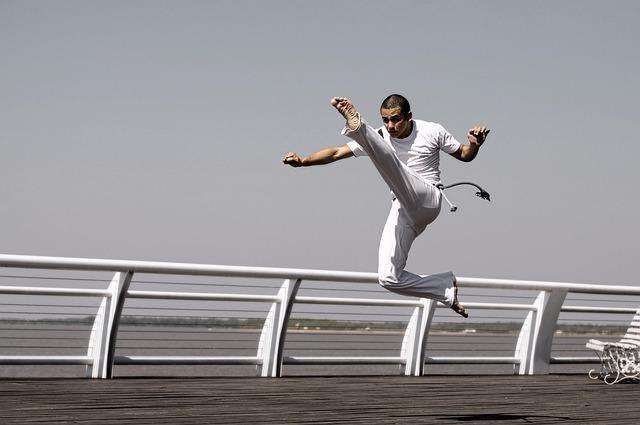
If you’ve ever watched the fluid, rhythmic movements of Capoeira, you know it’s more than just a dance-it’s a vibrant expression of history, culture, and community. Rooted deeply in Brazil’s rich heritage, Capoeira blends martial art, music, and storytelling into a unique cultural experience that captivates everyone who witnesses it. In this article, we’ll take a joyful dive into the heart of Capoeira, exploring its origins, the stories behind its movements, and why it continues to inspire people around the world today. Whether you’re a curious beginner or a longtime fan, get ready to discover the magic that makes Capoeira truly special.
Table of Contents
- Understanding the Origins and History of Capoeira
- Exploring the Music and Instruments That Bring Capoeira to Life
- Mastering the Movements: Tips for Beginners to Start Practicing
- Finding the Best Places to Experience Authentic Capoeira in Brazil
- Essential Advice to Take With You
Understanding the Origins and History of Capoeira
Capoeira emerged in Brazil during the 16th century, born out of the resilience and creativity of African slaves. Deprived of their freedom, these enslaved people sought ways to preserve their culture and resist oppression through movement disguised as dance. Therefore, capoeira developed as a unique blend of martial art, rhythmic music, and expressive dance, allowing practitioners to train discreetly while maintaining a powerful cultural identity.
This dynamic tradition grew in coastal regions like Bahia and Rio de Janeiro, where African influences were strongest. However, due to its association with rebellion, capoeira was often banned and forced underground. Despite this, it thrived in secret groups and street rodas, illustrating how a deeply rooted cultural practice can survive hardship and social restrictions, eventually gaining official recognition in the 20th century.
Moreover, capoeira continues to evolve as it spreads worldwide, merging historical elements with modern interpretations. Travelers interested in witnessing authentic performances or participating in workshops should consider visiting Bahia during its vibrant carnival season. Families and solo adventurers alike can discover a deeper connection to Brazilian culture by joining local classes or booking immersive experiences. To explore options, check out the latest tours available.
Exploring the Music and Instruments That Bring Capoeira to Life
The vibrant sounds of Capoeira create an immersive atmosphere that energizes every movement and interaction within the roda, the circle where practitioners unite. Central to this soundscape is the berimbau, a single-stringed musical bow that sets the rhythm and mood. Its distinctive twang guides players’ steps and signals changes in pace, making it the heartbeat of the game.
Alongside the berimbau, the atabaque drum adds deep, resonant beats that echo the traditions of African and Afro-Brazilian heritage. Its rich, earthy tones provide both a foundation and pulse for the dancers. Furthermore, the pandeiro, a lively hand tambourine, introduces bursts of bright, crisp rhythms that complement the flow of the music. Together, these instruments create a complex and captivating symphony that reflects Capoeira’s blend of martial art, dance, and ritual.
For travelers eager to experience this auditory world firsthand, attending a local roda in Brazil during the summer months offers vivid sensory engagement. Families visiting during quieter seasons can sometimes benefit from smaller, more intimate gatherings where the storytelling through music becomes even more personal. Solo adventurers should consider booking Capoeira tours that combine live music workshops and cultural insights, ensuring a deep connection with both the sounds and the spirit. To fully immerse yourself, plan your stay by securing hotels nearby, and arrive prepared by checking affordable options for flights and car rentals.
Mastering the Movements: Tips for Beginners to Start Practicing
Beginning with capoeira requires patience and openness to learning its unique rhythm and flow. It is essential to focus on basic movements such as the ginga, the foundational swaying step that builds balance and coordination. Beginners should practice slowly, allowing the body to internalize each motion, and gradually increase speed to match the dance’s energetic pace.
Moreover, mastering the art means understanding the importance of breath control and posture. Proper breathing helps maintain stamina during sequences, while a straight but relaxed stance promotes fluidity. For families engaging in capoeira, breaking practice into short, playful sessions can foster enthusiasm among children and adults alike, ensuring everyone stays energized and motivated.
Adaptations are also key depending on your environment and schedule. Solo practitioners can benefit from recording their movements to self-correct, while photographers seeking to capture dynamic poses should time sessions during golden hours for optimum lighting. Whether training in vibrant summer studios or cozy winter gyms, dressing in breathable, stretchy clothes will keep you comfortable and agile throughout your practice. Don’t miss the chance to enhance your experience by booking expert tours for live demonstrations or booking nearby hotels to stay close to culture hubs.
Finding the Best Places to Experience Authentic Capoeira in Brazil
When searching for a genuine Capoeira experience, Salvador, Bahia stands out as a premier destination. This city is the birthplace of Capoeira and offers a vibrant scene where locals practice daily in open squares and community centers. Visitors can join classes or watch skilled mestres perform, enriching their understanding of Capoeira rhythms and martial artistry. For families, the city’s cultural workshops and kid-friendly rodas provide an inclusive environment to appreciate this Afro-Brazilian heritage. Moreover, solo travelers will find it easy to connect with passionate practitioners eager to share stories and techniques. If you plan your trip during the Festival of Iemanjá in February, expect lively celebrations with additional dance and music showcases.
In Rio de Janeiro, Capoeira thrives both on the beaches and in urban neighborhoods, blending seamlessly with the city’s dynamic energy. The famous lawns of Ipanema and Copacabana often host rodas-informal circles where Capoeira is played-allowing tourists to watch stunning displays against a scenic backdrop. Photographers will appreciate the colorful uniforms, fluid movements, and sunlit settings perfect for capturing striking images. However, beach rodas can be crowded during the high season in summer, so visiting off-peak helps you enjoy a more relaxed atmosphere. For those who want to dive deeper, several professional schools in Rio offer trial classes catering to all skill levels and ages-perfect for adventurous learners.
Further south in São Paulo, the Capoeira scene is both rich and diverse, with institutions representing various styles and traditions. The city’s cultural centers and theaters frequently host public performances and workshops, making it ideal for travelers interested in the art’s evolving contemporary expressions. Business travelers with limited time can benefit from quick drop-in classes located near central hotels, while artistic souls might join intensive week-long courses for a full cultural immersion. Booking tours that include visits to historic sites and local rodas adds a layer of context to your visit, and pairing these with convenient car rentals helps you move easily through the sprawling metropolis. Don’t miss out on possibility to book your next Capoeira adventure through trusted travel links to enhance your trip.
What is Capoeira and why is it important in Brazilian culture?
Capoeira is a unique blend of martial arts, dance, music, and acrobatics that originated in Brazil. It holds deep cultural significance as a symbol of resistance and freedom for Afro-Brazilian communities. Today, it celebrates Brazil’s rich history and vibrant spirit.
Where can travelers experience authentic Capoeira performances?
Visitors can find authentic Capoeira in many Brazilian cities, especially Salvador, Rio de Janeiro, and São Paulo. These places often host public rodas (Capoeira circles) in parks, cultural centers, and during festivals, offering an immersive cultural experience.
How can beginners start learning Capoeira while visiting Brazil?
Many local Capoeira schools welcome beginners and offer short workshops or classes for tourists. Look for sessions that include:
- Basic movements and techniques
- Music and rhythm introduction
- Friendly rodas to practice skills
This hands-on approach helps travelers connect with the tradition in a fun and interactive way.
Why is music so important in Capoeira?
Music sets the pace and mood of the Capoeira game, guiding the players’ movements and interactions. Traditional instruments like the berimbau and atabaque create a rhythmic soundtrack that enhances the energy and storytelling of the dance.
Essential Advice to Take With You
As we wrap up our journey into the vibrant world of Capoeira, it’s clear that this dance is so much more than just movement-it’s a powerful expression of history, culture, and resilience. Whether you’re drawn to the rhythmic beats, the graceful kicks, or the stories woven into every step, Capoeira invites us all to connect with Brazil’s rich heritage in a truly dynamic way. So next time you hear the call of the berimbau, why not dive in and discover the heart of Capoeira for yourself? Who knows-you might just find a new passion waiting to be unlocked!