

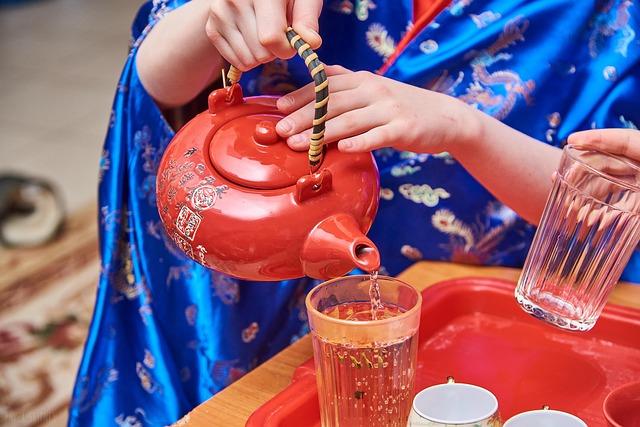
There’s something truly magical about sinking into a warm cup of tea-the gentle aroma, the soothing warmth, and that moment of calm amid the daily hustle. In China, tea isn’t just a drink; it’s a rich, centuries-old tradition that’s woven into the very fabric of life. Whether you’re a tea newbie or a curious traveler, join us as we explore the fascinating world of Chinese tea culture. From ancient rituals to modern-day sips, this friendly guide will help you savor every leaf, pot, and story behind one of the world’s most beloved beverages. So, grab your favorite mug, and let’s dive into the delightful universe of Chinese tea!
Table of Contents
- Exploring the Varieties That Define Chinese Tea Traditions
- Mastering the Art of Brewing for Authentic Flavor
- Pairing Your Tea with Chinese Snacks for a Perfect Match
- Immersing Yourself in Tea Ceremonies and Local Customs
- In Retrospect: What We’ve Explored
Exploring the Varieties That Define Chinese Tea Traditions
China’s tea culture is as diverse as its landscape, with each variety offering a distinct experience. Green tea, known for its fresh and grassy notes, is a staple of many Chinese households. It’s produced mainly in eastern provinces like Zhejiang, where the delicate leaves are quickly pan-fired to preserve their natural flavors, making it ideal for hot summer days when a refreshing cup is perfect.
In contrast, oolong tea offers a richer, more complex taste with floral and fruity undertones. Originating from the mountainous regions of Fujian and Taiwan, this semi-oxidized tea invites tea lovers to explore nuanced aromas and multiple steepings. Solo travelers and tea connoisseurs might consider joining specialized tea-tasting tours to truly appreciate oolong’s transformation through each cup; these experiences are especially enjoyable in the spring when fresh harvests are available.
For those who prefer a broader flavor spectrum, pu-erh tea presents an earthy, deep character, often described as an acquired taste. This fermented variety matures over time, gaining depth similar to fine wine, and is best savored during colder months to provide warming comfort. Families visiting Yunnan province can explore pu-erh plantations where traditional processing methods are demonstrated. To secure your trip during peak harvest seasons, check flight options early for better rates at Flights.
For all tea enthusiasts, here’s a quick guide to get started:
- Green tea: Best served fresh and warm; ideal for summer.
- Oolong: Multiple steepings reveal evolving aromas; perfect for spring.
- Pu-erh: Aged flavors, suited for winter warmth.
Whether you’re a casual drinker or a dedicated aficionado, exploring tea regions enriches the sensory journey. Plan your stay at authentic local inns via Hotels to immerse yourself fully in China’s tea heritage. Don’t miss the chance to book a tea-focused tour through expert routes and tastings at Tours-it’s a deep dive into tradition worth savoring.
Mastering the Art of Brewing for Authentic Flavor
Perfect tea brewing is a delicate balance that enhances the nuanced flavors hidden within every leaf. Start by selecting fresh water, ideally filtered or spring water, as it profoundly influences the final taste. Heating the water to just the right temperature-often between 70°C and 85°C for green teas and around 95°C for black or pu-erh varieties-is crucial; too hot, and the leaves scorch, too cool, and the flavors remain muted.
The steeping time also plays a vital role in unlocking authentic flavor. Generally, steep for one to three minutes, but this varies depending on the tea type and leaf size. For families brewing with children or beginners, a shorter infusion might ensure a milder, pleasing taste, whereas tea aficionados savor longer brewing to extract complex layers. Solo travelers seeking a calming ritual might experiment with multiple short infusions, refreshing the flavor each time and enjoying a meditative experience.
Moreover, the vessel you brew in matters-traditional clay pots or porcelain gaiwans allow leaves to fully unfurl and release their aroma. However, glass kettles work well for those who want to observe this beautiful transformation. During summer, chilling brewed tea creates a refreshing alternative, perfect for hot days. If you’re planning a tea trip, don’t forget to book your preferred accommodation to enjoy your favorite brew in comfort via these hotels. For wanderers seeking seamless connections, check flights early for the best prices here.
Quick Tips for Brewing Excellence:
• Use fresh, cold water and avoid reboiling repeatedly
• Control steeping times carefully depending on tea type
• Warm your teapot beforehand to maintain temperature
• Experiment with leaf quantities to find your personal taste
• Utilize appropriate vessels to maximize flavor release
To fully experience the richness of Chinese tea culture, equip yourself with patience and curiosity. Whether brewing in cozy homes or outdoor tea gardens, each attempt deepens your appreciation for this ancient art. Ready to explore China’s tea regions firsthand? Discover amazing experiences with curated tours that bring tea traditions alive, and don’t hesitate to reserve local car rentals here for flexible, immersive travel.
Pairing Your Tea with Chinese Snacks for a Perfect Match
Pairing tea with traditional Chinese treats enhances the flavors and offers a complete sensory experience. For instance, the earthy notes of Pu-erh tea perfectly complement the bold, salty taste of spiced duck jerky. This combination brings balance, with tea cleansing the palate while snacks provide a satisfying bite.
When enjoying green teas like Longjing, try light, crunchy snacks such as sunflower seeds or dry-fried broad beans. Their subtle saltiness contrasts with the fresh, vegetal aroma of the tea leaves. Moreover, families traveling with children can explore milder teas paired with sweet options like egg tarts or snow cakes, making tea time a shared delight.
Seasonal variations offer even more exciting possibilities. In colder months, robust teas like black Oolong and pu-erh are ideal with rich treats such as red bean pastries or sesame balls. On warmer days, crisp jasmine tea alongside chilled fruit jelly or mung bean cake refreshes the palate. Don’t forget to explore local tours if you want to taste authentic snacks and teas matched perfectly-check out our tours for curated experiences.
For any tea lover, knowing which snack to pair elevates tasting. Experiment with spicy, sweet, or nutty bites until you find your favorite. Whether solo or with friends, these pairings make each tea session meaningful. While planning your culinary journey, consider booking nearby hotels and convenient flights for a seamless trip to China’s finest tea regions.
Immersing Yourself in Tea Ceremonies and Local Customs
Participating in traditional tea ceremonies offers a unique window into China’s cultural heartbeat. These rituals are more than just brewing tea-they are an art form, emphasizing grace, patience, and respect. Visitors should observe carefully, as each gesture, from heating the pot to pouring the tea, carries symbolic meaning. Moreover, engaging directly with local hosts can turn these moments into enriching dialogue, perfect for curious travelers who enjoy immersive storytelling.
For families traveling with children, many tea houses provide shorter, interactive sessions that introduce young ones to tea culture without overwhelming them. Solo travelers may find smaller, intimate settings more rewarding, where focused attention allows for deeper cultural exchange. If you plan your visit during spring, when tea harvests peak, you can witness the entire process-from picking leaves to tasting freshly brewed varieties-adding sensory richness to your experience. Remember to book local tea tours beforehand to secure your spot during these busy seasons.
Also, don’t miss exploring the customs surrounding tea drinking in local communities. Festivals and markets often celebrate tea, showcasing traditional music and crafts. Moreover, such events provide fantastic photo opportunities, especially for shutterbugs seeking vivid local life scenes. For practical convenience, consider arranging car rentals to reach remote tea villages at your own pace, ensuring flexibility and comfort during your adventure. For more travel planning, check out recommended options on tours and car rentals.
What makes Chinese tea culture unique and special?
Chinese tea culture is rich in history and tradition, reflecting centuries of craftsmanship and social rituals. It emphasizes the art of tea preparation, appreciation, and sharing, often involving specific tea types like green, oolong, and pu-erh. Additionally, tea ceremonies focus on harmony, respect, and mindfulness, making the experience deeply cultural and personal.
How can I enjoy tea like a local when visiting China?
To enjoy tea like a local, visit traditional tea houses where you can participate in a tea ceremony and sample different teas. Also, try brewing tea using authentic methods, such as using a gaiwan or Yixing teapot. Engaging with locals and learning about tea etiquette will enrich your experience and deepen your appreciation.
What types of Chinese tea should travelers try first?
For first-time tea tasters, it’s best to start with popular varieties such as:
- Green tea (e.g., Longjing) for a fresh, vegetal flavor
- Oolong tea for a floral, complex profile
- Pu-erh tea for a rich, earthy taste
Sampling these offers a well-rounded introduction to China’s diverse tea heritage.
Why is tea considered an important part of Chinese hospitality?
Tea is a symbol of warmth, respect, and friendship in Chinese culture. Offering tea to guests is a traditional gesture of welcome and goodwill, helping to build connections and create a relaxed atmosphere. This custom highlights tea’s role beyond just a drink-it’s a meaningful social experience.
Can I bring Chinese tea home as a souvenir? What should I look for?
Absolutely! When choosing tea to bring home, look for authentic, high-quality leaves often sold in specialty shops or markets. Popular choices include green teas like Longjing or fragrant jasmine tea. Make sure to check packaging for freshness and avoid overly processed blends to capture the true essence of Chinese tea culture.
In Retrospect: What We’ve Explored
As we wrap up our flavorful journey through China’s incredible tea culture, I hope you’re inspired to steep your own cups with a little extra appreciation and curiosity. Tea isn’t just a drink here-it’s a story, a tradition, and a warm invitation to slow down and savor life’s simple moments. So next time you brew a pot, remember you’re sipping on centuries of history and friendship. Happy tasting, and may every cup bring you joy and connection!