

If you’ve ever dreamed of stepping into a world where ancient traditions come alive, vibrant colors tell stories, and every ceremony feels like a heartfelt celebration, then the cultural rituals of Borneo’s Dayak people are sure to captivate you. Nestled deep within the lush rainforests of Borneo, the Dayak communities have preserved a rich tapestry of customs and rituals that offer a fascinating glimpse into their connection with nature, spirituality, and community. Join me as we embark on a journey to discover these unique cultural gems-uncovering the meaning behind their dances, festivals, and time-honored ceremonies that continue to thrive in today’s modern world.
Table of Contents
- Exploring the Vibrant Traditional Dress and Craftsmanship of the Dayak
- Unveiling the Mystical Ceremonies and Spiritual Beliefs that Define Dayak Culture
- A Food Lover’s Guide to Authentic Dayak Cuisine and Festive Feasts
- Tips for Respectful and Meaningful Engagement with Dayak Communities
- Where to Go From Here
Exploring the Vibrant Traditional Dress and Craftsmanship of the Dayak
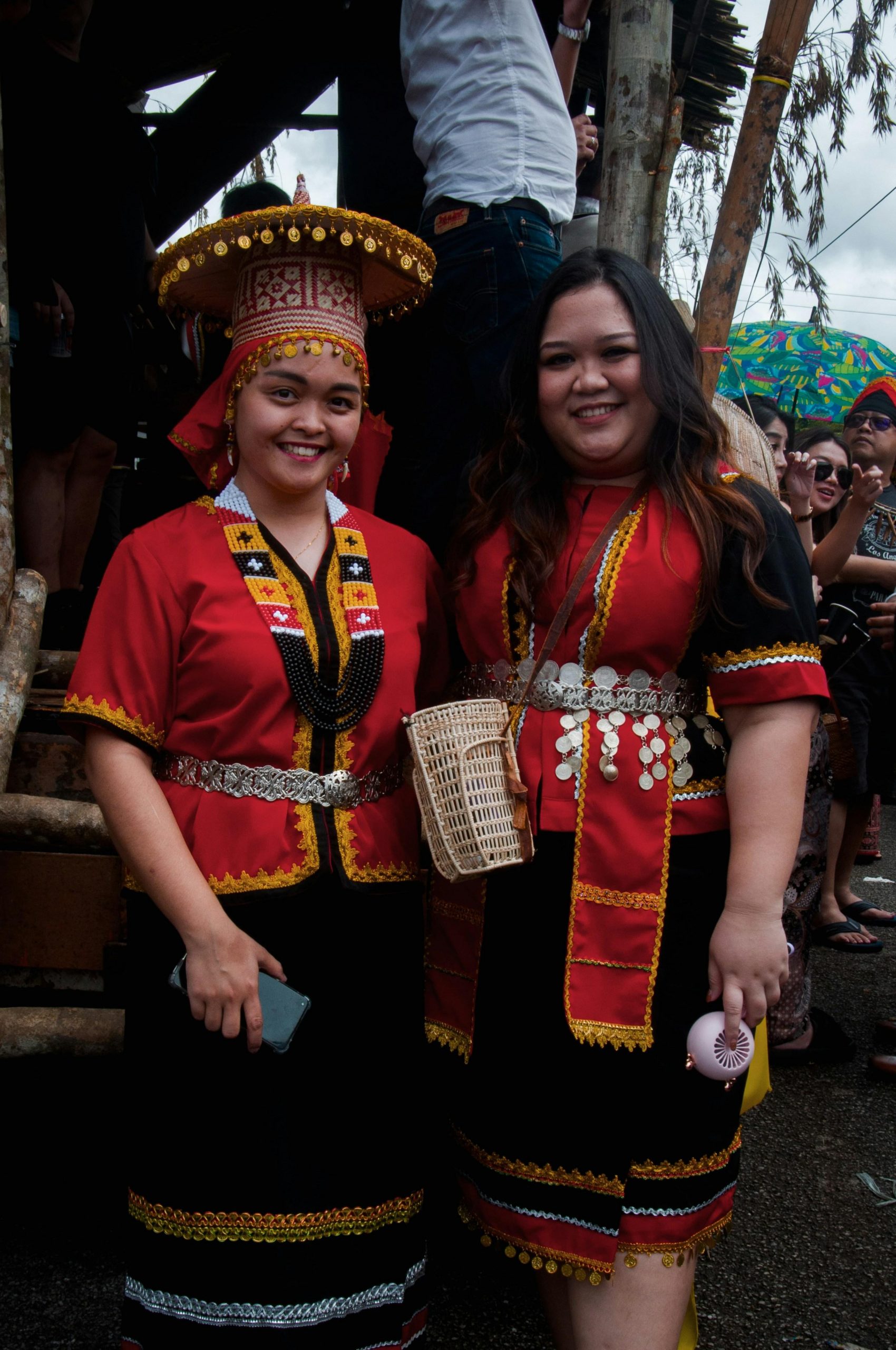
The Dayak people of Borneo are renowned for their dazzling traditional attire, which vividly illustrates their rich cultural tapestry. Their garments, often handcrafted with intricate beadwork and vibrant natural dyes, tell stories of ancient tribal identities and spiritual beliefs. Moreover, the textiles frequently showcase elaborate motifs inspired by nature, such as the hornbill and the rainforest, symbolizing protection and harmony.
Craftsmanship plays a pivotal role in Dayak culture, especially in weaving and beadwork. The expert artisans employ age-old techniques, passed down through generations, to create textiles and accessories that are both beautiful and meaningful. Travelers passionate about handmade crafts will find visiting local workshops during the dry season rewarding, as artisans are more available to demonstrate the weaving process and answer questions.
For families and solo explorers keen to capture the essence of Dayak heritage, the best time to visit is during festival months when locals don their finest outfits. Photographers should bring versatile lenses to capture both detailed close-ups of beaded designs and vibrant group scenes at cultural ceremonies. Remember to respect the privacy and traditions of the communities by asking permission before taking pictures. To fully experience this vivid culture, consider booking one of the tours that include visits to indigenous villages, where you can witness traditional craftsmanship firsthand.
Dayak costumes are typically made from natural fibers like bark cloth and cotton, enhanced with nature-inspired dyes harvested from the rainforest. However, modern influences have introduced synthetic materials, making it vital to seek out authentic pieces crafted with ancestral methods. When purchasing souvenirs, look for items certified as genuine Dayak-made to support local artisans and preserve their cultural legacy.
Moreover, the colorful bead necklaces, belts, and headdresses often indicate social status and tribal affiliation, making each costume a unique cultural statement. Travelers interested in learning about symbolic patterns can gain deeper insight by visiting museums or cultural centers in towns like Kuching and Pontianak. Don’t miss the chance to explore these regions, and remember to book your flights early during peak travel periods.
To enhance your journey into Dayak heritage, hiring a local guide can make all the difference. Guides provide context, translate local stories, and ensure immersive interactions. Before setting off, especially in the rainy season, arrange a reliable car rental to navigate rugged terrain comfortably and safely.
By embracing the vibrant artistic traditions of Borneo’s Dayak people, travelers open doors to unique cultural experiences that resonate long after the trip ends. Start planning now and let these colorful expressions enrich your adventure. Secure your stay with trusted hotels nearby to immerse fully in this captivating world.
Unveiling the Mystical Ceremonies and Spiritual Beliefs that Define Dayak Culture
The Dayak people’s spiritual life is intricately woven into their daily existence through vibrant ceremonies. Rituals like the Gawai Dayak harvest festival celebrate gratitude for nature’s bounty and mark new agricultural cycles. During this time, intricate dances, traditional music, and elaborate costumes immerse visitors in a deep connection to the earth and community, offering a spectacular cultural experience.
Additionally, Dayak beliefs emphasize the presence of spirits in natural elements such as rivers, trees, and mountains. These sacred entities are honored through offerings and prayers, intended to maintain harmony between humans and the unseen world. Therefore, travelers should approach these customs with respect, as participation often requires understanding local etiquette and sometimes, permission from village elders.
For families traveling with children, witnessing these ceremonies can be profoundly educational, showing how spirituality shapes identity. Solo adventurers may find profound personal reflection amid the tranquil surroundings of ritual sites, whereas photographers will appreciate the vivid colors and dynamic movements that encapsulate these sacred moments. Plan visits during the dry season for easier access and clearer skies, but bear in mind that off-peak periods often provide a more intimate glimpse without large crowds. Don’t miss booking traditional experience tours to maximize your cultural immersion and support local communities. Explore exclusive Dayak tours here.
To truly grasp Dayak spirituality, one must understand the meaning behind their ancestral tattoos and crafts. These designs are not merely decorative; they carry stories of protection, history, and personal achievement. Artisans still create these symbols following age-old techniques; therefore, visiting their workshops reveals insights into the symbolic language embedded in every carving and weave.
Moreover, Dayak belief in the afterlife influences elaborate funeral rites, where spirits are guided safely to the next realm. These events can last several days and feature music, storytelling, and communal feasts, highlighting the community’s reverence for continuity and memory. When planning to attend, booking accommodations near cultural hubs like Kapuas Hulu helps secure comfort and convenience amid these seasonal gatherings. Check the best hotel options beforehand.
In sum, embracing the Dayak’s mystical ceremonies offers more than sightseeing-it is a gateway to understanding a rich philosophical world. For thorough exploration, consider combining cultural visits with journeys through Borneo’s lush landscapes, where nature and spirituality intertwine. Flights and car rentals are advisable to optimize your itinerary and access remote villages with ease. Reserve your flights and car rental today to begin this extraordinary adventure.
A Food Lover’s Guide to Authentic Dayak Cuisine and Festive Feasts
The Dayak people offer a culinary experience steeped in tradition, where every dish tells a story of their deep connection with the rainforest. Their meals often feature wild herbs, freshwater fish, and jungle fruits, making the flavors earthy yet vibrant. Sampling local favorites like daun ubi tumbuk (pounded cassava leaves) or lulun (fermented banana leaf-wrapped rice) reveals the ingenuity in using native ingredients.
When visiting during festival seasons, you’ll encounter lavish feasts that showcase community spirit and reverence for nature. These celebrations highlight elaborate preparations, often lasting hours or days, with dishes served communally. Therefore, taking part in one of these festive gatherings provides a unique chance to engage with the culture beyond typical meals, especially for families seeking authentic learning experiences.
For travelers keen to capture every flavor and moment, consider booking a guided tour. It offers insider access to hidden kitchens and cooking classes, allowing you to delve deeper into Dayak gastronomy. Photographers benefit during the dry season, when vibrant food colors contrast perfectly with the lush jungle backdrops. Remember to plan your trip accordingly for the best cultural immersion and photographic opportunities by checking reliable resources for flights and accommodation.
Explore guided Dayak tours for food lovers here to enrich your journey. Need a comfortable stay? Find the perfect hotels here.
Tips for Respectful and Meaningful Engagement with Dayak Communities
Engaging with Dayak communities requires a deep respect for their traditions and daily lives. Before visiting, take time to learn about their cultural practices to avoid unintentional offense. Moreover, always ask permission before photographing people or sacred sites, since privacy is highly valued in many villages.
When planning your visit, consider the best season to engage meaningfully. During festive periods like Gawai Dayak, interactions bring lively communal celebrations, perfect for families and photographers seeking vibrant scenes. However, the off-season offers quieter moments for solo travelers looking to connect more personally with elders and artisans without large crowds.
Communication is key, so try to use simple greetings or basic Dayak phrases-locals appreciate the effort. Furthermore, support local economy by purchasing handmade crafts directly from artisans. To fully experience the region, book guided tours that emphasize cultural exchange and ethical interaction, ensuring your visit positively impacts the community [tours]. For comfortable stays that respect local values, explore accommodations that prioritize eco-friendly practices [hotels].
What are some unique cultural rituals of the Dayak people in Borneo?
The Dayak people practice several distinct cultural rituals, including elaborate tattooing traditions, vibrant harvest festivals, and traditional longhouse ceremonies. These rituals often celebrate community bonds, nature, and ancestral spirits, offering travelers a rich cultural experience.
When is the best time to experience Dayak festivals in Borneo?
The best time to witness Dayak festivals is typically during the Gawai Dayak Harvest Festival, held annually on June 1st and 2nd. This vibrant event features traditional music, dance, and feasting, making it an ideal opportunity to immerse yourself in Dayak culture.
How can travelers respectfully participate in Dayak cultural rituals?
Visitors should always ask for permission before joining any rituals and show respect for local customs. It helps to dress modestly, listen carefully to guides, and avoid taking photos during sacred moments unless invited. Building genuine connections with locals enriches the experience.
Why are Dayak tattoos important in their culture?
Dayak tattoos are more than body art; they symbolize identity, protection, and life achievements. Traditionally, each design carries specific meanings linked to the wearer’s heritage and spiritual beliefs, reflecting a deep connection to their ancestors and nature.
Where to Go From Here
As we wrap up our journey into the fascinating world of Borneo’s Dayak people, it’s clear that their cultural rituals offer much more than just tradition-they’re vibrant expressions of community, identity, and connection to nature. Exploring these unique customs not only deepens our appreciation for the Dayak but also reminds us of the rich tapestry of human culture waiting to be discovered. If you ever have the chance to visit Borneo, take a moment to witness these rituals firsthand-you’ll leave with stories and memories that stay with you for a lifetime. Until next time, happy exploring!