

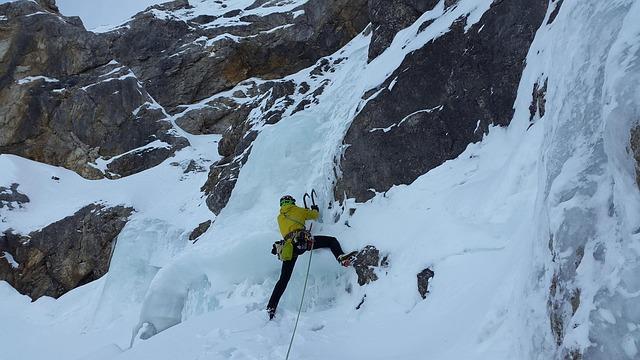
If you’re a seasoned adventurer with a passion for pushing your limits, ice climbing offers an exhilarating challenge like no other. There’s something truly magical about scaling frozen waterfalls and icy cliffs, testing your skills against nature’s toughest elements. But finding the perfect spot to get your adrenaline pumping can be a bit tricky. Whether you crave remote wilderness or iconic vertical playgrounds, we’ve rounded up some of the top extreme ice climbing spots that will have you reaching new heights-literally! So grab your ice axes and crampons, and let’s explore the best destinations for your next frosty expedition.
Table of Contents
- Top Destinations That Challenge Even the Most Experienced Climbers
- What Makes These Ice Climbing Spots Truly Extreme and Unforgettable
- Insider Tips for Tackling the Toughest Ice Walls Safely
- Essential Gear and Preparation Advice for Your Next Ice Climbing Adventure
- Closing Thoughts for Adventure Travelers
Top Destinations That Challenge Even the Most Experienced Climbers
Few places on Earth test ice climbers like the jagged peaks of Alaska’s Ruth Gorge. This dramatic landscape offers walls of glistening blue ice that tower for hundreds of feet. Expert climbers will face varied challenges here, from vertical icefalls to mixed routes combining rock and ice. However, novices and families should avoid this region during winter; instead, consider guided summer treks along safer trails nearby. Photographers will find plenty of breathtaking vistas early in the morning light, so plan accordingly with durable gear and warm clothing. For seasoned adventurers, booking guided excursions through tours ensures safety and access to the best lines.
Europe’s Swiss Alps present another iconic arena for extreme ice climbing, blending alpine adventure with rich cultural surroundings. The Wetterhorn and Eiger ice routes are legendary for their technical difficulty and unpredictable weather. Yet, during the off-season, many lower-altitude climbs become accessible for less experienced climbers or families with older children. Therefore, timing your trip carefully will maximize both enjoyment and safety. Moreover, consider booking accommodations in nearby villages early via hotels to secure cozy lodgings after long days on the ice. Solo travelers can also find local climbing communities for support and camaraderie in the winter months.
In Asia, the frozen waterfalls of Hokkaido, Japan provide a unique combination of serene beauty and serious climbs. These crystal-clear cascades, set against snowy forests, attract climbers looking for something different from the typical mountain vista. For photographers, the contrast between frozen water and vibrant evergreens offers striking images, especially during sunrise and sunset. Families should stick to well-marked paths and avoid the more vertical sections, but expert climbers will find world-class challenges. If you plan to explore Japan’s winter wilderness, secure flights and car rentals early through flights and car rentals to navigate remote areas comfortably. Don’t miss the chance to book a tour for guided access to hidden ice falls that often go unnoticed by casual visitors.
What Makes These Ice Climbing Spots Truly Extreme and Unforgettable
What sets these ice climbing destinations apart is their combination of stunning natural beauty and the sheer physical demands they impose. Many routes feature towering frozen waterfalls and steep, icy cliffs that change with the seasons. Therefore, climbers face not only extreme cold and technical challenges but also unpredictable ice conditions that require sharp instincts and constant adaptation.
Moreover, these spots often exist in remote locations far from standard amenities, adding layers of logistics and survival skills to the adventure. For solo climbers, this isolation enhances both the thrill and the risk, necessitating careful planning and communication tools. Families or less experienced groups might prefer guided tours that offer support, safety, and expert guidance through the harsh environment.
Additionally, seasonality plays a pivotal role in how intense and unforgettable these climbs become. Early winter might bring more fragile ice, while deep winter offers thick, stable formations but harsher weather. Photographers should consider visiting just before sunrise or twilight when natural light dramatically illuminates the glaciers and ice walls. If you want to experience these unique moments, consider booking your next trip through trusted tours to secure the best guides and locations.
The physical aspect is only one piece of the puzzle; mental resilience and flexibility are equally crucial. Climbers must be prepared to deal with unexpected shifts-whether that’s sudden snowfall, ice breaking away, or rapidly dropping temperatures. Because of this, packing the right gear, such as insulated clothing and robust climbing equipment, is paramount, especially for those venturing off season when conditions can become severe quickly.
If you’re planning to visit a top extreme ice climbing destination, arranging flights and accommodations well in advance is advisable, as these remote areas often have limited options. For those aiming to explore multiple spots in one trip, renting a car offers flexibility to adapt routes and timings based on weather forecasts. Explore available hotels and car rentals early to ensure smooth travel.
Here’s a quick checklist to remember before you embark:
- Research seasonal ice and weather patterns carefully.
- Choose guided tours if you’re new or traveling with family.
- Invest in high-quality climbing gear and warm clothing.
- Prepare for limited facilities and long travel times.
- Capture your journey during golden or blue hours for stunning photos.
Ready to challenge yourself and witness ice like never before? Start planning your extraordinary expedition today with expert tours and secure your adventure now.
Insider Tips for Tackling the Toughest Ice Walls Safely
Facing the steepest ice walls demands more than just strength and stamina. Proper equipment selection is crucial; make sure your ice tools and crampons are well-maintained and suited to the specific ice conditions you expect to encounter. Moreover, layering your clothing for both insulation and mobility ensures you stay warm without feeling restricted, especially during long climbs in frigid environments.
Knowing how to read ice formations can greatly enhance not only your efficiency but also your safety. Look for signs of brittle or hollow ice, which can break unexpectedly. Therefore, assessing the structure and temperature of the ice before committing to each move helps prevent accidents and improves your climbing strategy.
For families or those new to these challenges, it’s wise to start with guided climbs where expert support is available. Solo adventurers might consider timing their excursions during off-peak seasons to avoid crowds and capitalize on more consistent ice conditions. Photographers aiming to capture the perfect shot should plan their approach during early morning light and bring extra batteries, as cold weather often drains power quickly.
To enhance your journey, consider booking a guided tour to gain on-site advice and maximize safety protocols. For comfortable stays near prime climbing spots, check out the latest hotels available. When planning your trip, don’t forget to secure your flights and car rentals early for the best deals and smoother logistics.
Essential Gear and Preparation Advice for Your Next Ice Climbing Adventure
Before setting off on your ice climbing expedition, ensure you have the right equipment tailored to the environment and your experience level. This includes sturdy crampons for secure footing, adjustable ice axes designed for various grip styles, and helmets that protect against falling ice shards. Moreover, layering your clothing is crucial; start with moisture-wicking base layers, followed by insulated mid-layers, and finish with a waterproof and windproof outer shell to shield against harsh winds and temperature drops.
Preparation must extend well beyond gear selection. For families or those new to icy terrains, practicing on less challenging slopes or indoor climbing walls can boost confidence and skills safely. Solo adventurers should carry GPS devices and emergency communication tools, as weather conditions can change rapidly, making orientation difficult. Photographers will benefit from extra batteries and protective casings, as cold temperatures often drain power quickly and can damage delicate equipment.
Seasonal considerations dramatically influence what to pack and how to prepare. In peak winter, heavier, insulated boots and additional thermal socks will enhance warmth, while during off-peak seasons, lighter layers and flexible gloves might suffice. Before booking flights or arranging car rentals, check recent weather reports and local guides’ tips for unexpected trail closures or avalanche warnings. To ensure a smooth trip, explore tailored options for booking tours and hotels well in advance.
Essential ice climbing gear checklist:
- Crampons and adjustable ice axes
- Helmet and gloves suitable for cold climates
- Layered clothing with moisture-wicking and insulating properties
- GPS, emergency beacon, or satellite phone
- Extra batteries and protective camera equipment
Maximize your adventure by booking the right flights early on, and don’t forget to arrange reliable car rentals to reach remote climbing spots comfortably and safely.
What are the best destinations for extreme ice climbing worldwide?
Top spots include the Canadian Rockies, the Dolomites in Italy, and Ouray Ice Park in Colorado. Each location offers unique challenges and stunning scenery for experienced climbers seeking thrilling routes. These destinations combine accessibility with technical difficulty, making them favorites among seasoned adventurers.
How should I prepare physically and mentally for extreme ice climbing?
Preparation involves building strength, endurance, and technical skills through regular training and practice climbs. It’s also essential to develop mental toughness, as extreme ice climbing demands focus and calm under pressure. Additionally, consider guided courses to refine your technique before tackling challenging routes.
What safety gear is crucial for extreme ice climbing?
Key equipment includes crampons, ice axes, helmets, harnesses, and ropes. Furthermore, wearing layered clothing and carrying avalanche safety tools like beacons and probes enhances security. Proper gear ensures you can navigate dangerous terrain while minimizing risks.
When is the best time of year to go extreme ice climbing?
The prime season usually runs from late December through February, depending on the region. During this time, conditions are cold enough for stable ice, but it’s wise to check local weather trends and ice reports for optimal safety. Early or late season climbs can be unpredictable and more hazardous.
Can beginners attempt these extreme ice climbing spots, or are they only for experts?
These locations are primarily suited for experienced climbers due to the technical difficulty and risk involved. However, beginners can enjoy guided climbs or easier routes nearby to build skills safely. It’s important to progress gradually and seek professional instruction before attempting extreme climbs.
Closing Thoughts for Adventure Travelers
There you have it-some of the coolest and most challenging ice climbing spots that seasoned adventurers should definitely add to their bucket list. Whether you’re looking to test your skills on towering frozen waterfalls or explore icy mountain faces surrounded by breathtaking views, these destinations offer the perfect blend of adrenaline and awe. Remember, extreme ice climbing isn’t just about conquering the ice; it’s about embracing the thrill, respecting the environment, and making unforgettable memories along the way. So gear up, stay safe, and get ready to carve your path on nature’s most stunning frozen giants. Until next time, happy climbing!