

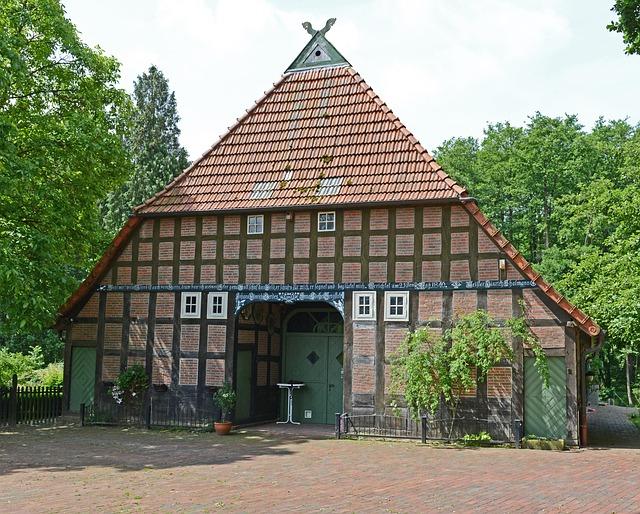
If you’ve ever wandered through a picture-perfect village in Germany, you’ve likely been captivated by those charming, intricate houses with wooden beams crisscrossing their facades. This is Germany’s beloved timber framing tradition-a craft that dates back centuries and continues to add a storybook charm to towns big and small. In this blog, we’ll dive into the history, unique techniques, and why these beautifully framed buildings remain an enduring symbol of German heritage. Whether you’re a history buff, architecture enthusiast, or simply a lover of quaint travel destinations, get ready to discover the magic behind Germany’s timber framing tradition!
Table of Contents
- The Rich History Behind Germany’s Timber Framing Art
- Exploring Iconic Timber-Framed Towns Worth Visiting
- How Timber Framing Shapes German Culture and Architecture
- Tips for Experiencing Authentic Timber-Framed Homes and Tours
- Wrapping Up: Ultimate Travel Lessons
The Rich History Behind Germany’s Timber Framing Art
Dating back over 1,000 years, Germany’s timber framing is a masterful blend of craftsmanship and history. This architectural style began as a practical solution, using readily available wood to build sturdy homes. Over centuries, it evolved into a treasured art form, showcasing intricate designs that reveal regional identities and centuries-old building techniques.
Each timber-framed building tells a unique story, often reflecting the prosperity and culture of its era. The exposed wooden beams frame plaster or brickwork, often arranged in geometrical patterns such as herringbone or diagonal crosses. These features not only enhance structural integrity but also add to the street’s aesthetic charm, particularly in towns like Rothenburg ob der Tauber and Quedlinburg.
For families visiting during the summer, exploring these villages offers a fun, educational experience where kids can learn about medieval life and traditional crafts. Solo travelers and photographers will appreciate the quieter off-season months, when soft winter light highlights the timeless facades without crowds. Moreover, booking guided tours allows all kinds of visitors to dive deeper into stories behind the beams-secure your spot here for immersive experiences. Planning accommodation nearby can enhance your trip too; check out our top-rated hotels for easy access.
Exploring Iconic Timber-Framed Towns Worth Visiting
Among Germany’s many enchanting towns, Quedlinburg stands out with its more than 1,000 half-timbered houses, some dating back to the 14th century. This UNESCO World Heritage town offers narrow cobbled streets perfect for leisurely strolls, while its diverse architecture provides breathtaking photo opportunities. For families, the cobblestone paths are manageable with strollers, and during spring, the blooming gardens add vibrant colors to this historical setting.
Further south, Rothenburg ob der Tauber enchants visitors with its well-preserved medieval walls and charming timber-framed buildings bursting with colorful facades. The town’s Christmas market is legendary, transforming the town into a winter wonderland and ideal for travelers seeking festive experiences. If you visit off-season, enjoy quieter streets and local cafes, making it perfect for solo adventurers to soak in the authentic atmosphere without the crowds.
Meanwhile, Tübingen blends traditional timber craftsmanship with youthful energy thanks to its university population. This town is great for those who appreciate culture and history mingling with vibrant street life. Moreover, nature lovers can explore the Neckar River by boat or hike nearby trails, while autumn offers a cozy ambiance with golden leaves enhancing the half-timbered charm. Book your accommodation early during peak months to secure the best locations close to the old town’s core via hotels.
For a detailed exploration, consider guided routes that highlight historical insights and hidden gems. Many local tours include visits to workshops where artisans still practice centuries-old woodworking skills. Whether you prefer guided group experiences or discovering places at your own pace, selecting the right tour can deepen your understanding and appreciation-check out curated options here.
How Timber Framing Shapes German Culture and Architecture
Timber framing is more than just a construction method in Germany; it is a vibrant symbol of history and craftsmanship that continues to influence cultural identity. These wooden frameworks, often visible on the building exteriors, tell stories of medieval life, regional artistry, and traditional skills passed down for centuries. Walking through towns adorned with half-timbered houses, visitors instantly feel connected to a longstanding heritage that shapes the atmosphere and character of many German communities.
The influence of this building style extends beyond mere aesthetics. It impacts urban planning and social gatherings, as these timber-framed homes often cluster around squares and marketplaces, encouraging neighborhood interaction and festivals. Moreover, seasonal celebrations like Christkindlmarkt come to life against these authentic backdrops, enhancing the festive spirit and attracting tourists eager to capture genuine moments. Therefore, understanding timber framing offers a deeper appreciation for the way German towns merge architecture with everyday social life.
Travelers seeking to explore this tradition can plan around different experiences depending on their interests. Families might enjoy calm rural areas where traditional workshops allow hands-on activities and storytelling sessions. Solo travelers focused on photography will find early mornings best, as soft sunlight beautifully highlights the timber details and colorful facades. For those visiting during the off-season, autumn and winter offer quieter scenes and the chance to stay in hotels housed within historic structures-book your cozy stay here to immerse fully in the ambiance. Don’t miss booking a guided tour to learn much more about each region’s unique timber style via these tours!
Tips for Experiencing Authentic Timber-Framed Homes and Tours
Exploring timber-framed homes during different seasons offers unique experiences. In spring and summer, lush gardens and blooming flowers highlight the intricate wooden carvings, creating perfect scenes for photographers and families alike. However, autumn cloaks villages in warm hues, making early evenings ideal for cozy guided tours that reveal the craftsmanship behind these structures. For solo travelers, off-season visits grant a quiet atmosphere where one can deeply appreciate the architecture without crowds, though some homes may be closed for the winter months.
To enrich your experience, consider joining local heritage tours that include skilled guides familiar with timber-framing history. These experts often share stories about construction techniques, cultural significance, and restoration efforts, adding depth to your visit. Moreover, booking a package that includes nearby accommodations ensures a hassle-free stay. Travelers interested in immersive adventures should explore tours offering hands-on workshops, where you can learn traditional carpentry methods firsthand. Visit this page to book your preferred tours.
Families with children should look for tours that offer interactive elements such as storytelling sessions or craft activities, which keep younger visitors engaged. Also, renting a car gives flexibility to explore multiple villages known for distinctive styles, from the intricate Fachwerkhäuser in Hessen to the charming half-timbered houses of Bavaria. For convenience, secure your car rentals early, especially during peak tourist seasons, to avoid last-minute stress. By planning well, you ensure a memorable journey deeply connected to Germany’s rich timber-framing tradition.
What is timber framing and why is it important in Germany?
Timber framing is a traditional building technique using large wooden beams to create sturdy, decorative structures. In Germany, it is a cherished part of cultural heritage, showcasing centuries-old craftsmanship found in many charming towns and villages. This method not only adds character but also tells a story of the region’s history.
Where can I see the best examples of Germany’s timber-framed houses?
Some of the best places to admire timber framing are well-preserved towns like Rothenburg ob der Tauber, Quedlinburg, and Goslar. These towns feature colorful, intricate wooden buildings lining cobblestone streets, offering a perfect glimpse of traditional German architecture.
How old are most timber-framed buildings in Germany?
Many timber-framed houses in Germany date back to the 15th and 16th centuries, with some even older. Thanks to careful preservation and restoration, these historic buildings continue to stand strong and attract travelers interested in history and design.
Why do timber-framed houses often have colorful decorations?
Colorful decorations on timber-framed houses serve both aesthetic and symbolic purposes. They brighten up the structures, highlight the skilled woodwork, and sometimes reflect local traditions or family heritage, making each building unique and visually appealing.
Can I tour inside timber-framed houses, or are they private homes?
While many timber-framed houses are private residences or businesses, several museums and heritage sites open their doors to visitors. Guided tours often include inside views of these traditional homes, allowing travelers to experience the craftsmanship up close.
Wrapping Up: Ultimate Travel Lessons
And there you have it-a glimpse into Germany’s enchanting timber framing tradition! From the intricate craftsmanship to the storybook villages that seem straight out of a fairy tale, it’s clear why this architectural style continues to capture hearts worldwide. Whether you’re a history buff, an architecture enthusiast, or simply someone who loves beautiful places, exploring these timber-framed treasures is a journey well worth taking. So next time you find yourself wandering through Germany’s countryside, keep an eye out for those charming wooden beams-they’re not just structures, but a living piece of history waiting to be discovered. Happy travels!