

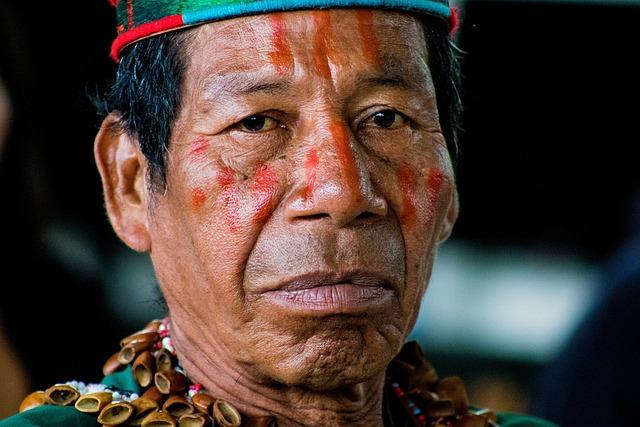
When we think about the rich tapestry of Australia, its stunning landscapes and unique wildlife often come to mind. But nestled within this vast continent is something even more profound-the vibrant and diverse world of Indigenous Australian languages. With over 250 distinct languages once spoken across the country, each one carries centuries of stories, traditions, and connections to the land. In this blog, we’re diving into why embracing and celebrating these languages is so important, not just for preserving history, but for enriching all of us with a deeper understanding of Australia’s true heritage. So, let’s explore together the beauty and significance of these incredible languages!
Table of Contents
- Celebrating the Diversity and Beauty of Indigenous Australian Languages
- Understanding the Deep Connection Between Language and Land
- Practical Ways to Support Language Revival in Your Community
- How Technology is Shaping the Future of Indigenous Language Preservation
- Wrapping Up: Ultimate Travel Lessons
Celebrating the Diversity and Beauty of Indigenous Australian Languages
The intricate tapestry of Indigenous Australian languages reflects thousands of years of culture and history. These languages are more than just communication tools; they are vessels of ancestral knowledge, identity, and ceremonies. Therefore, preserving this linguistic heritage offers insight into diverse worldviews that cannot be found elsewhere.
Visitors eager to explore this cultural richness should consider guided tours led by Aboriginal custodians. Such experiences often include traditional storytelling and language classes that highlight unique sounds and meanings. Moreover, travelers can deepen their understanding by attending cultural festivals or workshops that celebrate local dialects, especially during peak seasons when communities welcome visitors warmly.
For families and solo travelers alike, engaging with Indigenous languages provides a meaningful connection to Australia’s ancient roots. While families may enjoy interactive language games or art projects designed for children, solo adventurers might appreciate quiet moments with elders sharing songs or place names. Remember to respect cultural protocols and seek permission before recording or repeating any language elements. To make the most of your journey, book trusted tours and comfortable hotels nearby these cultural hubs.
Understanding the Deep Connection Between Language and Land
The languages spoken by Indigenous Australian communities are much more than means of communication; they are living maps deeply entwined with the land’s features and stories. Each word often reflects specific geographical details, from waterholes to sacred sites, creating a unique linguistic landscape. Therefore, learning these languages offers travelers a profound way to connect with the environment, allowing them to experience the land through the eyes of its original custodians.
Moreover, traditional languages serve as vessels for cultural knowledge, including stories about plants, animals, and seasonal changes. This connection emphasizes how Indigenous Australians understand their surroundings through an intricate, oral knowledge system. For solo explorers, embracing local language can unlock deeper insights during nature walks or guided wilderness exploration, while families may find storytelling sessions by elders enriching for their children’s cultural education.
Photographers and nature lovers can benefit by timing visits during seasonal variations, such as the blooming of native flowers or wildlife migrations, which hold significant cultural meaning in these languages. However, it’s essential to respect community protocols when engaging with Indigenous guides or participating in cultural tours. To plan your immersion thoughtfully and book respected experiences, consider exploring authentic tours that focus on language and land connections.
When visiting remote regions rich in Indigenous languages, practical travel advice can make the experience comfortable and rewarding. For example, during hotter months, travelers should pack light clothing and arrange reliable transportation, such as car rentals, to navigate vast distances between cultural sites. Conversely, visiting in cooler seasons may require layering to prepare for chilly mornings and evenings, especially if camping overnight near sacred locations.
Families exploring these regions should prioritize guided tours with knowledgeable local hosts to ensure safety and cultural sensitivity. Meanwhile, solo adventurers may benefit from flexible itineraries that allow time for quiet reflection and language learning workshops. Photographers will find early mornings ideal for capturing landscapes while sunlight highlights land features significant to Indigenous narratives. You can organize your flights and accommodations in advance to avoid last-minute hassles by checking trusted flights and hotels listings.
Travelers keen on deeper involvement with Indigenous cultures and languages should be mindful of the values embedded in these connections. Always approach local communities with respect and openness, and seek permission before recording or sharing stories. This ethical engagement supports language preservation efforts and fosters genuine cultural exchange, enhancing your journey’s meaning. Book your next adventure now, and embrace a journey that honors both language and land in extraordinary ways.
Practical Ways to Support Language Revival in Your Community
One way to help is by participating in local language workshops or community classes. These sessions often welcome learners of all ages and backgrounds. By attending, you not only improve your skills but also encourage elders and fluent speakers to share their knowledge, keeping traditions alive. Moreover, these gatherings create a supportive environment for cultural exchange and foster a deeper respect for Indigenous identities.
Volunteering for cultural events or language documentation projects is another powerful approach. Many organizations need help recording stories, songs, or conversations in Indigenous dialects to preserve them digitally. Your contribution can assist linguists and community members in building archives that future generations can access. Additionally, supporting festivals and ceremonies celebrating these languages helps raise public awareness and appreciation across broader audiences.
Families and solo travelers alike may find value in embedding these efforts into their visit plans. For example, booking guided tours led by Indigenous storytellers offers authentic learning experiences while directly benefiting local communities. Moreover, many accommodation providers now offer cultural immersion stays, which promote language use in daily settings. Before you go, consider arranging flights and car rentals to maximize your visit and make meaningful connections throughout your journey. Find suitable options for your next trip here and here.
How Technology is Shaping the Future of Indigenous Language Preservation
Modern digital tools are revolutionizing the way indigenous Australian languages are being preserved and shared. Mobile apps and interactive platforms allow speakers and learners to access rich audio recordings and vocabulary lists on the go. This technology not only offers easy access but also keeps the languages alive across generations, helping communities connect with their heritage despite distance or time.
Moreover, advanced recording devices capture detailed pronunciations and storytelling nuances that were difficult to archive before. These digital archives are becoming invaluable resources for language teachers and researchers alike. By creating virtual classrooms and online dictionaries, technology enables even isolated communities to engage in language learning at their own pace, fostering a stronger cultural identity within the younger generation.
For travelers eager to explore these linguistic traditions firsthand, guided cultural tours provide immersive experiences combined with cutting-edge preservation efforts. Booking tours that include visits to language centers or interaction with elder storytellers can deepen one’s understanding and respect for these rich cultural expressions. To fully appreciate this heritage, consider arranging your accommodation early through trusted hotels or securing flights and transportation in advance to support smooth, meaningful journeys.
What makes Indigenous Australian languages so important to the culture?
Indigenous Australian languages carry deep cultural knowledge and stories passed down through generations. They connect people to their land, history, and identity, preserving traditions that are central to Australia’s rich heritage. Embracing these languages helps sustain cultural diversity and respect.
How many Indigenous languages are still spoken in Australia today?
There are around 120 Indigenous Australian languages still spoken today, though many are endangered. Efforts are underway to revive and maintain these languages through community programs, education, and technology, ensuring future generations can learn and appreciate them.
Can travelers learn some Indigenous words or phrases when visiting Australia?
Absolutely! Many Indigenous communities welcome travelers eager to learn about their languages and culture. Common greetings or simple phrases can often be explored through guided tours, cultural centers, or language workshops, making your visit more meaningful and respectful.
Why should visitors respect Indigenous languages when traveling in Australia?
Respecting Indigenous languages acknowledges the cultural significance and struggles faced by Aboriginal and Torres Strait Islander peoples. It fosters mutual understanding, supports reconciliation, and enhances the travel experience by deepening your connection to Australia’s diverse cultural landscape.
Wrapping Up: Ultimate Travel Lessons
As we reflect on the beauty and depth of Indigenous Australian languages, it’s clear that embracing them is more than just preserving words – it’s about honoring stories, connections, and ways of seeing the world that have thrived for tens of thousands of years. By learning, listening, and celebrating these languages, we not only enrich our own understanding but also contribute to protecting a vibrant cultural heritage that belongs to all of us. So whether you’re starting with a simple greeting or diving deeper into the nuances of a specific language, every step counts. Let’s keep the conversation going and keep these voices alive for generations to come!