

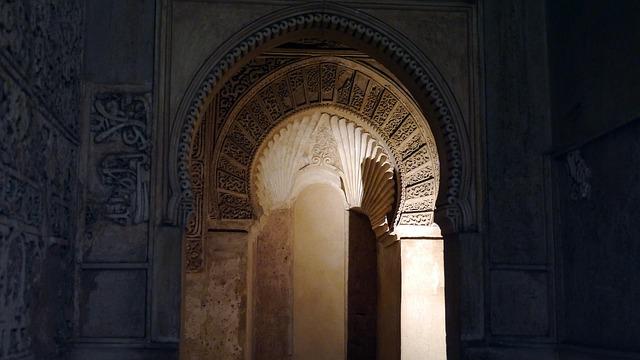
Nestled in the sun-kissed hills of southern Spain, Granada is a city where history and beauty dance together in perfect harmony. If you’ve ever been curious about the enchanting world of Islamic art and culture, Granada is your gateway to a magical journey. From the intricate tilework and soaring arches of the Alhambra to the vibrant traditions that still thrive in the city’s streets, this captivating place offers a unique glimpse into a rich cultural tapestry woven centuries ago. Join me as we explore the wonders of Islamic art and culture in Granada – a story of creativity, spirituality, and timeless beauty that continues to inspire visitors from around the globe.
Table of Contents
- Discovering the Timeless Beauty of the Alhambra Palace
- Unveiling the Rich Symbolism Behind Islamic Geometric Patterns
- A Culinary Journey Through Granada’s Moorish Influences
- Top Spots to Experience Authentic Islamic Art and Culture in the City
- Summary of the Ultimate Adventure Experiences
Discovering the Timeless Beauty of the Alhambra Palace
Step inside the Alhambra, a breathtaking example of Nasrid architecture, and you’ll encounter dazzling mosaics, delicate stucco work, and intricately carved wooden ceilings. This fortress-palace complex, perched on a hill overlooking Granada, invites visitors to wander through royal courtyards surrounded by tranquil reflective pools. For photographers, morning light enhances the warm tones of red sandstone, creating a magical atmosphere that captures the essence of this historic monument.
Visiting during the off-season months, typically November to February, offers a peaceful experience with fewer crowds and more time to absorb the palace’s intricate beauty. Families will appreciate guided tours specially designed to engage children with storytelling and interactive exhibits. Solo travelers should consider early morning tickets to enjoy cooler temperatures while exploring gardens like the Generalife, where fragrant flowers and fountained pathways create a serene escape.
For those keen on a deeper exploration, booking a comprehensive guided tour is highly recommended. These experiences often include access to restricted areas and detailed insights into Islamic art and culture, enhancing your appreciation of the palace’s symbolic elements. Moreover, pairing your visit with nearby hotels ensures maximum convenience. Don’t miss the chance to book your Alhambra tours and hotels well in advance to secure the best options for your desired travel dates.
Unveiling the Rich Symbolism Behind Islamic Geometric Patterns
Islamic geometric patterns are much more than decorative art; they are a profound expression of spirituality and intellect. These intricate designs use repeating shapes like stars and polygons to symbolize the infinite nature of creation, reflecting the belief in a universe governed by order and unity. Moreover, the patterns avoid depicting living beings, instead focusing on abstract motifs that encourage contemplation and connection to the divine.
Crafted with mathematical precision, these patterns embody the harmony between science and faith. The symmetries and ratios reveal a deep knowledge of geometry, suggesting that beauty in Islamic art arises from balance and logic. For travelers interested in cultural insights, observing these motifs in Granada’s Alhambra or the Generalife gardens offers a unique glimpse into how art and spirituality blended during the Nasrid dynasty-a perfect activity for solo explorers and history buffs alike.
Families and photographers will also delight in discovering these patterns framed within mosques, palaces, and public fountains throughout the city. To fully appreciate their complexity, visit early mornings or late afternoons when soft natural light highlights the textures and shadows. During off-peak seasons, smaller crowds make it easier to take your time admiring every detail, so consider booking your tours now to avoid busy periods and immerse yourself fully in this magical artistic heritage.
A Culinary Journey Through Granada’s Moorish Influences
Granada’s culinary scene is a vibrant tapestry woven from centuries of Moorish heritage and Mediterranean flavors. The use of aromatic spices such as saffron, cumin, and cinnamon reflects the profound Islamic influence that shaped local cuisine. Visitors will notice how ingredients like almonds, dried fruits, and fresh herbs create dishes bursting with rich, layered tastes not commonly found elsewhere in Spain.
Sampling traditional Moorish-inspired foods offers an immersive way to understand Granada’s cultural history. For families or those new to this cuisine, dishes like tagena (slow-cooked stews with lamb and apricots) provide a mellow introduction to exotic flavors. More adventurous eaters, particularly solo travelers or food photographers, should seek out local markets, where colorful displays of olives, preserved lemons, and spices make for excellent photo ops and rich discoveries.
Season plays a crucial role in experiencing Granada’s unique food culture. During spring and summer, try light mezze platters featuring fresh chickpeas, they suit the warmer weather perfectly. However, in cooler months, heartier fare such as spiced lamb tajines will warm the body and soul. To explore these specialties fully, book a guided culinary tour tailored to season and personal tastes-they often include visits to historical sites alongside meal stops for a deeper understanding. Don’t forget to reserve your spot on delicious GranadaTour experiences.
For travelers eager to dive into traditional flavors, consider visiting local bakeries where you can taste mantecados and marzipan sweets, ancient recipes influenced by Moorish confectionery techniques. Moreover, small restaurants in the Albaicín neighborhood offer authentic dishes prepared from family recipes passed down through generations. Whether you’re craving rich syrups or fragrant, savory bites, embracing this cuisine is an excellent way to connect with Granada’s fascinating past. Start planning your culinary trip and secure hotels early to ensure proximity to key dining districts.
Understanding this rich culinary heritage enriches every bite while wandering Granada’s charming streets. Combining excellent food with the city’s mesmerizing Islamic art and architecture makes for a perfectly balanced cultural adventure. If you need transportation, look into car rentals to reach hidden gems beyond the main tourist routes easily. Explore the magic of Granada step-by-step-one delicious dish at a time.
Top Spots to Experience Authentic Islamic Art and Culture in the City
Granada houses some of the most breathtaking examples of Islamic art, where intricate geometric patterns and colorful tilework come alive. One must-visit site is the famous Alhambra Palace, a stunning fortress and palace complex that showcases exquisite arabesque designs, lush gardens, and elaborate calligraphy. For families, visiting during weekdays in spring or fall offers a quieter, more comfortable experience to admire the detailed mosaics without the crowds.
For travelers keen on exploring beyond famous landmarks, the Albayzín neighborhood provides a rich cultural tapestry with its narrow winding streets and traditional Moorish architecture. Solo adventurers and photographers will find endless inspiration capturing the interplay of light and shadows on ancient walls and hidden courtyards. Moreover, the vibrant local artisan shops here sell handcrafted ceramics, textiles, and jewelry, making it ideal for finding unique souvenirs.
To fully immerse yourself in Granada’s Islamic heritage, visiting the Royal Chapel Mosque-Madrasa is highly recommended. This less-visited spot offers insight into the spiritual and intellectual history of the region, featuring elegant horseshoe arches and intricately carved woodwork. Due to its smaller size, it is perfect for those traveling off-season or with limited time. Remember to book your guided tour in advance, as knowledgeable guides enrich your visit by unveiling stories behind each artistic detail. Consider securing your accommodation early at quality hotels nearby for easy access.
What makes Islamic art in Granada so unique and special?
Islamic art in Granada is renowned for its intricate geometric patterns, vibrant tile work, and detailed calligraphy. Influenced by centuries of Moorish culture, it blends architecture, decoration, and craftsmanship in a way that creates a truly magical atmosphere, especially in landmarks like the Alhambra.
Where can I experience the best examples of Islamic culture in Granada?
The best spots to explore Islamic culture include the Alhambra palace, the Generalife gardens, and the historic Albaicín neighborhood. These sites showcase stunning architecture, lush gardens, and rich history that bring Moorish traditions to life for visitors.
How does Granada’s Islamic heritage influence its modern culture today?
Granada’s Islamic heritage continues to shape its art, music, and festivals, enriching local traditions with a blend of past and present. Today, you’ll find cultural events, crafts, and culinary experiences inspired by this historic legacy, keeping it alive in everyday life.
Can I join guided tours to learn more about Islamic art and culture in Granada?
Yes, many guided tours are available that focus on Islamic art and history. These tours often include visits to iconic sites and provide expert insights, making it easier to appreciate the depth and beauty of Granada’s Moorish heritage.
Summary of the Ultimate Adventure Experiences
As we wrap up our journey through the enchanting world of Islamic art and culture in Granada, it’s clear that this city is much more than just a travel destination – it’s a living tapestry of history, creativity, and spirit. From the intricate tilework of the Alhambra to the soulful rhythms echoing through its streets, Granada invites us to pause, appreciate, and connect with a rich cultural legacy that still thrives today. Whether you’re an art lover, a history buff, or simply a curious traveler, exploring Granada’s Islamic heritage promises to leave you inspired and deeply moved. So next time you plan a trip, let Granada’s magic be your guide – it’s a story worth experiencing firsthand!