

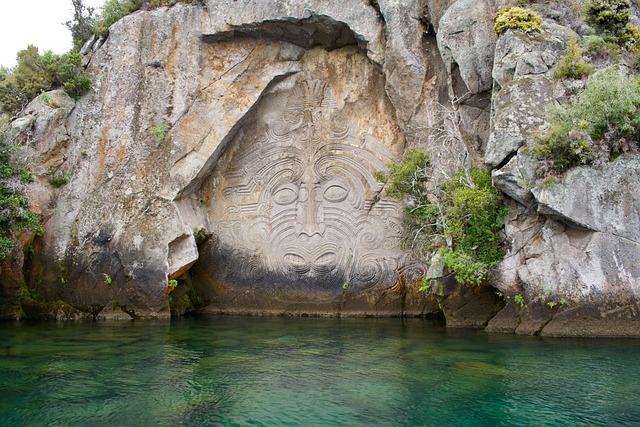
If you’ve ever watched a New Zealand rugby match or attended a cultural festival, you’ve probably witnessed the powerful and electrifying performance of the haka. More than just a dance or a war cry, the haka is a vibrant expression of Maori heritage that echoes through Kiwi culture today. But why does this traditional Maori chant still hold such a special place in the hearts of New Zealanders? In this post, we’ll explore the deep roots of the haka, its evolving significance, and why it continues to inspire pride and unity across the country. Whether you’re a longtime fan or new to this fascinating tradition, join me as we uncover what makes the haka truly matter in Aotearoa’s modern story.
Table of Contents
- The Living Heartbeat of Maori Tradition in Modern New Zealand
- How the Haka Builds Community and Strengthens Identity
- Understanding the Haka’s Role in Sports and National Celebrations
- Ways to Respectfully Engage with the Haka in Everyday Life
- Key Learnings from Our Adventure Guide
The Living Heartbeat of Maori Tradition in Modern New Zealand
The haka is much more than a traditional war dance; it embodies the passionate spirit and resilience of Māori culture, bridging history and contemporary life. This powerful performance serves as a vibrant reminder of Māori identity, often showcased at sporting events, cultural ceremonies, and community gatherings. Consequently, it reinforces a shared sense of pride and unity among New Zealanders, while educating visitors about rich indigenous traditions.
In everyday Kiwi culture, the haka plays a crucial role in welcoming guests and honoring important moments. For travelers, witnessing or participating in a haka offers an unforgettable way to connect with local experiences beyond typical sightseeing. Families visiting during summer festivals can enjoy interactive performances that invite children to learn the chants and movements, making cultural immersion both fun and meaningful.
Photographers and solo travelers often find the haka captivating for its intense energy and dramatic visuals, particularly during major rugby matches featuring the All Blacks. However, if visiting in the off-season, incorporating cultural tours into your itinerary ensures you still experience this dynamic tradition firsthand. For the best trips, consider booking guided tours to gain deeper insights-secure your spot with trusted tours and find nearby hotels for convenient stays.
How the Haka Builds Community and Strengthens Identity
The Haka is more than a powerful dance; it acts as a bonding ritual that unites communities in a shared expression of pride and strength. When people perform it together, they experience a deep connection through synchronized movements and chant, which fosters a sense of belonging. This communal act transcends generations, offering both young and old a way to feel rooted in their cultural heritage.
Moreover, participating in the Haka allows individuals to embrace their identity in a physical and emotional way. Its gestures tell stories of ancestry, courage, and resilience, reminding performers and audiences alike of their shared history. For many Kiwis, engaging with the Haka cultivates self-confidence and cultural awareness, which strengthens their personal and collective identity within New Zealand society.
In practical terms, travelers can experience this cultural connection firsthand by attending local Haka performances or even joining workshops. Families might find interactive sessions especially rewarding, as children can learn about tradition in an engaging way. Solo travelers, on the other hand, benefit by deepening their appreciation of Māori culture-book a tour to witness local haka groups in action and feel that unique communal energy firsthand. Don’t miss out on booking your next adventure with us to experience this cultural treasure live! Find your ideal tours here.
Understanding the Haka’s Role in Sports and National Celebrations
The haka is much more than a striking dance; it acts as a powerful expression of identity during important sports events and national festivities. When performed before a rugby match, especially by New Zealand’s All Blacks, it serves to unify the team and intimidate opponents. Moreover, the haka showcases deep-rooted traditions that connect athletes and spectators with Maori heritage, reinforcing respect and pride across the nation.
National celebrations often include the haka to honor significant occasions or milestones. It brings communities together, highlighting collective strength and cultural richness. Families attending festivals or public events can observe the haka as a moving presentation of Maori customs, offering a vivid way to engage with New Zealand’s living history. For those visiting during public holidays or cultural days, witnessing the haka can provide unique insight and memorable moments.
For travelers interested in exploring this tradition beyond sporting arenas, several cultural tours offer immersive experiences. Whether you are a solo adventurer or part of a family group, these tours can deepen your understanding through direct interaction with local performers and storytellers. If you plan to visit during off-peak seasons, booking early is essential. To secure your spot on authentic cultural experiences, consider checking the best options for tours and convenient flights well in advance.
Ways to Respectfully Engage with the Haka in Everyday Life
Engaging with the Haka in a respectful and meaningful way demands an understanding of its rich history and cultural weight. For families visiting New Zealand, attending a guided cultural performance can be an excellent way to witness the haka authentically. These experiences often include explanations about the dance’s origins and significance, helping everyone appreciate its power without unintentionally offending the tradition.
Solo travelers and photographers should remember that the haka is a sacred expression, so capturing images or videos requires permission. However tempting it may be to snap the moment, asking beforehand shows respect and helps preserve the dignity of the performers. Moreover, embracing the opportunity to observe quietly and attentively can offer a deeper connection than simply recording the scene.
In everyday life, whether during local events or international sports matches, standing still and watching the haka with reverence is vital. Avoid mimicking the movements unless invited, as the haka carries ancestral stories and communal strength that aren’t just performances but declarations of identity. For those eager to learn more, booking a cultural tour provides a structured and respectful context to explore the haka’s meaning further – check available options for insightful tours tailored to your schedule.
When the seasons shift, it’s crucial to adapt how you engage with Māori traditions like the haka. In the peak summer months, cultural festivals become vibrant, and visitors can participate in workshops focused on Māori arts and language. These sessions often include safe, educational approaches to the haka, allowing even beginners to understand its emotional and physical intensity. Conversely, during the quieter off-season, smaller community events offer more intimate settings to experience the haka’s emotional power firsthand.
For international visitors planning their itinerary, combining cultural experiences with travel ease enriches the trip considerably. Booking accommodations near cultural centers or Māori heritage sites allows frequent immersion into the tradition without long commutes. Pair your stay with convenient flights and car rentals to ensure you can explore the depth of Kiwi culture smoothly while showing genuine respect for the haka and its custodians.
To truly honor the haka’s place in New Zealand, avoid trivializing it for entertainment. Instead, take time to listen, observe, and support authentic Māori cultural presentations. By doing so, you help keep this significant tradition alive for future generations, while enjoying one of Kiwi culture’s most profound expressions. Don’t miss your chance to connect through respectful engagement – secure your spot on an enriching cultural tour today!
What is the significance of the Maori Haka in New Zealand culture?
The Maori Haka is a powerful traditional dance that expresses pride, unity, and identity. Today, it plays a key role in both Maori and Kiwi cultures as a symbol of respect, strength, and community spirit.
Why do New Zealand sports teams perform the Haka before games?
Sports teams perform the Haka to honor Maori heritage and to challenge their opponents with a show of strength and unity. This tradition connects players to New Zealand’s history and energizes both teams and fans before a match.
Can visitors experience the Haka when traveling to New Zealand?
Yes, visitors can see the Haka at cultural shows, rugby games, and special events. Many tours also offer opportunities to learn about its meaning and sometimes participate, making it a memorable part of exploring Kiwi culture.
How has the Haka evolved in modern Kiwi society?
While rooted in tradition, the Haka has grown into a national symbol embraced by many New Zealanders. It now represents cultural pride and unity beyond Maori communities, seen in celebrations, ceremonies, and even protests.
Key Learnings from Our Adventure Guide
Whether you’re a local or just visiting, the Maori haka is something truly special that connects us all to New Zealand’s rich heritage. It’s more than a powerful dance or a fierce challenge-it’s a vibrant expression of identity, pride, and community that continues to unite Kiwis from all walks of life. So next time you see a haka performed, take a moment to appreciate the stories, the spirit, and the cultural heartbeat behind those passionate movements and chants. The haka isn’t just history-it’s very much alive, reminding us all why it matters now more than ever. Kia kaha!