

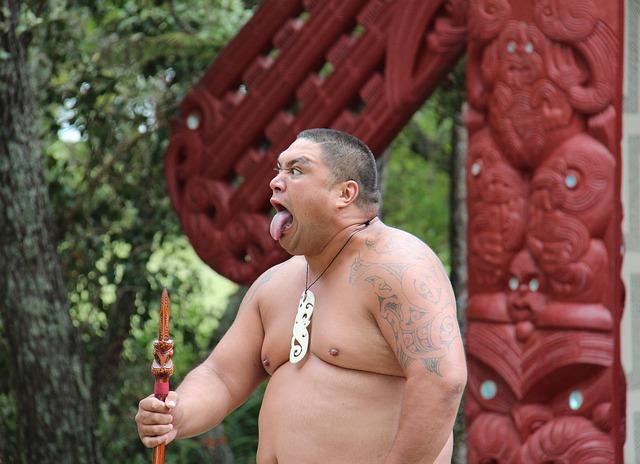
If you’ve ever found yourself captivated by the powerful, rhythmic beats of a haka, you’re not alone. The Maori haka is much more than just a dance – it’s the living heartbeat of New Zealand’s culture, a vibrant expression of identity, strength, and unity. Whether performed on the rugby field or at important ceremonies, the haka connects generations and tells stories that resonate deeply with the spirit of Aotearoa. Join me as we dive into the fascinating world of the Maori haka, exploring its rich history, cultural significance, and why it continues to inspire people around the globe.
Table of Contents
- Origins and Meaning Behind the Powerful Maori Haka
- The Role of Haka in Modern-day New Zealand Society
- How to Experience an Authentic Haka Performance
- Tips for Respectfully Participating in and Sharing Haka Culture
- Looking Ahead: Future Travel Trends
Origins and Meaning Behind the Powerful Maori Haka
The Māori haka is much more than just a war dance; it embodies the deep spirit and traditions of New Zealand’s indigenous people. Traditionally performed by warriors before battle, the haka served to intimidate opponents and to unify the tribe with a shared sense of purpose and courage. However, its roots dive far deeper, carrying messages of ancestry, identity, and respect passed down through generations.
Each haka tells a unique story, often relating to significant events, legends, or the welcoming of guests. Its vigorous movements-including stomping feet, sharp hand gestures, and fierce facial expressions-convey emotions such as pride, defiance, and connection. Moreover, the powerful chant rhythmically spoken or sung enhances the emotional impact, making the haka a compelling expression of collective strength.
Today, the haka transcends its original context by appearing in ceremonies, celebrations, and sporting events worldwide. Visitors interested in experiencing the haka up close should explore cultural tours or community events where performers explain the history and meaning behind this tradition. Whether you travel during the peak tourist season or in the quieter months, booking a cultural tour will enrich your understanding of this powerful Māori practice. If you want to immerse yourself further, check options for tours or find authentic stays through hotels.
The Role of Haka in Modern-day New Zealand Society
Today, the haka remains a powerful symbol that unites New Zealanders from all walks of life. It transcends its traditional role as a war dance, becoming a vibrant expression of identity and pride. Whether performed at sporting events, cultural festivals, or formal ceremonies, the haka connects people through shared emotion and history.
Moreover, its presence in schools and community programs promotes cultural understanding among younger generations. Teachers and leaders use haka to instill values like respect, courage, and teamwork. Therefore, it serves as a living bridge between Māori culture and broader society, fostering inclusion and appreciation.
For visitors eager to experience this living tradition, consider booking guided cultural tours in Rotorua or Wellington. These offer immersive performances and interactive workshops where you can learn haka moves firsthand. Families, solo travelers, and photographers alike will benefit from timing their visit during festivals or tribal gatherings, which showcase the haka’s full emotional impact. Don’t miss the chance to book your ideal trip with tours or flights to dive deeper into this unique art form.
How to Experience an Authentic Haka Performance
To witness a genuine haka ceremony, immersing yourself in local traditions is essential. Many cultural centers across New Zealand host authentic performances led by respected Māori elders. These events often include storytelling, where visitors learn the meaning behind the haka’s powerful chants and gestures, offering a deep connection beyond just watching the dance.
If you prefer a more intimate experience, consider visiting a marae, the traditional meeting grounds of Māori communities. However, access may require permission, so reaching out in advance is advisable. For families or solo travelers, guided tours provide an excellent opportunity to safely engage with the culture, combining haka demonstrations with broader insights into Māori heritage. Booking one of these tours ensures you can ask questions and fully appreciate the performance’s spiritual significance. Check out available options to secure your spot early.
Season matters too: summer months bring the liveliest festivals and more outdoor performances, while off-peak seasons tend to offer quieter, more personal encounters. Photographers will find natural lighting perfect during early mornings or late afternoons, enhancing the vivid expressions and strong movements. Moreover, arriving prepared with warm clothing and respectful curiosity encourages a rewarding, authentic experience. Don’t miss out-plan your trip today by browsing affordable flights or reserving nearby hotels for a seamless journey into New Zealand’s vibrant culture.
Tips for Respectfully Participating in and Sharing Haka Culture
When engaging with haka culture, it is essential to approach it with genuine respect and understanding. Many people are drawn to the haka’s powerful energy, yet the dance holds deep historical and spiritual significance for Māori communities. Therefore, before participating, take time to learn about its origins and the meaning behind the gestures to avoid unintentional disrespect.
For families traveling with children, attending a haka performance or workshop offers a fantastic learning experience if approached with sensitivity. Encourage kids to watch quietly and ask questions later. Moreover, explain that the haka is a form of storytelling and pride rather than just a show, ensuring they appreciate its cultural depth.
Solo travelers and photographers should remember to request permission before filming or snapping photos. Photography of a haka in a ceremonial setting may sometimes be restricted. However, many cultural centers and public events welcome visitors who show their respect by asking first. To make the most of your visit, consider booking a guided tour where experts explain appropriate behavior and the haka’s rich traditions. Find great options at tours to deepen your experience.
Participating actively, such as attempting the haka, should be done sensitively, especially in peak and off seasons when local communities might be busier or more relaxed. In peak season, join organized sessions led by Māori leaders who can teach the correct manner to perform the haka. This ensures your involvement honors the custom and helps you connect authentically.
Regardless of your travel style or season, always dress modestly and behave with reverence when attending haka ceremonies or performances. Avoid interrupting or modifying any movements; the haka’s precision is part of its power. In addition, respect any requests to refrain from recording or sharing videos on social media to protect the integrity and privacy of the performance.
By embracing these guidelines, you enrich your journey with meaningful cultural exchange and help preserve the heartbeat of New Zealand’s heritage. If you’re ready to explore more about Māori culture, book accommodations nearby through hotels and secure your flights early at flights for a smooth, respectful cultural adventure.
What is the Maori Haka and why is it important?
The Maori Haka is a traditional dance of New Zealand’s indigenous Maori people, known for its powerful movements and rhythmic chanting. It serves as a symbol of identity and unity, often performed to welcome guests, celebrate achievements, or show strength and pride. Today, it remains a vital part of New Zealand’s cultural heritage.
Can visitors watch or participate in a Haka performance?
Yes, travelers can often watch authentic Haka performances at cultural centers, museums, and special events throughout New Zealand. Some tours even offer visitors the chance to learn basic Haka steps and understand its cultural significance, providing an enriching and interactive experience.
Why do New Zealand sports teams perform the Haka before games?
New Zealand’s national sports teams, especially the All Blacks rugby team, perform the Haka before matches to honor Maori tradition and intimidate opponents. This ritual showcases team spirit and respect for New Zealand’s heritage, making it a powerful pre-game ceremony recognized worldwide.
What emotions and messages does the Haka express?
The Haka conveys a wide range of emotions, such as pride, strength, and solidarity. It can be a challenge to opponents, a celebration of identity, or a way to honor ancestors. Its intense gestures and chants communicate stories and values deeply rooted in Maori culture.
Looking Ahead: Future Travel Trends
And there you have it-the Māori haka, truly the heartbeat of New Zealand’s culture. More than just a powerful dance, it’s a living expression of identity, strength, and community that continues to inspire both locals and visitors alike. Whether you see it performed on a rugby field, at a cultural festival, or in a classroom, the haka connects people to the rich heritage and spirit of Aotearoa. So next time you witness those fierce chants and bold movements, remember you’re glimpsing a tradition that’s as vibrant and alive today as it has ever been. Thanks for joining me on this journey into the world of the haka-until next time, kia kaha!