

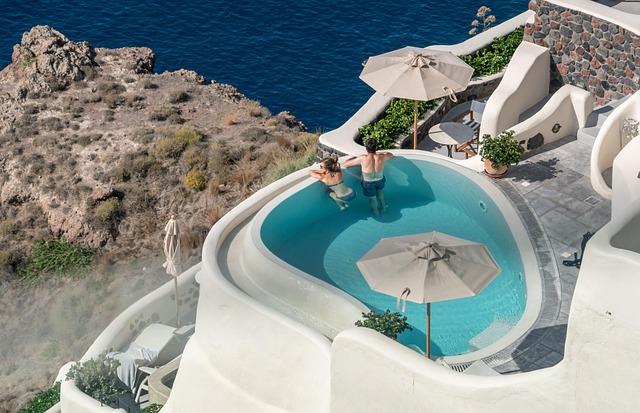
If you’ve ever wandered through the sun-drenched streets of coastal towns or admired whitewashed walls paired with vibrant blue accents, you’ve already experienced a little slice of Mediterranean architecture magic. But did you know that this timeless design style does more than just create beautiful spaces? It actively shapes the culture we live in today-from the way communities gather to the way we think about sustainability and simplicity. In this blog, we’re diving into how Mediterranean architecture isn’t just about charming aesthetics; it’s a living, breathing influence that continues to inspire modern life all around the world. So, let’s explore how those classic arches, terracotta roofs, and open courtyards are still making waves in today’s culture!
Table of Contents
- Mediterranean Architecture as a Living Tradition in Modern Communities
- How Sunlit Spaces and Natural Materials Inspire Contemporary Design
- Bringing Warmth and Sustainability Together in Urban Planning
- Tips for Incorporating Mediterranean Elements into Your Home Decor
- Wrapping Up: Ultimate Travel Lessons
Mediterranean Architecture as a Living Tradition in Modern Communities
Mediterranean architecture remains a vibrant presence in many modern neighborhoods, shaping how communities live and interact today. Its hallmark features-sun-baked stone walls, terracotta roofs, and arched doorways-offer not only aesthetic charm but also practical benefits by naturally regulating indoor temperatures. Moreover, these design elements encourage outdoor living, with courtyards and verandas acting as social hubs, promoting family gatherings and neighborhood connections.
As cities evolve, locals and architects are blending traditional motifs with contemporary needs, creating a harmonious balance between heritage and innovation. For families relocating to Mediterranean-inspired areas, this means access to homes that prioritize natural light and airflow, which support healthier lifestyles. Solo travelers or remote workers find these spaces ideal too, as they often integrate calm gardens and shaded nooks, perfect for productivity or reflection.
Seasonal weather patterns amplify the appeal of Mediterranean design. In hot summers, thick walls help maintain cool interiors, reducing energy use and enhancing comfort. During cooler months, fireplaces and warm-toned materials evoke coziness, inviting people indoors while still connecting them to nature through large windows. For those planning trips, consider booking a stay in these timeless homes via hotels or securing rides with car rentals to explore at your own pace and truly experience the ambiance of the region’s living tradition.
How Sunlit Spaces and Natural Materials Inspire Contemporary Design
The infusion of sunlit interiors and the use of natural materials evoke a timeless charm in contemporary design that traces its roots to Mediterranean living. Bright, airy spaces take advantage of sunlight to create vivid, cheerful atmospheres, cutting energy costs and promoting well-being. By integrating local stone, warm woods, and textured fabrics, designers craft interiors that feel both authentic and inviting, reflecting a deep connection to the environment.
For families seeking comfort, sun-drenched rooms provide an ideal space for children to play safely while adults relax. Meanwhile, solo travelers and remote workers benefit from bright spaces that foster creativity and focus. Photographers, too, find inspiration in the interplay of natural light and rustic textures, which can be both the subject and backdrop of memorable shots.
Seasonally, these design elements adapt gracefully; in hot summers, shaded verandas and thick stone walls keep interiors cool. Conversely, during winter’s chill, sunlit spots and natural wood accents add warmth and cosiness. To fully experience this harmony of light and material, consider booking a stays through our hotels or stylish tours that explore Mediterranean architecture firsthand.
Bringing Warmth and Sustainability Together in Urban Planning
Urban design inspired by Mediterranean principles offers a refreshing blend of comfort and eco-consciousness. Instead of cold, impersonal concrete structures, these spaces emphasize natural materials like terracotta, wood, and stone. Such elements not only create inviting, tactile environments but also enhance local climate responsiveness, reducing energy needs for heating and cooling.
Moreover, integrating greenery-such as rooftop gardens, vertical plantations, and shaded courtyards-helps to lower urban temperatures. This approach combats the urban heat island effect, improving air quality and promoting biodiversity. Families can enjoy safer outdoor areas while photographers find ample inspiration in the interplay of sunlight and natural textures, especially during golden hour.
For those planning visits throughout the year, it’s essential to embrace outdoor walking tours in spring or autumn when the weather is mild, while summer evenings invite relaxed strolls through lively plazas. Solo travelers benefit from neighborhoods designed with pedestrian-friendly layouts and local markets. To explore the vibrant streets and sustainable urban spots, book your tours today, or find the perfect place to stay at recommended hotels nearby.
Tips for Incorporating Mediterranean Elements into Your Home Decor
Infusing your living space with Mediterranean charm begins by embracing a warm, earthy color scheme. Think terracotta reds, sun-bleached ochres, and ocean blues to create a natural atmosphere. These hues recall the sun-drenched coastlines and rustic villages that define this style, and pairing them with light, neutral backgrounds can make rooms feel both cozy and inviting.
Texture also plays a crucial role in achieving this aesthetic. Integrating materials like wrought iron, natural stone, and hand-painted ceramics adds depth and authenticity to your decor. For families, durable materials such as stone or ceramic tiles are practical, while solo decorators might experiment with unique artisan pieces or textured textiles to create a personal sanctuary.
Lighting can transform any space by mimicking Mediterranean ambiance. Opt for wrought iron lanterns or soft glass pendant lamps that cast a warm glow, perfect for evening relaxation. Moreover, large windows or light, airy curtains allow natural sunlight to flood in, connecting indoor spaces with the outdoors-something every photographer and nature lover will appreciate. If you’re planning your trip, consider booking your hotels early to fully enjoy the Mediterranean light firsthand.
To further enhance the atmosphere, incorporate lush greenery such as olive trees, herbs, or climbing bougainvillaea in your garden or balcony. These plants not only provide vibrant color but also evoke the region’s sensuous connection to nature and leisure. Whether hosting a dinner party or enjoying quiet moments, these green touches create a seamless blend between architecture and landscape that invites relaxation.
For those eager to dive deeper into the Mediterranean lifestyle, consider exploring traditional markets or local art galleries when you visit. This hands-on experience can inspire authentic decor choices and unique furniture accents. If you’re ready to travel, use the links to book your tours or arrange car rentals for an effortless adventure through sun-soaked towns and cultural treasures.
What are the main features of Mediterranean architecture?
Mediterranean architecture is known for its warm, earthy colors, stucco walls, red-tiled roofs, and arched doorways and windows. These elements create a relaxed, inviting atmosphere that reflects the region’s sunny climate and coastal lifestyle.
How does Mediterranean architecture influence local culture today?
It shapes local culture by promoting outdoor living, community gatherings, and a connection to nature. Additionally, the style often inspires food, art, and social traditions centered around comfort and hospitality.
Why is Mediterranean architecture popular among travelers and homeowners?
Many people are drawn to its timeless beauty and functional design. Moreover, the style offers a cozy yet elegant feel that suits both coastal and urban settings, making it perfect for vacation homes and everyday living alike.
Can Mediterranean architectural elements be adapted to different climates?
Yes, these elements are quite versatile. Architects often adjust materials and features such as thick walls and shaded courtyards to suit colder or more humid climates while maintaining the characteristic Mediterranean aesthetic.
What should I look for when visiting Mediterranean-style buildings?
Notice key details like terracotta tiles, wrought iron balconies, pergolas, and open courtyards. These features not only add charm but also tell a story about the region’s history and lifestyle.
Wrapping Up: Ultimate Travel Lessons
Wrapping up, it’s clear that Mediterranean architecture isn’t just about pretty buildings – it’s a living, breathing part of the culture that continues to shape how communities connect, celebrate, and live today. From sun-drenched patios to vibrant courtyards, these design elements invite us to embrace a lifestyle that balances beauty, function, and togetherness. Whether you’re exploring a coastal town or simply admiring these styles from afar, the Mediterranean’s architectural charm offers timeless inspiration that reminds us how our spaces can truly reflect who we are. So next time you find yourself drawn to those warm hues and inviting arches, remember: you’re stepping into a tradition that’s still very much alive and shaping culture around the world. Cheers to architecture that feels like home!