

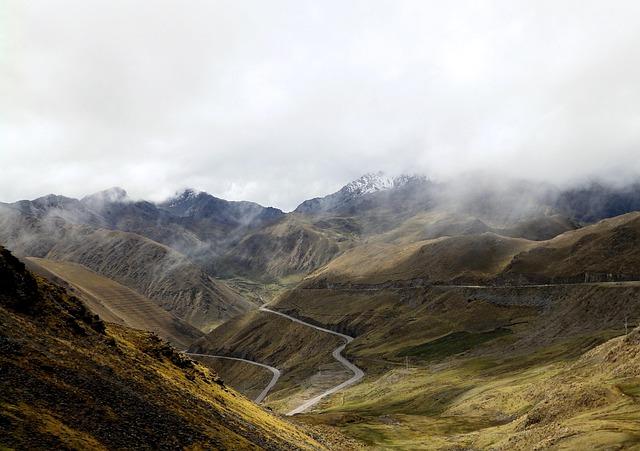
Planning a motorcycle trip through remote areas is an adventure like no other-an exhilarating mix of freedom, challenge, and breathtaking landscapes. Whether you’re dreaming of winding mountain roads, vast deserts, or hidden trails far from the beaten path, preparing for such a journey takes more than just packing your helmet and hitting the throttle. In this post, I’ll share some epic tips to help you plan a safe, smooth, and unforgettable motorcycle trip through the wildest, most remote places. So buckle up (or rather, strap on your helmet), and let’s get your adventure started!
Table of Contents
- Choosing the Right Motorcycle and Gear for Remote Adventures
- Mapping Your Route and Preparing for Unpredictable Terrain
- Essential Safety Tips and Emergency Preparedness
- Staying Connected and Managing Supplies on the Road
- Key Learnings from Our Adventure Guide
Choosing the Right Motorcycle and Gear for Remote Adventures
Selecting the ideal motorcycle for rugged routes requires assessing the terrain and your travel style carefully. Dual-sport bikes often lead the pack because they balance durability with agility, allowing riders to shift smoothly from paved roads to dirt tracks. For families or groups planning leisurely explorations, choosing a motorcycle with comfortable seating and extra storage helps accommodate gear and passengers. Meanwhile, solo adventurers should consider lighter models that offer easy handling during long, solitary stretches.
When it comes to protective gear, safety should never be compromised, especially in remote areas where medical help might be distant. Invest in a high-quality helmet that combines safety certifications with ventilation for hot or humid climates. Moreover, riding jackets with built-in armor, breathable fabrics, and water resistance offer versatile protection against rain and wind chill. Gloves and boots should similarly prioritize both grip and comfort; this prevents fatigue on long rides and guards against unexpected slips on uneven paths.
Adapt your equipment choices to the season and specific activity profile to maximize enjoyment and safety. Photographers exploring remote landscapes might want gear with padded compartments or waterproof covers to shield cameras and lenses. Conversely, riders traveling off-season should layer their clothing smartly, adding thermal undergarments and windproof outer layers to fend off cold snaps. Families might benefit from gear that includes features like reflective strips and built-in communication devices, ensuring everyone stays connected and visible. For those looking to equip themselves efficiently, check out bike rentals and gear options to match your route perfectly or book a personalized tour for expert assistance.
Explore options for comfortable stays by booking hotels along your trail, or consider flights to your starting point to save time and energy on travel preparations. Don’t forget to reserve reliable car rentals for last-mile connectivity when you reach towns off the beaten track.
Mapping Your Route and Preparing for Unpredictable Terrain
Carefully plotting every mile before you hit the road is essential when venturing into remote regions. Digital maps and GPS devices offer reliable guidance, but also carry printed maps as backups. This way, families traveling together or solo riders won’t be stranded if technology fails in areas with patchy signals.
Knowing the terrain beforehand helps adjust your ride to seasonal conditions. For example, travelers exploring during the wet season should prepare for slippery surfaces and possible water crossings. On the other hand, those riding in dry winter months might face dust and loose gravel, requiring different tire choices and riding tactics.
Always include emergency escape routes and identify key stops, such as fuel stations or rest areas, along less-traveled paths. Photographers might want to scout spots for capturing sunsets or wildlife, while adventure seekers can mark scenic detours. To ensure smooth planning, check out our curated list of car rentals for suitable bike carriers.
Equipping yourself with the right tools for unpredictable terrain ensures you’re ready for anything. Carry a robust multitool, tire repair kit, and spare fuel containers, especially on isolated routes. Moreover, pack lightweight recovery gear like traction mats or tow straps, which prove invaluable if you get stuck in mud or sand.
Adjust gear according to travel style: families should bring extra supplies for kids and essentials, while solo travelers benefit from lightweight, space-saving equipment. In addition, always prepare for sudden weather changes by carrying layers that guard against wind, rain, and cold. Booking hotels along your route ahead secures rest spots, letting you focus on riding rather than searching last minute.
Lastly, embrace flexibility in your itinerary to accommodate unexpected challenges or discoveries. Unexpected detours might reveal hidden gems or require extended breaks after rough sections. Therefore, build buffer time into your schedule and keep contact details of local emergency services handy for peace of mind. When ready, streamline your travel by booking flights early to your starting point and consider tours for guided assistance through truly remote areas.
Essential Safety Tips and Emergency Preparedness
Riders venturing into remote regions must equip themselves with reliable communication tools. Satellite phones or personal locator beacons are crucial since mobile signals often vanish beyond urban zones. Moreover, informing a trusted contact of your itinerary and expected checkpoints establishes a valuable safety net for solo travelers or groups alike.
In addition, packing a well-stocked first aid kit tailored to your trip duration and environment is essential. Include items that address common injuries like cuts, sprains, and burns, along with medications for altitude sickness or allergies depending on your route. Families should consider extra supplies and any prescription medicine needed for children, while photographers might focus on compact kits for ease of carrying.
Furthermore, learning basic survival skills can significantly improve your ability to handle unforeseen situations. For example, knowing how to start a fire, construct a temporary shelter, or signal for rescue adds layers of security, especially during off-season journeys when weather is unpredictable. Preparing for mechanical issues is vital too-bring essential tools and review motorcycle repair tutorials before you ride. Before setting off, explore practical options to enhance your trip by booking trusted car rentals or quality hotels to remain flexible in case of emergencies.
Staying Connected and Managing Supplies on the Road
When planning a motorcycle adventure through isolated terrain, reliable communication tools are essential for safety and peace of mind. Portable satellite messengers or emergency beacons can keep you connected even in areas with no mobile signal. Moreover, downloading offline maps and GPS apps ensures you navigate confidently, avoiding unnecessary detours or getting lost.
Managing fuel and supplies requires careful attention, especially since gas stations can be scarce in remote regions. Carry extra fuel in approved containers and keep a stock of essential maintenance items like tire repair kits, spare tubes, and basic tools. Also, pack high-calorie snacks, hydration packs, and weather-appropriate clothing to adapt quickly to sudden changes in temperature or weather conditions.
Different travelers will have varied needs-families should consider additional water and first aid supplies, while solo riders might prioritize compact emergency kits and communication gadgets. Photographers might want extra battery packs and weatherproof cases to protect their gear on dusty routes. Seasoned riders venturing off-season will benefit from studying local weather forecasts and adjusting their gear accordingly. For more travel essentials and booking your next stay, check out our reliable hotels.
To be fully prepared, create a checklist that covers everything from communication devices to spare fuel, and update it before every outing. Also, plan rest stops strategically, using resources such as local tours and lodging to break up long stretches safely. Don’t hesitate to book a rental car when you need backup transportation or support gear transport during your trip.
Ready to lock in your adventure? Explore our tours for curated experiences in remote landscapes, and secure the best flights to start your journey on the right foot. Staying connected and well-supplied isn’t just about convenience – it’s key to making your ride both thrilling and safe.
What are the most important safety tips for riding a motorcycle through remote areas?
First and foremost, ensure your bike is in excellent condition before you leave. Carry essential tools, a first aid kit, and plenty of water. It’s also critical to share your route with someone and have reliable navigation, since cell service can be limited.
How can I prepare my motorcycle for long trips through rough, isolated terrain?
Start by checking your tires, brakes, and lights thoroughly. Consider adding extra fuel storage and packing spare parts like tubes or cables. Furthermore, investing in sturdy luggage and weatherproof gear will keep your belongings safe and dry.
What should I pack to stay comfortable and safe on a motorcycle trip in remote areas?
Pack lightweight, layered clothing to adapt to changing weather. Don’t forget a durable helmet, gloves, and boots for protection. Additionally, bring emergency supplies such as a flashlight, GPS device, and non-perishable snacks to stay prepared.
How do I find reliable routes and avoid getting lost in remote places?
Use a combination of offline maps and GPS apps designed for off-road or remote travel. Also, consult local riders or online forums before your trip. Most importantly, always have a physical map as a backup in case technology fails.
Can I rely on mobile phones in remote areas during my motorcycle trip?
Mobile coverage is often patchy or non-existent in remote regions, so don’t depend solely on your phone. Instead, use satellite communication devices or emergency beacons for added safety. This way, you can get help even if cell networks are unavailable.
Key Learnings from Our Adventure Guide
And there you have it-your go-to guide for planning an epic motorcycle trip through those breathtaking remote areas. With the right prep, gear, and mindset, you’ll turn every twist and turn into an unforgettable adventure. Remember, it’s not just about the destination but the freedom of the open road and the stories you collect along the way. So, rev up that engine, pack smart, and embrace the wild ride ahead. Safe travels, and may your journey be as epic as the open road itself!