

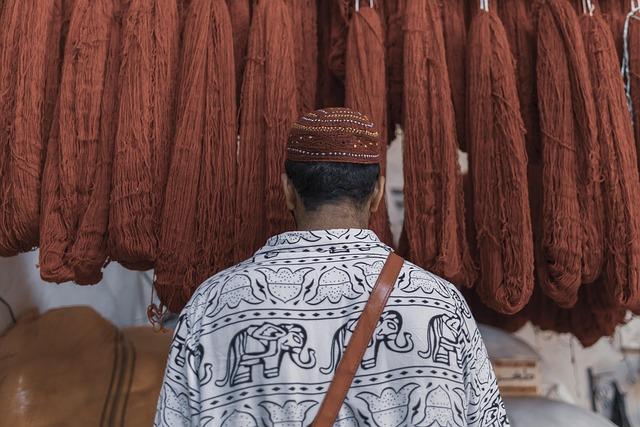
If you’ve ever been captivated by the vibrant colors and intricate patterns of Peruvian textiles, you’re in for a treat! Peru’s rich weaving traditions are more than just beautiful fabric – they’re a living connection to centuries-old cultures and stories woven by skilled hands. Whether you’re an art lover, a traveler seeking authentic experiences, or simply curious about traditional crafts, joining a cultural textile weaving workshop in Peru is an unforgettable way to dive into this amazing heritage. In this friendly how-to guide, we’ll walk you through everything you need to know to get started with Peruvian weaving, from choosing the right place to what to expect as you spin your own piece of history. Let’s get those threads ready!
Table of Contents
- Discovering the Rich Heritage Behind Peruvian Textile Weaving
- Choosing the Right Tools and Materials for Authentic Weaving
- Step-by-Step Guide to Traditional Weaving Techniques
- Tips for Immersing Yourself in Local Weaving Communities
- Essential Advice to Take With You
Discovering the Rich Heritage Behind Peruvian Textile Weaving
Peruvian textile weaving holds a profound legacy that dates back thousands of years, connecting generations through intricate patterns and techniques. These textiles tell stories of ancient civilizations such as the Inca and Paracas, who revered weaving not only as an art form but as a vital part of daily life. By understanding this heritage, visitors can truly appreciate the cultural significance woven into each colorful thread.
Moreover, the weaving process showcases extraordinary skill passed down through family lines. Each region features distinct motifs and colors that represent local history, beliefs, and natural surroundings. For example, highland communities often use bold geometric shapes, while coastal areas prefer softer hues and symbolic designs. Therefore, exploring these variations provides insight into Peru’s diverse cultural tapestry.
For travelers seeking authentic experiences, visiting traditional weaving communities during the dry season (May to September) offers the best weather for outdoor workshops and colorful festivals. Families can enjoy interactive sessions while children learn storytelling through fabric art. Solo travelers and photographers will appreciate the vivid landscapes paired with artisans’ focused craftsmanship. Book tours to join hands-on textile activities and immerse yourself in this living tradition.
Choosing the Right Tools and Materials for Authentic Weaving
Selecting the proper tools and materials is essential to experience authentic Peruvian textile weaving fully. Traditional artisans often use natural fibers such as alpaca, cotton, and wool, each offering unique textures and colors. For travelers eager to replicate these techniques, sourcing local fibers ensures a genuine connection to the craft, while synthetic yarns can be practical for beginners or rainy seasons when natural materials get harder to manage.
When choosing weaving tools, focus on the backstrap loom, a simple yet versatile frame widely used throughout Peru’s highlands. It’s lightweight and portable, ideal for solo artisans or travelers eager to practice weaving anywhere. Families or groups might enjoy larger floor looms, which provide space for cooperative efforts, fostering a communal atmosphere during workshops or cultural festivals.
Seasonal conditions also play a role in tool selection. In colder months, lighter, warmer fibers like alpaca wool are preferable for comfort, whereas cotton suits warmer climates due to its breathability. Moreover, consider your accommodation’s conditions; if you book a stay in rural lodges, you can easily access local materials and learn weaving from native experts. For those planning their trip, it’s wise to secure reliable car rentals and explore nearby weaving villages at your own pace. Don’t miss the chance to browse tours and local hotels that emphasize hands-on textile experiences-start planning today!
Step-by-Step Guide to Traditional Weaving Techniques
Traditional weaving in Peru is a hands-on experience that connects you to centuries-old cultural heritage. First, gather natural fibers like alpaca or cotton, which form the foundation of the textile. Skilled artisans often prepare these materials by hand-spinning and dyeing with natural pigments, lending vibrant colors and unique textures to the fabric. For families or first-timers, starting with simple patterns is ideal, as these allow a gradual understanding of the weaving rhythm without feeling overwhelmed.
Next, set up your loom, typically a backstrap loom in many Andean communities. Positioning the loom correctly is crucial; it should be tight enough for clear weaving but comfortable enough to work for hours. Solo travelers may find it rewarding to ask local weavers for demonstrations, as this interaction often reveals subtle techniques such as alternating thread patterns or tension adjustments, which are essential for complex designs. Photographers should bring a zoom lens to capture these intimate moments without disrupting the delicate process.
Lastly, practice the weaving technique, starting with the warp and then weaving the weft thread over and under, creating a strong, interlocked fabric. Remember, patience and repeated practice lead to better control over thread tension and pattern precision. When visiting during peak season, workshops might be crowded, so booking tours in advance ensures personalized attention. Conversely, the off season offers quieter sessions, perfect for reflection and detailed questions, so consider that when planning your itinerary. Book your tours early to secure a spot and dive deep into this enriching craft.
Explore nearby hotels to stay close to weaving communities and experience authentic cultural immersion.
Tips for Immersing Yourself in Local Weaving Communities
Engaging with local weaving groups requires genuine respect for their customs and traditions. Therefore, take time to listen carefully and observe how artisans work with natural fibers like alpaca and wool. This attentiveness will help you appreciate the cultural significance behind each pattern and color, allowing you to connect more meaningfully with the community.
Visitors traveling during peak seasons should consider joining organized workshops or community events, which often provide structured experiences suitable for families and solo travelers alike. However, if you visit in the off-season, smaller villages welcome guests more intimately, offering a chance for deeper conversations and personalized learning. Photographers will find vibrant markets and weaving in action perfect for capturing authentic moments, especially in early mornings.
Moreover, respect is key when handling handcrafted textiles or participating in ceremonies. Always ask permission before taking photos or touching items. To enhance your visit, ask locals about the stories behind their craft; this creates trust and enriches your understanding. Book a guided tour to support local artisans directly and enjoy smoother logistics during your stay. For accommodations and travel needs, explore hotels and flights to plan your trip effortlessly.
Keep these essentials in mind:
- Learn a few basic phrases in Quechua or Spanish to build rapport.
- Support authentic products by purchasing directly from weavers.
- Volunteer for short projects if you want hands-on involvement.
To dive deeper into the Peruvian textile world, consider booking a tailor-made tour now or rent a car to explore remote weaving hubs on your own schedule. Your immersive journey awaits!
What is the best way to join traditional textile weaving workshops in Peru?
To join traditional weaving workshops in Peru, look for local cooperatives or community centers in regions like Cusco and the Sacred Valley. Many offer hands-on experiences where you can learn ancient techniques directly from skilled artisans. Booking through reputable tour providers or cultural organizations helps ensure an authentic and respectful visit.
Which regions in Peru are known for their textile weaving traditions?
Peru’s most famous textile weaving traditions are found in the Andean highlands, especially around Cusco, Chinchero, and the Sacred Valley. These areas are rich with indigenous knowledge, where vibrant patterns and natural dyes have been used for centuries. Visiting these regions provides a deeper insight into both the craft and its cultural significance.
What should I expect to learn in a Peruvian weaving class?
In a Peruvian weaving class, you can expect to learn the basics of setting up a loom, spinning natural fibers, and creating traditional patterns. Instructors often share the cultural stories behind each design, and you may get to try natural dyeing techniques. The experience combines practical skills with rich cultural context.
How can visitors respectfully engage with Peruvian textile artisans?
Respectful engagement means supporting authentic local artisans by purchasing their work and asking permission before photographing. It’s important to listen actively, follow workshop guidelines, and avoid commercializing sacred symbols. Showing genuine interest and gratitude encourages meaningful cultural exchange.
Essential Advice to Take With You
Thank you for joining me on this colorful journey through Peru’s rich textile weaving traditions! Whether you’re inspired to try your hand at weaving or simply want to appreciate the artistry behind these beautiful fabrics, embracing this craft connects you to a vibrant culture that’s been passed down for generations. So grab some yarn, find your rhythm, and let the threads tell their timeless stories. Happy weaving, and here’s to keeping Peru’s incredible textile heritage alive-one stitch at a time!