

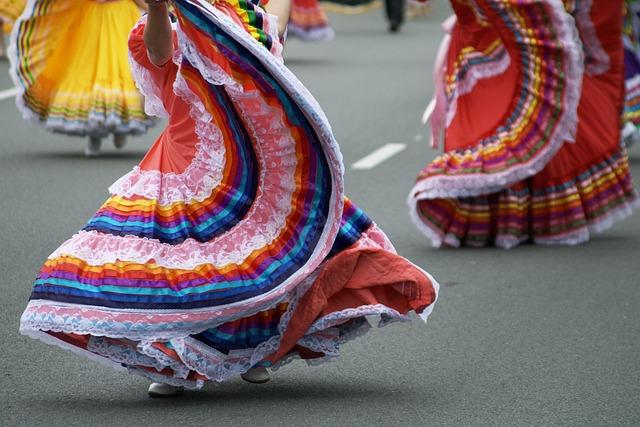
Are you ready to embark on a vibrant journey filled with color, music, and joyous celebrations? The Philippines is a treasure trove of traditional festivals that showcase the rich culture and warm spirit of its people. From lively street parades to age-old rituals, each festival tells a unique story that has been passed down through generations. Whether you’re a traveler seeking new adventures or simply curious about different cultures, these Filipino festivities are sure to captivate your heart and ignite your sense of wonder. So, let’s dive in and celebrate culture by discovering some of the most beloved traditional festivals in the Philippines!
Table of Contents
- Discover the Colorful World of Filipino Festivals and Their Unique Traditions
- Experience the Joy and Spirit of Pahiyas and Sinulog Like a Local
- Taste the Flavors: Must-Try Festival Foods That Bring Celebrations to Life
- Plan Your Trip Around These Unmissable Cultural Events in the Philippines
- Final Thoughts Before You Plan Your Trip
Discover the Colorful World of Filipino Festivals and Their Unique Traditions
The Philippines bursts to life with spectacular celebrations that showcase centuries-old customs blended beautifully with modern flair. For instance, the Sinulog Festival in Cebu features vibrant street dances mimicking the rhythmic beats of traditional drums. Moreover, the Ati-Atihan Festival in Aklan invites everyone to wear indigenous-inspired costumes painted in black soot, symbolizing the tribal roots of the Filipino people. These festivals are not just events but immersive experiences that reveal the heart and soul of local communities. To capture these moments perfectly, photographers should plan visits during the dry season, particularly from January to May, ensuring clear skies and lively crowds for dynamic shots.
Families traveling with children will find festivals like the Panagbenga in Baguio uplifting and colorful, offering flower floats and street parades suitable for all ages. However, solo travelers might prefer immersing themselves in smaller, less crowded celebrations such as the Kadayawan Festival in Davao, which honors the city’s indigenous tribes with traditional music and food. Meanwhile, adventure seekers can align their trip with the MassKara Festival in Bacolod, where the lively mask-wearing parade and street dancing create an energizing atmosphere full of laughter and unity. Booking local tours ahead can secure the best spots and provide meaningful context to these unique traditions [book tours].
Timing is key for festival-goers looking to avoid overwhelming crowds. The peak season from December to February draws large numbers due to the holiday timing and cooler weather. Therefore, visiting during the shoulder months of March or April offers a quieter yet still festive atmosphere for more personal interactions with locals. Travelers should also consider accommodations early, as hotel availability can drastically drop closer to major holidays. Using reliable platforms to find your perfect stay enhances comfort, especially for longer festival commitments [hotels].
To truly experience every vibrant hue and rhythmic step, travelers should prepare for fluctuating weather, often hot and humid, but occasionally interrupted by refreshing rains. Lightweight, breathable clothing paired with sturdy walking shoes is essential for extensive street explorations. Additionally, carrying cash for street food stalls and souvenirs is advisable, since some festival vendors may not accept cards. For convenience and flexible transport around sprawling festival grounds, renting a car offers unmatched freedom, letting visitors hop between celebrations without missing the heart of each event [car rentals]. Don’t miss the chance to book your flights early too, as air travel demand surges during these lively months [flights].
Experience the Joy and Spirit of Pahiyas and Sinulog Like a Local
Immerse yourself in the vibrant festivities of Pahiyas and Sinulog by joining local families as they prepare their stunning decorations and colorful parades. At Pahiyas Festival in Lucban, you’ll witness houses adorned with kiping leaves-thin wafers dyed in bright hues-alongside fresh fruits, vegetables, and handicrafts. This festival honors San Isidro Labrador, making it a perfect occasion to experience rural life and agricultural traditions first-hand. For photographers, early mornings offer softer light and fewer crowds, ideal for capturing intricate details and candid moments.
Sinulog Festival in Cebu, on the other hand, showcases dynamic street dancing and grand religious processions dedicated to the Santo Niño. The rhythm of drums and native chants fill the streets, creating an electric atmosphere that draws both pilgrims and tourists. Solo travelers will appreciate the numerous open events where mingling with locals is easy, while families will benefit from designated safe zones and cultural shows. Make sure to wear comfortable shoes and light clothing since weather here can be warm and humid by midday.
To fully savor these cultural gems, book your tours well in advance. Popular during January (Sinulog) and May (Pahiyas), peak seasons can fill accommodations quickly; thus, reserving your preferred hotels early ensures smoother travel. If you prefer exploring at your own pace, consider renting a car to access nearby towns popular for their artisan markets and local eateries. Whatever your style, diving into these festivals is a feast for the senses-and your travel bucket list won’t be complete without it! Find the best deals for your trip through Tours, Hotels, and Car rentals.
Taste the Flavors: Must-Try Festival Foods That Bring Celebrations to Life
The vibrant street markets at Filipino festivals burst with aromatic and colorful treats that truly capture the spirit of celebration. From the crunchy, golden kwek-kwek-quail eggs coated in bright orange batter and deep-fried-to the sweet, sticky bibingka, a rice cake topped with salted eggs and cheese, each dish offers a unique taste experience. Moreover, these foods are often prepared using age-old family recipes, making them authentic cultural treasures that every visitor should not miss.
For families traveling with kids or elders, it’s best to sample the milder, more familiar flavors like pancit (stir-fried noodles) and lechon manok (grilled chicken). However, solo explorers and adventurous foodies might want to try the spicier regional specialties like Bicol’s laing or the savory, garlicky dinuguan-a rich pork blood stew. Planning your festival visit during the dry season ensures you can explore outdoor food markets comfortably and enjoy street performances without worrying about rain interruptions.
If you’re a photographer, capturing close-ups of the food stalls highlights the intricate presentation and lively atmosphere of the festival. Make sure to arrive early before the crowds swell, and consider booking food tours to gain deeper insights into culinary traditions. For hassle-free travel, check out the best deals on hotels and car rentals nearby to maximize your time tasting and celebrating local culture. Book now and savor every bite of the festival magic!
Plan Your Trip Around These Unmissable Cultural Events in the Philippines
The cultural events in the Philippines offer a thrilling way to connect with the heart of its communities. Throughout the year, vibrant festivities burst into life, each reflecting unique traditions and historical influences. Whether you’re a family seeking lively activities or a solo traveler eager to explore local customs, these events promise unforgettable memories and rich experiences.
Visiting during peak festival seasons means you’ll encounter colorful parades, traditional dances, and mouth-watering street food markets. However, be mindful that these times attract crowds and higher prices. For families, planning your trip with accommodations in advance is crucial, while photographers will find endless opportunities for capturing vivid scenes and dynamic performances.
If you prefer quieter moments or better deals, the off-season also has hidden gems. Smaller events often spotlight intimate rituals, offering a more authentic glimpse of cultural life and easier interactions with locals. To make the most out of your stay, consider booking local tours, hotels, and transportation before arrival to secure your spot and personalized experiences tailored to your interests. Don’t miss out-explore tours and hotels today!
What are the must-see traditional festivals in the Philippines?
The Philippines offers vibrant festivals like Sinulog in Cebu, Ati-Atihan in Aklan, and Panagbenga in Baguio. These events showcase rich cultural heritage through colorful parades, traditional dances, and lively music. Each festival reflects a unique part of Filipino history and community spirit.
When is the best time to experience Filipino festivals?
Most traditional festivals take place throughout the year, but many peak during January and February, such as Sinulog and Ati-Atihan. It’s a great idea to plan your visit around these months to enjoy the full festive atmosphere and local celebrations.
How can travelers join and enjoy festivals in the Philippines safely?
To enjoy festivals safely, stay hydrated, wear comfortable clothes, and respect local customs. Moreover, it’s helpful to follow official event guidelines and attend activities in designated areas. Joining local tours can also provide a better understanding and safer experience.
What makes Filipino traditional festivals unique compared to others worldwide?
Filipino festivals blend indigenous, Spanish, and Christian influences, resulting in lively events full of color, music, and dance. Additionally, the strong community participation and warmth of locals create a welcoming atmosphere for travelers.
Are there family-friendly festivals in the Philippines?
Absolutely! Many festivals are family-friendly, offering activities for all ages such as street dancing, food fairs, and cultural workshops. Festivals like Panagbenga are especially popular with families due to their inclusive and festive environment.
Final Thoughts Before You Plan Your Trip
There you have it-a colorful glimpse into the vibrant traditional festivals that make the Philippines truly special. Whether it’s the lively street dances of Sinulog, the dazzling costumes of Ati-Atihan, or the heartfelt rituals of Flores de Mayo, each celebration offers a unique way to connect with the rich cultural tapestry of this beautiful country. So next time you’re planning a trip or just looking to embrace something new, consider diving into these festive traditions. Trust me, experiencing these festivals firsthand is a joyful reminder of how culture brings people together with warmth, music, and unforgettable memories. Celebrate culture, and let the spirit of the Philippines brighten your day!