

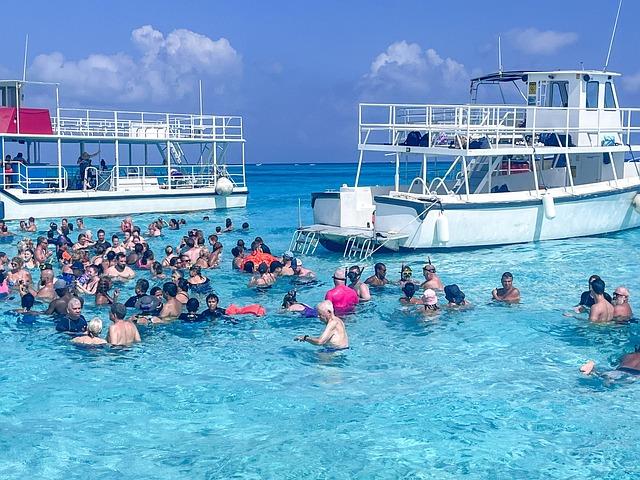
If you’re dreaming of crystal-clear waters, vibrant coral reefs, and an underwater world teeming with colorful marine life, the Caribbean should definitely be at the top of your travel list. Whether you’re a seasoned diver or a first-time snorkeler, this sun-soaked paradise offers some of the best spots to explore beneath the waves. From tranquil lagoons to exciting underwater caves, the Caribbean’s diverse underwater landscapes promise unforgettable adventures. So grab your mask and fins, and let’s dive into the top Caribbean spots for snorkeling and diving that will leave you in awe!
Table of Contents
- Best Underwater Landscapes to Explore in the Caribbean
- Hidden Gem Dive Sites for Thrilling Marine Encounters
- Top Snorkeling Spots for Beginners and Families
- Must-Try Local Dive Tours and Expert Tips for an Unforgettable Experience
- What This Means for Your Next Journey
Best Underwater Landscapes to Explore in the Caribbean
The Caribbean’s underwater terrains offer breathtaking sights that appeal to both novice snorkelers and experienced divers. One standout site is the Belize Barrier Reef, which thrives with vibrant coral formations and diverse marine life. Families will appreciate the shallow, calm sections near Ambergris Caye, while adventurers can explore deeper drop-offs filled with colorful fish and graceful rays. For the best experience, visit during the dry season from December to April, when visibility is at its peak.
In the Bonaire National Marine Park, crystal-clear waters provide a photographer’s paradise, featuring unspoiled reefs teeming with parrotfish, seahorses, and turtles. Moreover, Bonaire’s strict conservation policies mean you’ll witness pristine ecosystems, making it perfect for eco-conscious travelers. Solo explorers will find the accessible shore dives convenient, while groups can enjoy guided boat tours to more remote coral gardens. Booking your tours in advance is recommended to secure spots during peak times.
Further south, Grenada’s Underwater Sculpture Park offers a unique blend of art and nature, attracting curious snorkelers who want an extraordinary underwater encounter. These sculptures act as artificial reefs, encouraging coral growth and supporting local biodiversity. Therefore, visitors might consider pairing a dive here with nearby exploration of Grand Anse’s white-sand beaches for a full vacation experience. To complete your trip seamlessly, check out great deals on hotels or even flights early.
Hidden Gem Dive Sites for Thrilling Marine Encounters
Beneath the surface of well-known Caribbean snorkeling spots lie thrilling dive locations where marine life bursts with color and diversity. One such hidden treasure is the Bimini Blue Hole in the Bahamas, famous for its mesmerizing depths and rare underwater formations. Experienced divers will appreciate the challenge of its vertical walls, while beginners can enjoy nearby shallow reefs teeming with tropical fish and gentle nurse sharks.
Moreover, the Little Cayman Bloody Bay Wall stands out as a must-visit for those craving dramatic underwater landscapes. The sheer drop-offs create an exhilarating sense of floating in the open ocean, while the abundance of colorful corals and sponges attracts vibrant sea creatures. Families and solo travelers alike can explore shallower reefs close to shore, perfect for snorkeling or introductory dives during calmer months from April to September.
If you prefer diving with a chance of large marine encounters, the Saba National Marine Park is an extraordinary choice. This protected area features pristine coral gardens and regular sightings of sea turtles, eagle rays, and even reef sharks. Photographers should plan visits during the dry season when water clarity peaks, ensuring unforgettable images, while adventurers can book local dive tours to safely explore this stunning but less crowded site.
For an enhanced trip experience, consider booking tours or hotels nearby to secure prime access to these incredible underwater worlds. Car rentals and flights are also worth arranging ahead to maximize your time in these remote diving havens. Take the plunge and discover the Caribbean’s secret aquatic jewels!
Top Snorkeling Spots for Beginners and Families
For those seeking calm waters and vibrant marine life, Grand Cayman’s Stingray City is a must-visit destination. The shallow sandy flats allow swimmers of all ages to safely interact with gentle stingrays. Moreover, the site’s clear visibility makes it perfect for families with children or beginners who want to build confidence underwater before exploring deeper reefs.
In nearby Ambergris Caye, Belize, the Hol Chan Marine Reserve offers diverse coral gardens teeming with colorful fish and sea turtles. Its calm currents provide an ideal environment for novice snorkelers, while the protective cove ensures families can explore without worry. Early morning visits are recommended for the best light and fewer crowds, as conditions are generally calmer.
For an accessible spot with plenty of amenities, Seven Mile Beach in Grand Cayman combines convenience with excellent reef snorkeling just offshore. The vibrant coral formations lie close to the shore, which is advantageous for those new to snorkeling or traveling with children. Booking guided tours can enhance the experience, so consider reserving through trusted providers for safety and local insights. Don’t forget to check available tours here to maximize your adventure.
Must-Try Local Dive Tours and Expert Tips for an Unforgettable Experience
When exploring Caribbean waters, booking a local dive tour offers unmatched expertise and access to hidden gems. Many operators know secret spots teeming with vibrant coral reefs and rare marine life. For example, in Cozumel, guides often take you beyond the well-known currents to lesser-visited walls, giving you private views of colorful fish and graceful sea turtles.
For families or beginners, choosing tours that provide thorough safety briefings and beginner-friendly shallow dives is crucial. These tours usually include stops with calm waters, making snorkeling enjoyable and stress-free for everyone. Moreover, guides can lend you equipment and share useful tips, ensuring that first-timers and young adventurers gain confidence without worry.
Solo travelers or underwater photographers find tailored options especially rewarding. Some dive shops offer private or small-group trips that maximize photo opportunities at sunrise or sunset. However, keep in mind that the Caribbean’s off-season often brings warmer waters and fewer tourists, providing quieter dive experiences but sometimes limited visibility. Booking your dive early through tours helps secure the best spots and guides.
Expert guides also recommend packing light but smart, including reef-safe sunscreen and a waterproof camera case. Because visibility can fluctuate, timing matters-mornings usually present the clearest water. Furthermore, many tours combine diving with island exploration, so consider renting a car to maximize your adventure and comfort during your stay.
To enhance your trip, check deals on hotels near popular dive locations. Convenient lodging minimizes travel time to the docks and allows for restful nights after long underwater excursions. Don’t forget to explore the options for flights with flexible cancellations in case weather forces changes in your dive schedule.
Lastly, booking your dive tour early can often secure discounts and confirm your spot during busy peak seasons. Crowds rise from December to April, so early planning ensures a smoother, more private adventure. Take the plunge and book your dive experience now-it’s one of the best ways to create lasting memories under the turquoise Caribbean waves.
What are the best Caribbean islands for snorkeling and diving?
The top Caribbean islands for snorkeling and diving include Bonaire, Cozumel, the Cayman Islands, and Aruba. Each offers vibrant coral reefs, clear waters, and diverse marine life, making them ideal for both beginners and experienced divers.
When is the best time to go snorkeling or diving in the Caribbean?
The best time is typically between December and April, when the weather is dry and water visibility is excellent. However, some spots maintain good conditions year-round, so plan according to your preferred island and activities.
Do I need a certification to dive in the Caribbean?
While snorkeling requires no certification, scuba diving generally requires at least an Open Water certification. Many dive shops also offer beginner courses and guided dives for first-timers, so don’t worry if you’re new to diving.
What marine life can I expect to see while snorkeling or diving in the Caribbean?
You can encounter vibrant coral reefs, tropical fish, sea turtles, stingrays, and sometimes even reef sharks. Some locations also feature shipwrecks that attract unique underwater wildlife, adding to the adventure.
How do I choose between snorkeling and diving for my Caribbean trip?
Consider your comfort level in the water and interest in exploring deeper environments. Snorkeling is great for quick, easy access to colorful reefs near the surface, while diving offers a deeper and more immersive experience of marine life and underwater landscapes.
What This Means for Your Next Journey
Whether you’re a seasoned diver or just dipping your toes into the vibrant underwater world, the Caribbean offers some of the best snorkeling and diving spots you can find anywhere. From the colorful reefs of Bonaire to the mysterious shipwrecks off Grand Cayman, each destination promises unforgettable adventures beneath the waves. So pack your gear, grab your sunscreen, and get ready to explore crystal-clear waters teeming with marine life. Your next great Caribbean snorkeling or diving adventure awaits-happy exploring!