

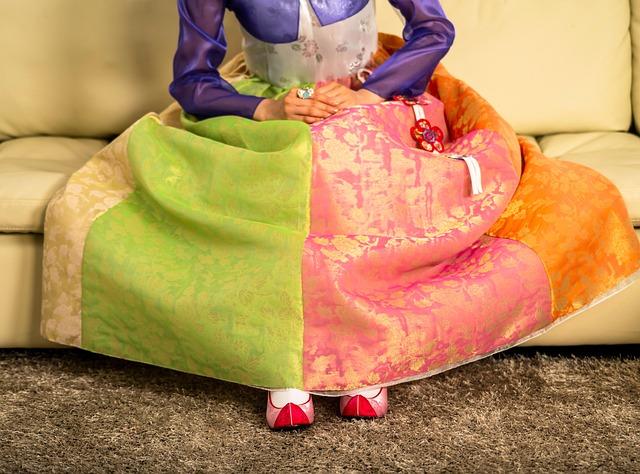
If you’ve ever glimpsed a traditional Korean hanbok, you probably noticed its flowing lines, vibrant colors, and timeless elegance – but there’s so much more to this iconic garment than meets the eye! In this blog, we’re diving into the enchanting world of hanbok to uncover the charming secrets behind its design, symbolism, and cultural significance. Whether you’re a fan of fashion, history, or simply curious about Korea’s rich heritage, get ready to fall in love with the story stitched into every fold of the hanbok. Let’s unwrap the beauty and meaning that make this traditional dress truly special!
Table of Contents
- Discovering the History and Cultural Significance Behind Hanbok
- Exploring the Unique Fabrics and Vibrant Colors of Traditional Hanbok
- How to Choose the Perfect Hanbok for Every Occasion
- Tips for Styling and Caring for Your Hanbok to Keep It Timeless
- Essential Advice to Take With You
Discovering the History and Cultural Significance Behind Hanbok
The traditional Korean hanbok holds a deep connection to the nation’s past, reflecting centuries of artistry and social customs. From the vibrant colors to the graceful lines, every element symbolizes something unique. For example, color choices often indicated social status or marital status, with brighter hues reserved for special occasions or youth.
Moreover, hanbok embodies a philosophy of harmony and balance. The flowing design represents natural beauty and freedom of movement, contrasting with more restrictive Western clothing styles. Therefore, wearing hanbok today offers a meaningful glimpse into how Koreans historically viewed elegance and comfort as inseparable.
Many travelers find that exploring hanbok’s cultural roots enhances their overall experience in Korea. For families, visiting royal palaces where hanbok was once the norm can be both educational and fun. Solo travelers interested in photography will appreciate the visual contrast hanbok creates against ancient architecture, especially during spring festivals. If you plan to try hanbok yourself, booking a guided hanbok tour can provide insider knowledge and easy access to top photo spots.
Seasonal factors also influence hanbok experiences. The lightweight fabrics make it suitable for warm seasons, yet modern adaptations mean you can stay warm during winter’s chill. Locals often layer undergarments in colder months, so renting or bringing thicker options might be wise for travelers visiting off-season. Either way, you can enhance your trip by capturing hanbok-clad moments in various scenic settings.
Whether you want to explore hanbok history or wear it during your visit, make sure to check out available hanbok rental shops close to landmarks. Booking your accommodation early ensures a comfortable base, so explore the best hotels nearby now. For those considering direct access to cultural hubs, secure your flights well in advance. And remember, having a car rental can open up hidden hanbok spots beyond city centers, making your journey even richer.
Exploring the Unique Fabrics and Vibrant Colors of Traditional Hanbok
Traditional Korean attire captivates with its use of luxurious fabrics such as silk, ramie, and hemp. Silk, valued for its smooth texture and gentle sheen, highlights the elegance of hanbok worn during special ceremonies. Meanwhile, ramie and hemp offer a lighter, breathable quality favored in warmer months, making hanbok comfortable for summer wear. These materials are carefully layered and sewn to allow ease of movement while maintaining the outfit’s graceful silhouette.
The color palette of hanbok is more than aesthetic; it conveys meaning and status. Bright hues like vivid reds, blues, and yellows often denote youth and festivity, while softer pastel tones express subtlety and refinement. In particular, the use of bold colors was historically reserved for festive occasions or higher social classes, adding a layer of cultural depth. Therefore, picking hanbok colors can be a rewarding way to understand Korean traditions and symbolism better.
For travelers who want to experience hanbok firsthand, it’s wise to plan according to your goals. Families visiting during spring or autumn may opt for lighter fabrics and vibrant colors ideal for photoshoots, while solo travelers might prefer traditional, heavier silk versions available at cultural exhibitions. Photographers will appreciate the interplay of bright hanbok against historic palaces or nature scenes, especially during peak seasons. Book your hanbok tour and accommodation early to enjoy the best selections and cultural immersion. Explore our hotels or secure your spot with convenient tours before you go!
How to Choose the Perfect Hanbok for Every Occasion
Choosing the ideal hanbok begins with understanding the occasion’s formality and style preferences. For weddings or traditional ceremonies, vibrant colors and intricate embroidery often suit the celebratory mood. However, for casual outings or cultural festivals, one might prefer simpler designs with muted tones to stay comfortable yet authentic.
Different body types and personal tastes also guide the selection process. If you favor a more structured look, opt for hanboks with fitted jeogori (jackets) and voluminous skirts that enhance your silhouette. Conversely, loose-fitting styles offer comfort and elegance for those attending extended events or for families prioritizing ease of movement.
Seasonality plays a crucial role in fabric choice, especially with Korea’s varied climate. For warmer months, lightweight silk or ramie hanboks provide breathability and grace. Meanwhile, during colder seasons, thicker cotton blends or layered hanboks keep you cozy without sacrificing traditional charm. Don’t forget to explore our hanbok tours to experience these styles firsthand!
If you’re traveling solo or with a photographer, choose colors and patterns that complement natural backdrops and lighting. Soft pastels and floral motifs enhance outdoor photo shoots, while bold reds or navy blues bring out vibrancy in urban settings. Additionally, consider booking nearby hotels to rest between photo sessions or cultural visits.
For families, coordinating hanbok styles can create a beautiful visual harmony during group events. Matching color palettes or complementary designs promote unity without overwhelming individual preferences. Plus, renting from trusted car services can simplify transportation logistics-check out car rentals for smooth travel arrangements.
Lastly, always factor in your destination’s accessibility and planned activities. Hanboks with shorter skirts or modern adaptations may be more convenient for exploring historical palaces or participating in hands-on workshops. Also, booking your flights early ensures you arrive refreshed and ready to embrace the hanbok experience fully. Embrace tradition with confidence and prepare for unforgettable moments in your chosen hanbok!
Tips for Styling and Caring for Your Hanbok to Keep It Timeless
When wearing your hanbok, it’s essential to prioritize both comfort and preservation. Choose lightweight fabrics like silk or ramie during warmer months to stay cool. However, in colder seasons, layering with traditional undergarments such as sokgot helps keep warmth without compromising style. Moreover, avoid exposing your hanbok to direct sunlight for long periods, as this can cause fading and deterioration of the delicate colors.
Caring for your hanbok properly ensures its longevity and timeless beauty. Hand-washing gently with cold water and mild detergent is highly recommended, especially for intricate embroidery and delicate materials. Dry your hanbok flat on a towel to maintain its shape and prevent stretching. If you prefer professional care, always seek cleaners familiar with traditional garments to avoid harsh treatments.
For regular maintenance, store your hanbok in a breathable garment bag to protect against moisture and dust. Use padded hangers to preserve the silhouette and prevent pinching at the shoulders. Additionally, consider booking a cultural experience tour where local artisans demonstrate hanbok care and styling, which enriches your appreciation and knowledge of its craftsmanship. Don’t miss the chance to explore more about Korean heritage through tours.
Frequently Asked Questions for Frequent Travelers
What are the best ways to save money on airfare when traveling frequently?
To save money on airfare, book flights in advance, use fare comparison websites, subscribe to airline newsletters for deals, and consider alternative airports. Flexible travel dates and loyalty programs also help reduce costs.
How can I stay healthy during frequent international trips?
Stay hydrated, eat balanced meals, get enough rest, and maintain a regular exercise routine. Pack essential medications, follow local health advisories, and practice good hygiene to avoid illnesses while traveling.
What is the best way to manage travel documents for frequent trips?
Keep digital and physical copies of your passport, visas, boarding passes, and travel insurance. Use secure travel apps to store documents and set reminders for visa expirations or renewals to avoid last-minute issues.
How can frequent travelers handle jet lag effectively?
Adjust your sleep schedule before travel, stay hydrated, avoid alcohol, and expose yourself to natural light upon arrival. Short naps can help, but avoid long sleeps during the day to reset your internal clock quickly.
What are essential packing tips for frequent travelers?
Pack versatile, wrinkle-resistant clothing and use packing cubes to stay organized. Carry travel-sized toiletries, a portable charger, and important adapters. Keep valuables and essentials in your carry-on for easy access.
Essential Advice to Take With You
As we wrap up our journey into the enchanting world of the traditional Korean hanbok, it’s clear that this beautiful garment is much more than just clothing. It carries centuries of culture, history, and artistry woven into every thread. Whether you’re drawn to its vibrant colors, graceful lines, or the stories it tells, the hanbok offers a charming glimpse into Korea’s rich heritage. So next time you see someone dressed in a hanbok or get a chance to try one on yourself, remember you’re stepping into a piece of living tradition-full of elegance, meaning, and timeless beauty. Thanks for exploring these delightful secrets with me, and I hope you feel inspired to discover even more about this fascinating cultural treasure!