

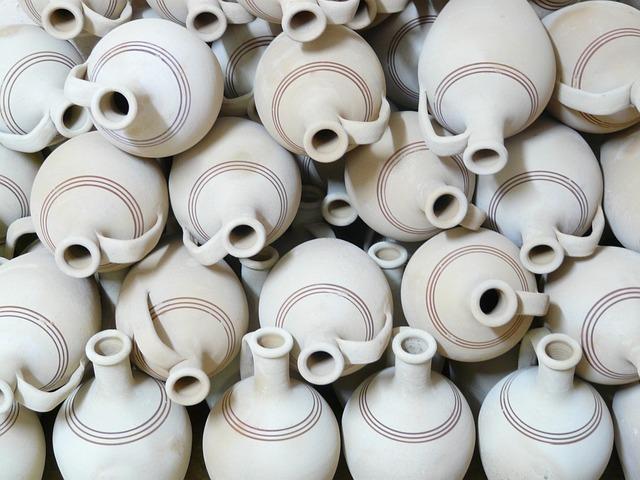
If you’ve ever been captivated by the simple yet striking beauty of handmade ceramics, then traditional Korean pottery might just steal your heart. This timeless craft, steeped in centuries of history, offers more than just beautiful vessels-it tells stories of culture, nature, and artistry passed down through generations. Join me as we uncover the charm of traditional Korean pottery art, exploring its unique techniques, stunning designs, and the quiet passion of the artisans who keep this heritage alive. Whether you’re a pottery novice or a seasoned collector, there’s something truly magical waiting to be discovered in every piece.
Table of Contents
- Discovering the Rich History Behind Korean Pottery
- Exploring Unique Techniques That Bring Korean Ceramics to Life
- How to Start Your Own Collection of Traditional Korean Pottery
- Where to Experience Authentic Korean Pottery Workshops and Exhibits
- What This Means for Your Next Journey
Discovering the Rich History Behind Korean Pottery
South Korea’s pottery tradition dates back thousands of years, reflecting its rich cultural heritage and artistic evolution. Early ceramics from the Neolithic era showcase simple, hand-built forms, yet by the Goryeo Dynasty, artisans mastered stunning celadon glazes that mesmerize collectors today. Therefore, exploring these ancient techniques reveals how pottery mirrored Korea’s changing society and ideals over centuries.
The regional diversity also adds unique layers to this craft, with famous kilns in places like Icheon and Bunwon offering distinct styles and clay types. Moreover, each region adapted to local resources, creating pottery with varied textures and colors that express their environment and customs. For families or solo travelers interested in hands-on learning, visiting these areas during spring or fall ensures pleasant weather for immersive workshops and pottery festivals.
For photographers and art lovers, traditional pottery markets and museums provide unmatched opportunities to capture and appreciate these masterpieces up close. However, visiting during peak season means larger crowds, so early mornings or weekdays are ideal to enjoy the calm charm. If you want to deepen your experience, don’t hesitate to book expert-guided tours showcasing master potters’ studios and kiln firing processes.
Exploring Unique Techniques That Bring Korean Ceramics to Life
One of the most captivating aspects of Korean pottery lies in the intricate glazing methods artisans use. These techniques often involve layering natural minerals that react uniquely in the kiln’s heat, creating stunning textures and color shifts. For example, the iconic celadon glaze displays a soft jade-green hue, turning pieces into elegant, almost translucent works of art.
Moreover, the wheel-throwing process remains a cornerstone of traditional Korean ceramics. Skilled potters use this method to achieve precise symmetry and delicate thickness, reflecting centuries of refined craftsmanship. However, the magic truly emerges during the firing stage when the kiln’s fluctuating temperatures add unpredictability, making each item genuinely unique.
For travelers keen to experience these traditions firsthand, visiting pottery villages such as Icheon is highly rewarding. Families may enjoy hands-on workshops that introduce basic throwing and glazing, while solo visitors can savor tranquil studio tours. Remember, booking guided tours in advance can enrich your journey, especially during peak seasons when demand soars. For your stay, consider reserving hotels nearby to immerse yourself fully in the region’s cultural ambiance.
The use of additive techniques such as carving and inlaying is another hallmark of Korean ceramics that breathes life into every piece. Craftsmen often engrave intricate motifs or embed contrasting clays before firing, injecting depth and narrative into otherwise simple vessels. This detailed decoration connects pots not only to nature but also to Korean historical symbolism, making each one a storytelling fragment.
Seasonally, visiting ceramic exhibitions and fairs in spring and autumn allows photographers and art lovers to capture freshly fired creations and witness live demonstrations. For those traveling off-peak, many studios offer intimate, personalized experiences where you can observe the kiln’s slow cooling process-a rare glimpse into the art’s patience and precision. Don’t miss out-secure your flight early when planning your artistic discovery trips.
Understanding the importance of the traditional wood-fired kiln deepens appreciation for Korean pottery. This method requires mastery of fire control, as fluctuating flames create unpredictable ash effects and subtle color variations. Moreover, watching artisans feed the kiln during firing sessions offers an immersive peek into the balance between nature and craftsmanship. For the complete experience, renting a car can help explore remote ceramic villages where such age-old practices continue to thrive.
How to Start Your Own Collection of Traditional Korean Pottery
Starting a collection of traditional Korean pottery is a rewarding journey into Korea’s rich artistic heritage. First, familiarize yourself with different types such as celadon, buncheong, and white porcelain. Each style has distinct shapes, glazes, and historical contexts, enabling you to appreciate subtle variations. To deepen your knowledge, visit museums or galleries specializing in Asian ceramics, where you can observe authentic pieces up close.
When acquiring pottery, consider purchasing from reputable sources like local markets in Icheon or Gwangju, known for their artisan workshops. However, if you can’t travel immediately, explore online auctions and trusted dealers who provide verified provenance. Moreover, pay attention to craftsmanship details like glaze texture, footring shape, and artist signatures to ensure authenticity and quality.
Building your collection also depends on your unique interests and budget. For families or casual collectors, small functional items like cups or bowls can be charming and affordable. In contrast, solo enthusiasts or serious collectors might focus on rare or antique pieces. Remember to store your collection properly-using sturdy shelves away from direct sunlight-and insure valuable items for protection. Book a tour to Korean pottery villages to gain firsthand experience with masters, or check out hotels near famous kiln centers to plan extended stays during your collecting trips.
Where to Experience Authentic Korean Pottery Workshops and Exhibits
If you want to dive deep into traditional Korean pottery, start your journey in the picturesque town of Icheon. Renowned as a UNESCO City of Crafts and Folk Art, Icheon offers immersive workshops where visitors can shape clay under the guidance of master potters. Families will appreciate the hands-on experience, while solo travelers find a relaxing creative escape; therefore, booking these sessions in advance, especially during peak seasons like spring and autumn, is recommended to secure your spot.
Seoul also offers unique opportunities to explore authentic Korean ceramics without leaving the city. At local cultural centers and galleries in Jongno, you can both witness exquisite Goryeo celadon exhibits and participate in beginner-friendly workshops tailored for all ages. Moreover, these urban studios often incorporate modern techniques alongside traditional ones, appealing to photographers and art enthusiasts who enjoy capturing the fusion of old and new. Booking accommodations nearby can enhance your art-filled itinerary and give easy access to evening exhibitions.
For a quieter, more intimate setting, the Andong region presents a remarkable destination for pottery lovers seeking cultural richness and tranquility. Its folk villages not only showcase historical ceramic pieces but frequently organize seasonal festivals where artisans demonstrate their craft live. Travelers aiming to avoid crowds during the off-season will find peaceful moments to connect deeply with the art form here; conversely, if you prefer vibrant atmospheres, visiting during the festival period brings a festive vibe perfect for social and artistic discovery. Don’t forget to arrange car rentals for a flexible and scenic journey across these rural landscapes.
What makes traditional Korean pottery unique?
Traditional Korean pottery stands out for its simple yet elegant designs, natural materials, and subtle glaze techniques. Its charm lies in the harmony between form and function, often reflecting Korean cultural values like balance and nature. This pottery is not only beautiful but also practical, showcasing centuries of skilled craftsmanship.
Where can travelers experience traditional Korean pottery art?
Visitors can explore various pottery villages and museums across Korea, such as the famous Icheon Ceramic Center and the Buan Tofu Village. These places offer hands-on workshops and exhibits that allow travelers to see artisans at work and even create their own pieces.
How can I recognize authentic traditional Korean pottery?
Authentic pieces often feature natural materials like clay and ash glazes, with subtle colors such as celadon green or white porcelain. Look for irregularities that signal handmade craftsmanship rather than mass production, and ask about the artist’s background or the pottery’s regional origin for added assurance.
Why should I consider buying traditional Korean pottery as a souvenir?
Traditional Korean pottery makes a meaningful souvenir because it combines artistic heritage with everyday use. It’s lightweight, durable, and embodies cultural stories that travelers can cherish or share. Plus, purchasing directly supports local artisans and helps preserve this ancient art form.
What This Means for Your Next Journey
And there you have it-a little glimpse into the timeless charm of traditional Korean pottery art. From its humble clay beginnings to the delicate glaze finishes, each piece tells a story steeped in history, culture, and passion. Whether you’re an art enthusiast or just curious about new crafts, exploring this beautiful tradition is sure to bring a sense of calm and creativity into your day. So next time you see a hand-crafted Korean pot or vase, take a moment to appreciate the artistry and heritage it carries. Who knows? It might just inspire you to try your hand at pottery or dive even deeper into Korea’s rich artistic world. Until then, keep exploring and stay curious!