

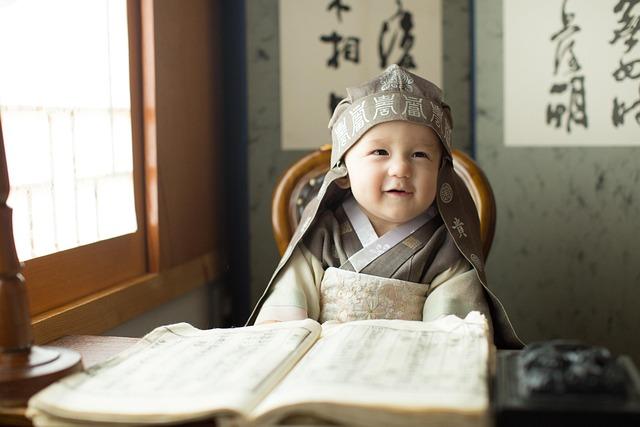
If you’ve ever seen a photo of someone wearing a traditional Korean hanbok, you probably noticed how effortlessly elegant and colorful it looks. But there’s so much more to this beautiful attire than meets the eye! In this blog, we’re diving into the charming secrets of traditional hanbok fashion-exploring its history, the meaning behind its vibrant colors and unique designs, and why it continues to capture hearts all over the world. Whether you’re a fashion enthusiast or just curious about Korean culture, get ready to discover what makes the hanbok truly special!
Table of Contents
- The Timeless Beauty Behind Hanbok’s Colors and Patterns
- Exploring the Meaning and Symbolism Woven into Every Stitch
- How to Choose the Perfect Hanbok for Every Occasion
- Tips for Styling Your Hanbok with Modern Accessories
- Essential Advice to Take With You
The Timeless Beauty Behind Hanbok’s Colors and Patterns
The colors and patterns of traditional hanboks speak volumes about Korean culture and history. Each shade carries symbolic meaning, often reflecting nature, status, or life stages. For example, vivid reds symbolize good fortune and celebration, while deep blues suggest calmness and stability, making the hanbok more than just clothing-it’s a canvas of cultural storytelling.
In addition to color, the patterns embroidered on hanboks hold special significance. Floral motifs like peonies represent wealth and honor, while phoenix designs symbolize rebirth and grace. These intricate details not only add beauty but also convey wishes for happiness or protection, connecting wearers to age-old traditions that continue to inspire modern designs.
For those eager to experience this rich heritage firsthand, consider planning your visit according to your interests. Families will enjoy colorful hanbok rentals during cultural festivals, creating lasting memories. Solo travelers and photographers can find serene palace grounds ideal for capturing the balance of vibrant colors against classical architecture, especially in spring or autumn. Moreover, you can easily book your stay or travel essentials to complement your trip with the best options in hotels, flights, or even car rentals. Embark on your journey and witness firsthand how every thread and hue celebrates centuries of Korean heritage.
Exploring the Meaning and Symbolism Woven into Every Stitch
Every thread, color, and pattern in a traditional hanbok conveys a story deeply rooted in Korean culture. The vibrant hues often reflect social status, age, or marital status, with bright reds symbolizing joy and prosperity, while softer pastels evoke youth and innocence. Moreover, geometric shapes and floral motifs are not merely decorative; they represent wishes for happiness, longevity, and protection.
The craftsmanship behind each hanbok requires precision and respect for symbolism. For instance, the jeogori’s curved sleeves are designed to express grace and fluidity, emphasizing natural beauty over rigidity. Therefore, when selecting a hanbok for special occasions, it helps to understand the meanings behind these elements to fully appreciate the garment’s cultural value.
Travelers interested in authentic experiences may want to visit local hanbok rental shops in Seoul or traditional markets during spring and autumn. These seasons showcase hanbok against the backdrop of blossoming cherry trees or vibrant fall foliage, making the perfect setting for photographers. Remember to book your hanbok tour early via our recommended tours to secure the best options for families or solo travelers.
For visitors looking to immerse themselves more deeply into Korean tradition, consider exploring hanbok workshops. These interactive sessions reveal the weaving techniques and dyeing processes, giving students personal insight into the artistry involved. Moreover, this hands-on approach enriches any cultural itinerary, especially for curious explorers and those visiting during less crowded off-seasons.
If you plan to stay longer, pairing your hanbok experience with lodging in nearby guesthouses adds authentic comfort to your journey. Book your hotels ahead, as places near historical sites tend to fill quickly, especially during festivals. Such arrangements allow more relaxed exploration of traditional neighborhoods where hanbok-wearing locals still stroll, keeping the culture alive and vibrant.
How to Choose the Perfect Hanbok for Every Occasion
Selecting the ideal hanbok starts with understanding the event’s nature and atmosphere. For formal occasions such as weddings or traditional holidays, opt for hanboks featuring rich colors and intricate embroidery, which highlight elegance and respect. Casual events call for simpler styles and lighter fabrics like cotton or linen, ensuring comfort without sacrificing cultural charm.
Seasonal conditions significantly influence the choice of fabric and layering. During warmer months, breathable materials like ramie or light silk keep you cool while presenting a graceful silhouette. Conversely, winter hanboks incorporate thicker silks and padded layers to provide warmth, which is perfect for outdoor festivals or chilly ceremonies. If you plan to attend events in varying climates, consider versatile layers that adapt easily to temperature shifts.
Personal style and body type also guide your selection to ensure flattering proportions and confidence. For families, coordinating the color palette among members enhances a harmonious look, especially in group photos. Solo travelers and photographers should focus on eye-catching hues and patterns that pop in images, while elderly wearers might prioritize ease of movement and softer textiles. To explore local events or reserve accommodations during your trip, book hotels and car rentals early for the best options.
Tips for Styling Your Hanbok with Modern Accessories
When blending classic hanbok styles with contemporary accessories, balance is vital. Pairing a delicate hanbok with a sleek leather handbag or minimalist clutch can enhance sophistication without overpowering the outfit’s traditional charm. For families attending cultural events, choosing practical yet stylish bags with compartments helps keep essentials secure while complementing vibrant hanbok fabrics.
Moreover, footwear choices offer an exciting way to modernize hanbok attire. While traditional beoseon socks and gomusin shoes remain elegant, adding subtle platform sneakers or low-heeled ankle boots can bring a fresh, urban twist. Solo travelers and photographers may appreciate shoes that provide more comfort and grip, especially if they plan to explore historic sites or take dynamic street shots, ensuring mobility alongside flair.
Layering with accessories like delicate chains, statement hairpins, or smart watches can also update the overall look. Be mindful not to clutter your outfit-choose one or two signature pieces to highlight. For cooler seasons, consider tailored coats or scarves in neutral hues that harmonize with your hanbok palette, maintaining warmth without sacrificing style. Don’t hesitate to browse great deals on car rentals to explore Korea’s scenic hanbok-friendly locations in comfort and style.
For a quick guide to accessorizing, keep these essentials in mind:
- Select modern bags that don’t clash with hanbok colors or patterns
- Opt for comfortable yet stylish footwear, suited to your activity level
- Use subtle jewelry to add personality without overwhelming the traditional silhouette
If you want to immerse yourself fully in hanbok culture with convenience, consider booking specialized tours that include expert styling advice and photo opportunities. These experiences often provide curated accessories to help you seamlessly merge history and contemporary fashion. Planning ahead saves time and enhances your hanbok adventure!
Frequent Traveler FAQ
What are the best ways to earn airline miles quickly?
To earn airline miles faster, use travel reward credit cards for everyday purchases, book flights with partner airlines, and take advantage of promotions or bonus mile offers. Joining frequent flyer programs and flying regularly with the same airline also helps accumulate miles.
How can I access airport lounges as a frequent traveler?
Access airport lounges by holding a premium credit card, purchasing a lounge membership, or flying in business or first class. Some airlines offer lounge access to elite frequent flyer members. Check specific lounge policies before traveling.
What are the top tips for managing travel fatigue on long flights?
Stay hydrated, move around periodically, and adjust your sleep schedule before flying. Use noise-canceling headphones, wear comfortable clothing, and consider light snacks to improve comfort and reduce jet lag after long flights.
How can frequent travelers find the best flight deals?
Use fare comparison websites, set up price alerts, and book flights during off-peak times like midweek or seasons with lower demand. Being flexible with travel dates and airports can also help secure better prices.
Is it worth joining multiple airline loyalty programs?
Yes, joining multiple programs can maximize rewards if you travel with different airlines. Focus on alliances and partner airlines to redeem miles more flexibly and gain elite benefits across carriers.
Essential Advice to Take With You
And there you have it-a delightful peek into the enchanting world of traditional Hanbok fashion! From its vibrant colors to the graceful lines that celebrate Korean heritage, Hanbok truly is more than just clothing; it’s a beautiful story woven through fabric and history. Whether you’re a fashion enthusiast or simply curious about cultural treasures, exploring Hanbok offers a wonderful way to connect with the past while appreciating timeless elegance. So next time you see someone donning this charming attire, you’ll know the rich secrets it holds-and maybe even feel inspired to try it on yourself! Thanks for joining me on this colorful journey, and stay tuned for more cultural discoveries ahead.