

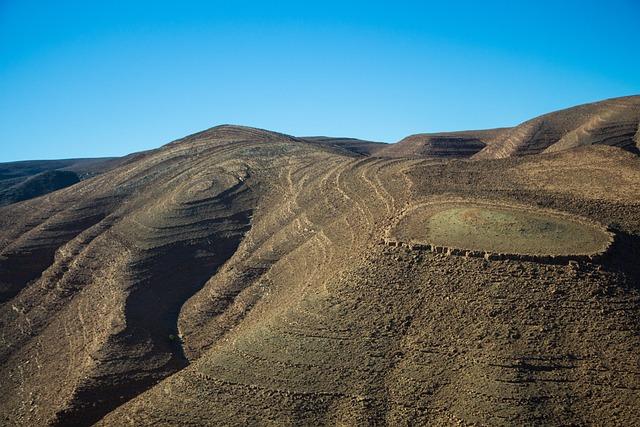
If you’re dreaming of a journey that combines stunning landscapes, rich culture, and timeless traditions, then Morocco’s Atlas Mountains should be at the top of your list. Nestled between rocky peaks and vibrant Berber villages, this majestic range is more than just a feast for the eyes-it’s a living museum of traditional crafts passed down through generations. From handwoven textiles to intricate pottery and beyond, the Atlas Mountains offer a unique glimpse into Morocco’s artisanal heritage. Join me as we explore the heart of these mountains and discover the incredible crafts that make this region truly unforgettable!
Table of Contents
- Exploring the Rich History Behind Atlas Mountains Crafts
- Handmade Treasures You Can Only Find in Morocco’s Mountain Villages
- How to Support Local Artisans and Bring Home Authentic Souvenirs
- Top Spots to Experience Traditional Craft Workshops in the Atlas Mountains
- Key Learnings from Our Adventure Guide
Exploring the Rich History Behind Atlas Mountains Crafts
The artisanal heritage of the Atlas Mountains dates back centuries, with crafts reflecting the unique culture and lifestyle of its Berber communities. These skilled artisans have passed down weaving, pottery, and silversmithing traditions through generations, preserving techniques that connect their work to the land and history. Their creations often incorporate natural dyes and locally sourced materials, symbolizing a deep bond with the environment and ancestral knowledge.
Moreover, many crafts serve practical purposes in daily mountain life, such as handwoven carpets designed for warmth and durability. However, over time, these utilitarian objects have evolved into artistic statements cherished worldwide for their intricate patterns and vibrant colors. Visitors will find that stories embedded in each piece reveal the values, beliefs, and survival strategies of mountain inhabitants.
For travelers keen on witnessing these traditions firsthand, the best time to explore workshops is during spring or early autumn when local artisans are most active. Families can enjoy interactive visits, while solo travelers and photographers will appreciate capturing the delicate hand movements and vivid details of the craft. To fully immerse yourself, consider booking a guided tour or staying in a traditional guesthouse through tours or hotels.
Handmade Treasures You Can Only Find in Morocco’s Mountain Villages
In the remote nooks of these mountains, artisans create unique crafts that reflect centuries of tradition and culture. From handwoven rugs with vibrant geometric patterns to delicate silver jewelry featuring Berber motifs, each piece tells a story. When visiting, you can often watch these skilled locals at work, turning natural fibers and metals into breathtaking treasures by hand.
Moreover, pottery and ceramics shaped from the mountain clay offer another glimpse into local life. These hand-painted wares, often adorned with earthy tones and symbolic designs, are perfect keepsakes or gifts. Families traveling with children can enjoy pottery workshops in some villages, providing a memorable, hands-on experience for all ages.
For solo travelers or photographers, each village presents a colorful tableau of craft markets and workshops, ideal for capturing authentic moments. However, keep in mind that these remote areas can be cooler in winter and lively during the summer festivals when many artisans showcase their best work. To make the most of your visit, consider booking guided tours of Atlas mountain workshops or arranging stays through local hotels, which often include craft demonstrations and direct buying opportunities. Don’t miss the chance to support these communities when you plan your Adobe clay village trip or craft market visits. Book your tours and hotels early to secure unique artisan experiences.
How to Support Local Artisans and Bring Home Authentic Souvenirs
Supporting local artisans in Morocco’s Atlas Mountains enriches your travel experience and helps preserve centuries-old crafts. When browsing markets or small workshops, look for authentic handmade items rather than mass-produced souvenirs. Moreover, purchasing directly from artisans ensures that your money benefits the community rather than middlemen or large retailers.
Families visiting the region might find that interactive workshops provide a meaningful experience. Many artisans are happy to demonstrate traditional weaving, pottery, or silverwork techniques, which children and adults find educational and inspiring. Solo travelers and photographers will appreciate quieter off-season visits to artisan villages, where they can capture the creative process without crowds and ask questions directly.
To make the most of your shopping, learn a few simple Berber or Arabic phrases, which show respect and foster genuine connections. Always agree on prices beforehand and consider bargaining politely, as it is part of the local custom. For added comfort and convenience, plan your route with reliable transport options-consider booking car rentals early, especially during peak seasons when demand spikes.
When selecting keepsakes, focus on authenticity and craftsmanship. Common treasures include handwoven rugs, intricate silver jewelry, leather goods, and carved wooden boxes. These souvenirs are not only beautiful; they embody the cultural heart of the Atlas community. Remember to check the quality closely, ensuring stitches are tight and colors vibrant, as genuine pieces maintain their charm for years.
If your timeline allows, join a guided artisan tour to deepen your understanding of the region’s handcrafted heritage. Guided tours often include visits to uninterrupted workshops and provide opportunities to meet multiple craftspeople in one day. Booking a tour can illuminate the significance of each piece and highlight conservation efforts locals undertake to keep their traditions alive.
Finally, support sustainability by avoiding plastic packaging and bring your own reusable bags when shopping. This small effort helps reduce waste and respects the pristine mountain environment. Don’t hesitate to ask artisans about their materials or sourcing – many use natural and locally gathered ingredients, which makes your purchase even more special.
Start planning your crafty getaway now and secure essential bookings like hotels and flights to experience Morocco’s Atlas Mountains fully!
Top Spots to Experience Traditional Craft Workshops in the Atlas Mountains
The Berber villages scattered across the Atlas Mountains offer some of the richest opportunities to engage with Morocco’s traditional crafts. For instance, the village of Imlil, just a short walk from trekking routes, hosts workshops where artisans demonstrate weaving vivid textiles using ancient techniques. Visitors can join small groups led by local experts, allowing for hands-on experience, which is ideal for solo travelers eager to learn new skills while meeting friendly faces.
In addition, the town of Tinerhir is renowned for its pottery studios, perched on the edge of the stunning Todra Gorge. Seasonal conditions greatly influence the availability of workshops here; during spring and autumn, mild weather creates a comfortable setting for families to enjoy crafting alongside children. Those visiting in peak summer will appreciate guided tours focused on the kiln-firing process, an essential and impressive part of the ceramic art that photographers especially find captivating due to the dramatic flames against the clear blue skies.
Moreover, for travelers seeking authentic hands-on immersion, zouks and weekly markets in regional hubs like Ouarzazate provide exceptional chances to learn about traditional metalwork and carpet making. Many workshops welcome guests to observe and participate, thus gaining insight into the meticulous patterns and techniques passed down for generations. Solo adventurers might book a cultural tour that combines visits to these markets with stays in local riads, fully immersing in craft culture while ensuring easy access to nearby accommodations. Don’t forget to secure your hotel early, especially if you plan a visit in the busy months of March and April, to fully enjoy these experiences without last-minute hassle.
To maximize your visit, consider these practical tips: bring suitable clothing for mountain climates, schedule workshops earlier in the day when artisans are most active, and carry small gifts to exchange as a sign of respect. Booking local guided tours can enrich the experience, offering unique insights and smoother logistics, so check out available options for tours here. Furthermore, arranging rental cars ahead can ensure you reach remote villages comfortably, especially in off-season fluctuations in transport availability. If capturing this cultural journey on camera is your passion, prepare for variable light by visiting at dawn or dusk, and explore natural settings around workshops for memorable shots. For convenient planning, consider arranging flights well in advance when aiming for the peak season at the Atlas foothills.
Frequently Asked Questions for Frequent Travelers
What is the best way to earn airline miles quickly?
To earn airline miles fast, use a travel rewards credit card for everyday purchases, take advantage of airline promotions, and always book flights with partnered airlines. Joining frequent flyer programs and shopping through airline portals also boosts mile accumulation.
How can I upgrade my seat on a flight without paying full price?
Look for last-minute upgrade offers during online check-in, use miles to upgrade seats, and join an airline’s loyalty program for elite status benefits. Occasionally, airlines send discounted upgrade emails before your flight.
What are the best tips to avoid jet lag on long trips?
Adjust your sleep schedule gradually before departure, stay hydrated, avoid caffeine and alcohol during the flight, and get exposure to natural sunlight upon arrival. Using sleep aids or melatonin can also help reset your internal clock.
How do I find reliable airport lounges accessible with my membership?
Check your credit card or airline loyalty program for lounge access benefits. Use lounge-finder apps or websites like Priority Pass to discover participating lounges worldwide. Arriving early at the airport increases your chance to relax in these areas.
Key Learnings from Our Adventure Guide
Whether you’re a seasoned traveler or simply a curious soul, the Atlas Mountains offer more than just breathtaking views-they’re a gateway to Morocco’s rich artisanal heritage. From handwoven carpets to intricate silver jewelry, exploring traditional crafts in this region connects you to the heart and history of Moroccan culture. So next time you dream of adventure, let the Atlas Mountains inspire you to discover the stories woven into every handmade treasure. Happy crafting-and happy travels!