

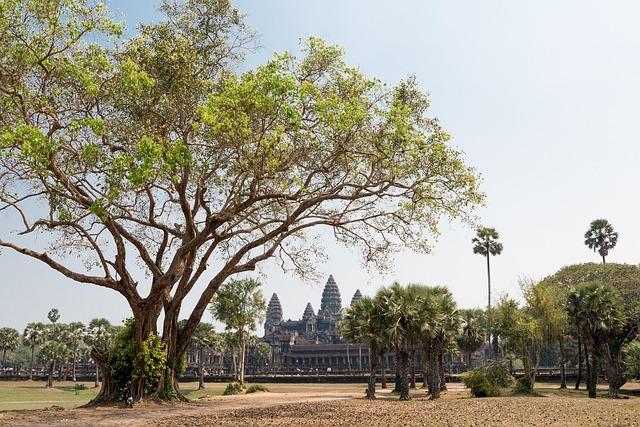
If you’ve ever dreamed of wandering through ancient stone temples, feeling the whispers of history in the air, and experiencing rituals that have been passed down for centuries, then Cambodia should be at the top of your travel list. This beautiful Southeast Asian gem is bursting with fascinating stories, warm smiles, and incredible cultural treasures waiting to be explored. Whether you’re a history buff, a culture enthusiast, or just someone looking for a unique adventure, join me as we dive into the heart of Cambodia-exploring its majestic temples and vibrant rituals in a way that’s friendly, fun, and easy to follow. Ready to uncover the magic? Let’s go!
Table of Contents
- Discovering the Majestic Temples Beyond Angkor Wat
- Unveiling the Spiritual Rituals That Shape Cambodian Culture
- Insider Tips for Respectful Visits and Meaningful Experiences
- Must-Try Local Foods and Souvenirs Near Ancient Sites
- In Retrospect: What We’ve Explored
Discovering the Majestic Temples Beyond Angkor Wat
Beyond the well-trodden paths of Angkor Wat lie hidden gems of Khmer architecture that enchant visitors with their history and serenity. Temples like Banteay Srei showcase delicate pink sandstone carvings, offering a striking contrast to Angkor Wat’s grand scale. Moreover, less crowded sites such as Preah Khan provide a more immersive experience, ideal for travelers seeking peaceful exploration and detailed stonework.
For families, visiting these temples during the cooler months from November to February is perfect to avoid midday heat and crowds. Solo travelers might find the early morning hours rewarding, capturing soft light for photography while navigating quieter complexes. Photographers should also consider the monsoon season’s lush greenery; despite occasional showers, such conditions amplify the mystical atmosphere of the ruins.
To get the most from your temple tour, consider renting a bicycle or tuk-tuk for flexible travel between sites. This method allows brief stops for cultural immersion or refreshments, especially in remote areas where amenities are sparse. Also, remember to book your guided tours in advance to gain in-depth insights into ancient rituals and symbolism, as well as secure comfortable hotel accommodations nearby for relaxation after a day’s discovery. Check out these options for your trip and prepare for a journey into Cambodia’s rich heritage at tours and hotels.
Unveiling the Spiritual Rituals That Shape Cambodian Culture
Cambodian spiritual traditions are deeply woven into daily life, reflecting a unique blend of animism, Theravada Buddhism, and ancestral worship. Locals often perform offering rituals at shrines, using flowers, incense, and food to invite blessings. These acts, observed in markets and temples alike, highlight how faith guides personal and community decisions throughout the year.
One of the most enchanting practices is the Pchum Ben Festival, a time when families honor their ancestors by visiting pagodas and offering food to monks. This 15-day event draws hundreds of thousands to temple grounds, where chants and ceremonies foster spiritual connection. If you’re traveling during the festival season, joining locals at a pagoda can provide an immersive cultural experience unlike any other.
Photographers and cultural enthusiasts will find that witnessing these rituals at dawn or twilight offers the most magical light and atmosphere. However, travelers in the off-season can still enjoy quieter moments in temples, where monks might share stories about the meaning behind rituals. For a seamless visit, consider booking a local guide and arranging your stay through reliable hotel services to enhance comfort and understanding. Don’t miss the chance to explore temple tours that capture Cambodia’s rich spiritual essence. Book your tours now.
Insider Tips for Respectful Visits and Meaningful Experiences
When visiting Cambodia’s sacred temples and ritual sites, showing respect for local customs is essential. For instance, always dress modestly by covering shoulders and knees, which reflects reverence toward both the place and its people. Moreover, remove shoes before entering temple buildings; this small act speaks volumes about your cultural sensitivity. Families with children should gently explain these etiquettes beforehand so everyone enjoys a smooth visit without unintentional disrespect.
Timing your visits thoughtfully can enhance your experience and ease crowds. Early mornings or late afternoons provide softer natural light that photographers and nature lovers will appreciate, while also avoiding the mid-day heat typical in Cambodia’s dry season. However, during the rainy season, carry a light raincoat and waterproof gear, as sudden showers are frequent but often brief. Solo travelers especially benefit from joining guided tours during off-peak months to ensure safety and access to hidden temple corners.
Embracing local rituals unlocks deeper meaning in your adventure. If you encounter monks or worshippers, observe quietly and ask permission before photographing or engaging in conversations. Moreover, participating in a traditional blessing with respectful guidance can transform your visit into a lasting memory. For those interested, booking a local tour can connect you with authentic experiences and knowledgeable guides who reveal temple histories and spiritual practices. Don’t miss the chance to explore accommodation options nearby to immerse yourself fully without rushing your exploration hotels. Also, consider reserving your flight early for better deals during peak cultural festivals flights.
Must-Try Local Foods and Souvenirs Near Ancient Sites
When wandering near Cambodia’s ancient temples, sampling local delicacies offers a flavorful adventure of its own. Try the ever-popular Nom Banh Chok, a traditional fish curry noodle soup that refreshes travelers after long temple walks. For those visiting in the cooler months, a warm bowl of Bai Sach Chrouk-grilled pork with rice-is a comforting breakfast option available at most village markets nearby.
Moreover, street vendors and small eateries often serve Kuy Teav, a fragrant noodle dish with pork or beef, perfect for solo hikers needing quick energy. Families should also indulge in fried banana pancakes, a sweet treat loved by kids and adults alike, especially during the dry season. Vegetarians will appreciate the variety of fresh tropical fruits sold by local farmers, with mangoes and durians providing natural energy boosts during long days of exploration.
When it comes to souvenirs, consider bringing home handwoven silk scarves or delicately carved wooden statues, which capture Cambodia’s rich artistry. However, be cautious when purchasing to avoid mass-produced souvenirs; look for items crafted by local artisans who support sustainable trade. For travelers eager to preserve memories uniquely, photographing handmade silver jewelry at small community markets provides both inspiration and cultural insight. Don’t forget to book your tours early to access these authentic markets and experiences!
For convenience, many places near the temples offer cold coconut water-a must-have refreshment under the blazing sun after hours of temple touring. Solo travelers should explore local food stalls with a guide to discover hidden culinary gems safely. Meanwhile, families can benefit from booking accommodations near towns with easy access to both dining and shopping options, enhancing comfort for all ages.
If you want to explore further or extend your stay, check out affordable hotels nearby. And remember, renting a car is ideal for independent explorers who wish to navigate temple grounds and local markets at their own pace-reserve your car rental ahead for the best rates!
What are the must-see ancient temples in Cambodia?
Cambodia is home to many stunning temples, with Angkor Wat being the most famous and largest. Other notable sites include Bayon Temple, known for its stone faces, and Ta Prohm, where nature intertwines with ruins. Exploring these temples offers a glimpse into Cambodia’s rich history and architecture.
When is the best time to visit Cambodia’s temples to avoid crowds?
The ideal time to visit Cambodia’s temples is during the dry season, from November to February, when the weather is cooler and more comfortable. Early mornings and late afternoons are best for avoiding crowds and experiencing peaceful temple visits.
How can travelers respectfully experience Cambodian rituals?
To respectfully enjoy Cambodian rituals, visitors should observe quietly, dress modestly, and ask permission before taking photos. Participating with an open mind and humility helps deepen the connection with local culture and traditions.
Can you explain the significance of rituals around ancient temples in Cambodia?
Rituals at Cambodia’s ancient temples blend Hindu and Buddhist traditions, reflecting centuries of spiritual practice. These ceremonies often honor ancestors, deities, or seasonal cycles, offering insight into the deep cultural roots and beliefs of the Cambodian people.
What practical tips should travelers know before exploring Cambodia’s temples?
When visiting temples, pack comfortable shoes, bring water, and wear lightweight but respectful clothing. Remember to follow local customs such as removing shoes before entering certain areas and staying on designated paths to preserve these historic sites.
In Retrospect: What We’ve Explored
And there you have it-your friendly guide to the enchanting world of Cambodia’s ancient temples and vibrant rituals! Whether you’re wandering through the majestic Angkor Wat at sunrise or joining in a lively local festival, Cambodia offers a journey filled with awe, history, and warm welcomes. So pack your curiosity, bring an open heart, and get ready to make memories that will last a lifetime. Happy exploring!