

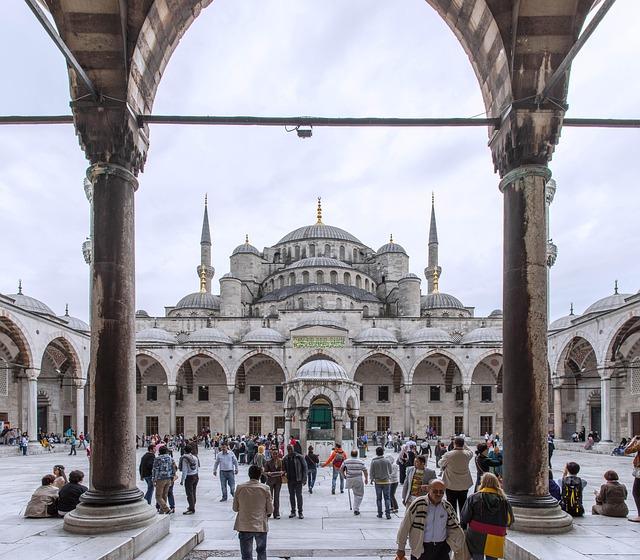
Traveling is one of life’s greatest joys, especially when it goes beyond the usual tourist spots and truly immerses you in the local culture. But diving into a new culture can sometimes feel a little overwhelming, right? Don’t worry-this guide is here to help! Whether you’re wandering through bustling markets, joining in traditional festivals, or just chatting with locals over a cup of coffee, these cultural travel tips will help you make the most of every moment abroad. Ready to discover how to travel with an open heart and curious mind? Let’s get started!
Table of Contents
- Choosing Local Experiences Over Tourist Traps
- Mastering the Art of Language and Communication
- Respecting Traditions and Customs With an Open Mind
- Tasting Your Way Through Authentic Local Cuisine
- The Bottom Line for Globe-Trotters
Choosing Local Experiences Over Tourist Traps
When venturing beyond popular landmarks, immersing yourself in authentic local culture reveals the soul of your destination. Instead of following crowds to well-trodden tourist spots, seek neighborhood cafes, family-run markets, or artisan workshops where you can interact with residents. This approach deepens your understanding and offers richer stories to cherish long after your trip ends.
For families traveling with children, participatory activities like cooking classes or traditional craft sessions provide memorable hands-on experiences. Solo adventurers might explore hidden trails or join small community events to meet locals naturally. Photographers should consider early mornings or late afternoons in lesser-known districts, capturing vibrant life away from staged tourist backdrops. Moreover, visiting during off-peak seasons often means fewer crowds and more genuine encounters, although some community festivals may happen only at certain times, so plan accordingly.
To fully embrace these moments, adopt flexibility in your itinerary and prioritize local recommendations over guidebooks. Ask shopkeepers where they eat or which street hosts the best street performers. Additionally, booking small-group tours led by locals can enhance your experience by revealing insider knowledge and personalized insights. Don’t forget to secure convenient hotels nearby to stay immersed in the authentic atmosphere for longer stretches.
Mastering the Art of Language and Communication
Achieving fluency in local dialects enhances your travel experience, enabling real connections beyond touristic encounters. Begin with essential phrases such as greetings, expressions of gratitude, and polite requests. However, don’t hesitate to use translation apps or carry a pocket phrasebook to bridge gaps smoothly when spontaneity strikes.
Nonverbal cues play a significant role, especially in cultures with subtle communication styles. Notice gestures, facial expressions, and body language to avoid misunderstandings and display respect. For example, in some Asian countries, maintaining a soft tone conveys politeness, and a gentle nod signals attentiveness rather than agreement.
For families visiting abroad, encouraging kids to learn basic words fosters curiosity and engagement with locals. Solo travelers may benefit from language meetups or local classes, turning learning into a social adventure. Moreover, photographers can gain deeper access and trust by politely conversing with subjects, enriching both stories and shots. Plan language immersion on your schedule to match peak travel seasons when community activities are in full swing or consider quieter months for focused study and practice.
Exploring cultural nuances in communication can greatly enhance your social interactions abroad. Understanding humor, storytelling traditions, or formalities sharpens your awareness and respect for local customs. Therefore, watching local films, listening to music, or reading simple texts beforehand can prepare you for authentic encounters.
When language barriers emerge, patience is key. Practice active listening, show enthusiasm, and always smile to signal goodwill. Overcoming these challenges often leads to memorable experiences that go beyond language itself. Don’t forget to book tours designed for cultural immersion to tailor your journey with expert guidance and access hidden gems.
Respecting Traditions and Customs With an Open Mind
Traveling with genuine respect for local customs enhances your experience and makes meaningful connections possible. Before you arrive, spend time learning about social norms, greetings, and dress codes. This preparation prevents unintentional disrespect and shows locals your sincere interest, which often leads to warmer welcomes and invitations to join traditions.
Different regions may have unique rituals that seem unfamiliar or surprising. However, approaching these with curiosity rather than judgment helps you embrace diversity. For example, visitors to sacred sites should always follow guidelines on silence and behavior, especially during ceremonies. Families traveling with children can gently explain these customs to young ones, turning moments into valuable cultural lessons.
When sharing meals or attending community events, it is courteous to observe or ask about appropriate participation. Solo explorers might find asking locals for advice helps navigate subtle social cues and avoids awkward moments. Moreover, travelers during off-peak seasons often experience more intimate, authentic encounters, where a mindful attitude truly earns trust and respect. Consider booking local experiences or guided tours to deepen your understanding and support cultural preservation. Explore reliable options for tours and hotels to enrich your stay.
Tasting Your Way Through Authentic Local Cuisine
Exploring new cultures through their local dishes offers an unforgettable window into everyday life abroad. Whether you’re dining at a bustling street market or a family-run eatery, tasting authentic meals enriches your travel experience. For families, seek out vendors serving smaller portions and milder spices, helping kids adjust to new flavors.
Solo travelers might enjoy visiting neighborhood cafés or food stalls where locals gather, as these spots often encourage friendly conversations. Moreover, venturing off the beaten path during the peak season allows you to sample fresher and more traditional ingredients. Conversely, in the off-season, prioritize hearty, warming meals reflecting local comfort food, which can provide a cozy break from chilly weather.
For food photographers or culinary enthusiasts, capture colors and textures by visiting open kitchens or markets early in the morning when produce is freshest. Don’t hesitate to ask vendors about the origins of dishes and cooking methods. To truly savor the experience, you can book guided food tours that connect you with passionate locals and provide insider access-check out options for your next trip.
Tips to enhance your tasting experience:
- Start with popular signature dishes, then venture into lesser-known regional specialties.
- Learn a few key phrases in the local language to order and compliment chefs.
- Pair meals with traditional beverages, such as herbal teas or regional wines, to complete the flavor journey.
If you want to dive deeper into authentic cuisine, consider staying near local markets and eateries-use our hotels page to find accommodations that keep you close to these vibrant food hubs. Also, booking your flights early can secure better prices for culinary-rich destinations; check out the best deals on flights.
How can I respectfully experience a new culture while traveling?
To respectfully experience a new culture, start by learning basic customs and greetings before you arrive. Engage with locals by asking questions and listening carefully, and always dress and behave appropriately for the setting. This approach shows genuine interest and helps you connect more meaningfully.
What are some tips for avoiding common cultural misunderstandings abroad?
Common misunderstandings can be avoided by researching local etiquette, such as tipping practices or gestures to avoid. Additionally, observing how locals interact and mimicking their pace and tone can help you fit in naturally. If unsure, politely ask for guidance to demonstrate respect and openness.
How can I find authentic cultural experiences instead of tourist traps?
Authentic experiences often come from exploring neighborhoods off the beaten path, visiting local markets, and attending community events or festivals. Consider joining small group tours led by locals or staying with a host family to gain insider perspectives. Also, trying traditional foods at family-run restaurants can enrich your cultural immersion.
What should I pack to prepare for immersive cultural travel?
Pack versatile clothing suitable for local weather and customs, including modest options if required. Don’t forget essentials like a phrasebook or translation app, a reusable water bottle, and small gifts for hosts or new friends. Being prepared helps you feel comfortable and respectful in diverse settings.
Why is it important to be open-minded when traveling for cultural experiences?
Being open-minded allows you to appreciate unfamiliar traditions and perspectives without judgment. This mindset enhances your travel experience by fostering empathy and deeper understanding. Ultimately, it turns your trip into a meaningful journey of personal growth and connection.
The Bottom Line for Globe-Trotters
Traveling with an open heart and mind can transform any trip from a simple vacation into a truly immersive experience. By embracing local customs, engaging with communities, and stepping outside your comfort zone, you’ll not only see new places but also gain a deeper understanding of the world around you. So next time you pack your bags, remember these cultural travel tips-they’re your passport to meaningful adventures that stay with you long after the journey ends. Happy travels, and here’s to exploring with curiosity and respect!