

Table of Contents
- The Heartbeat of Heritage Understanding the Role of Traditional Music in Cultural Identity
- Moving to the Rhythm Exploring Iconic Dance Styles Rooted in Tradition
- Instruments that Tell Stories A Closer Look at Unique Traditional Music Tools
- How to Experience Traditional Music and Dance Respectfully on Your Travels
- Key Takeaways
The Heartbeat of Heritage Understanding the Role of Traditional Music in Cultural Identity
Traditional music serves as a vibrant thread weaving together the fabric of a community’s identity. It not only reflects the values, stories, and emotions of its people but also acts as a living archive passed down through generations. When melodies, rhythms, and instruments echo the landscapes and histories of a region, they become more than just sound-they become a voice for cultural storytelling. This deep connection helps preserve languages, rituals, and social norms, keeping the spirit of a culture alive in an ever-globalizing world.
Plan Your Trip to Oceania
Through traditional music, communities experience:
- A sense of belonging that strengthens social bonds and community pride.
- Emotional expression that communicates collective joy, sorrow, and resilience.
- Intergenerational dialogues that teach younger members about their roots and values.
- Cultural continuity that safeguards unique identities from being lost.
Moving to the Rhythm Exploring Iconic Dance Styles Rooted in Tradition
Dancing has always been a powerful expression of cultural identity, weaving history and storytelling into every step. From the passionate swirls of Flamenco in Spain to the rhythmic stomps of the West African Agbekor dance, each style carries with it the heartbeat of generations. These dances are more than movement; they are living archives, preserving ancient customs and emotions through vibrant, physical language. Observing or participating in these traditional dances grants a unique glimpse into a community’s soul, where every gesture and rhythm connects participants to their ancestors and shared heritage.
Some iconic dance traditions to explore include:
- Kathak from India, where storytelling merges with intricate footwork and graceful spins.
- The Haka of the Māori people, a powerful war dance that celebrates strength and unity.
- Irish Stepdance, known for its rapid leg and foot movements while the upper body remains mostly still.
Whether performed at festivals, rites of passage, or everyday celebrations, these dances carry lessons in resilience, community, and artistic innovation, reminding us that tradition dances on, timeless and unbroken.
Instruments that Tell Stories A Closer Look at Unique Traditional Music Tools
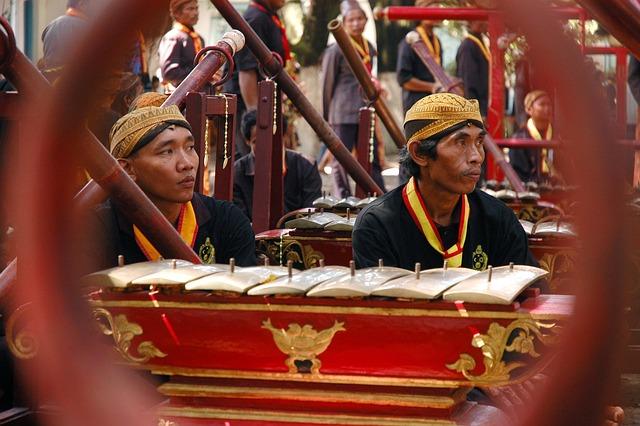
Across the globe, traditional instruments serve as vibrant storytellers, weaving tales of heritage, identity, and community. These unique tools, often handcrafted with natural materials, embody the soul of their cultures. For instance, the didgeridoo from Australia’s Aboriginal peoples mimics the sounds of the outback, inviting listeners into the timeless landscape of ancient rituals. Similarly, Japan’s shamisen, a three-stringed lute, carries melodies that unfold centuries of history and poetic expression, its twangy resonance echoing through intimate tea houses and grand temples alike.
What makes these instruments truly fascinating are the distinct techniques and symbolism they hold. From the rhythmic pulses of African djembe drums that mimic the human heartbeat to the delicate plucks of the Indian sarod that evoke spiritual moods, each tool is a vessel for cultural dialogue. Many traditional instruments are also a family heirloom, passed down through generations, ensuring that the stories they tell never fade. Whether through vibrant festivals or quiet moments of reflection, these sonic treasures keep the pulse of human history alive.
- Djembe: The “talking drum” of West Africa;
- Erhu: A two-stringed fiddle rich with emotional depth from China;
- Marimba: Wooden keys producing warm tones central to Central American celebrations;
- Mbira: Often called a thumb piano, connecting Zimbabwean music to spiritual realms.
How to Experience Traditional Music and Dance Respectfully on Your Travels
When immersing yourself in traditional music and dance, it’s essential to approach with genuine respect and curiosity. Start by learning about the cultural context behind the performances-understand the stories, rituals, and historical significance that shape the movements and melodies. Engage with local artists and communities, listening actively and asking thoughtful questions. This not only enriches your experience but also demonstrates your respect for their heritage. Avoid making assumptions or appropriating styles without acknowledgment; instead, celebrate the uniqueness of each tradition by honoring its origins.
To deepen your connection, consider participating in interactive experiences such as workshops or guided tours that emphasize cultural sensitivity. Here are some practical tips to keep in mind:
- Dress appropriately according to local customs when attending performances or ceremonies.
- Seek permission before taking photographs or videos, especially in sacred settings.
- Support local artisans and musicians by purchasing authentic crafts or attending community events.
- Respect boundaries-if a dance or song is private or ritualistic, observe quietly without intruding.
Key Takeaways
And there you have it-a whirlwind trip through the vibrant world of traditional music and dance! From the rhythmic drumming of Africa to the graceful movements of Asia’s classical dances, it’s clear that music and dance are more than just art forms-they’re the beating heart of cultures everywhere. So next time you hear those familiar beats or see a traditional dance performance, remember you’re witnessing a beautiful story passed down through generations. Keep exploring, keep dancing, and let the world’s melodies inspire your own cultural journey!Related Travel Guides
Frequently Asked Questions
When is the best time to visit Travel?
The optimal months depend on weather and crowds. Shoulder seasons (April-June and September-October) typically offer the best balance of weather, prices, and fewer tourists. Avoid peak summer for European or Mediterranean destinations and rainy seasons for tropical ones.
How much does a Travel trip cost?
Costs vary by season and travel style. Budget travelers can expect 60-100 USD per day, mid-range 150-250 USD, luxury 400+ USD per day. Book flights and accommodation 3-4 months ahead for best prices.
Do I need travel insurance for Travel?
Yes, travel insurance is strongly recommended for international trips. It covers medical emergencies, trip cancellation, lost baggage, and adventure activity coverage. Compare quotes from World Nomads, SafetyWing, and Allianz.
How many days should I plan for Travel?
For a first visit, 5-7 days is the minimum to see the main highlights. 10-14 days gives you time to explore at a slower pace and add side trips. Multi-destination trips need 14+ days minimum.