

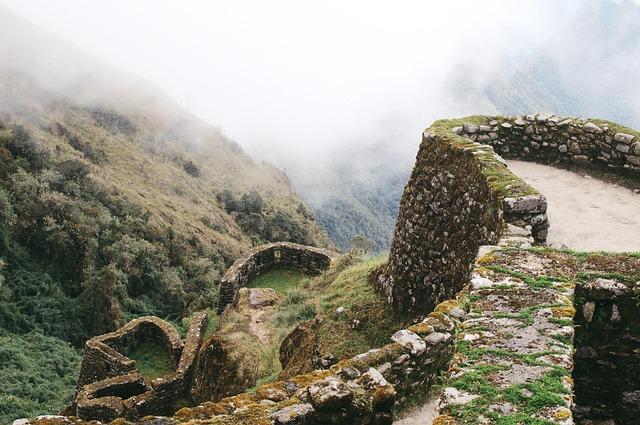
Nestled high in the Andes, the Peru Highlands are a treasure trove of vibrant colors, rich history, and timeless traditions. Among the most captivating of these is the art of weaving-a craft that has been lovingly passed down through generations. In this blog, we’ll dive into the heart of Peru’s weaving culture, exploring the stories behind the intricate patterns, the skilled hands that bring them to life, and the deep connection between these textiles and the communities that create them. Whether you’re a curious traveler, a lover of handmade crafts, or simply seeking a splash of inspiration, join me on this colorful journey through the weaving traditions that make the Peru Highlands truly unforgettable.
Table of Contents
- Exploring the Rich History Behind Peru Highlands Weaving
- Discovering the Unique Techniques and Materials of Traditional Weavers
- How Vibrant Colors Bring Stories to Life in Every Textile
- Tips for Supporting Artisans and Preserving Weaving Traditions
- The Bottom Line for Globe-Trotters
Exploring the Rich History Behind Peru Highlands Weaving
The weaving traditions of Peru’s highlands trace back thousands of years, embodying a deep connection between culture, nature, and community. These intricate textiles are often woven by skilled artisans using ancient techniques passed down through generations. Moreover, each piece tells a story-expressing local myths, spiritual beliefs, and the rhythms of daily life in the Andes.
What makes these textiles even more remarkable is the use of natural fibers and vibrant dyes extracted from native plants, insects, and minerals. This sustainable approach highlights a profound respect for the surrounding environment, which continues to inspire artisans today. Therefore, travelers who explore these practices gain unique insights into the sustainability ingrained in Andean craftsmanship.
For those planning to visit the weaving communities, timing matters. During peak months like June to September, weaving festivals showcase live demonstrations and intricate exhibitions. However, visiting in the off-season can offer quieter, more intimate experiences, allowing visitors to engage deeply with the artisans. Families may prefer guided tours that emphasize educational activities, while photographers should seek early morning light to capture vibrant textiles against dramatic mountain backdrops. Book your next tours now to experience these rich traditions firsthand.
When visiting weaving villages, consider the following tips to maximize your cultural journey and comfort:
- Dress in layers, as high-altitude weather can shift quickly.
- Bring local currency for purchasing authentic handwoven souvenirs directly from artisans.
- Respect the weaving process by asking permission before photographing.
- Support community projects by choosing responsibly guided visits.
These ancient weaving practices aren’t just crafts; they are vivid expressions of identity and resilience. For travelers eager to immerse themselves, arranging hotels close to artisan hubs can create seamless exploration days. Likewise, early flight bookings ensure flexible schedules to reach these remote highland regions comfortably.
Discovering the Unique Techniques and Materials of Traditional Weavers
Traditional weavers in the Peru Highlands master a remarkable array of techniques that have been passed down for generations. They primarily employ backstrap looms, which allow for intricate patterns through hand-operated tension control. This method enables artists to embed symbolic designs reflecting local legends and natural elements, creating textiles rich in cultural storytelling.
The materials chosen are equally significant, with artisans sourcing alpaca and sheep wool from nearby herds. These fibers are naturally warm and durable, ideal for the highland climate. Moreover, many weavers dye their yarns using plants like cochineal and indigo, ensuring each fabric bursts with vibrant, lasting colors that deepen with time.
Travelers visiting different villages will notice subtle regional differences in style and material preparation. Families and solo travelers alike should consider visiting during the dry season, when workshops are fully operational and outdoor demonstrations are common. Photographers and culture enthusiasts can capture dynamic weaving workshops-booking a guided tour is a great way to ensure authentic encounters with these master artisans.
How Vibrant Colors Bring Stories to Life in Every Textile
In the heart of the Peru Highlands, every thread and hue tells a story that connects generations. The vivid colors woven into textiles do more than catch the eye; they convey myths, historical moments, and sacred symbols. Artisans use natural dyes derived from local plants, insects, and minerals, ensuring that each shade reflects the surrounding landscape and cultural heritage.
Moreover, the rich color palette varies with the seasons, making textiles a living record of the environment’s cycles. For travelers, this means that timing your visit can reveal different artistic expressions. Families exploring during the dry season can observe artisans using bright reds and yellows, while solo travelers during the rainy months might find deep blues and greens symbolizing renewal and growth. Photographers, in particular, will appreciate how the sunlight enhances these vibrant fabrics, creating stunning contrasts against the highland backdrop.
To experience this tradition fully, consider participating in a weaving workshop or visiting local markets. Booking guided tours provides insight into the dyeing process and its cultural significance, adding depth to your adventure. Whether you’re seeking hotels nearby or arranging car rentals to explore remote villages, planning ahead ensures you don’t miss these rare moments bursting with color and history. Don’t wait-discover the magic behind these textiles by booking your next Peru trip today!
Tips for Supporting Artisans and Preserving Weaving Traditions
Supporting local artisans is essential for preserving the rich heritage embedded in Andean textile crafts. When purchasing woven goods, seek out fair-trade cooperatives or direct-from-artist markets, which ensure that profits reach the creators rather than intermediaries. Moreover, consider buying during local festivals or artisan fairs, as these occasions often showcase the most authentic and culturally significant textiles.
For families traveling with children, interactive workshops offer a unique chance to learn about traditional weaving techniques firsthand, fostering appreciation across generations. Solo adventurers or photographers can enhance their experience by visiting remote weaving communities during the off-season, when fewer tourists help maintain quieter, more personal encounters. However, always respect the artisans’ time and privacy by scheduling visits in advance and asking permission before photographing their work or processes.
Seasonal conditions also play a role in supporting these crafts effectively. During colder months, purchasing warmer items such as alpaca shawls or blankets can be a practical choice, while in warmer seasons, lighter cotton woven garments are more common. Ultimately, your mindful investment sustains artisan livelihoods and promotes cultural preservation. To fully immerse in this vibrant tradition, book your tours early and secure accommodation through trusted hotels recommended by locals.
What makes Peru Highlands’ weaving traditions unique?
Peru Highlands’ weaving traditions stand out for their vibrant colors and intricate patterns that reflect centuries of cultural heritage. These textiles are created using ancient techniques passed down through generations, often featuring symbolic designs inspired by nature and Andean mythology.
Where can travelers experience authentic weaving communities in the Peru Highlands?
Travelers can visit villages like Chinchero, Pisac, and Ollantaytambo to see authentic weaving in action. These communities offer workshops and markets where visitors can meet artisans, watch traditional weaving, and purchase handcrafted textiles directly from the makers.
How are traditional Peruvian textiles made?
Traditional textiles are made using hand-spun wool from alpacas or sheep, dyed with natural pigments from plants and minerals. Then, artisans weave the wool on backstrap or foot looms using time-honored methods, creating durable and detailed fabrics rich in cultural stories.
Why should visitors buy handwoven textiles from the Peru Highlands?
Purchasing handwoven textiles supports local artisans and helps preserve their cultural legacy. Additionally, each piece is unique, showcasing the creativity and skill of the weaver, making it a meaningful souvenir that carries a story beyond its beauty.
Can anyone learn to weave like the Peru Highlands artisans?
Yes, many weaving communities welcome visitors to participate in workshops. These hands-on experiences provide insight into the techniques and cultural significance behind the craft, making it a rewarding way to connect with Andean traditions.
The Bottom Line for Globe-Trotters
As we wrap up our journey through the vibrant weaving traditions of the Peru Highlands, it’s clear that these intricate textiles are much more than just beautiful fabrics-they’re stories woven with history, culture, and community spirit. Whether you’re a traveler, a craft enthusiast, or simply curious, diving into the world of Andean weaving offers a colorful glimpse into a rich heritage that continues to thrive today. So next time you spot a handwoven piece adorned with those stunning patterns, remember the generations of skilled artisans behind it, and perhaps even be inspired to explore these traditions for yourself. Until our next cultural adventure, keep celebrating the art that connects us all!