

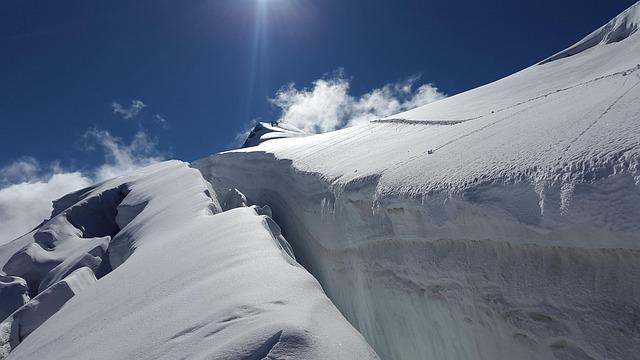
Ready to take your sense of adventure to new heights-literally? High-altitude adventures offer the perfect mix of breathtaking views, heart-pumping thrills, and unforgettable memories. Whether you’re dreaming of scaling rugged mountain peaks, soaring through the clouds in a paraglider, or trekking through alpine trails, there’s something truly magical about exploring the world from above. But with great heights come great challenges-and safety should always be your top priority. In this guide, we’ll walk you through everything you need to know to keep your adrenaline high and your risks low, so you can enjoy every moment of your high-altitude journey with confidence and joy. Strap in, because an unforgettable adventure awaits!
Table of Contents
- Essential Safety Tips for High-Altitude Adventures
- Choosing the Right Gear for Mountain Exploration
- Navigating Altitude Sickness with Confidence
- Top Thrilling High-Altitude Activities to Try This Year
- The Bottom Line for Globe-Trotters
Essential Safety Tips for High-Altitude Adventures
When planning a high-altitude journey, acclimatization is your first line of defense against altitude sickness. Ascend slowly, ideally not more than 300 to 500 meters per day once above 2,500 meters. Moreover, rest days are essential; they help your body adjust to thinner air, reducing dizziness and nausea risks. Families traveling with children or solo hikers should particularly heed these guidelines, as their bodies may react differently to altitude changes.
Hydration plays a vital role in maintaining energy and minimizing headaches during mountain passes crossings or longer treks. Drink plenty of water throughout your adventure, especially in dry or cold climates where you might not feel thirsty. Also, avoid alcohol and caffeine as they can dehydrate you further. Photographers and peak-seekers staying longer at base camps must monitor fluid intake carefully to stay alert and focused.
Weather in the high mountains can be unpredictable, turning from sunny to stormy very quickly, so always pack layered clothing and sturdy gear. During off seasons, temperatures might drop sharply; insulated jackets and windproof shells become absolute essentials. For families, extra blankets and emergency supplies can offer peace of mind, particularly when exploring remote trails. Before you set off, check local weather updates to avoid dangerous storms or sudden temperature dips, and be ready to adjust plans accordingly.
Essential gear checklist:
- Layered clothing (thermal base layers, fleece, waterproof jackets)
- Proper footwear with ankle support and grip
- Sun protection (sunglasses, sunscreen, hats)
- Hydration systems or water bottles
- First aid kit with altitude sickness medication
For those seeking expert guidance and stress-free planning, consider booking organized tours that cater to your skill level and preferences. These often include acclimatization breaks and safety briefings. Additionally, reserve cozy hotels near trailheads or mountainous towns to rest well before and after your excursions-comfort greatly enhances your stamina.
Remember, safety starts with preparation but also with knowing your limits. If you feel unwell or symptoms worsen, descend immediately and seek medical help if needed. Renting a reliable car to reach your starting point can also ensure flexibility should weather or health affect your itinerary. Lastly, secure your flights early to guarantee smooth travel and avoid last-minute stress when the season peaks. Embrace the adventure confidently and make your mountain memories unforgettable!
Choosing the Right Gear for Mountain Exploration
When preparing for mountain terrain, selecting the right equipment is essential for comfort and safety. For families embarking on gentle hikes, durable hiking boots with ankle support and layered clothing for changing temperatures are perfect choices. Moreover, packing waterproof jackets and sun hats can help protect against sudden weather shifts, which often occur at higher elevations.
Solo adventurers or endurance enthusiasts require more specialized gear to navigate rugged mountain passes confidently. Lightweight yet robust backpacks fitted with hydration systems are invaluable for keeping energy levels up, while thermal base layers and insulated gloves ward off cold winds. Additionally, trekking poles enhance balance on uneven trails and reduce joint strain, improving stamina during long-distance exploration.
Photographers and peak climbers should focus on gear that balances protection with mobility. High-quality cameras need padded, accessible bags, while climbers must rely on technical gear like crampons and helmets for safety on icy slopes. Regardless of the season, it’s wise to carry multi-purpose tools and emergency supplies in case unpredictable conditions arise. For optimal trip planning, consider browsing reliable tours that include expert gear recommendations.
Here’s a quick checklist of essentials to bring along:
- Sturdy boots with good grip
- Layered clothing for temperature control
- Weatherproof outerwear
- Hydration systems and nutritious snacks
- Navigation aids like maps or GPS
- First aid kit and emergency whistle
Don’t forget to explore accommodations tailored for mountain travelers; book your next stay via top-rated hotels and secure reliable transport with trusted car rentals. Proper preparation ensures your high-altitude journey is both safe and exhilarating-start packing smart today!
Navigating Altitude Sickness with Confidence
Altitude sickness can quickly turn an exciting mountain journey into a challenging ordeal. To handle this, recognize early symptoms like headaches, dizziness, nausea, and fatigue. For families or group travelers, it’s crucial to take frequent breaks and pace yourself slowly, especially when ascending above 8,000 feet. This will help the body adjust gradually and reduce the risk of severe discomfort or complications.
Solo hikers and adventure photographers should carry a pulse oximeter and a lightweight medical kit, including medications like acetazolamide, which helps speed acclimatization. Moreover, avoid alcohol and overexertion for the first 24-48 hours at high altitude, since these can worsen symptoms. Monitoring weather changes is also essential; cold, windy conditions put extra strain on your body, so dressing in layers and prioritizing hydration can make a big difference.
Seasonal changes influence altitude sickness risk as well. In the off-season, cold temperatures slow your metabolism, making oxygen absorption harder, so slower ascents are better. On the other hand, summer heat may cause dehydration that worsens symptoms, so pack electrolytes and drink water regularly. Planning your itinerary with flexibility in mind allows time to rest or descend if symptoms worsen, ensuring a safer, more enjoyable highland experience. If you’re ready for an adventure, explore our tours and secure your ideal trip today!
Top Thrilling High-Altitude Activities to Try This Year
When it comes to high-altitude excitement, paragliding offers an unmatched blend of serenity and adrenaline. Soaring above mountain ridges, adventurers get sweeping views that photographers especially cherish. However, beginners should try tandem flights first, while solo flyers with experience can explore longer routes during warmer months for better air currents.
For those drawn to rugged wilderness exploration, alpine trekking stands out as a timeless challenge. It calls for endurance and respect for shifting weather, making spring and early autumn ideal for families and casual hikers. Moreover, solo trekkers often seek less crowded trails in the off-season, allowing deep connection with the environment but requiring extra gear and preparation.
If you prefer a heart-pumping rush, rock climbing on high-altitude faces delivers unmatched thrills. Climbers must carefully pick routes based on ability, especially when frost or sudden storms can make surfaces slippery. Moreover, it’s vital to partner with certified guides and pack gear suited for cold, dry conditions. For expert assistance and to plan your next trip, consider booking professional tours to ensure safety and fun.
Ready for your next adventure? Book your perfect hotels today and secure your spot in breathtaking locations. Also, don’t forget to check our offers on flights and car rentals to complete your travel plans smoothly.
What are the most important safety tips for high-altitude adventures?
To stay safe at high altitudes, gradually acclimate to avoid altitude sickness, stay hydrated, and listen to your body’s signals. Additionally, wear appropriate gear, check weather conditions regularly, and never hesitate to turn back if you feel unwell. Preparing with proper knowledge and equipment is key to a thrilling yet secure experience.
How can I prevent altitude sickness during my trip?
Altitude sickness is best prevented by ascending slowly and allowing your body time to adjust. Drink plenty of water, avoid alcohol, and eat light meals. If symptoms like headaches or nausea appear, rest and consider descending to a lower altitude if they worsen.
What gear should I bring for a safe high-altitude adventure?
Essential gear includes layers of warm clothing, sturdy hiking boots, sunglasses to protect against snow glare, and a reliable map or GPS device. Also, pack sunscreen, a first aid kit, and enough food and water to stay energized and hydrated throughout your journey.
Are high-altitude adventures suitable for beginners?
Yes, beginners can enjoy high-altitude adventures if they choose routes that match their fitness levels and gain experience gradually. Joining guided tours and focusing on proper preparation will help minimize risks and make the experience both safe and rewarding.
The Bottom Line for Globe-Trotters
Thanks for joining me on this journey through the world of high-altitude adventures! Whether you’re chasing breathtaking views or craving that adrenaline rush, remember that safety should always be your top priority. With the right preparation, gear, and mindset, you can make your next mountain escapade both thrilling and secure. So go ahead, lace up those boots, take in the fresh air, and make memories that will last a lifetime. Here’s to many safe and exhilarating adventures ahead-see you on the trails!