

Table of Contents
- Getting to Know the Artistry Behind Traditional Chinese Opera
- Exploring Iconic Characters and Their Stories
- Tips for First-Time Viewers to Fully Enjoy the Performance
- Finding the Best Places to Experience Authentic Chinese Opera
- Key Learnings from Our Adventure Guide
Getting to Know the Artistry Behind Traditional Chinese Opera
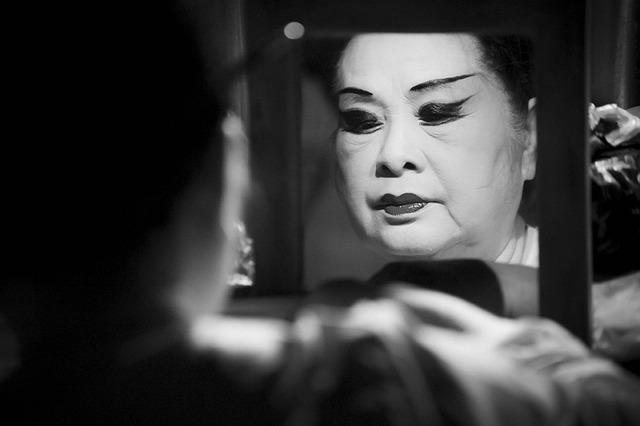
Traditional Chinese opera is a captivating blend of performance arts that dates back centuries. It combines singing, acting, acrobatics, and elaborate costumes to tell stories that often draw from history and folklore. Moreover, the intricate makeup worn by performers embodies specific characters, helping the audience instantly recognize heroes, villains, or clowns.Different regional styles, such as Peking opera, Yue opera, and Kunqu, each bring unique elements to the stage. For instance, Peking opera emphasizes symbolic movements and vocal techniques, while Kunqu is noted for its melodic grace and fluid gestures. Therefore, exploring these variations can offer a deeper appreciation of the artistry and cultural significance behind each performance.If you’re planning a visit to see a live show, consider the type of experience you want. Families may enjoy shorter performances targeted at younger viewers, whereas enthusiasts might prefer full-length productions to immerse themselves fully. Also, booking tickets early can guarantee better seats, especially during festival seasons when demand surges. For seamless travel, check out our recommendations on tours and hotels.Exploring Iconic Characters and Their Stories
Traditional Chinese opera is rich with legendary characters, each carrying deep symbolism and vibrant backstories. Take for example the fierce warrior Guan Yu, known for his loyalty and strength. His bright red face paint conveys bravery and righteousness, making him instantly recognizable to audiences.Moreover, female roles like Yang Guifei, celebrated for her beauty and tragic love story, reveal the opera’s emotional depth. These characters often highlight loyalty, sacrifice, or wisdom, providing layers of cultural meaning beyond the performance itself. Understanding their stories enriches your viewing experience, especially during elaborate scenes filled with expressive gestures and vocal tones.For first-time viewers or families, it helps to familiarize yourself with key roles like Sheng (male), Dan (female), and Jing (painted face) before attending a show. This preparation allows you to follow the plot more effortlessly and appreciate the artistry in costume, makeup, and movement. If you love capturing dramatic moments, bring a camera, and consider visiting during peak seasons for the best performances and festive atmospheres. Don’t forget to explore tours that highlight these cultural gems and book your hotels nearby for convenience.Tips for First-Time Viewers to Fully Enjoy the Performance
First-time attendees should consider arriving early to absorb the pre-show atmosphere and settle into their seats calmly. This extra time allows for exploring the theater’s architecture and understanding program notes provided in the lobby. Moreover, early arrival helps avoid distractions during the performance, enabling you to focus fully on the intricate storytelling and vibrant costumes.Since traditional Chinese opera uses unique vocal styles and stylized gestures, it’s helpful to learn a few basics beforehand. Watching online clips or reading summaries of the plot can boost your comprehension and enjoyment. Families, in particular, might find it useful to discuss characters and themes together, making the experience more interactive and memorable for children.Dressing comfortably yet respectfully also enhances the entire experience, especially during cooler or warmer seasons. Layer your clothing thoughtfully because historic opera houses sometimes have older heating or cooling systems. For solo travelers and photographers, bring a compact camera or smartphone to capture the rich details, but remember to silence devices to respect performers and other guests. If you’re planning a trip, secure your accommodations early by booking through trusted hotel sites and consider arranging transportation options to keep your visit smooth and hassle-free.Finding the Best Places to Experience Authentic Chinese Opera
When seeking the most genuine encounters with Chinese opera, regional theaters and cultural hubs offer the richest atmospheres. Cities like Beijing, Shanghai, and Chengdu are renowned for their traditional opera houses, where ancient performances thrive alongside modern audiences. Moreover, attending a show in smaller towns near cultural centers often provides a more intimate view, allowing you to appreciate the artistry up close without the distraction of large crowds.For families and casual travelers, many venues host daytime performances that are shorter and easier to enjoy with children, often accompanied by explanations in English or simple guides. Solo travelers and photography enthusiasts may prefer evening shows, where the vibrant costumes and dramatic facial makeup create captivating visuals. Consider the season too: cooler months often feature more indoor performances, ensuring comfort, while festivals in spring and autumn bring spectacular outdoor operatic events amidst lively street celebrations.To make the most of your visit, it’s wise to research schedules and even book tours in advance, especially during festive periods. Local cultural centers sometimes offer workshops where you can try on costumes or learn about the music and movements firsthand. For a smooth experience, combine your opera outing with nearby historical sites and authentic cuisine to enrich your travel itinerary. Don’t miss the chance to reserve your stay early via convenient hotels to fully immerse in the spirit of the performance and its surrounding heritage.What is traditional Chinese opera and why should I watch it?
Traditional Chinese opera is a rich performing art combining music, singing, acting, and elaborate costumes. It offers a unique window into Chinese culture and history, making it a memorable and immersive experience for travelers interested in the arts.
Plan Your Trip to Worldwide
How can I understand and appreciate the stories in Chinese opera?
Although the language and style might seem unfamiliar at first, many performances use gestures, facial expressions, and vivid costumes to tell stories. To enhance understanding, consider reading a brief synopsis beforehand or attending shows with English subtitles or guides.
What should I expect when attending a traditional Chinese opera performance?
You can expect a blend of dramatic singing, energetic movements, and colorful costumes that capture your attention throughout. Performances often last two to three hours with intermissions, so arriving early and dressing comfortably is recommended.
Are there different types of Chinese opera I can explore?
Yes, several regional styles exist, such as Peking Opera, Cantonese Opera, and Kunqu Opera. Each type has its own music, costumes, and storytelling techniques, so exploring different versions can deepen your appreciation of this diverse art form.
Where can I find traditional Chinese opera performances as a traveler?
Major cities like Beijing, Shanghai, and Guangzhou often host performances in theaters or cultural centers. Additionally, tourist areas may offer evening shows specifically catering to visitors seeking to experience traditional Chinese arts.
Key Learnings from Our Adventure Guide
Thanks for joining me on this little journey into the vibrant world of traditional Chinese opera! Whether you’re a curious newbie or looking to deepen your appreciation, there’s so much magic to discover in every mask, costume, and melody. So next time you get the chance, grab a seat, open your mind, and let the stories unfold-trust me, it’s an experience you won’t forget. Happy watching, and may your love for this timeless art form only grow from here!Related Travel Guides
Frequently Asked Questions
When is the best time to visit Travel?
The optimal months depend on weather and crowds. Shoulder seasons (April-June and September-October) typically offer the best balance of weather, prices, and fewer tourists. Avoid peak summer for European or Mediterranean destinations and rainy seasons for tropical ones.
How much does a Travel trip cost?
Costs vary by season and travel style. Budget travelers can expect 60-100 USD per day, mid-range 150-250 USD, luxury 400+ USD per day. Book flights and accommodation 3-4 months ahead for best prices.
Do I need travel insurance for Travel?
Yes, travel insurance is strongly recommended for international trips. It covers medical emergencies, trip cancellation, lost baggage, and adventure activity coverage. Compare quotes from World Nomads, SafetyWing, and Allianz.
How many days should I plan for Travel?
For a first visit, 5-7 days is the minimum to see the main highlights. 10-14 days gives you time to explore at a slower pace and add side trips. Multi-destination trips need 14+ days minimum.