


Bali in 3 days. Is it enough?
The honest answer depends on what kind of traveler you are.
If you arrived hoping to see every corner of the island, swim with manta rays in Nusa Penida, climb Mount Agung at dawn, surf the empty point breaks of Medewi on the west coast, and find a spiritual healer in the green valleys of Sidemen, then no. Three days will leave you exhausted, frustrated, and missing half the things you came for.
But if you want to feel Bali, three days is plenty. You will wake up to mist rolling across emerald rice paddies in Ubud, the chant of roosters and the soft tap of women carrying offerings to their family temple. You will watch the sun drop into the Indian Ocean from a 70-meter cliff in Uluwatu, while traditional drummers chant in a packed amphitheater behind you. You will eat fresh-grilled snapper at a plastic table with your toes literally in the sand at Jimbaran, while a wandering musician plays Beatles covers for tips. And you will get a $20 two-hour Balinese massage in a garden compound that ruins every future massage you book back home.
This itinerary trades trying to see everything for actually being somewhere. It bases you in Ubud for one cultural night, then moves you south to Seminyak or Uluwatu for two days of beach, cliffs, and sunsets. One transfer day in the middle. No mandatory 5 AM volcano hikes. No driving four hours just to check off a temple you will forget by your flight home.
The plan below is opinionated. Some of the advice will go against what guidebooks tell you, and that is intentional. The pattern from travelers who loved their first Bali trip is consistent: people who saw less had better trips. They came home rested instead of wrecked. They tell stories about specific meals and specific moments instead of running off a list of attractions they barely remember.
So here is how to spend 3 days in Bali well.
- Why 3 Days in Bali Actually Works
- Day 1: Slow Down in Ubud
- Day 2: Adventure Day (or Pool Day)
- Day 3: Cliffs, Beach, Seafood
- Where to Stay in Bali (Honest Picks)
- Where to Eat in Bali (The Real Cheat Sheet)
- Best Bali Spa Experiences
- Getting Around Bali
- What to Know Before You Go
- Common Mistakes to Avoid
- 3-Day Bali Trip Cost Estimate
- Frequently Asked Questions
- Final Thoughts
Why 3 Days in Bali Actually Works
The map of Bali looks small. The island is only 145 kilometers wide and 95 kilometers tall, roughly the size of Connecticut. Most first-time visitors look at it and think, sure, I can do everything: Ubud in the morning, Tanah Lot at lunch, Uluwatu at sunset, Jimbaran for dinner, then somehow back to my hotel for sleep.
Then they land. Then they get into a car. Then they sit in traffic for 90 minutes to cover 25 kilometers because there is one road, it is the only road, and every other tourist plus 4 million Balinese are also on it. Their day evaporates between attractions.
Here is the truth: Bali traffic is brutal. The Denpasar bypass clogs around school runs (7 to 9 AM and 3 to 5 PM). The single road through Ubud bottlenecks every afternoon as tour buses unload at the Monkey Forest and Tegalalang Rice Terraces. Driving from Ubud to Uluwatu after 3 PM takes 2.5 to 3 hours. The same trip at 6 AM takes 75 minutes. Time of day matters more than distance.
The smart move is to pick two anchors and commit. For 95 percent of first-timers that means Ubud (the cultural heart of the island) plus a southern beach base. Each region has its own personality, and you want a taste of both.
Ubud sits inland at 200 meters elevation, surrounded by jungle and rice paddies. The town itself is small enough to walk across in 20 minutes. The air is cooler than the coast. The energy is slower. Yoga studios, vegan cafes, traditional dance performances, and family temples behind every wall. This is the Bali of healers, painters, and people who came for a week 30 years ago and never left.
The south coast splits into three distinct areas. Seminyak is upscale beach clubs, expensive boutiques, and curated dining. Canggu is younger, surfier, more bohemian, with rice paddies still threaded through the streets. Uluwatu is dramatic cliffs, surf breaks, and a yoga lifestyle scene clinging to the limestone peninsula above the Indian Ocean.
This guide bases you in Ubud for Night 1, then moves you south for Nights 2 and 3. You experience the spiritual heart of Bali, then you get the beach finish that makes the long flight home easier on the body. Two regions. One transfer. Everything within reasonable driving distance.
Now, the itinerary.
Day 1: Slow Down in Ubud

Day 1 is your adjust to Bali day. You arrived from a long flight, probably from another continent. Your body has no idea what time it is. Pushing yourself into a Mount Batur sunrise hike tonight is the fastest way to ruin Day 2 and possibly Day 3 too. So skip the 2 AM alarm. Sleep in. Have breakfast somewhere with a rice paddy view. Let Bali ease in.
Morning: Tegalalang Rice Terraces
The Tegalalang Rice Terraces sit about 20 minutes north of central Ubud, carved into a steep valley by Balinese farmers using the same subak irrigation system that UNESCO recognized as a World Heritage cultural landscape in 2012. The terraces cascade down in soft green steps, each one a few centimeters lower than the one above, fed by water released through hand-cut channels and bamboo pipes.
At 6:30 AM, the place transforms. Mist hangs low in the valley. Roosters call from the farms further up the slope. Coconut palms reach toward the first sunlight while the rice plants still glisten with dew. Local farmers walk the terrace paths with bundles of fresh-cut grass for their cows. You have the place almost to yourself for about an hour before the first tour buses arrive at 8.
Entry is nominal: 10 000 IDR (around $0.70). There is a famous Bali swing nearby ($35 for a 5-photo session) but skip it unless your Instagram strictly demands the cliché shot. The terraces themselves are the show.
Cannot do 6:30 AM after a 14-hour flight? Go in late afternoon (4 to 5 PM) instead. The light is harsher, the bus crowds have left, and the farmers are sometimes back at work for the cool-of-day shift. Still beautiful.
Pro tip: the terraces look most photogenic from the upper viewing platforms on the left side of the road. Walking down into the terraces is offered by local farmers for an extra 10 000 IDR donation, but the perspective is actually worse from below than from above.
Late Morning: Sacred Monkey Forest Sanctuary
From the rice terraces, drive back into central Ubud to the Sacred Monkey Forest Sanctuary (Mandala Suci Wenara Wana). It is a 12-hectare nature reserve and temple complex on the southern edge of town, where roughly 700 long-tailed macaques live wild among three Hindu temples dating to the mid-14th century.
The forest itself is genuinely beautiful. Towering banyan trees with vines hanging like green curtains, stone-paved paths twisting between moss-covered shrines, the sound of running water from the small Wos River that splits the sanctuary. The three temples include the Pura Dalem Agung Padangtegal (the Great Temple of Death, the spiritual focal point of the village), the Pura Beji (a holy spring temple used for purification), and the Pura Prajapati (the cremation temple, where the local community holds funeral rites). You can see all three on a 90-minute walk.
Entry: 80 000 IDR ($5.50), paid at the gate.
Now, real talk about the monkeys. They are not your friends. They are wild animals who have learned over generations that humans carry valuables, food, and shiny objects. They will grab phones from hands, sunglasses off faces, water bottles from open bags, GoPros from selfie sticks, and any snacks within reach. Empty your pockets before going in. Take off your hat. Use the lockers at the entrance ($1 rental). Do not bring food of any kind, including in your daypack.
If you can let go of the panic about your phone, the place is wonderful. Watch the troops: mothers carrying tiny babies, juveniles wrestling over jackfruit, dominant males scanning the canopy. The macaques have been protected here for centuries because they are considered sacred messengers of the Hindu deities, and the village still believes their presence brings prosperity. It is a real working temple complex, not a zoo.
Skip the people offering you bananas at the entrance for $1. They charge you for the bananas, the monkey climbs on your shoulder for the photo, and the monkey often nips your ear or steals your sunglasses in the process. Not worth it.
Lunch: Pick the Trip You Want
This is the lunch moment that defines the kind of Bali trip you are having. Four options, each with a different angle.
If you want a story to tell at dinner parties for years: book lunch at Locavore well in advance. Founded in 2013 by Chef Eelke Plasmeijer and Chef Ray Adriansyah, the restaurant has put Ubud on the world food map. The 16-course tasting menu (around $90) uses only ingredients sourced within Indonesia, often from farms within 50 kilometers of Ubud. Expect dishes like duck breast cured in mountain salt, water spinach with smoked coconut, and chocolate ganache made with cacao from East Java. Reservations disappear 2 to 4 weeks ahead. The space itself is small, warm, lit by candles, with an open kitchen that lets you watch the chefs plate.
If you want a casual, legendary plate: Naughty Nuri’s Warung serves BBQ pork ribs ($12) so famous that Anthony Bourdain made a pilgrimage during his Indonesia episode. The setting is rough and ready: plastic chairs, smoke from the charcoal grill drifting through the open dining area, a martini on the side (Anthony’s tradition) for $7. The ribs come slow-cooked then crisped on the grill, glazed with a sweet-sticky sauce of palm sugar, ketjap manis, and chili. No reservations. Expect 30 to 60 minute waits at peak times, but the bar serves cold Bintang while you wait.
If you want healthy, vegetarian Bali: Alchemy on Jalan Penestanan, a 10-minute drive west of central Ubud, is the original raw-food cafe in town, founded in 2013 before clean eating was a global trend. The whole menu is plant-based, mostly raw, and inventively delicious. Buddha bowls $9, smoothie bowls $7, raw cacao desserts $5. The space sits in a quiet garden compound with sunlight filtering through the trees. A long communal table at the entrance brings in solo travelers and digital nomads. Worth the detour from the tourist center.
If you want a $4 local lunch that locals actually eat: Warung Babi Guling Ibu Oka 3 on Jalan Tegal Sari. They serve only one thing: babi guling, the traditional Balinese roast pig that is the celebration meal of the island. A heaped plate comes with roast pork belly, crispy skin, mixed sambals, beans, and rice for around $5. Locals queue at 11 AM and the pig usually runs out by 1 PM. The atmosphere is plastic-chair authentic with no English menus, but pointing works fine.
Afternoon: Ubud Palace and Art Market
The Ubud Royal Palace (Puri Saren Agung) sits in the dead center of town, at the crossroads of Jalan Raya Ubud and Jalan Suweta. It is the residence of the royal family of Ubud, the descendants of the kings who once ruled the region. Several generations still live in part of the compound, which is why you will see laundry drying behind some of the stone walls and small offerings outside the family shrines.
Walking through takes about 30 minutes. Entry is free. The architecture is classical Balinese palatial: aling-aling (split gates) leading through a series of pavilions, courtyards open to the sky, stone-carved figures of Hindu deities and demons standing guard at every corner. Look for the carvings of demonic Rangda figures with their tongues out, and the gentler Barong lion figures that are her cosmic opposite in Balinese mythology.
Most evenings at 7:30 PM, the palace courtyard hosts traditional dance performances (Legong, Barong, Kecak). Tickets are $8, sold at the gate from 5 PM. If you stay in Ubud both nights, this is a worthy alternative to the Uluwatu Kecak dance described below.
Just across the street is the Ubud Art Market (Pasar Seni Ubud), two stories of stalls packed with sarongs, paintings, wood carvings, woven bags, jewelry, kitchen wares, and souvenirs. Real talk: about 80 percent of what is sold here is mass-produced from Java, not handmade in Ubud. But it makes for fun browsing, and you can usually find decent gifts at the right price.
The rule for haggling: start at 30 percent of opening price, meet around 50 percent of the original ask. Walk away once if you feel ripped off; the same item will be at the next stall for less. Smile while haggling. The vendors enjoy the game when the buyer plays it well.
Optional Add-On: Bali Cooking Class
If you skipped Tegalalang for sleep, a half-day cooking class is your alternative cultural experience. Paon Bali Cooking Class ($35) is the most reviewed option in Ubud. The morning starts at 8 AM with a visit to a local market in nearby Mas village, where the chef teaches you to identify the produce, spices, and proteins of traditional Balinese cooking. Then you drive to a family compound, change into a sarong, and cook 6 to 8 dishes in an outdoor kitchen pavilion overlooking rice paddies. Total time: roughly 6 hours. Vegetarian and pescatarian options available. You eat what you cook, with the family, at the end.
Two takeaways: you walk away with a stomach full of real Balinese food, and you know how to make a proper sambal matah at home.
Evening: Kecak Fire Dance at Uluwatu

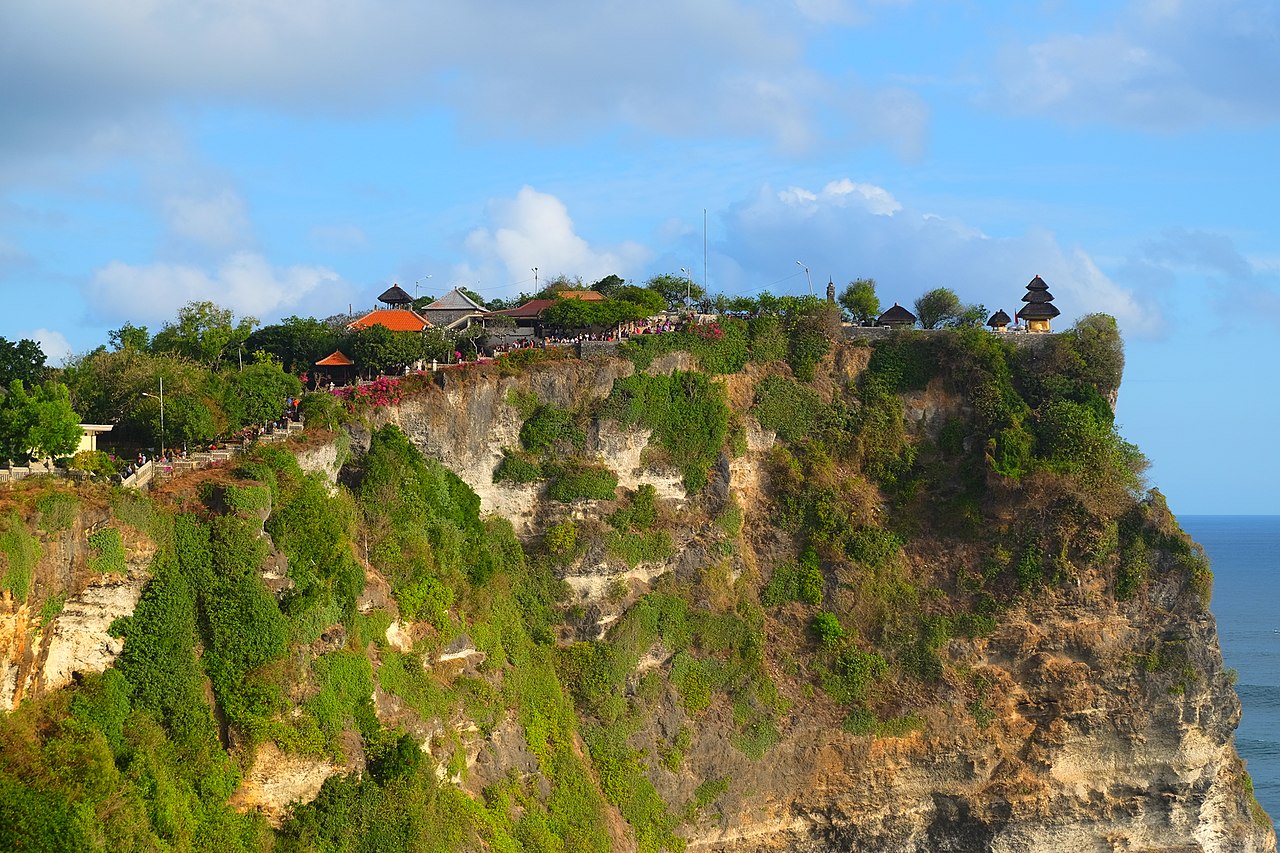
Drive 90 minutes south to Uluwatu Temple (Pura Luhur Uluwatu) for the 6 PM Kecak Fire Dance. 150 000 IDR ($10) ticket includes temple entry. The dance takes place in an open-air amphitheater built into the cliff edge, with the Indian Ocean stretching to the horizon behind the stage.
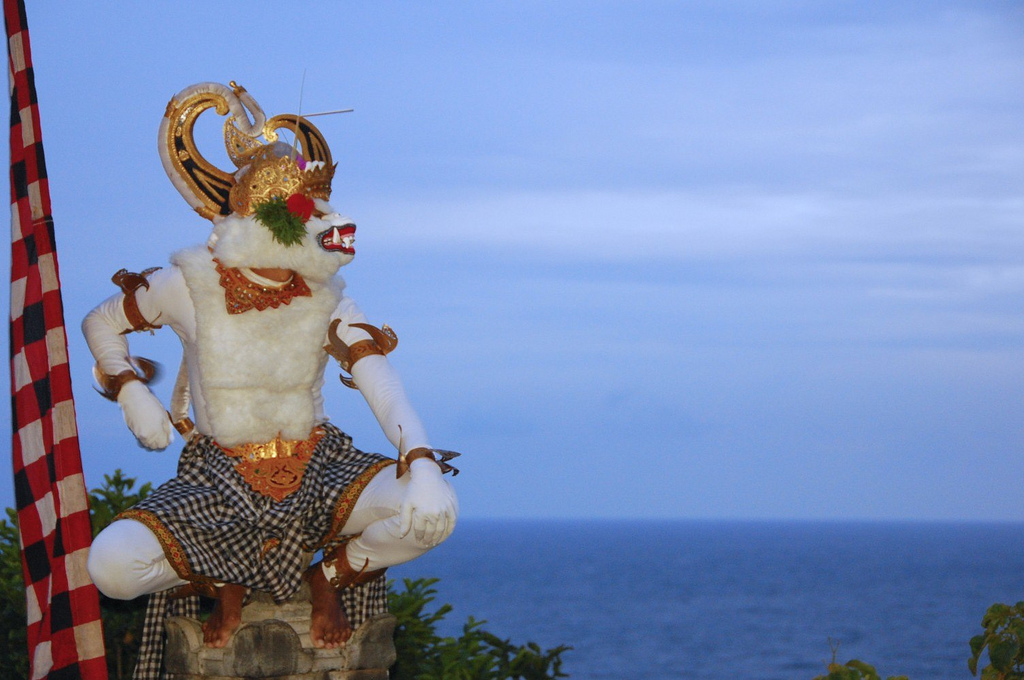
Here is what makes it special. The Kecak is a Balinese ritual dance developed in the 1930s from older trance ceremonies. Around 100 male performers sit in concentric circles around a central fire, dressed only in black-and-white checkered poleng cloth. They chant in 11 layered rhythms, voices interlocking in a hypnotic pattern that swells and recedes like waves. No instruments. Just voices, fire, and the ocean below.
The narrative comes from the Ramayana, the Hindu epic: Prince Rama, exiled in the forest, sees his wife Sita kidnapped by the demon king Ravana. Hanuman the monkey-warrior comes to the rescue, ultimately surviving an attempt to burn him alive (the fire ritual at the dance climax). Performers in elaborate costumes act out the story while the chorus chants behind them.
Even hardened travel cynics tend to walk out impressed. The sound of 100 voices in unison at the climax is unlike anything you have heard.
Pro tips for arrival. Arrive by 5:30 PM for a good seat. The amphitheater faces west, so you get sunset over the Indian Ocean as the show progresses. Lower rows on the right side get the best of both the dance and the sky. Bring water (no drinks sold inside). Watch your sunglasses: the temple monkeys here are notorious for swiping them.
Stay south after the dance. Driving back to Ubud at night is miserable, and your luggage is already booked for the south anyway. Book your second night in Seminyak or Canggu (party scene, beach clubs) or Uluwatu itself (quieter, more boutique). Compare Seminyak hotels.
Day 2: Adventure Day (or Pool Day)

Day 2 is your one optional big-effort day. Pick from four options based on what kind of traveler you are. Each is valid. None is wrong. The single rule: do not over-schedule. You have a long flight back ahead, and exhaustion will color everything that comes next.
Option A: Mount Batur Sunrise Hike
The iconic Bali adventure activity. Mount Batur is an active volcano in the central highlands, 1 717 meters tall, last erupted in 2000. It sits inside the rim of a massive caldera that holds Lake Batur, the largest lake on the island. The view from the summit at sunrise is genuinely spectacular: the sky turning peach and gold over the lake below, Mount Agung (the highest peak on the island) silhouetted to the east, and on clear days you can see the volcanic peaks of Lombok island across the water.
The logistics. 2 AM hotel pickup. Drive 90 minutes north to Toya Bungkah village at the base of the volcano. Meet your guide, who hands out head torches and bottled water. 90-minute climb up a moderate trail of volcanic gravel and small rocks. The path is steep in places but never technical. You arrive at the summit by 6 AM, sit on the rim with the wind in your face, and watch the sunrise come up over Lake Batur. Guides cook eggs and bananas on volcanic steam vents for breakfast, served with coffee made from beans grown in the surrounding plantations.
Cost: $45 to $75 per person with reputable operators. Skip the $25 deals on the street in Ubud; the cheap operators cut corners on safety, group size, and breakfast. Tour groups vary from 4 to 30 people depending on operator.
Difficulty: moderate. If you can climb stairs steadily for 90 minutes without dying, you can do this. The trail has loose volcanic gravel in places, so trail shoes or sturdy sneakers are essential. Forget about flip-flops. If you have knee issues, skip it; the descent is harder on the knees than the climb.
Honest opinion: it can be busy. On peak days there are 150 to 200 people at the summit, all jostling for the same photo spots. The sunrise is still magic, but if you wanted solitude, this is not it. Sungai Petanu hike near Ubud is quieter and almost as scenic, without the 2 AM alarm.
Option B: Tirta Empul Holy Water Temple
If you want spiritual instead of sweaty, head to Tirta Empul (Pura Tirta Empul). This is Bali’s most sacred Hindu temple, dating to 962 AD during the Warmadewa dynasty, where Balinese have come for a thousand years for ritual purification in the holy spring water.
The temple sits about 30 minutes north of central Ubud, near the village of Manukaya. The complex is built around a natural spring that the locals believe was created by the god Indra himself, who pierced the earth here to create a source of amerta (the elixir of immortality) to revive his army after a battle.
The setting is striking. You enter through a traditional split gate into a series of courtyards, then descend stone steps into the main bathing area: a long stone pool fed by 13 spouts of fresh spring water, each one associated with a specific ritual purpose. Locals come dressed in white sarongs, holding offerings of flowers and incense, and move through the spouts in a precise sequence, washing the body, the head, and finally drinking the water.
Entry: 50 000 IDR ($3.50), plus 5 000 IDR sarong rental at the entrance. The water ritual (called melukat) is open to visitors, but go with respect: it is a real religious practice, not a photo opportunity. Locals come to wash sins, emotional burdens, and bad luck. Watch how they move through the spouts (right to left, skipping the final two which are reserved for funeral rites) and follow the same order if you choose to participate. Many foreigners get it wrong by skipping fountains or stopping mid-ritual for selfies, which is a frustrating sight for the praying locals.
Bring a sarong, a change of clothes, and a small waterproof bag. Combine the visit with the nearby Gunung Kawi Sebatu water temple (less touristy, more peaceful, with the same kind of spring-fed pools but a tranquil atmosphere) for a half-day spiritual tour.
Option C: Half-Day Cooking Class plus Pool
The middle-ground option for travelers who already did the cultural visits on Day 1 and want something hands-on without exhausting effort. Morning cooking class (8 AM to 1 PM, $35) at Paon Bali or Lobong Culinary Experience, lunch eaten at the end of class, then back to your hotel pool by mid-afternoon.
This combination works particularly well if you stayed an extra night in Ubud and want one final day of cultural immersion before transferring south for the beach finale.
Option D: Just Relax
Genuinely valid. You came to Bali for the energy of the place, not to grind through an itinerary. Spend Day 2 by the pool. Get a 2-hour Balinese massage. Walk the Seminyak or Canggu beach at sunset, watching surfers come in with the changing tide. Some of the best Bali memories happen when you are not chasing anything.
The locals call this approach jam karet, which translates loosely as “rubber time”: the idea that schedules should stretch and contract to fit the moment, rather than the moment fitting into the schedule.
Lunch: Beachside in Seminyak
Regardless of how you spend the morning, return to Seminyak for lunch by 1 PM. Three picks at different price points.
La Lucciola sits directly on Petitenget Beach in the heart of Seminyak. It is a long-running, mid-priced beachfront Italian-Mediterranean restaurant that has been doing the same thing well since 1994. Long lunches with bare feet in the sand, sea breeze through the open dining area, a perfect spaghetti vongole or the famous black squid ink risotto. Mains $20 to $35. The wine list leans Italian. Sunset reservations are competitive.
Cheaper option: Warung Eny on the same Jalan Petitenget. Authentic Indonesian for tourists: nasi goreng, gado-gado, sate ayam, mie goreng, all $6 to $12. The space is open-fronted, simple, family-run, with a few tables on a covered terrace.
For a healthy lunch with a view: Sea Circus on Jalan Kayu Aya. Bright, breezy, with bench seats and concrete floors, the kind of cafe Instagram was invented for. Poke bowls around $14, smoothie bowls $9. They do an excellent breakfast too, if you happen to be in the neighborhood.
Afternoon: Spa, Pool, or Beach
This is when you schedule the legendary Bali spa experience. The island has a deep traditional massage culture, drawn from Javanese, Chinese, and indigenous Balinese healing techniques. The base treatment is the Balinese massage, which combines acupressure, skin rolling, kneading, and stretching, traditionally performed with warm coconut oil.
2-hour traditional massage costs $20 to $30 in basic warungs (massage huts with simple beds and curtain dividers). The same treatment costs $60 to $120 in resort spas with private pavilions, herbal compresses, and post-treatment ginger tea. Whatever you pay, you get more value than you would back home. A spa session at the Four Seasons in California would run $250 minimum.
Three picks at different prices: Bodyworks Spa (Seminyak, mid-range with great atmosphere, $50 for 90 minutes), Karsa Spa (Ubud, garden setting if you stayed in Ubud longer, $35 for 90 minutes), Sundari Day Spa (Seminyak, luxury, royal-treatment vibe, $120 for 2 hours).
Evening: Sunset and Dinner
Ku De Ta is the original Seminyak beach club, opened in 2000. It is touristy, you will hear English and Australian accents all night, but the sunset table is genuinely worth one evening of your trip. The architecture is open-fronted and beachfacing, with long communal tables, mid-century furniture, and a DJ booth playing chilled lounge from 5 PM. Book a sunset table 1 week ahead via their website. Cocktails $14, mains $25 to $50.
Potato Head Beach Club next door has a more vibrant pool-party vibe, especially Friday and Saturday nights from 5 PM. The exterior wall is built from 6 600 vintage wooden window shutters salvaged from across Java, making it one of the most photographed buildings in southeast Asia. The food is creative and good (Indonesian-modern hybrid), but the real draw is the pool deck overlooking the ocean.
If you want a quieter, restaurant-focused dinner: Sarong serves modern Asian fine dining in a colonial-meets-Balinese setting on Jalan Petitenget. The dining room is elegant: hardwood floors, woven rattan ceilings, antique pieces on the walls. Mains $35 to $60. Book 2 weeks ahead, especially weekends.
Same chef, slightly cheaper: Mama San in nearby Kerobokan. Asian colonial atmosphere, same impeccable plates, $25 to $45 mains, easier to book.
Day 3: Cliffs, Beach, Seafood

Day 3 is your soft-landing day. Beach time, one or two highlights, and a memorable final dinner. The point is to enjoy the island, not check off boxes. You leave tomorrow. Make today count.
Morning: Bingin, Padang Padang, or Suluban
The Bukit Peninsula in southern Bali has the island’s most dramatic beaches. The peninsula is a limestone plateau, lifted by tectonic action, ringed by 60 to 90 meter cliffs that plunge straight down to white-sand coves below. Each cove has its own character.
Padang Padang is the famous one (the Eat Pray Love location, where Julia Roberts had her meet-cute with Javier Bardem). Reached by a narrow stairway through a cave entrance carved into the cliff. Pretty but small, only about 100 meters wide, gets crowded by 10 AM. 15 000 IDR ($1) parking. Surfers love the right-hand reef break that wraps around the cove.
The local pick: Bingin Beach. Less Instagram-famous, more authentic, with a steeper character. The beach itself is rocky and only fully accessible at low tide. The draw is the cluster of cliff cafes built into the limestone wall above, each with its own perch over the surf break. Bingin at 4 PM, drinking a $4 Bintang from a plastic chair on the cliff while the late-afternoon light turns everything gold, is one of the iconic Bali moments. Parking: 15 000 IDR at the top, then walk down 5 minutes via stairs cut into the cliff.
Suluban (Blue Point) Beach is even more dramatic. The entrance is through a tunnel cave at the base of the cliff. Inside, the cave opens onto a small cove with turquoise water, the famous left-hand surf break, and a series of stilt cafes built into the cliff face. Best at low tide; at high tide the beach disappears entirely. The cave entrance itself is one of the most photographed scenes on the island.
For more solitude: Nyang Nyang Beach. 15-minute hike down a steep cliff path, but you get a 1.5-kilometer empty beach with no developed amenities. Bring sunscreen and water. There is no shade and no cafe.
If you surf or want a lesson: beginner classes run $20 to $30 for 90 minutes at all three accessible beaches. Boards rent for $5 a day from the warungs at the top of the parking areas.
Late Morning: Uluwatu Temple Cliff Walk

Different visit from Day 1’s evening dance. Walk along the Uluwatu Temple cliff path in daylight, when you can actually see the 70-meter drops to the ocean and watch tropical fish in the breakers below. The path follows the cliff edge for about 800 meters in each direction from the temple, with stone steps cut into the limestone and the occasional small shrine tucked into the rock face.
Entry: 50 000 IDR ($3.50). Wear a sarong (provided at entry). Watch the temple monkeys: same warning as the Sacred Monkey Forest in Ubud, they steal sunglasses with practiced efficiency. Hold yours in your hand or leave them in your daypack.
The temple itself is an 11th-century pura segara (sea temple), one of nine spiritual guardians of Bali according to Balinese Hindu cosmology. Foreigners cannot enter the inner sanctum (only Hindu worshippers are permitted), but the cliff walk and the temple’s outer courtyards are the real attractions.
If you visited the Kecak dance on Day 1, you have already seen the temple at sunset. Daylight reveals different details: the carved stone gates, the precarious shrines on the cliff edge, the lone wooden lookout perched on the very tip of the cliff with a 270-degree ocean view.
Lunch: Cliff Cafes
The Bukit cliff cafes are a Bali experience worth lingering over. Pick one based on the vibe you want.
Single Fin at Uluwatu sits on the cliff overlooking the famous left-hander surf break. The cafe is open-fronted, casual, with worn wooden floors and a long bar facing the ocean. Burgers $10, pizzas $15, ice-cold Bintang beer $4. Sunday session (live DJ from 4 PM, dancing on the cliff edge with the sun going down) is iconic but crowded. Weekdays are calmer and just as scenic.
More upscale: El Kabron nearby is a Spanish cliffside restaurant and pool club with infinity pool views over the Indian Ocean. Lunch around $40 per person, but the pool is included with a minimum spend. Reservations recommended on weekends. The paella for two is excellent.
Beach level: The Cashew Tree in Bingin serves the best mahi-mahi sandwich on the peninsula for $12, in a leafy garden setting away from the cliff edge. Live acoustic music most nights.
Afternoon: Pool, Spa, or One Last Beach
This is the slow afternoon you earned. Pack tomorrow’s clothes. Take one last dip in the ocean. Order one more frozen coconut from a beach vendor (15 000 IDR, around $1, opened with a machete in front of you and served with a straw).
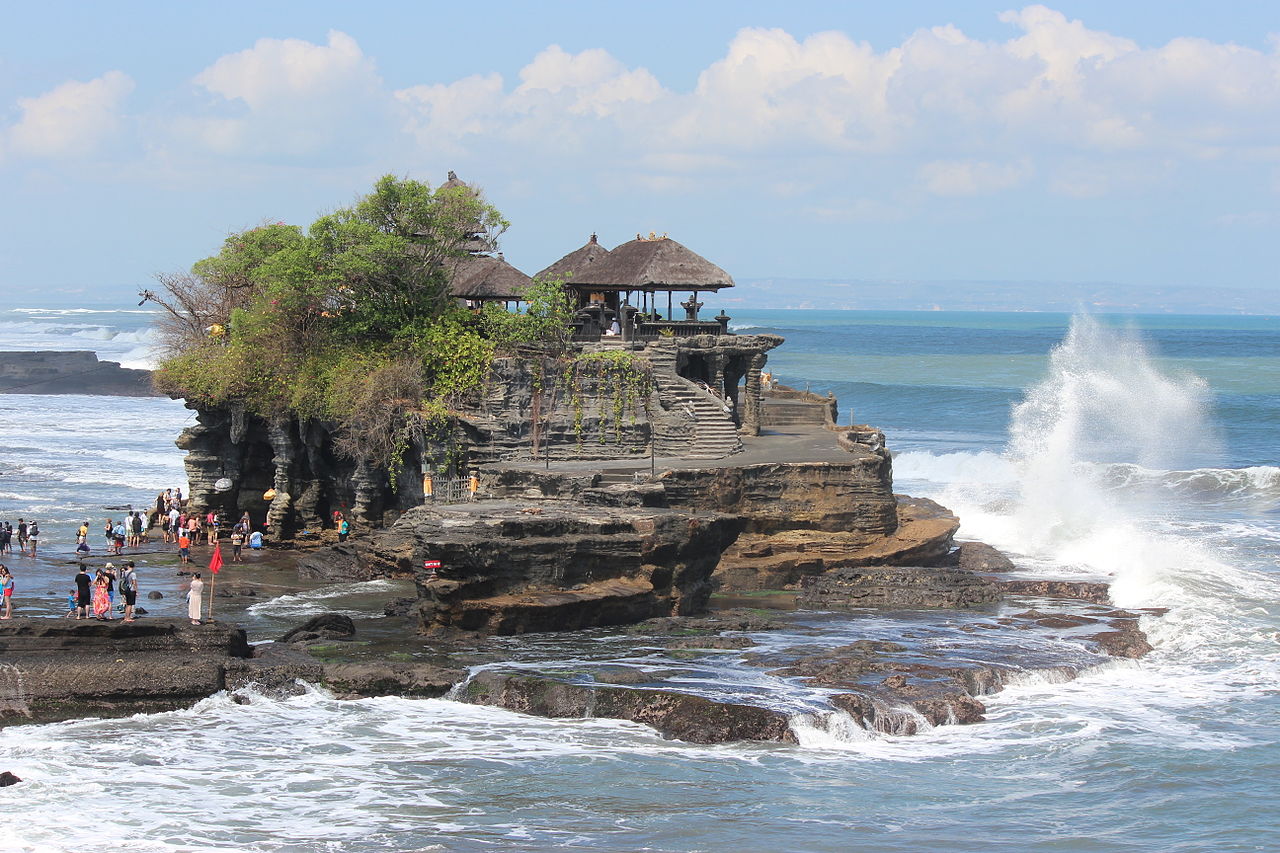
If you have energy and have not yet seen it, Pura Tanah Lot is a worthwhile final stop on the drive back north toward Seminyak. The temple sits on a small rock formation that becomes an island at high tide, surrounded by Indian Ocean swell. The pathway to the rock is accessible only at low tide. Best at sunset (around 6:15 PM in dry season). Entry: 60 000 IDR ($4). The setting is touristy and you will share it with several hundred people at sunset, but the silhouette of the temple against the orange sky is one of the iconic Bali photos for a reason.
Evening: Jimbaran Beach Seafood Dinner
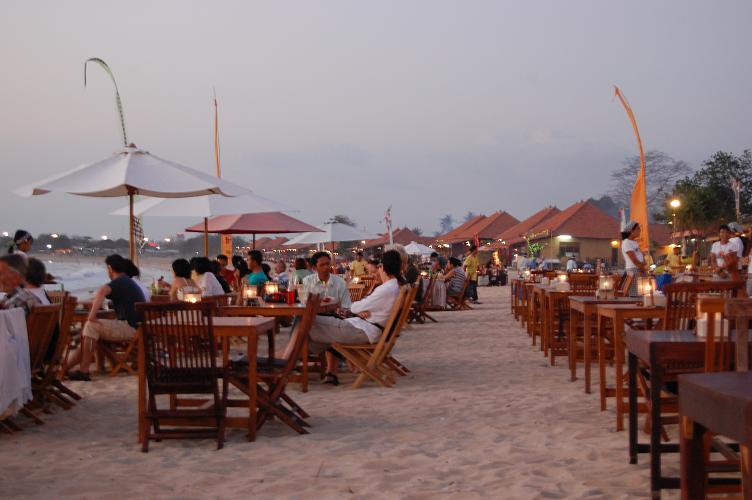
End the trip with a Jimbaran Bay seafood dinner. Jimbaran sits on the eastern side of the Bukit Peninsula’s neck, with a long shallow bay that stretches in a perfect arc and has historically been the fishing hub of southern Bali. Each evening, dozens of warung ikan bakar (grilled fish warungs) line the beach, putting plastic tables and chairs directly onto the sand for sunset service.
The format is simple. You walk along the ice display at the entrance, pointing at fresh-caught red snapper, mahi-mahi, lobster, tiger prawns, calamari, or whole fish. They weigh your selection, you agree on a price, and they grill it on a coconut-husk fire while you sit at your table with cold Bintang or a coconut. The fish comes whole, gutted but not filleted, lightly seasoned with garlic, lime, and chili, on a banana leaf with rice, water spinach, sambal, and lime wedges.
The atmosphere is the experience. Torchlight on the sand. Live local musicians wandering between tables playing requests for tips (Bob Marley, the Beatles, Indonesian classics). The sound of the ocean about 15 meters from your feet. Toes in the sand. The dark silhouettes of fishing boats out on the bay with their kerosene lamps. Watching planes lift off from Ngurah Rai airport just to the south, a small reminder that tomorrow you fly home.
Per person: $15 to $30 depending on what you order. Best spots: Menega Cafe (the most famous, biggest crowds, located in the middle section of the bay), Roman Cafe (locals quietly prefer this one), Jimbaran Beach Cafe (a solid middle option with slightly more upscale presentation).
Arrive by 5:30 PM for sunset (around 6:15 PM in dry season). Tables along the front row of the beach (closest to the water) disappear by 6 on weekends.
Where to Stay in Bali (Honest Picks)
Where you sleep matters more in Bali than most destinations, because the geography is so spread out and traffic is bad. Here are the picks by traveler type, with the honest reason each one is worth booking.
Find Your Bali Hotel
Compare prices across Booking.com, Expedia, Agoda and more in one search.
Search Bali Hotels →For Solo Travelers: Pondok 88 (Canggu)
From $35/night. A small boutique guesthouse with about 20 rooms, a swimming pool, garden compound, and walkable distance to Echo Beach. The vibe is intentionally social without being a party hostel: communal breakfast tables, yoga at sunrise, surf lessons arranged at reception. Solo travelers in their 20s and 30s love it. Easy to make friends without effort.
For Couples (Mid-Range): Adiwana Resort Jembawan (Ubud)
From $140/night. A 30-room boutique resort in the heart of Ubud, walking distance to the Monkey Forest and Ubud Palace. The standout feature is a small infinity pool that overlooks a green valley, with the sound of the Wos River below. The breakfast is excellent: fresh fruit platters, made-to-order Indonesian dishes, decent coffee. Rooms are simple but comfortable, with rain showers and balconies looking out over the jungle.
For Families: The Mulia Bali (Nusa Dua)
From $320/night. A massive 500-room beachfront resort with four pools, a kids club staffed by professional childcare workers, the famous Sunday brunch buffet that draws families from across the south, and a calm protected beach perfect for children. Less authentic Bali, more reliable holiday. The rooms are large and modern, with marble bathrooms and ocean-view balconies. Families with young kids consistently rate this as the best Bali holiday they had.
Iconic Splurge: Hanging Gardens of Bali (Ubud)
From $380/night. The famous two-tier infinity pool that you have seen on Instagram, set on a forested cliff overlooking the Ayung River gorge. Each villa is private, with a plunge pool, an outdoor shower, and a balcony overhanging the jungle. The architecture is wood and thatch and stone, blending into the forest. The funicular that takes you from reception down to the villas is its own slightly absurd luxury. This is the kind of place couples honeymoon at and then post about for years.
Beach Luxury: Bulgari Resort Bali (Uluwatu)
From $1 200/night. Set on a 150-meter-high limestone cliff at the southwestern tip of the Bukit Peninsula. The villas are arranged along the cliff edge with private pools, infinity views, and direct beach access via a private elevator carved into the cliff. The interior design is signature Bulgari: minimalist Italian luxury softened with Balinese craft elements. The bar is the most photographed in Asia. Worth it for special occasions: honeymoons, milestone anniversaries, or one ridiculous splurge to mark a life moment.
Budget Beach: Pondok 88 or Echo Beach Hostel (Canggu)
From $25/night. Canggu has the best budget accommodation scene on the island. Both options have pools, walking distance to surf beaches, decent social vibes, and the kind of garden compound architecture that makes you feel like you are staying somewhere actually Balinese rather than in a generic dorm.
Where to Eat in Bali (The Real Cheat Sheet)
Bali food ranges from $2 nasi campur at a roadside warung to $200 tasting menus at the world’s most respected restaurants. Here are the picks worth your time, organized by area, with the angle that makes each one unique.
Ubud (Cultural Heart)
Locavore: 16-course tasting menu, $90, book 3 weeks ahead. World-class farm-to-table Indonesian.
Naughty Nuri’s: $12 BBQ pork ribs, the Anthony Bourdain spot. No reservations.
Hujan Locale: modern Indonesian by Chef Will Meyrick, $25 to $40 mains. Try the rendang.
Warung Babi Guling Ibu Oka 3: $5 traditional roast pig, the local favorite. Closed evenings.
Alchemy: raw-food vegetarian, smoothie bowls $7, the original clean eating cafe in Ubud.
Cafe Pomegranate: rice paddy views, lunch $10 to $15. Best for breakfast or a long afternoon coffee.
Watercress Cafe: brunch-focused, eggs benedict $9, the digital nomad central in Ubud.
Padang Padang Warung: street food perfection, sate ayam for $1.50 a stick.
Seminyak and Canggu (Beach Scene)
Sarong: modern Asian fine dining, $35 to $60. Book 2 weeks ahead.
Mama San: Asian colonial atmosphere, $25 to $45. Same chef as Sarong, slightly cheaper, easier to book.
La Lucciola: beachfront Italian, $20 to $35. Long lunches with feet in the sand.
Warung Eny: authentic Indonesian, $6 to $12. The local favorite on Jalan Petitenget.
The Avocado Show: avocado-themed cafe, breakfast $12. Touristy but the dishes are inventive.
Sea Circus: healthy bowls and great breakfast, $14 lunch.
Motel Mexicola: vibrant Mexican cantina with the best margaritas in Bali, mains $20.
Uluwatu and Jimbaran (Cliff and Coast)
Single Fin: cliff burgers and Bintang, $10 to $15. Sunday session iconic.
Menega Cafe (Jimbaran): beachfront seafood at sunset, $15 to $30.
El Kabron: Spanish cliffside with infinity pool, lunch $40.
The Cashew Tree (Bingin): garden setting, mahi-mahi sandwich $12.
Bukit Cafe: vegan-friendly, $10 to $20.
Drifter Surf Shop and Cafe: surf scene, smoothies, healthy menus.
Best Bali Spa Experiences
Bali spa culture is a real local tradition, not just a tourist add-on. The base treatment, the Balinese massage, combines techniques from Javanese, Chinese, and indigenous Balinese healing, traditionally performed with warm coconut oil scented with frangipani or jasmine. Here are three picks at different price points.
Karsa Spa (Ubud): $35 for a 90-minute traditional massage in a garden setting overlooking rice paddies, with the sound of water features and birds throughout. The atmosphere is half the experience. The therapists trained at the local spa school in Ubud.
Bodyworks Spa (Seminyak): $50 for 2-hour aromatherapy massage. Reliable mid-range with consistent quality across all therapists. Multiple treatment rooms, decent post-treatment lounge with ginger tea.
Spa Alila Ubud: $150 for a 90-minute signature treatment. Resort-level luxury, organic ingredients sourced from the resort gardens, private treatment villas with outdoor bathing pavilions. Includes a 30-minute warm pool session pre-massage.
Getting Around Bali
Airport to Hotel
You land at Ngurah Rai International Airport (DPS), the only international airport on the island, located in southern Bali near Kuta. Three options for the onward journey.
Flights to Bali
Compare flight deals to Bali (DPS) from 100+ airlines and 1,000 agencies.
Search Flights to Bali →Pre-arrange hotel transfer: $15 to $25 to most southern locations, $30 to $40 to Ubud. Your hotel sends a driver who waits at arrivals with a sign. Easiest, most predictable, no haggling, fixed price. Recommended for arrival day when you are exhausted from the flight.
Grab or Gojek apps: Indonesia’s ride-share apps, functionally similar to Uber. $8 to $15 to Seminyak, $20 to Ubud. Pick up outside the official taxi area to avoid airport mafia interference. The drivers are usually friendly and English-speaking enough to handle the basics.
Official airport taxis: $25 fixed to Seminyak, $40 to Ubud, charged at government-set rates and paid at a counter inside arrivals. Reliable but more expensive than Grab.
Avoid the touts inside the terminal trying to sell you transport. Walk past them to the Grab pickup zone or official taxi counter. The official options are cheaper and safer.
Daily Transport
Three options based on what kind of trip you want.
Private driver hire ($30 to $50/day) is the right choice for most first-timers. A local driver picks you up, takes you anywhere on the island, waits while you visit attractions, and drops you back at your hotel at the end. You can book through your hotel, on Grab as a multi-hour booking, or directly via WhatsApp with a recommended driver. Tip 10 percent at the end of the day. Drivers know the traffic patterns and the timing of each attraction.
Scooter rental ($5/day) is cheap and freeing, but only safe if you have ridden before and have an international driving permit. Bali traffic kills tourists every year, mostly in scooter accidents. The roads are narrow, full of potholes, with frequent loose gravel, and the local drivers do not always follow lane discipline. Wear a helmet (legally required, often ignored), never ride at night, never ride after drinking.
Grab and Gojek apps: work great in Seminyak, Canggu, Jimbaran, and the south. Patchy in Ubud due to the local taxi mafia who block ride-share pickup zones near the Monkey Forest and main streets. In Ubud, walk a few hundred meters away from tourist areas before booking a ride.
Apps to Download Before You Arrive
Grab: ride share, food delivery, payments. Sign up before you land.
Gojek: same category, sometimes cheaper, also has motorbike taxis for solo travelers in heavy traffic.
Google Maps: download Bali offline maps before arrival in case of patchy data.
Wise or Revolut: best exchange rates for ATM withdrawals; load USD or EUR and withdraw in IDR with minimal fees.
WhatsApp: standard messaging in Indonesia. Most drivers, hotels, and even restaurants communicate via WhatsApp.
XE Currency: useful for mental math on rupiah prices.
Flights to Bali
From the US: 20 to 24 hours total with a layover in Tokyo, Singapore, Seoul, or Hong Kong. From Europe: 16 to 20 hours via Doha, Dubai, Singapore, or Bangkok. From Australia: 6 hours direct from Sydney or Melbourne, often the cheapest international flight on the planet. Compare flights to Bali.
What to Know Before You Go
A practical knowledge base that makes the difference between a smooth trip and constant friction.
The Temple Dress Code Is Real
Every Hindu temple in Bali requires a sarong covering your knees, regardless of how hot the day is. Some temples also require a sash tied around the waist. Most temples rent both at the entrance for 5 000 to 10 000 IDR. Some include the sarong in the entry fee. Bring your own sarong if you plan to visit multiple temples to save the rental fees and have more control over what touches your skin.
Cash Is Still King
Carry small bills. Most warungs, parking attendants, beach cafes, and small vendors cannot break a 100 000 IDR note. Keep 10 000 to 20 000 IDR notes (about $0.70 to $1.50) handy for parking, drinks, and tips.
Hotels and resort restaurants take cards. Local food, beach cafes, parking, market shopping, and warungs are cash-only. ATMs are widespread; use bank-branded ones (BCA, BNI, Mandiri) and not the random standalone ones (skimming risk).
The currency is Indonesian Rupiah (IDR). $1 equals approximately 15 800 IDR in 2026. To estimate prices mentally: drop the last three digits of the IDR price and divide by 15. So 75 000 IDR is about $5.
The Water Is Not Drinkable
Buy big jugs ($1) for refilling reusable bottles in your hotel. The Refillable Bali map shows free refill stations across the island, run by local sustainability NGOs. Avoid ice at roadside stalls; the better warungs use commercially produced ice that is safe, but it is hard to tell from the outside.
Mosquitoes Carry Dengue
Use repellent at sunset, especially in Ubud where the jungle keeps mosquito populations high. Hotels mostly have nets and screens. There is no vaccine for dengue fever; prevention is the only option. The symptoms appear 4 to 7 days after a bite (fever, headache, joint pain) and require medical attention.
Visa Rules
Most nationalities (US, EU, UK, Canada, Australia, Japan, most of Southeast Asia) can get a Visa on Arrival ($35 paid in cash at the airport, USD preferred) valid for 30 days, extendable once for another 30 days. The extension requires going to an immigration office in Denpasar with paperwork and a photo, a half-day hassle. For longer stays, apply for an e-Visa before arrival.
Check imigrasi.go.id for the latest rules before booking. Indonesia has been updating its tourism visa policies frequently in recent years.
Tipping Is Appreciated, Not Expected
10 percent at restaurants if service is not already included (check the bill; many add 10 percent service charge automatically). Round up taxi fares. 50 000 IDR ($3.50) per day for your private driver. 20 000 to 50 000 IDR for hotel housekeeping at the end of your stay, left on the pillow. Spas: 10 percent of the bill is generous.
Bali Belly Is Real
Take it seriously. The bacterial profile of Bali food and water is different from what your stomach is used to, and even strong stomachs can succumb. Avoid ice at roadside stalls. Peel fruit yourself rather than buying pre-cut. Eat at warungs with high turnover (busy ones are safest, because the food does not sit out long). Pack Imodium and rehydration salts (Pedialyte sachets, or Indonesian Pocari Sweat).
Watch Your Offerings
The small palm-leaf baskets you see on every doorstep, sidewalk, dashboard, and shrine are canang sari: daily offerings of flowers, rice, and incense given to the Hindu gods (and the demons, to keep them appeased). They are sacred. Do not step on them. Do not pick them up. Do not move them for a photo. Locals find it deeply offensive.
Best Months to Visit
April to October is dry season, with consistently warm and sunny days, lower humidity, and low rain risk.
The sweet spot within that is May, June, and September: warm enough for the beach, less rain than peak July to August, fewer crowds than school holidays, lower prices.
January and February are deep rainy season; avoid them. Roads flood, beaches disappear under churned-up debris, activities cancel. November, December, and March are shoulder transition months with intermittent rain.
Common Mistakes to Avoid
The mistakes first-timers make in Bali, ranked by how much they will frustrate your trip.
1. Trying to see everything in 3 days. Pick two anchors. Commit. Skip the rest. You will be back.
2. Booking an inland hotel for beach days. Driving from Ubud to the beach is 90 minutes each way. Stay where you want to spend the day, even if it means changing hotels mid-trip.
3. Falling for airport taxi mafia. The touts in arrivals are not official. They charge double or triple the legitimate price. Walk past them to the Grab pickup zone or official taxi counter.
4. Riding a scooter without experience. Bali traffic is no place to learn. Hire a driver instead. Tourist scooter accidents fill the local hospitals daily, especially in Canggu and Uluwatu where roads are particularly hazardous.
5. Ignoring the rainy season warning. January and February are wet. Plain wet. Roads flood. Activities cancel. Beach days disappear. Even diving and surfing get rough. Just go in April to October if you have the flexibility.
6. Taking photos during religious ceremonies. If you see a procession of women in white sarongs carrying offerings on their heads, or a small group at a roadside shrine with priests in attendance, do not photograph without asking. Cremations especially are open to the public but extremely sensitive moments.
7. Feeding the monkeys. Wild animals plus food equals aggressive behavior, which has led to bites and lost phones. Skip the photo opportunity.
8. Booking a 4 AM volcano hike on arrival day. Jet lag plus 14-hour flight plus 1 717-meter climb equals misery. Schedule it for Day 2 at earliest.
9. Skipping travel insurance. Medical evacuation from Bali to Singapore can cost $50 000 plus. Bali Belly hospital stays are common. Scooter accidents are common. Travel insurance is the cheapest investment of the trip.
10. Trying to bargain at modern boutiques. The market is one thing. The boutique stores in Seminyak and Ubud have fixed prices and the staff find aggressive haggling rude.
3-Day Bali Trip Cost Estimate
| Budget level | Cost (per person, 3 days, excluding flights) | Includes |
|---|---|---|
| Backpacker | $200 to $350 | Hostel + warung meals + scooter + free beaches |
| Mid-range | $500 to $900 | Boutique hotel + private driver + 2 sit-down meals daily + 1 spa |
| Luxury | $1 500 to $3 500 | 5-star resort + private guide + Locavore tasting + Bulgari spa |
Add flights ($600 to $1 800 depending on origin) on top. Bali remains one of the rare destinations where a mid-range budget delivers a genuinely luxury experience by Western standards.
Frequently Asked Questions
Is 3 days enough for Bali?
For first-time visitors who want to feel the island without burning out, yes. You will see Ubud (the cultural heart) and one beach area, eat memorable meals, and have your spa moment. Ideal length is 5 to 7 days to add eastern Bali (Sidemen, Amed) or the islands (Nusa Penida, Nusa Lembongan).
What is the best month to visit Bali?
April to October is dry season. The sweet spot is May, June, and September: warm, less rain, fewer crowds than peak July to August. January and February are deep rainy season; avoid them.
Do I need a visa for Bali?
Most nationalities can get a Visa on Arrival ($35) valid for 30 days, extendable once. Pay in USD cash at the airport. Check imigrasi.go.id for the latest rules before booking.
Is Bali safe for solo female travelers?
Yes, Bali is one of the safest destinations in Asia for solo travelers. Ubud, Sanur, and Seminyak are particularly comfortable. Common-sense precautions apply: avoid empty beaches at night, use Grab or Gojek apps for transport, watch for petty theft in tourist areas.
What currency is used in Bali?
Indonesian Rupiah (IDR). $1 equals approximately 15 800 IDR in 2026. ATMs are widespread. Most hotels and resort restaurants accept credit cards. Bring cash for warungs, parking, and beach vendors.
Do I need travel insurance for Bali?
Yes, especially if you plan to scoot, hike, or surf. Medical evacuation from Bali to Singapore can cost $50 000 plus. See our travel insurance guide.
Should I stay in Ubud or by the beach?
Both, on the same trip. Spend 1 night in Ubud for the cultural side, then 2 nights at the beach (Seminyak, Canggu, or Uluwatu) for the relaxation side. This itinerary is built around that split.
How much should I tip in Bali?
10 percent at restaurants if service is not included (check the bill). Round up taxi fares. 50 000 IDR ($3.50) per day for your private driver. 20 000 to 50 000 IDR for hotel housekeeping at the end of your stay.
Is Bali expensive?
No, by Western standards Bali is one of the most affordable luxury destinations in the world. A mid-range budget delivers a 5-star experience. Even fine dining ($90 at Locavore) costs less than mid-range restaurants in major US or European cities.
Can I drink alcohol in Bali?
Yes, freely in tourist areas. Beer (Bintang and Bali Hai are local) costs $3 to $5 in cafes. Imported wine and spirits are heavily taxed and expensive. Local arak (palm liquor) is cheap but quality varies wildly; avoid bootleg versions which have caused deaths.
Related Travel Guides
Final Thoughts
Three days in Bali is enough to fall for the island. The trick is choosing not to do everything. Pick two anchors. Build in slow mornings. Leave space for the unexpected. The island rewards travelers who let it set the pace, more than those who try to force it through a checklist.
The travelers who leave Bali raving are not the ones who saw the most temples or hiked the most volcanos. They are the ones who slowed down, watched a sunset without their phones out, let a Balinese massage rearrange their nervous system, and ate fresh-grilled fish with their toes in the sand. They tell stories about specific moments, not lists of attractions.
Whatever you do: eat the seafood on the beach in Jimbaran. Get the massage. Drink the fresh coconut. Watch the sun set somewhere quiet on day 3. The other things will be there next time you come back. And after 3 days in Bali, most people do come back.
Continue planning with our Indonesia travel guide, Top 10 Tropical Islands, Honeymoon Vacation Packages, and 3 Days in Tokyo.