

Iceland is the most concentrated natural drama on Earth. A country the size of Kentucky packs 30+ active volcanoes, the largest glacier in Europe, geysers that erupt every 8 minutes on cue, more waterfalls than you can possibly visit (10,000+ named ones), and Northern Lights visible from your hotel parking lot in winter. The country also has black sand beaches, hot springs you swim in by the side of the road, puffins by the thousand, and 24-hour daylight in summer.
This 7-day itinerary is the Ring Road circumnavigation – the 1,332 km loop around the entire island on Route 1. You will see waterfalls plunging behind which you can walk, glacier lagoons with floating icebergs, the only place on Earth where the Mid-Atlantic tectonic plates surface, geothermal lagoons with cocktail bars, the Diamond Beach where ice meets black sand, and the towns that locals actually live in. The full loop is doable in 7 days but tight – you will drive 200-300 km per day with stops.
This guide details exact 4WD requirements, the unforgivable list of natural-disaster apps to install, where to find the hot springs locals actually use (free, no entry fee), how to chase the Northern Lights effectively, and how to budget for the most expensive country in Europe. Prices in Icelandic Krona (ISK) with USD approximations.
Tap a town to compare hotels along the Ring Road.
Why 7 Days Works for the Ring Road
The Ring Road is doable in 7 days but tight. The math: 1,332 km of total driving, plus 200-400 km of side roads to the actual sites. You will drive 4-6 hours per day with stops. Less than 7 days means you skip either the Eastfjords or northern Iceland. More than 10 days is the comfortable pace and lets you add the Snaefellsnes Peninsula, the Westfjords (Icelands wildest region), or extended hiking in Landmannalaugar.
The 7-day plan: Day 1 Reykjavik + Golden Circle, Day 2 South Coast, Day 3 Glaciers and Jokulsarlon, Day 4 East Fjords, Day 5 North Iceland (Myvatn), Day 6 West Iceland + Snaefellsnes, Day 7 return to Reykjavik + Blue Lagoon.
Day 1: Golden Circle + Reykjavik
Arrive at Keflavik International Airport (KEF). Pick up your rental car (essential: 4WD required November-April, 2WD fine May-October, gravel-and-ash insurance highly recommended – 8,000-15,000 ISK per day standard rental). Drive 45 min to Reykjavik.
Day 1 Drive: The Golden Circle (300 km loop)
The Golden Circle is Icelands most popular route – 3 major sites within 90 minutes of Reykjavik. Drive counter-clockwise from KEF airport: northeast to Thingvellir, east to Geysir, then south to Gullfoss.
Thingvellir National Park (free entry, 1,500 ISK for parking) is the only UNESCO site in Iceland and one of the geologic wonders of the world. The North American and Eurasian tectonic plates split here at 2 cm per year – you can literally walk between them in the Almannagja gorge. Thingvellir is also where the worlds oldest parliament (Althing) was founded in 930 CE – elected chieftains met annually for 800 years at this open-air assembly. Allow 90 min for the walking path + viewpoint.
For divers and snorkelers: Silfra fissure at Thingvellir is one of the worlds top dive sites – you snorkel or dive between the tectonic plates with 100+ m visibility through some of the clearest water on Earth. Water temperature 2-4C year-round, dry suit mandatory. 22,000 ISK for snorkeling package (~155 USD); 35,000+ ISK for diving certification required.
Geysir geothermal area (free). The original Geysir (which gave its name to all geysers worldwide) is mostly dormant, but the nearby Strokkur erupts reliably every 5-8 minutes, shooting 15-25 meters into the air. The boardwalks let you stand 5 meters from the eruption. Restaurant Geysir Glima next door for hot lamb stew (3,500 ISK / ~25 USD). Allow 60 min.
Gullfoss (free) is one of the worlds most powerful waterfalls – a two-tier 32 m drop with a 90-degree turn between tiers. The mist forms rainbows on sunny days. Two viewing platforms: lower (closer, you will get wet) and upper (further, the iconic photo). Allow 45 min.
Bonus stops on the Golden Circle: Kerid Crater (700 ISK entry, a 6,500-year-old volcanic crater filled with turquoise water), Fridheimar Tomato Farm (3,500 ISK for tomato soup buffet served in a working geothermal greenhouse where Iceland grows tomatoes year-round), Secret Lagoon in Fludir (3,500 ISK, Icelands oldest swimming pool since 1891, less crowded than the Blue Lagoon).
Drive back to Reykjavik for the night (90 min from Gullfoss). Dinner at Sea Baron (Saegreifinn, the legendary lobster soup at 2,800 ISK ~20 USD), Cafe Loki (traditional Icelandic – smoked lamb, fermented shark for the brave, rye bread ice cream, 2,500-3,800 ISK), or Dill (Icelands first Michelin-star, 14-course tasting 22,000 ISK).
Day 2: South Coast Waterfalls + Vik (200 km, 5 hours with stops)
The South Coast is the most photogenic stretch of the Ring Road. Drive east on Route 1.
Seljalandsfoss (free) – the iconic waterfall you can walk behind. The 60-meter falls has a path going around the back of the cascade through the cliff face. You will get wet; bring waterproof clothing. The neighboring Gljufrabui (200 m walk) is hidden in a slot canyon – climb through a creek to a hidden waterfall chamber.
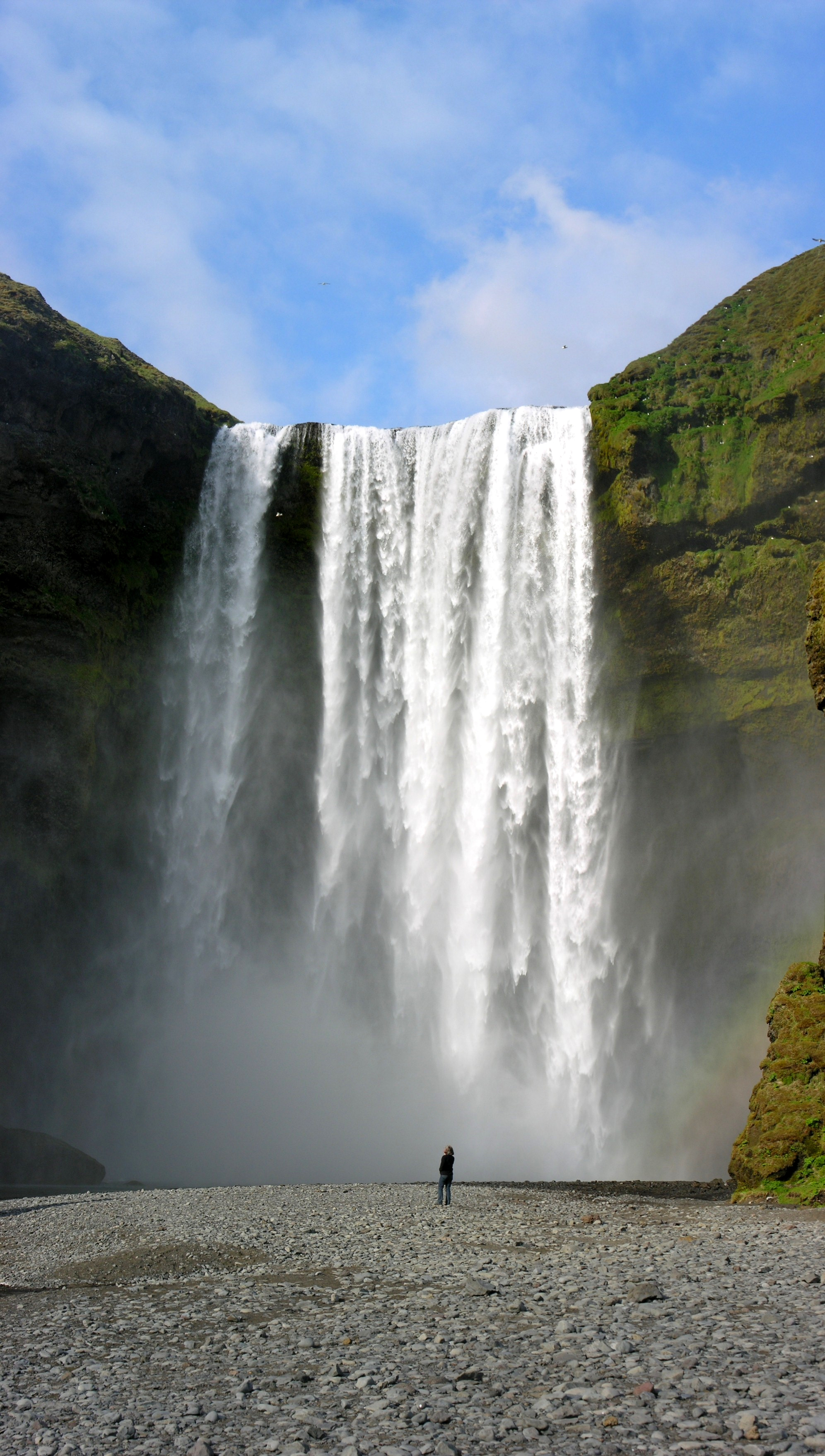
Skogafoss (free) – a 60 m wall of water, one of the most powerful in Iceland. Climb the 370 steps on the right side for the top view. The Icelandic Saga claims a viking buried a treasure chest behind the falls; the only thing recovered was a single gold ring (now in the Skogar Museum).
Reynisfjara Black Sand Beach (free) – the basalt-column beach near Vik with the famous hexagonal columns and the Reynisdrangar sea stacks. SERIOUS WARNING: sneaker waves here have killed multiple tourists. Never turn your back on the sea. Stay 30+ meters back from the waterline at all times. The waves can reach 30 m up the beach without warning.
End Day 2 at Vik (the southernmost village, population 600) or push 25 km east to Kirkjubaejarklaustur. Stay overnight at Hotel Vik i Myrdal (180-280 USD) or Magma Hotel (boutique 220-340 USD).
Day 3: Glaciers + Jokulsarlon Glacier Lagoon (350 km)
Drive 2 hours east to Vatnajokull National Park, home to Europes largest glacier (Vatnajokull covers 8% of Iceland). Skaftafell visitor center is the gateway. From here, the easy Svartifoss waterfall hike (4 km roundtrip, 1.5 hours, the waterfall surrounded by basalt columns).
For the experience: Glacier hike with crampons (3-hour guided tour 12,000-18,000 ISK ~85-130 USD, ages 8+, no experience needed). Walk on the glacier with ice axes, descend into crevasses, drink directly from glacial streams. Operators: Icelandic Mountain Guides, Glacier Guides, Tröll Expeditions.
Continue 1 hour east to Jokulsarlon Glacier Lagoon (free entry, parking 1,500 ISK). The 18 km2 lagoon was created by the retreat of the Breidamerkurjokull glacier – icebergs the size of cars calve off the glacier and float in the lagoon before being washed out to sea. The most photogenic place in Iceland. Optional amphibious boat tour (6,500 ISK ~46 USD, 40 min, you ride between the icebergs).
Across Route 1 from the lagoon: Diamond Beach (free) – the icebergs that escape Jokulsarlon wash up on this black sand beach, creating the iconic image of crystal-clear ice on black volcanic sand. The shapes change daily as the tide brings new icebergs in.
Ice cave tours (November-March only): inside Vatnajokull, you visit a crystal-blue ice cave – tour from Jokulsarlon 28,000-42,000 ISK ~200-300 USD, 3-hour tour including guide, helmet, ice cleats. The caves change each year as the glacier shifts.
Overnight in Hofn (1 hour east of Jokulsarlon, the lobster capital of Iceland). Dinner at Pakkhus (the famous lobster restaurant, 8,500-14,000 ISK).
Day 4: East Fjords (270 km, 5 hours)
The East Fjords are the road less traveled – dramatically beautiful coast with sweeping fjord roads, tiny fishing villages, and almost no tourists compared to the south coast. Drive Hofn to Egilsstadir via Route 1 along the coast.
Stops: Djupivogur (a tiny fishing village with the Eggin i Gledivik egg sculpture park, 34 stone eggs representing the bird species nesting locally), Vestrahorn / Stokksnes (the photogenic black sand beach with the dramatic Vestrahorn mountain – 900 ISK private land access fee), Faskrudsfjordur (the French-Icelandic fishing village where many street signs are in French – this was a French fishing base in the 19th century).
End the driving day in Egilsstadir (the main town in the East Fjords). Optional add: hike to Hengifoss (the 128 m third-tallest waterfall in Iceland with red-and-black layered cliff stripes, 2-hour roundtrip).
Day 5: North Iceland (Myvatn area, 380 km, 6 hours)
Long driving day from Egilsstadir to Akureyri via Lake Myvatn. Key stops:
Dettifoss (free, the most powerful waterfall in Europe by volume – 200 m3 of water per second crashes 44 m over a basalt edge). Featured in Prometheus opening sequence. The west side has paved access and the better view; the east side is gravel road. Allow 90 min.
Hverir geothermal area (free) – bubbling mud pots, sulfur springs that smell like rotten eggs, fumaroles venting steam. Looks like Mars. Allow 30 min.
Krafla geothermal area (free) – drive up to Viti crater (a 320 m diameter crater filled with milky-blue water from the 1724 eruption).
End at Myvatn Nature Baths (5,800 ISK / ~40 USD entry) – the Northern Lights Blue Lagoon equivalent. Silica-rich blue water, fewer crowds than the Blue Lagoon, half the price. Soak for 2-3 hours under the Northern Lights in winter.
Overnight in Akureyri (Icelands second city, population 19,000, 90 min west of Myvatn).
Day 6: Akureyri to Snaefellsnes Peninsula (350 km, 5 hours)
Drive west to the Snaefellsnes Peninsula – often called Iceland in Miniature because it has everything (volcanoes, glaciers, beaches, fishing villages, basalt cliffs) in one compact 90 km long peninsula.
Key stops: Kirkjufell mountain (the 463 m arrowhead mountain that featured as the Game of Thrones Arrowhead Mountain north of the wall, with the photogenic Kirkjufellsfoss waterfall in the foreground), Djupalonssandur (the black pebble beach with the four stones of strength that 19th-century fishermen had to lift to qualify for boat crew – 23-154 kg range), Arnarstapi (the 19th-century fishing village with sea cliffs filled with screaming Arctic terns), Snaefellsjokull glacier (the volcanic glacier at the peninsulas tip – Jules Vernes Journey to the Center of the Earth started here).
Overnight in Hellnar or Hellissandur on the peninsula, or push back to Borgarnes (closer to Reykjavik for Day 7).
Day 7: Return to Reykjavik + Blue Lagoon (200 km, 3 hours driving)
Drive back to Reykjavik (2.5 hours from Snaefellsnes). Stop at Borgarnes for the Settlement Center museum (1,800 ISK, the story of Icelands 874 CE Viking settlement). Drop off rental car at KEF airport (or downtown if returning later).
Final stop: Blue Lagoon (Premium ticket 11,990 ISK / 85 USD, includes 2 face masks, towel, slippers, robe, one drink at the swim-up bar, and reservation for Lava Restaurant lunch). Book 2-3 weeks ahead – timed entry. Soak for 2-3 hours.
Alternative cheaper Blue Lagoon: Sky Lagoon (Kopavogur, 15 min from Reykjavik, opened 2021, premium ticket 8,990 ISK / 63 USD, the 7-step ritual is unique and arguably better than Blue Lagoon). Most locals now prefer Sky Lagoon.
Evening flight from Keflavik (KEF) home.
Where to Stay on the Ring Road
Iceland accommodation is the most expensive in Europe. Book 2-4 months ahead for summer travel; 1-2 months for winter. Most stops have limited room inventory.
Reykjavik
Stay downtown for walking access. Mid-range: Center Hotels chain (180-340 EUR/night), Sand Hotel (220-380 EUR boutique on Laugavegur). Luxury: Reykjavik Edition (the 2021 5-star, 600-1,200 EUR), Hotel Borg (the 1930 grand dame on Austurvollur Square, 380-700 EUR). Budget: Kex Hostel (45-95 EUR boutique hostel with restaurant), Loft HI Hostel (40-80 EUR).
Ring Road Stops
Vik: Hotel Vik i Myrdal (180-280 USD), Magma Hotel (220-340 USD). Hofn: Hotel Hofn (180-260 USD), Fosshotel Glacier Lagoon (220-340 USD with Vatnajokull view). Egilsstadir: Icelandair Hotel Herad (160-240 USD). Myvatn: Sel Hotel (150-240 USD), Vogafjos Farm Resort (180-280 USD). Akureyri: Hotel Kea (140-220 USD), Hotel Akureyri Berjaya (150-240 USD). Snaefellsnes: Hotel Budir (200-380 USD), Hotel Husafell (180-300 USD).
Where to Eat in Iceland
Iceland is the most expensive food destination in Europe. A casual lunch is 25-35 USD per person. A sit-down dinner with one beer 60-90 USD. Restaurants are good but the cost adjustment is real.
Iceland Classics
Plokkfiskur (the traditional fish stew with cod and potatoes). Lamb soup (kjotsupa) made from free-range mountain lamb. Hangikjot (smoked lamb served at Christmas, year-round in supermarkets). Skyr (the ancient Icelandic dairy product – tastes like Greek yogurt but legally a cheese). Rugbraud (Icelandic rye bread baked in the ground over geothermal heat). Pylsa (Icelandic hot dog at Baejarins Beztu in Reykjavik – eat eina med ollu one with everything, 750 ISK).
The Weird Stuff
For the brave: hakarl (fermented shark, the legendary stink-food – 3-month fermented Greenland shark, served cubed with a shot of Brennivin schnapps). Svid (singed sheeps head, sometimes served whole including eyeballs). Hrutspungar (rams testicles). These are traditional but few Icelanders eat them outside specific holidays. Mostly a tourist dare now.
Getting Around Iceland
Rental Cars
Essential for the Ring Road. Compact 2WD: 8,000-15,000 ISK per day in summer. 4WD (mandatory November-April): 15,000-25,000 ISK per day. Always buy: SCDW super collision damage waiver (5,000-7,000 ISK/day, reduces deductible from 4,000 USD to 500 USD), gravel insurance (3,000 ISK/day – the Icelandic gravel chips cost 200-500 USD per incident without coverage), ash and sand insurance (essential June-September during southern ash storms).
Gas Stations
N1 is the main brand, with stations every 50-80 km on the Ring Road. Self-service. Gas costs 350-400 ISK per liter (~10-12 USD per gallon). Pay at the pump with card or via the N1 app.
Driving Conditions
Iceland drives on the right. Speed limits: 90 km/h on paved highways, 80 on gravel roads, 50 in towns. Police speed cameras everywhere. Watch for free-roaming sheep on rural roads (May-October). Always check road.is and safetravel.is for daily conditions before driving – sandstorms, blizzards, and volcanic ash can close roads with no warning.
What to Know Before You Go to Iceland
Best Time to Visit
June-August: 24-hour daylight, mild weather (10-15C), all roads open, peak puffin season, most expensive. September-October: northern lights begin, fewer crowds, autumn colors. November-March: dark days (4-6 hours of light in December), prime aurora season, ice caves open, requires 4WD and willingness to pivot plans. April-May: shoulder season – some highland roads still closed but cheaper prices and longer days.
Weather and Packing
Icelandic weather changes every 15 minutes. The saying: if you do not like the weather, wait 5 minutes. Always pack: waterproof shell jacket (essential), waterproof pants (for waterfall mist), fleece, wool base layer, wool hat, gloves, waterproof hiking boots, swimsuit (for the hot springs – bring one even in winter), refillable water bottle.
Apps You Must Install
SafeTravel.is (the official safety app with real-time alerts), Road.is (road conditions), Vedur.is (weather forecast including aurora forecast and kp index), 112 Iceland (emergency app with one-touch SOS). These are not optional – the weather and roads can become genuinely dangerous quickly.
Money and Tipping
Iceland uses the Krona (ISK), not the Euro. 1 USD = ~140 ISK, 1 EUR = ~150 ISK (2026). Iceland is essentially cashless – cards accepted everywhere (including at the Blue Lagoon entry, gas stations, food trucks). Apple Pay and Google Pay work everywhere. Tipping is NOT expected – service is included. Round up if you wish.
Tap Water
Icelandic tap water is some of the purest on Earth – directly from glacial springs. Always drink tap, never buy bottled. The hot tap water smells of sulfur from the geothermal heating – normal and safe, just stick to cold for drinking.
Safety
Iceland is the safest country on Earth – ranked #1 on the Global Peace Index for 17 consecutive years. Violent crime is essentially nonexistent. The real dangers are natural: sneaker waves at Reynisfjara have killed multiple tourists, weather changes can be deadly in the highlands, glacier crevasses kill the unprepared. Respect natural hazards more than you would in most countries.
Common Mistakes First-Time Visitors Make
Underestimating the cost: Iceland is the most expensive country in Europe. Budget 100-150 USD per day minimum, mid-range 250-400 USD/day.
Renting a 2WD in winter: many roads require 4WD November-April. Pay the upgrade or rebook.
Skipping gravel insurance: gravel chips on the Ring Road cost 200-500 USD per incident without coverage. Take it.
Trusting weather forecasts beyond 24 hours: Iceland weather is too unpredictable. Check daily.
Turning your back on the sea at Reynisfjara: sneaker waves kill people. Stay 30+ m back.
Chasing aurora on a single night: clouds + solar activity make it unpredictable. Plan 3+ nights with flexibility.
Skipping Snaefellsnes: most travelers focus on the South Coast and miss the Iceland-in-Miniature peninsula 90 min from Reykjavik.
Cost Estimate: 7 Days in Iceland (per person)
Budget (100-150 USD/day)
Budget guesthouses or hostels (50-90 USD/night), supermarket food (Bonus the pink-pig store is the cheapest), shared 2WD rental, free natural attractions. Total: 700-1,050 USD per person, excluding international flights.
Mid-Range (250-400 USD/day)
Mid-tier hotels (180-280 USD/night), restaurant lunches and dinners (60-100 USD), 4WD rental with full insurance, all major paid attractions, Sky Lagoon or Myvatn baths. Total: 1,750-2,800 USD per person.
Luxury (700+ USD/day)
5-star Reykjavik Edition or Hotel Borg (500-1,200 USD/night), countryside luxury hotels (350-600 USD), Dill Michelin tasting, glacier helicopter tours (1,200-2,500 USD), private guide. Total: 4,900-15,000 USD per person.
Flights
From US East Coast (Boston, NY) to KEF: 350-800 USD roundtrip (Icelandair, PLAY, Delta). From US West Coast: 500-1,000 USD. From London: 80-280 GBP. From Paris: 100-300 EUR. Icelandair allows free stopovers up to 7 days en-route between Europe and US.
Frequently Asked Questions
Is 7 days enough for the Ring Road?
Tight but feasible. Ten days lets you slow down. Skip the Westfjords on a 7-day trip.
Best time to drive the Ring Road?
June-August (long daylight, all roads open, dry conditions). May and September are quieter shoulders. October-April requires 4WD and weather monitoring.
Do I need 4WD for the Ring Road?
In summer 2WD works fine. Winter requires 4WD, snow tires, and willingness to pivot plans based on weather. The Ring Road itself is paved but side roads to attractions often gravel.
Should I do Blue Lagoon or Sky Lagoon?
Sky Lagoon is closer to Reykjavik (15 min vs 50 min), cheaper (8,990 ISK vs 11,990 ISK), and the 7-step ritual is unique. Most locals now prefer Sky Lagoon. Blue Lagoon has more global brand recognition.
Best time to see Northern Lights in Iceland?
October-March, with peak activity around equinoxes (September-October and March-April). Aurora is best on clear nights when kp index is 3+. Plan 3+ nights for a realistic shot. Cloud cover ruins the show even with strong aurora activity.
Is Iceland expensive?
Yes, the most expensive country in Europe. Plan 100-150 USD per day budget, 250-400 USD/day mid-range, 700+ USD/day luxury. Restaurant mains 25-45 USD. Even fast food is 18-25 USD per meal.
Do I need a visa for Iceland?
Iceland is in Schengen. EU citizens travel freely. US, UK, Canadian, Australian get 90 days visa-free. Check current ETIAS rules before booking.
Can I drink Iceland tap water?
Yes, Iceland tap water is among the purest on Earth. Never buy bottled. The hot tap may smell of sulfur (geothermal heating) – drink cold.
Final Thoughts
Iceland in 7 days driving the Ring Road is one of the great driving trips on Earth. Waterfalls behind which you can walk, glaciers you can hike, geysers that erupt every 8 minutes on cue, black sand beaches strewn with crystal icebergs, hot springs you swim in by the side of the road, and (in winter) the Northern Lights overhead.
Iceland rewards travelers who slow down and respect the weather. Pack waterproof everything. Drink the tap water. Soak in the hot springs. Stop at every waterfall, every geothermal field, every fishing village. God ferd – safe travels.