

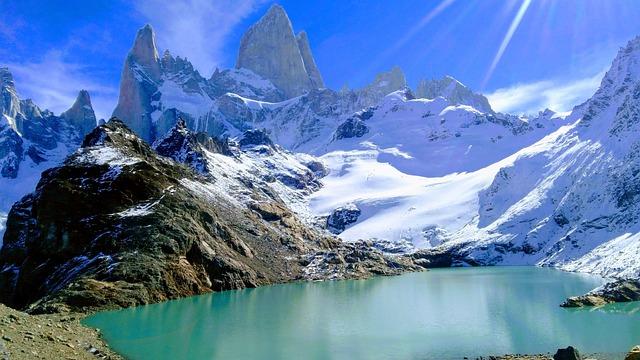
Patagonia in Argentina remains one of the great hiking destinations of the planet. The region delivers granite spires that rival Yosemite, glaciers that reach the road, lake systems comparable to Switzerland and trail networks that stay almost empty outside the summer peak. This 2026 guide walks you through the best hiking spots, the logistics that make or break a trip, the seasonal windows and the gear that protects you against the famous Patagonian wind.
Why Patagonia Is the Ultimate Hiking Destination
Three reasons explain why experienced hikers consistently rank Patagonia in their top five worldwide. First, the scale: the Southern Patagonian Ice Field is the third-largest reserve of fresh water on Earth after Antarctica and Greenland. You can walk for a full day with that ice field on the horizon. Second, the contrast: glaciers, fjords, beech forests, steppe and granite peaks all coexist within a 50 km radius around El Chalten. Third, the accessibility: trails are well-marked, free of permit requirements for most day hikes, and supported by a network of small towns with hostels, bakeries and outdoor shops.
Patagonia rewards both casual day hikers and serious mountaineers. Beginners can do the Laguna Capri walk near El Chalten in four hours and return to a hot meal in town. Experienced trekkers can join multi-day circuits across the Fitz Roy and Cerro Torre massifs, or push deeper into the Huemul Circuit, one of the most remote four-day loops in South America.
The Seven Best Hiking Spots in Argentine Patagonia
- Laguna de los Tres (Fitz Roy): 22 km round trip from El Chalten, the most iconic day hike in Argentina. Last kilometre climbs 400 m to reach the lake at the base of Cerro Fitz Roy.
- Laguna Torre (Cerro Torre): 18 km round trip from El Chalten. Less steep than Fitz Roy and equally spectacular, with the granite needle of Cerro Torre rising above the lake.
- Loma del Pliegue Tumbado: 23 km round trip, one of the best viewpoints over both Fitz Roy and Cerro Torre on a single hike. Less crowded than the other classics.
- Huemul Circuit: 65 km in four days with two glacier crossings on Tyrolean traverses. The most technical and remote trek in Argentine Patagonia. Permit required at the El Chalten ranger station.
- Perito Moreno Glacier walks: Multi-level walkways at the iconic glacier, with optional ice trekking on the glacier itself (operators Hielo y Aventura and Patagonia Adventure Explorer).
- Volcan Lanin: A 3,776 m volcano in northern Patagonia, a strenuous two-day summit climb with a refuge halfway. Crampons and ice axe required.
- Bariloche and Nahuel Huapi National Park: 320,000 hectares of lakes, beech forests and granite peaks. Refugio Frey, Refugio Lopez and the Refugio Jakob trek are all classics for hut-to-hut hiking.
Fitz Roy and El Chalten: The Capital of Argentine Trekking
El Chalten declared itself the National Capital of Trekking in 1985 and has lived up to the name since. The village sits at 405 metres above sea level, at the entrance to Los Glaciares National Park, with all the major trailheads accessible by foot from the centre. The town itself counts roughly 2,500 permanent residents and triples during peak season.
How to plan a four-day El Chalten stay
A typical itinerary covers Laguna de los Tres on day one, Laguna Torre on day two, a recovery half-day with Mirador de los Condores at sunset on day three, and Loma del Pliegue Tumbado on day four. This sequence builds fatigue progressively and saves the longest hike for the day when you have the most acclimatisation.
Where to stay in El Chalten
The village offers everything from hostel dorms (15 to 25 USD per night at Rancho Grande, El Pilar Hostel) to mid-range hotels (Hosteria Senderos, Los Cerros Hotel at 180 to 280 USD) and the higher-end Explora Patagonia option (in fact across the border in Chilean Patagonia). Book three to four months ahead for January and February. November and March still have wide availability.
Where to eat in El Chalten
The town punches above its weight on food. La Cerveceria brews local IPA and serves stew dishes after long hikes. La Tapera offers Patagonian lamb (cordero al palo) for groups. Maffia uses local ingredients in fresh pasta. Curcuma is the best vegetarian-friendly option. La Vineria pairs local Malbec with a regional cheese board. Average dinner cost runs 22 to 35 USD per person.
Perito Moreno and Los Glaciares National Park
The Perito Moreno Glacier sits 80 km west of El Calafate, the other gateway town in Argentine Patagonia. The glacier covers 250 square kilometres and ends at the Magellan Peninsula in a continuous wall of ice 60 metres high and 5 kilometres wide. The viewing walkways let you watch ice calving into Lake Argentino without any technical skill required.
The walkway visit
Park entry costs 35 USD per adult in 2026. The walkway network covers about 4 km of platforms over four levels. Plan four to five hours at the site to watch calving events. The best photo angles come from the lower walkways at the centre platform.
Ice trekking on the glacier
Two operators run ice trekking. Hielo y Aventura offers a Big Ice trek (eight hours total, four hours on the ice, 230 USD per person) and a Mini Trek (90 minutes on the ice, 130 USD). Patagonia Adventure Explorer runs similar tiers. Both include crampons and a brief safety class. No prior ice experience required for the Mini Trek. The Big Ice trek demands solid fitness.
Other day trips from El Calafate
The Upsala Glacier boat tour reaches a remote arm of Lake Argentino, accessible only by water. The Estancia Cristina day trip combines a boat ride with a ranch lunch and an optional hike to the Upsala viewpoint. Lago Roca rewards independent travellers with quiet trails and free entry.
Best Months and Weather Windows for Patagonia
The Patagonian climate punishes unprepared visitors. Wind speeds at El Chalten frequently exceed 80 km/h, weather changes within minutes, and the difference between morning and afternoon conditions can be dramatic.
- November to early December: Spring conditions. Longer daylight, fewer crowds, lower lodging prices. Some passes still hold snow. Average temperature 5 to 15 degrees Celsius.
- Mid-December to mid-February: Peak summer. Crowds at El Chalten and Perito Moreno. Best stable weather windows. Temperatures 8 to 22 degrees Celsius. Bookings essential for accommodation.
- Late February to mid-March: Late summer with reduced crowds and stable weather. Often the best ratio of conditions to availability. Trees start to colour by mid-March.
- Late March to April: Autumn colours peak on the lenga and nire trees. Temperatures drop, and some refuges start to close. The crowds disappear almost entirely.
- May to October: Winter season. Most trekking trails close due to snow. The region attracts ice climbers and winter mountaineers rather than hikers.
Wind direction matters as much as wind speed. The prevailing westerlies hit Fitz Roy and Cerro Torre directly. Mornings (before 09:00) are typically the calmest and clearest, which is why most experienced hikers start before sunrise for the most exposed sections.
Practical Logistics: Flights, Buses and Lodging
Reaching Patagonia takes planning. Direct flights from Buenos Aires connect to the main gateway airports, but the onward journey to trailheads still takes hours by road.
Flying in
- El Calafate (FTE): 3 hours 15 minutes from Buenos Aires Aeroparque. Daily flights with Aerolineas Argentinas and LATAM. Tickets typically 150 to 280 USD return.
- Bariloche (BRC): 2 hours 15 minutes from Buenos Aires. Gateway for the northern Patagonian lakes district.
- Ushuaia (USH): 3 hours 30 minutes from Buenos Aires, in Tierra del Fuego. Gateway for the southernmost trekking.
Connecting from El Calafate to El Chalten
The 220 km road journey from El Calafate airport to El Chalten takes 3 hours by bus. Operators (Chalten Travel, Caltur, TaqsaMarga) run multiple departures daily for 30 to 45 USD per person. Private transfers cost 220 to 280 USD for up to four passengers. Most independent travellers use the public bus.
Crossing to Chilean Patagonia
If you want to combine the Fitz Roy area (Argentine side) with Torres del Paine (Chilean side), the standard route runs El Chalten to Puerto Natales via the El Calafate bus station, with the border crossing at Cerro Castillo or Cancha Carrera. Allow a full day for the crossing including border formalities. Some operators offer direct buses three times per week during the summer season.
Essential Gear for Patagonian Weather
Standard alpine gear works in Patagonia, but with reinforced wind protection and contingencies for fast weather changes. The list below covers what every hiker should bring for a one-week trip.
- Three-layer rain shell: Mandatory. The Arc teryx Beta AR, Patagonia Pluma or Mountain Equipment Tupilak handle horizontal rain in 70 km/h wind.
- Insulated jacket: A 100 to 200 grams of synthetic fill (Arc teryx Atom AR, Patagonia Nano Air) works better than down in damp conditions.
- Windproof trousers: Soft-shell hiking trousers with stretch panels. Salomon Wayfarer, Mountain Hardwear Chockstone or Patagonia Quandary.
- Heavy-duty hiking boots: B2 or B3 rated for the Huemul Circuit, B1 for day hikes. La Sportiva Trango Tech and Scarpa Phantom Tech both work well.
- Sun protection: Category 4 sunglasses (the southern UV index is high), SPF 50 sunscreen and a broad-brim hat with chin strap.
- Headlamp: Even for summer day hikes. Conditions deteriorate quickly and dawn starts are common.
- Trekking poles: Essential for descents into and out of the river valleys around Fitz Roy.
- Hydration system: 2 to 3 litres for full-day hikes. Stream water above 1,500 metres is generally safe to drink without filtering.
One additional tip specific to Patagonia: bring earplugs for hostels in El Chalten. The combination of communal kitchens, late-night returning hikers and corrugated metal walls means a noisy night without them. Decent earplugs cost 3 USD and save your sleep cycle.
A Suggested Seven-Day El Chalten Itinerary
This itinerary balances signature hikes, recovery time and a touch of cultural immersion. It assumes basic mountain fitness and no significant altitude concerns (most hikes stay under 1,300 metres).
- Day 1 (arrival): Fly into El Calafate, transfer to El Chalten by afternoon bus. Settle into your accommodation, walk the short Mirador de los Condores trail (90 minutes) for an introductory view of the valley.
- Day 2: Laguna Capri or Loma del Pliegue Tumbado as a moderate first day. Both offer Fitz Roy views without the steep final push of Laguna de los Tres.
- Day 3: Laguna de los Tres (the iconic Fitz Roy base hike). Start at sunrise (around 06:30 in January) for the best light and lowest wind.
- Day 4: Rest day in El Chalten. Visit the small museum, grab the bakery breakfast at La Tapera and consider a half-day horseback ride to El Pilar.
- Day 5: Laguna Torre (Cerro Torre base). Slightly easier than Fitz Roy. End the day with dinner at La Cerveceria.
- Day 6: Return to El Calafate by bus. Visit Perito Moreno walkways in the afternoon or take a mini ice trek.
- Day 7 (departure): Optional Glaciarium ice museum in El Calafate before your evening flight back to Buenos Aires.
This sequence works for most fit travellers. Add two days at Lago del Desierto (one hour by gravel road north of El Chalten) if you have more time, or two days at Estancia Nibepo Aike for a more cultural Patagonian ranch experience.
Wildlife You Can Expect to See
Patagonia hosts a distinctive set of animals. Most are easy to spot if you keep your eyes open during hikes.
- Guanaco: A wild relative of the llama, common on the steppe around El Chalten and El Calafate. Herds of 20 to 40 are typical.
- Andean condor: The largest flying bird in the world by wing area (3.3 metres). Best spotted from the Mirador de los Condores or on the Loma del Pliegue Tumbado route.
- Magellanic woodpecker: The largest woodpecker in South America, with a striking red head. Found in the lenga forests.
- Patagonian fox (culpeo): Often seen near hut areas and trailheads. Curious but generally cautious of humans.
- Huemul: An endangered Andean deer, the namesake of the Huemul Circuit. Rare and protected.
Pumas live in the region but are very rarely seen. Encounters on the trail are exceptional and they almost always avoid humans. If you do see one, give it space, do not run, and back away slowly.
Safety Tips for Patagonian Trails
Patagonia rewards caution. Most accidents happen because hikers under-estimate the weather, ignore turnaround times, or push too hard on the final ascent to Laguna de los Tres. Five practical rules cover the main risks.
- Register with the rangers: The Los Glaciares National Park rangers maintain a logbook at the El Chalten entrance. Sign in before each significant hike and sign out on return. This adds five minutes and triggers a search if you fail to return.
- Respect turnaround times: Set a fixed hour to turn around regardless of how close you feel to the destination. For Laguna de los Tres, the standard turnaround is 13:00 (you can still descend safely before evening light fades).
- Carry windproof layers even on sunny days: The weather can change in 30 minutes. A 22-degree afternoon can drop to 4 degrees with horizontal sleet in less than an hour above 1,000 metres.
- Drink stream water with caution: Above 1,500 metres and far from livestock, stream water is generally safe. Below 1,500 metres, or anywhere downstream of an estancia, treat the water with a filter or purification tablets.
- Carry a charged phone with offline maps: Mobile signal is unreliable beyond El Chalten and El Calafate. Download Maps.me or Komoot offline maps before leaving town. A 10,000 mAh power bank weighs 200 grams and gives you two full phone charges.
One additional consideration: medical evacuation in remote Patagonia can take 6 to 12 hours and costs 25,000 to 80,000 USD. A travel insurance policy that explicitly covers trekking and helicopter rescue (World Nomads Explorer, IMG Patriot Platinum, Allianz Premier) is essential. Expect to pay 80 to 140 USD for a one-week policy with proper coverage.
Trekking in Patagonia leaves a lasting impression precisely because the landscape resists tidy categorisation. Within a single hour you can pass through beech forest, glacial moraine, alpine meadow and granite scree. The wind shapes the trees, the light cycles every fifteen minutes, and the trails feel both well-maintained and genuinely wild. Plan ahead, respect the conditions, and you will leave with a clearer sense of why generations of climbers and hikers continue to return to this corner of the world.
Frequently Asked Questions
Do I need a guide to hike around El Chalten?
No, for the standard day hikes (Laguna de los Tres, Laguna Torre, Loma del Pliegue Tumbado). Trails are well marked and the rangers brief hikers at trailheads. A guide is required for the Huemul Circuit (advanced technical terrain) and recommended for ice trekking on Perito Moreno. Day-hike guides cost 80 to 150 USD per person.
Is Patagonia safe for solo female hikers?
Yes. El Chalten and El Calafate are very safe small towns, with strong international tourism and a low crime rate. On the trails you will often share the route with other hikers during summer. Standard precautions apply: register at the ranger station, share your itinerary, carry a charged phone with offline maps.
How much does a one-week Patagonia trip cost in 2026?
Budget travellers (hostel bunks, public bus, self-catering): 700 to 1,000 USD per person for seven days. Mid-range (private double room, restaurant meals, two guided activities): 1,500 to 2,200 USD. Premium (boutique hotel, private transfers, guided trekking): 3,500 to 5,500 USD. International flights to Buenos Aires not included.
Can I combine Argentine and Chilean Patagonia in one trip?
Yes, and many travellers do. The standard 10-day combination covers El Chalten (3 nights, Argentina), El Calafate (1 night, Argentina), Puerto Natales (1 night, Chile, gateway to Torres del Paine), Torres del Paine W trek (4 nights), Punta Arenas (1 night, Chile). Allow at least one full travel day for the border crossing.
When should I book accommodations for high season?
For mid-December to mid-February, book three to four months ahead. The best hostels and mid-range hotels in El Chalten fill quickly. For November and March, six to eight weeks ahead is usually sufficient.
Are credit cards accepted everywhere in Patagonia?
Mostly yes, but bring some cash. Restaurants, hotels and operators accept Visa and Mastercard. Small bakeries, kiosks and bus stations sometimes operate cash-only. ATMs exist in El Chalten and El Calafate but can run out during peak season. Carry 200 to 400 USD in cash as a buffer.
Affiliate disclosure: some hotel and activity links in this article are affiliate links. If you book through them, we receive a small commission at no additional cost to you. This is what allows us to keep producing detailed, honest guides.