

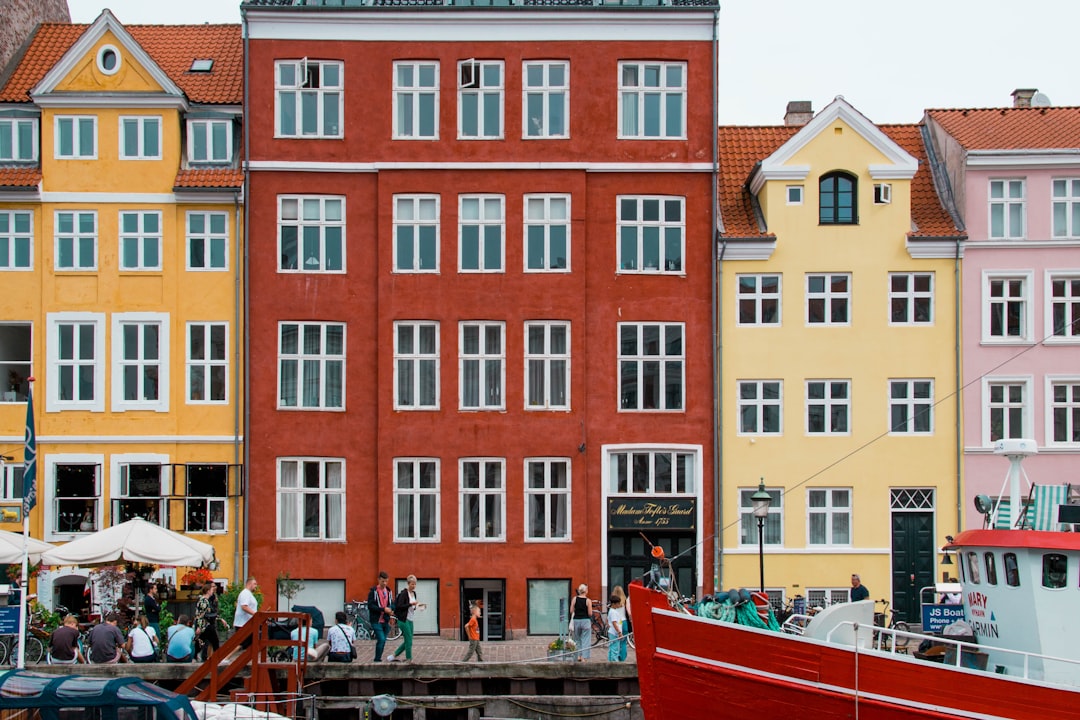
We have visited Copenhagen three times since 2022, in winter, late spring, and early autumn. Each visit confirmed the same truth: this is one of the most quietly addictive capitals in Europe. The Danish way of life, called hygge, is not a marketing slogan but a practical philosophy of slow coffee, candle-lit evenings, and the kind of urbanism that places bicycles ahead of cars. In this guide, you will find the 3-day Copenhagen itinerary we wish we had on our first visit: the right neighborhoods for accommodation, a real budget breakdown in DKK and EUR, the design landmarks worth your time, and 16 tested addresses. No filler, no recycled cliches.
When to visit Copenhagen
Copenhagen is a year-round city, but Danish weather will dictate much of your experience. Here is our verdict month by month after three trips covering different seasons.
| Month | Weather | Crowds | Hotel average | Verdict |
|---|---|---|---|---|
| January to March | Cold (1 to 4°C), dark | Very low | 115 EUR | Pure hygge season indoors, daylight only 8 hours |
| April to May | Cool (8 to 16°C) | Low to medium | 175 EUR | Our favorite, spring blossoms and longer days |
| June to August | Pleasant (18 to 23°C) | Peak | 295 EUR | 17 hours of daylight, outdoor city at its best |
| September to October | Crisp (10 to 15°C) | Medium | 185 EUR | Autumn light, harvest menus in restaurants |
| November to December | Cold rainy (3 to 7°C) | High (Christmas) | 240 EUR | Tivoli Christmas market is exceptional |
Our verdict: target late May to mid-June for the best mix of weather, light, and reasonable crowds. The summer solstice on 21 June brings 17 hours of daylight and a magical evening atmosphere. For Christmas market lovers, the window from 25 November through 23 December is genuinely worth the cold. Avoid January and February unless you embrace the dark indoor hygge season.
How much do 3 days in Copenhagen cost?
Copenhagen is one of the most expensive capitals in Europe. Be prepared for prices roughly 30 to 50 percent higher than Paris or Berlin. The good news: the city is genuinely walkable and bikeable, so transport costs stay reasonable if you plan carefully.
| Category | Backpacker | Mid-range | Premium |
|---|---|---|---|
| Lodging / night | Hostel dorm 45 EUR | 3-star Vesterbro 180 EUR | Hotel d’Angleterre 580 EUR |
| Food / day | Bakery and food hall 35 EUR | Smorrebrod and dinner 85 EUR | Noma-tier tasting 350 EUR |
| Transport (3 days) | Bicycle rental 30 EUR | Bike plus 2 metro days 45 EUR | Uber and harbor taxi 110 EUR |
| Activities | Free walking tour and Christiania 12 EUR | Tivoli plus 2 museums 95 EUR | Private guide and design tour 320 EUR |
| Extras | 30 EUR | 70 EUR | 160 EUR |
| TOTAL 3 days per person | approx 620 EUR | approx 1,100 EUR | approx 2,400 EUR |
💡 Insider tip: the Copenhagen Card at 819 DKK (110 EUR) for 72 hours covers public transport plus free entry to 80 attractions, including Tivoli, Rosenborg Castle, and the Round Tower. It pays off as soon as you visit 3 paid attractions. Buy online at copenhagencard.com and present your digital QR code.
Where to stay in Copenhagen: the 5 neighborhoods compared
Copenhagen is compact. Almost any central neighborhood is workable, but each has a distinct character. Here are the five we know best.
Vesterbro, the contemporary creative quarter
Once the red-light district, now the trendiest neighborhood for design, coffee, and food. The Meatpacking District (Kødbyen) holds the best evening scene. Excellent transport links from the central station.
- Ideal for: foodies, design enthusiasts, first-time visitors who want urban energy
- Average price: 160 to 220 EUR per night
- Top picks: Hotel Ottilia (190 EUR), Andersen Boutique Hotel (175 EUR), and the legendary Coco Hotel (210 EUR)
Nørrebro, the multicultural and alternative scene
The most diverse neighborhood, with Middle Eastern bakeries on Norrebrogade, vintage shops, and the famous Superkilen urban park. Less polished than Vesterbro, more authentic. The lake border separates it from the city center.
- Ideal for: younger travelers, longer stays, repeat visitors
- Average price: 130 to 180 EUR per night
- Top picks: Hotel Nora (155 EUR), Steel House Copenhagen (145 EUR with pool)
Indre By (Old Town), central but pricey
The historic core surrounding Stroget pedestrian street. Maximum convenience, minimum local feel. Hotels are 30 percent more expensive than equivalent rooms in Vesterbro or Nørrebro.
- Ideal for: short trips with limited time, mobility-conscious travelers
- Average price: 220 to 350 EUR per night
- Top picks: Hotel Skt Petri (290 EUR), Nimb Hotel (Tivoli Gardens, 580 EUR for couple)
Christianshavn, on the water with Christiania nearby
The 17th-century canal district built on reclaimed marshland. Beautiful waterways, freetown Christiania next door, the famous spiral spire of Our Saviour Church. Quieter than the central city.
- Ideal for: couples seeking atmosphere, photography enthusiasts
- Average price: 200 to 280 EUR per night
- Top picks: 71 Nyhavn Hotel (240 EUR with harbor view), Manon Les Suites (boutique with palm-lined pool, 320 EUR)
Frederiksberg, leafy and residential
Technically a separate municipality within Copenhagen. Wide tree-lined boulevards, the Frederiksberg Have park, slightly suburban feel. The cheapest of the central options.
- Ideal for: families, longer stays, travelers wanting calm
- Average price: 120 to 170 EUR per night
Detailed itinerary: 3 days in Copenhagen
Day 1: Classic Copenhagen and a harbor crossing
Morning: breakfast at Lille Bakery (Refshalevej 213A) if you stay near the harbor, or Andersen Bakery (Bernstorffsgade 5) near the central station. The Danish cardamom bun (kardemommesnurrer) at 35 DKK is the standard Copenhagen breakfast.
9:30 AM to noon: walk along Stroget, the world’s longest pedestrian street, from City Hall Square to Kongens Nytorv. The route covers the central shopping spine and lets you orient yourself. Detour into the Latin Quarter side streets (Larsbjornsstraede area) for design boutiques and independent cafes.
Lunch: Schonnemann (Hauser Plads 16, 200 to 350 DKK per person, 27 to 47 EUR), an institution serving smørrebrød (open-faced sandwiches) since 1877. Booking essential. Order 3 to 4 pieces per person, paired with Akvavit or a small Tuborg beer.
Afternoon: Rosenborg Castle (130 DKK, included in Copenhagen Card), the 17th-century royal residence with the Crown Jewels in the basement. Allow 90 minutes. Then walk to Kongens Have (King’s Garden) for a coffee break.
Sunset: take the harbor bus 991 or 992 (free with Copenhagen Card) to Refshaleøen, the old shipyard now home to street food markets, the climbing-roof of Copenhill power plant, and contemporary art warehouses.
Evening: dinner at Reffen (Refshalevej 167A), an outdoor street food market with 50 international stalls. Budget 150 to 250 DKK per person. Open April through October. In winter, head to Tivoli Food Hall instead.
⚠️ Trap to avoid: never sit down at the restaurants directly facing Nyhavn canal. The famous painted houses make for the most-photographed spot in Copenhagen, but the dining establishments along it serve mediocre food at premium prices. Take your photos, then walk 5 minutes inland for honest dining.
Day 2: Tivoli, design, and the lakes
Morning: open Day 2 at Tivoli Gardens (155 DKK entry, no rides included, opens 11 AM). Tivoli is the second-oldest operating amusement park in the world, dating from 1843. Walt Disney visited and reportedly drew inspiration here. Plan 2 to 3 hours minimum. The classic wooden roller coaster (Rutschebanen) from 1914 is worth the line.
Lunch: leave Tivoli and walk 10 minutes to Torvehallerne (Frederiksborggade 21), the elegant covered food market. Try the smoked salmon stand at Hallernes or the simple smørrebrød at Hallernes Smorrebrod (95 to 125 DKK per piece).
Afternoon: design pilgrimage. Visit the Designmuseum Danmark (Bredgade 68, 140 DKK), with the world’s best collection of Danish furniture from Arne Jacobsen, Hans Wegner, and Verner Panton. Two hours minimum.
Bicycle interlude: rent a bicycle (90 to 130 DKK per day at Donkey Republic or Copenhagen Bicycles) and cycle a loop around the inner Lakes (Sortedams Sø, Peblinge Sø, Sankt Jørgens Sø). The 6-km loop takes 30 to 45 minutes at relaxed pace and gives you the postcard Copenhagen view: pastel buildings reflecting in still water.
Sunset: The Round Tower (Købmagergade 52A, 40 DKK) climbing the famous 17th-century spiral ramp for the 360-degree city view.
Evening: dinner at Apollo Kantine (Sankt Petri Passage 1, 350 to 500 DKK per person), an excellent New Nordic restaurant inside an art gallery. Or for a different vibe, Brus in Nørrebro for craft beer and bar food.
Day 3: Christiania, Christianshavn, and a final coastal escape
Morning: breakfast at Cafe Sundet on the Strandboulevarden waterfront. The harbor walks here are the most peaceful in central Copenhagen.
10 AM to noon: visit Freetown Christiania, the famous self-proclaimed autonomous neighborhood founded in 1971 in abandoned military barracks. The main entrance is at Præstegards Gade. Photography is forbidden on Pusher Street (the central artery). Stay respectful, this is a residential community, not an attraction. Walk through the lake-side outer rim and the Christiania Bikes workshop.
Late morning: continue to the Church of Our Saviour (Sankt Annae Gade 29, 80 DKK), the 17th-century church with the spectacular external spiral staircase climbing 90 meters to the top. The view is exceptional but the climb is not for the faint of heart (the upper steps are narrow and exposed).
Lunch: Restaurant Kanalen (Wilders Plads 2, 250 to 400 DKK per person) on the Christianshavn canal, or the simpler Lagkagehuset bakery for a quick smorrebrod and pastry.
Afternoon (choose one)
Option A: Louisiana Museum of Modern Art (250 DKK, 1 hour train ride north to Humlebaek). Often ranked among the world’s top 20 art museums. Lake Oresund views, sculpture gardens, world-class exhibitions. Allow 4 hours including transit.
Option B: Frederiksberg Garden and Carlsberg neighborhood. Walk through the leafy Frederiksberg Have park, visit the Frederiksberg Palace grounds, then continue to the Visit Carlsberg experience (165 DKK with tasting) at the original brewery site, or the contemporary Carlsberg Byen redevelopment area.
Option C: Free city walking. Use the afternoon for unhurried wandering through neighborhoods you have not yet seen.
Sunset: Cisternerne (Soenedammen) is an underground former water reservoir converted into a contemporary art space with light installations. The exhibitions rotate annually. 80 DKK entry.
Evening: final dinner at one of the standout New Nordic restaurants if your budget allows: Geist (Kongens Nytorv 8, 450 to 700 DKK per person, no Michelin star but excellent Bo Bech cooking), Marchal at Hotel d’Angleterre (Michelin starred, 1,100 to 1,800 DKK tasting), or Hoest (Restaurationsplads 1, 550 DKK set menu, strongly recommended for Scandinavian fine dining at a non-Noma price).
💡 Insider tip: dinner reservations in Copenhagen require advance planning. Major restaurants release tables roughly 30 days ahead at midnight Danish time. Geist, Apollo Kantine, and Hoest all sell out the same evening they release tables. Set a reminder on your phone.
Top experiences to book in advance
Certain activities require advance booking, particularly during peak summer and Christmas season.
| Experience | Duration | Cost | Book ahead? |
|---|---|---|---|
| Harbor canal boat tour | 1h | 110 DKK / 15 EUR | Yes, 2 to 3 days |
| Tivoli Gardens evening with rides | 3 to 4h | 395 DKK / 53 EUR | No (just arrive) |
| Louisiana Museum day trip | 5h with transit | 250 DKK / 34 EUR | No (free entry timing) |
| Free walking tour Copenhagen | 3h | Tip-based (75 to 125 DKK) | No (just show up) |
| Carlsberg brewery tour with tasting | 2h | 165 DKK / 22 EUR | Yes, 1 week |
| Cooking class with Danish chef | 3.5h | 895 DKK / 120 EUR | Yes, 2 weeks |
The 1-hour harbor boat tour from Nyhavn is one of the genuinely worthwhile tourist activities in Copenhagen. It covers the Little Mermaid, Amalienborg Palace from the water, the Black Diamond library, and the new Opera House.
Insider tips and tourist traps to avoid
✅ What to do
- Rent a bicycle from day one. Copenhagen has 380 km of dedicated cycle lanes. You will discover the city 3x faster than on foot. Donkey Republic app rental: 90 DKK per day.
- Buy bakery breakfast at independent neighborhood bakeries (Hart, Mirabelle, Juno the Bakery). The kanelsnegl at 30 DKK beats hotel breakfast buffets at 200 DKK.
- Drink tap water everywhere. Copenhagen water is among the cleanest in Europe and free at every restaurant.
- Use the harbor buses 991 and 992. Same fare as regular buses (24 DKK), but you travel through the harbor with stunning city views.
- Visit Christiania at 10 AM. The neighborhood is calm and welcoming in the morning. Avoid the after-dark hours unless escorted by a local.
- Order smorrebrod at lunch only. These open-faced sandwiches are traditionally a lunchtime food. Most authentic places (Schonnemann, Hallernes) close after 4 PM.
❌ What to strictly avoid
- Restaurants along Nyhavn: 350 to 500 DKK per person for cardboard food and overpriced wine
- Renting a car: parking costs 35 DKK per hour minimum, and Copenhagen is bicycle paradise
- The Little Mermaid statue at midday: she is small (1.25 meters), often surrounded by 200 cruise-ship visitors, and 10 minutes away from anything else worth seeing
- Taxis without checking the price: Copenhagen taxi rates are among the highest in Europe (40 DKK base plus 16 DKK per km). Use Uber, Bolt, or DanTaxi app instead
- The airport hotels: cheap on paper but you waste 35 to 50 EUR per day in transport to and from the center
- Tap water in restaurants charged at 50 DKK: only happens in tourist-trap places. Walk out.
⚠️ Bike rules: Copenhagen takes its cycling discipline seriously. Use bike lanes only (never sidewalks). Signal turns with extended arm. Stop completely at red lights. Cycle on the right; faster cyclists pass on the left. Police fines are 1,500 DKK (200 EUR) for violations.
Transport: how to get around
Airport to city center
Copenhagen Airport (CPH) at Kastrup is 8 km from the center, the most efficient airport-to-center connection of any major European capital.
| Option | Time | Cost | Verdict |
|---|---|---|---|
| Metro M2 line | 15 min direct | 36 DKK / 5 EUR | Best value, every 4 min |
| Direct train to Central Station | 13 min | 36 DKK / 5 EUR | Better if staying near station |
| Uber or Bolt | 15 to 25 min | 280 to 380 DKK / 38 to 51 EUR | Late arrivals only |
| Official taxi | 15 to 25 min | 350 to 450 DKK / 47 to 60 EUR | Avoid unless heavy luggage |
Getting around the city
Bicycle: the single best way to experience Copenhagen. Donkey Republic, Bycyklen, and Copenhagen Bicycles offer rentals from 90 DKK per day. Most hotels also rent bikes. Cycle lanes are everywhere, signage in English, the city is flat. Reserve cargo bikes (Christiania bikes) at least 3 days ahead.
Metro and S-train: 24-hour all-zones ticket 130 DKK (17 EUR), 72-hour ticket 235 DKK (32 EUR). The metro runs 24/7 on weekends.
Harbor buses 991 and 992: regular Rejsekort fare, but they cross the harbor with stunning views of the new opera house and the spires of the Old Town.
Walking: most central distances under 25 minutes on foot. The city center is flat and pedestrian-friendly.
Avoid renting a car: parking is 35 DKK per hour minimum, the city center has a low-emission zone, and you will be slower than cyclists.
💡 Pass verdict: choose the Copenhagen Card 72h at 819 DKK (110 EUR) if you plan to visit Tivoli plus 2 other paid museums. Otherwise, buy individual transport tickets and pay entry separately. Single ticket Zone 1-2 costs 24 DKK (3.20 EUR), 24-hour ticket 80 DKK (11 EUR).
What to eat and basic vocabulary
The 6 dishes to absolutely try
- Smorrebrod: open-faced rye bread sandwiches with herring, smoked salmon, roast beef, or egg and shrimp. 95 to 165 DKK each.
- Kanelsnegl: the iconic Danish cinnamon roll, served at every bakery. 30 to 45 DKK.
- Frikadeller: traditional Danish pork meatballs served with rye bread, pickled red cabbage, and potatoes. 145 DKK at most pubs.
- Flaeskesteg: roasted pork with crispy crackling, the Christmas centerpiece. 195 to 285 DKK.
- Stjerneskud: literally “shooting star”, an extravagant smorrebrod combining shrimp, smoked salmon, and steamed cod. 145 DKK.
- Risalamande: rice pudding with almonds and cherry sauce, served at Christmas. 75 DKK.
What to drink
- Carlsberg or Tuborg pilsner: 60 to 80 DKK on tap
- Akvavit (Snaps): traditional caraway-spiced spirit, 45 DKK shot, served frozen with smorrebrod
- Mikkeller craft beer: Copenhagen’s world-famous craft brewery, 75 to 120 DKK
- Filter coffee at neighborhood bakeries: 35 to 50 DKK, the everyday Copenhagen ritual
Basic vocabulary
| English | Danish | Pronunciation |
|---|---|---|
| Hello | Hej | hy |
| Thank you | Tak | tahk |
| The bill, please | Regningen, tak | ry-ning-en tahk |
| Cheers | Skål | skoal |
| Good | Godt | got |
| Excuse me | Undskyld | oun-skool |
💡 Danes speak excellent English at near-fluent levels. Using a few Danish words is appreciated but not necessary. Skip Swedish and Norwegian phrases, the languages are mutually intelligible but switching them can be misread as condescending.
FAQ Copenhagen
How many days do you really need to visit Copenhagen?
Three days are sufficient for the city center, Tivoli, and one major museum. If you want to add a day trip to Louisiana Museum and proper exploration of Frederiksberg and Nørrebro neighborhoods, plan 4 to 5 days. Beyond that, consider extending to Helsingør castle (Hamlet) and the south coast.
What is the best neighborhood for first-time visitors?
Vesterbro for the design-conscious traveler who values food and cafe culture. The Indre By center if you need maximum proximity to Stroget and the major monuments. Christianshavn if you want canal views and a slightly quieter base. Avoid airport hotels which trade lower rates for daily transit costs.
Is Copenhagen safe?
Yes, Copenhagen is one of the safest major capitals in Europe. Violent crime is very rare. The most common risk is bicycle theft if you leave a bike unsecured. The city is safe to walk at any hour, with good lighting and pedestrian density throughout central areas.
Do you need to book restaurants in advance?
Yes for any restaurant rated above casual. Schonnemann, Apollo Kantine, Hoest, and Geist sell out 2 to 4 weeks ahead. Noma is currently closed for its transformation into a research lab. Casual food halls (Reffen, Torvehallerne, Tivoli Food Hall) operate first-come-first-served.
Is Copenhagen child-friendly?
Exceptionally so. Tivoli Gardens is the obvious choice, but the entire city is designed for families. Cycle lanes accept cargo bikes, museums offer dedicated kids programs, and most restaurants have child portions. The Experimentarium science museum and the Blue Planet Aquarium are top picks.
What is the best month to visit?
Late May through June: 18 hours of daylight, pleasant temperatures, manageable crowds before the peak August rush. July is also excellent but more expensive and crowded. For Christmas market lovers, late November through 23 December delivers the iconic Danish hygge experience.
How does the Copenhagen Card actually work?
It is a digital pass valid for 24, 48, 72, 96, or 120 hours. Covers all public transport zones 1 to 4 plus free entry to 80 attractions including Tivoli, Rosenborg Castle, Round Tower, National Museum, and the harbor buses. Available at copenhagencard.com. Worth purchasing as soon as you confirm at least 2 paid attractions plus moderate transport use.
What about tipping in Copenhagen?
Tipping is not mandatory in Denmark. Service charges are included in restaurant bills. If service exceeds expectations, a 5 to 10 percent tip is appreciated but not expected. Round up for taxis. Do not tip at fast food, bakeries, or cafes.
Can you visit Christiania safely?
Yes, with respect. Christiania has been a self-proclaimed autonomous community since 1971. The neighborhood is open to visitors during daytime. Do not photograph the central Pusher Street area or its residents. Buy nothing illegal. Stay alert after dark. The lake-side outer rim is the safest area for casual visitors.
For further exploration
Here are the complementary guides on travel-reference.com:
- 3 Days in Lisbon: The Local Itinerary to Avoid Tourist Traps (2026)
- 3 Days in Edinburgh: The Local Itinerary Beyond the Royal Mile (2026)
- 3 Days in Stockholm: The Local Itinerary Across the 14 Islands (2026)
- 3 Days in Amsterdam: The Local Itinerary Beyond the Coffee Shops (2026)
- Northern Lights Guide: Iceland, Norway & Finland 2026-2027
- 3 Days in Reykjavik: City, Golden Circle and the Aurora (2026)
Conclusion
Three days in Copenhagen will not exhaust the city, but they will deliver a faithful sample of what makes the Danish capital quietly addictive: hygge bakery breakfasts, harbor light reflecting on pastel facades, the absurd freedom of cycling everywhere, and the kind of dinner conversations that stretch past midnight without anyone noticing. The city rewards repeat visits. Build the first trip with this guide, and let the second one happen naturally.
📌 Your turn now: which address from this itinerary appeals to you most? Reply in the comments. We will add the best suggestions to the next update. And subscribe to the newsletter to receive our printable Copenhagen PDF, ready to take offline in your bag.
Article last updated on 20 May 2026 after our most recent stay. Written by Thomas, founder of Travel Reference and a regular at Schonnemann since 2022.
💼 Affiliate disclosure: some hotel and activity links in this article are affiliate links. If you book through them, we receive a small commission at no additional cost to you. This is what allows us to keep producing detailed, honest guides.