

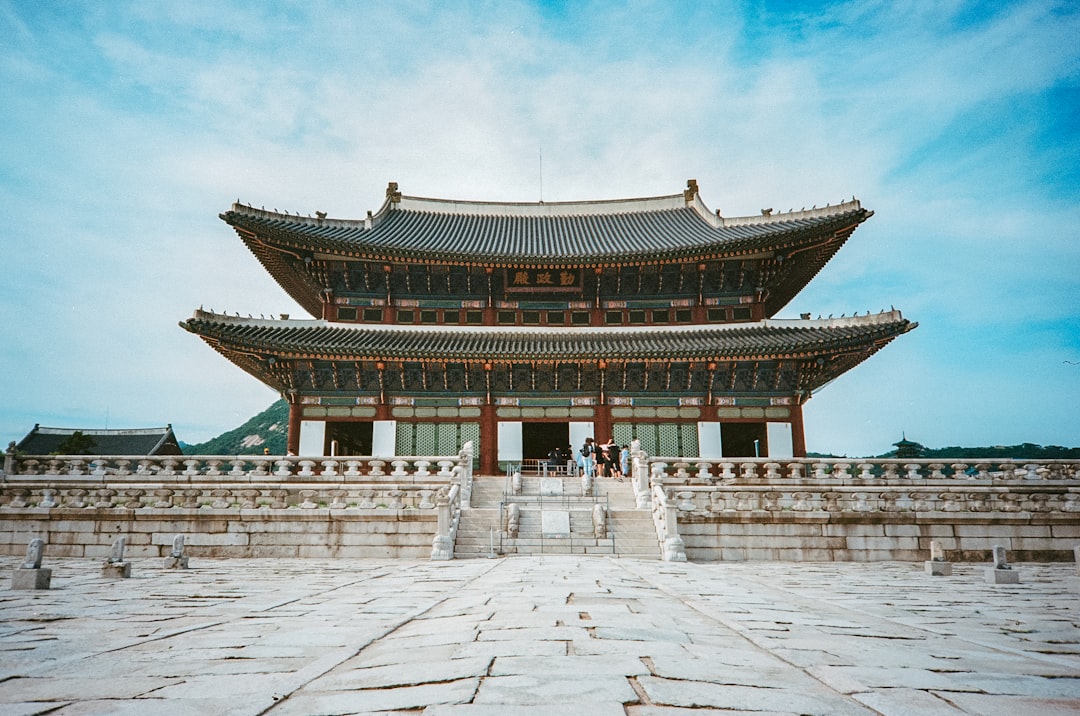
Seoul is 10 million people in a basin surrounded by mountains, an ancient royal capital under skyscrapers, the K-pop and K-drama global engine, and one of the great food cities of Asia. Three days is enough for a focused first visit — covering the major palaces, two or three neighborhood deep-dives, the food essentials, and one full day for either DMZ or shopping/cosmetic culture. This guide gives you the optimal flow.
The strategy: stay in Myeongdong or Jongno for centrality, hit Gyeongbokgung at dawn, alternate cultural and food-focused days, and use the metro (the world s best) to bounce between neighborhoods. Three days is tight for Seoul — most experienced visitors recommend 5-7 — but you can build a satisfying first taste in 72 hours if you move efficiently.
Why 3 Days Works (And Doesn t)
Seoul rewards 5-7 days. With 3 days you cover the headline cultural attractions plus genuine eating, but you miss the deeper exploration of Hongdae nightlife, Itaewon international dining, Gangnam contemporary culture, and day-trip options like Suwon Hwaseong Fortress or Nami Island.
The 3-day plan recommended here covers: Day 1 traditional Seoul (palaces + Bukchon Hanok village + Insadong), Day 2 modern Seoul + food (Hongdae or Gangnam + cooking class + neighborhood food crawl), Day 3 choose-your-own (DMZ tour, Suwon day trip, or Myeongdong cosmetics + jjimjilbang spa).
Day 1: Palaces & Traditional Seoul
Morning
Gyeongbokgung Palace opens at 9 AM (closed Tuesdays). 3,000 KRW ($2.30) entry, free if wearing rented hanbok (traditional Korean dress, rented from shops outside the palace for 15,000-25,000 KRW / $11-19 for 4 hours). Allow 2 hours minimum. The Royal Guard Changing Ceremony at 10 AM is brief but worth catching.
Continue to the National Folk Museum of Korea (free, in the Gyeongbokgung palace grounds) for cultural context on the traditional houses and clothing you ll see throughout the day.
Lunch
Walk 10 minutes to Bukchon Hanok Village — the historic neighborhood of preserved hanok houses on the hill between Gyeongbokgung and Changdeokgung palaces. Lunch at Yoonsulrok (traditional kalguksu noodles, 12,000 KRW) or Cafe N. Tea for the famous palace-view rooftop terrace and traditional Korean tea (5,000-9,000 KRW per cup).
Afternoon
Changdeokgung Palace (3,000 KRW / $2.30, separate from Gyeongbokgung). The UNESCO-listed Joseon-dynasty palace. The Huwon Secret Garden requires advance reservation (8,000 KRW additional, English tours at 11:30 AM and 1:30 PM — book at the entrance or online at royalpalace.go.kr).
Continue to Insadong (15-minute walk south) — the traditional arts neighborhood. Browse traditional crafts shops, the Ssamzigil shopping complex with its rooftop sculpture garden. Coffee at O Sulloc Tea House (Jeju Island green tea specialist).
Evening
Dinner at Tosokchon (Jahamun-ro 5-gil 5, near Gyeongbokgung) — the iconic ginseng-stuffed whole chicken soup (samgyetang, 22,000 KRW / $17) in a traditional hanok setting. Many Korean presidents are regulars. Or Mapo Galbi for premium Korean BBQ.
Day 2: Modern Seoul & Food Deep Dive
Morning
Gwangjang Market opens at 9 AM (closed Sundays). The food market for breakfast: bindaetteok (mung bean pancakes 5,000 KRW / $4), mayak gimbap (mini seaweed rolls 4,000 KRW), and the famous live octopus stalls for the adventurous. The market itself is a cultural experience even if you skip the more challenging dishes.
Walk to Cheonggyecheon Stream — the urban stream restoration project running through the city center. 10 km of pedestrian walkways below street level. The historic Cheonggye Plaza section near City Hall has illuminated installations after dark.
Late Morning: Cooking Class
O ngo Korean Cooking School (Insadong area, 90,000 KRW / $70 for 3-hour class) is the highest-rated option for foreign visitors. Other options: Cookin Nanta show (theatrical non-verbal cooking show, 50,000-60,000 KRW), Kimchi Making School in Bukchon (multiple operators, 30,000-50,000 KRW per 90-minute session).
Afternoon
Two neighborhood options based on your preference:
Gangnam (south of the river): Take the subway Line 2 to Gangnam Station. Visit the COEX Mall (the world s largest underground mall, with the famous Starfield Library), the Sinsa-dong Garosu-gil tree-lined shopping street, the modern district that inspired the Psy song. Coffee at the rooftop cafes overlooking the Han River.
Hongdae (university district): Take Line 2 to Hongik University Station. The youth-culture neighborhood with the famous street performers (especially weekends), independent boutiques, vintage shops, and the live music scene. Coffee at Bricks Coffee or Anthracite roastery.
Evening: Korean BBQ + Soju Crawl
Dinner Korean BBQ at Maple Tree House (Itaewon, 25,000-40,000 KRW per person for premium beef) or Saebyeokjip (multiple locations, 18,000-30,000 KRW for casual style). For soju and pojangmacha (street stall) culture, head to the alleys behind Hongik University station after BBQ.
Day 3: Three Options
Option A: DMZ Tour (Recommended for First-Timers)
The Korean Demilitarized Zone (DMZ) is the 250km buffer between North and South Korea — the last actively militarized international border with daily activity. Tours must be booked through licensed operators (independent visits are not permitted). Most tours run 6-9 hours and include the Third Tunnel (one of four underground tunnels dug by North Korea found by South in the 1970s), Dora Observatory (binocular views into North Korean territory), and Imjingak Park (the freedom park with memorials).
Operators: Koridoor Tours, VIP Travel, USO. Tours run 80,000-130,000 KRW ($60-100) including transportation, museum entries, and lunch. Joint Security Area (JSA) tours — the highest-security option that includes the iconic blue UN conference building — are temporarily suspended; check current status.
Important: JSA-included tours require booking 6-8 weeks ahead due to background check requirements. Standard DMZ-only tours can typically be booked 5-10 days ahead.
Option B: Suwon Hwaseong Fortress Day Trip
Suwon is 1 hour from Seoul by subway. The Hwaseong Fortress (UNESCO World Heritage, 1796) is a 5.7-km walled defensive complex with four gates, sentry posts, and bell pavilions. Walk the entire wall in 2-3 hours. Combine with the Suwon Wandang Galbi restaurant (famous Korean barbecue specializing in the Suwon-style galbi marinade) and the Korean Folk Village in nearby Yongin.
Option C: Myeongdong + Jjimjilbang Spa
Spend the morning in Myeongdong (Seoul s shopping capital, especially for K-beauty cosmetics). Etude House, Innisfree, Tony Moly, Laneige flagship stores. The Myeongdong night market (after 4 PM) has street food.
Afternoon at a Korean jjimjilbang (24-hour spa): Dragon Hill Spa (Yongsan, 12,000 KRW / $9 entry) or Spa LEI (Gangnam, premium option, 16,000 KRW). Hot pools, sauna rooms, body scrubs, communal sleeping areas. A cultural experience unique to Korea — and the cheapest 5-star spa treatment in the world.
Where to Stay in Seoul
Luxury
Four Seasons Hotel Seoul (Saemunan-ro 97, 450-750 USD/night) puts you steps from Gyeongbokgung Palace and the Insadong cultural district.
Park Hyatt Seoul (Teheran-ro 606, Gangnam, 400-650 USD) for sleek modern luxury south of the river.
Signiel Seoul (Lotte World Tower, 555 m, 500-900 USD) for the views from Korea s tallest building.
Mid-Range
Lotte Hotel Seoul (Eulji-ro 30, 220-380 USD) is the institutional 5-star option in Myeongdong/Eulji-ro central area. L7 Hotels Myeongdong (180-280 USD) is the design-forward Lotte sub-brand. RYSE Autograph Collection (Hongdae, 200-300 USD) for the design-conscious option near the youth-culture district.
Budget
Hotel Skypark Central (Myeongdong, 80-130 USD) and Stanford Hotel Seoul (Seoul Station, 90-140 USD) are reliable budget chains. The capsule hotel option (Yotel Seoul at the airport for layovers, 60-100 USD) is the airport-side budget pick.
Where to Base?
Myeongdong for first-time visitors — walking distance to palaces and Insadong, on the metro for everything else, with shopping and food at your doorstep. Hongdae for younger travelers and nightlife. Gangnam for sleek modernist Korea and business travelers. Itaewon for international/expat scene with English-friendly restaurants.
Where to Eat Beyond the Itinerary
Korean BBQ
Maple Tree House (Itaewon main location, additional Gangnam outlet): premium hanwoo beef in modern setting. Wangbijib (Myeongdong): touristy but reliable beef BBQ for first-timers. Saebyeokjip (multiple): casual local-style. Yukjeon Hoegwan (Mapo): cult-favorite for galbi.
Korean Fried Chicken
Kyochon chain (everywhere) is the gold standard for the export-quality chicken. Hanchu in Hongdae for the local late-night favorite. BBQ Chicken chain for the soy garlic style.
Naengmyeon (Cold Noodles)
Pyeongyang Myeonok (multiple locations): the North Korean style cold buckwheat noodles in cold beef broth. Counter-intuitive in winter but addictive.
Tteokbokki (Spicy Rice Cakes)
Sinjeon Tteokbokki chain: the easy entry-level version. Yupdduk for the extreme-spicy famous version. Korean street food classic.
Fine Dining
Mingles (Cheongdam, 350,000 KRW / $270 tasting menu, two Michelin stars): the elevated modern Korean. La Yeon (Shilla Hotel, three Michelin stars, 500,000 KRW): hanjeongsik fine dining royal-cuisine style.
Coffee Culture
Korea has the highest per-capita coffee shop density in the world. Anthracite Coffee (Hapjeong original) is the local specialty-coffee benchmark. Fritz Coffee for the design-forward option. Coffee Libre for the legendary specialty roaster. Most cafes are open until midnight, many until 2 AM.
Transit and Practicalities
Airport Transfer
Most international flights arrive at Incheon International Airport (ICN), 50 km west of central Seoul. The AREX (Airport Railroad Express) connects ICN to Seoul Station in 43 minutes for 9,500 KRW ($7.50). Cheaper: the All-Stop Train (10 stops, 60 minutes, 4,250 KRW). Limousine buses to most major hotels for 16,000-18,000 KRW ($13). Taxi 70,000-90,000 KRW ($53-68) including tolls.
The smaller Gimpo Airport (GMP) handles domestic flights plus regional international from Tokyo Haneda, Beijing, Shanghai, Osaka. Closer to central Seoul.
Seoul Metro
23 subway lines covering the entire city. Single-ride 1,400 KRW ($1.10). The T-Money card (rechargeable transit card, 2,500 KRW for card + load with credit) works on all metro, bus, and taxi systems and offers small fare discounts. Buy at any convenience store or metro station.
The metro is air-conditioned, English-signed, runs 5:30 AM-1 AM weekdays (later weekends). Train frequency 2-4 minutes during rush hour. Cleanest major-city metro in the world.
Language
English signage and announcements at all major tourist attractions, transit stations, and 4+ star hotels. Restaurants and stalls outside the tourist zones may have limited English; download Papago (Korean Google Translate equivalent, more accurate for Korean) for free offline translation.
Money
Cash and cards both widely accepted. Most transactions use cards or T-Money. Smaller restaurants and markets may be cash-only. ATMs at metro stations and convenience stores (Citibank International, KEB Hana, KB Star). Tipping is not customary in Korea — do not tip restaurants, hotels, or taxis.
Cost Estimate for 3 Days in Seoul
Budget: $80-130/day. Hostel or capsule hotel ($25-60), metro day passes, street food and convenience store meals, free temple and park entries, paid palaces. 3 days: $250-400 plus flights.
Mid-Range: $200-350/day. 4-star hotel in Myeongdong or Gangnam ($150-250), guided DMZ tour ($80-120), cooking class ($60-80), Korean BBQ dinners ($25-40 per person), morning cafe culture. 3 days: $700-1,200.
Luxury: $600-1,200+/day. Four Seasons or Park Hyatt ($400-700), private guides ($300-500 per day), Mingles or La Yeon fine dining ($250-350 per person), private DMZ tour, jjimjilbang VIP packages. 3 days: $2,000-4,500.
What to Know Before You Go
Visa
Most Western passports (US, UK, EU, Canada, Australia, NZ) get K-ETA-required visa-free entry for 90 days. Apply for K-ETA at k-eta.go.kr before flying (10 USD, 72-hour processing typical). The K-ETA replaces the previous visa-on-arrival system.
Best Time to Visit
April-May (spring): Cherry blossoms in early April (Yeouido, Seokchon Lake). Mild temperatures 15-22°C. Peak tourism.
September-October (autumn): Autumn foliage in mid-October. Mild 15-22°C. The best mix of weather and crowds.
June-August (summer): Hot and humid (28-35°C / 82-95°F) with monsoon rains in July. Discounted hotels but uncomfortable.
November-March (winter): Cold (-5 to +5°C) but dry and bright. Snow possible. Winter K-drama atmosphere.
Major Holidays to Avoid (Or Visit Strategically)
Lunar New Year (Seollal) in late January or February, Chuseok harvest festival in September or October. Both close most family-run businesses for 3 days while urban populations migrate to home villages. Tourism sites stay open with reduced services.
Cultural Etiquette
Bowing greeting is appropriate but a slight nod works for tourists. Use two hands when receiving cards, money, or items from older people. Remove shoes before entering Korean traditional restaurants (most have shoe storage at the entrance) and homes. Pour drinks for others, not yourself (Korean drinking culture). Decline politely, but accept refills graciously.
Wi-Fi
Free Wi-Fi is everywhere — in metro stations, buses, parks, cafes. Many Korean tourist visitors rent a portable Wi-Fi router (8,000-10,000 KRW per day) at the airport, but most won t need this with city-wide free Wi-Fi.
Tap Water
Officially potable. Most Koreans still drink bottled or boiled water by preference. Restaurants serve barley tea (boricha) as the standard non-alcoholic drink with meals.
Safety
Seoul is among the safest major cities in the world. Walking solo at 3 AM in Hongdae is generally safe. The standard urban awareness applies; minor pickpocketing in Myeongdong tourist crowds. No-go zones essentially do not exist.
Frequently Asked Questions
Is 3 days enough for Seoul?
Enough for the headlines (palaces, food essentials, one neighborhood deep dive, optional DMZ). To genuinely understand the city, plan 5-7 days. Many visitors leave wanting to return.
Should I learn Korean before going?
Helpful but not essential. Major sites are well-signed in English; Papago app handles real-time translation. Learning Hangul (the Korean alphabet) takes 2-3 hours and makes signs and menus far more readable.
Is Korean food spicy?
Yes, often very. Order an mep-ge ju-se-yo (« not spicy please ») at restaurants if you have low spice tolerance. Many dishes (bibimbap, bulgogi, japchae) have mild versions. Tteokbokki and yukgaejang are the famously spicy dishes; samgyetang and naengmyeon are gentle starters.
Will I see K-pop celebrities?
Unlikely in casual contexts. The Gangnam SM Town Coex, JYP, HYBE buildings have visitor centers and merchandise stores. K-pop concert tickets sell out months ahead through Interpark or Yes24.
Can I visit North Korea?
From Seoul, the answer is essentially no. The JSA visit (when operational) is the closest approach. The historic visitor program through Beijing has been suspended since 2019. The DMZ tour is the realistic substitute.
Common Mistakes to Avoid
Skipping breakfast. Korean breakfast culture is rich (gukbap soups, hotteok pancakes, juk porridges) and most uniquely Korean experiences happen at breakfast restaurants. Western hotel breakfast buffets are a waste.
Eating in Myeongdong restaurants. The Myeongdong main street is tourist-trap territory. Walk 5 minutes off the main drag to neighborhood restaurants for halved prices and doubled quality.
Overspending on K-beauty. The cosmetic shopping is fun but inflation has pushed prices up. Check actual prices online before buying in Myeongdong — many products are no cheaper than at home with import fees.
Missing the cafe culture. Seoul has the best cafe scene in Asia. Build cafe stops into the schedule.
Trying to see everything. Pick three major sites + one neighborhood + one food deep-dive per day. More than that leaves you tired and rushed.
Final Thoughts
Seoul is the most underrated major capital in Asia. The infrastructure, food culture, beauty industry, and contemporary creative energy reward repeat visits and reward slowing down. Three days gives you the taste; eight days converts you. Whether you come for the K-pop, the food, the technology, or the history, Seoul finds the answers you re looking for. Annyeonghi gaseyo — go in peace.
What to Pack for Seoul
Comfortable walking shoes (you ll walk 15,000-20,000 steps per day). Modest clothing for palace visits (no specific dress code but smart casual fits in). Layers for shifting temperatures (heated subway, cool palace interiors, cold outdoors in winter). A small folding umbrella (rain is common). Portable phone battery (Korean cafes have outlets but you ll use the phone heavily for navigation and translation). Hand sanitizer (you ll touch a lot of food and surfaces).
Best Photo Spots
Bukchon Hanok Village: The classic alley with the palace in the background (8-Gil street). Best at sunset for the warm light on hanok roof tiles.
Gyeongbokgung Palace: The Geunjeongjeon throne hall with crowds is iconic; the smaller Hyangwonjeong pavilion is the quieter alternative.
Cheonggyecheon Stream at night: The illuminated stream and surrounding buildings.
Namsan Seoul Tower: The observation deck has 360-degree city views. Take the cable car or hike up. Best at sunset for both day and night views in one visit.
Han River bridges: The Banpo Bridge rainbow fountain show (April-October, evening), Yeouido cherry blossoms (early April), and the various Han River parks for sunset.
Lotte World Tower observation: The Seoul Sky deck at 555m is the highest viewpoint in Korea. The glass-floor sections give vertigo.
Extending the Trip
If 3 days becomes 5-7:
+1 day for Busan: KTX bullet train Seoul to Busan in 2.5 hours. Korea s second city with beaches (Haeundae), the colorful Gamcheon Culture Village, and excellent seafood markets (Jagalchi).
+1 day for Jeju Island: 1-hour flight from Seoul. Volcanic island with hiking (Hallasan crater), beaches, and unique landscape. Often called “Korea s Hawaii.”
+1 day for Andong: 2 hours by KTX. UNESCO-listed Hahoe Folk Village with traditional Joseon-era houses and the famous Hahoe mask dance.
+1 day for Sokcho and Seoraksan: 2.5 hours by bus to the east coast. Seoraksan National Park is Korea s most spectacular mountain park, especially in October autumn foliage. Fresh seafood and the unique Sokcho-style stews.
+2 days for Gyeongju: 2 hours from Seoul by KTX. The ancient Silla Kingdom capital with 1,000 years of history, royal tombs, Bulguksa temple complex (UNESCO), and Seokguram Grotto.
One last note: Seoul s appeal is incremental. The first visit shows you the icons; the second reveals the depth; the third is when the city becomes familiar enough to genuinely love. Plan one trip with the seed of a return already in mind.
One final practical tip: Seoul is the easiest major Asian city for first-time Asia travelers. The infrastructure (English-friendly metro, universal card payment, safety, signage) makes it the lowest-friction Asian capital to navigate. If Tokyo intimidates you, start with Seoul; you ll be confident in Asian urban travel by day two and ready for the next adventure.
For further exploration
Here are the complementary guides on travel-reference.com: