

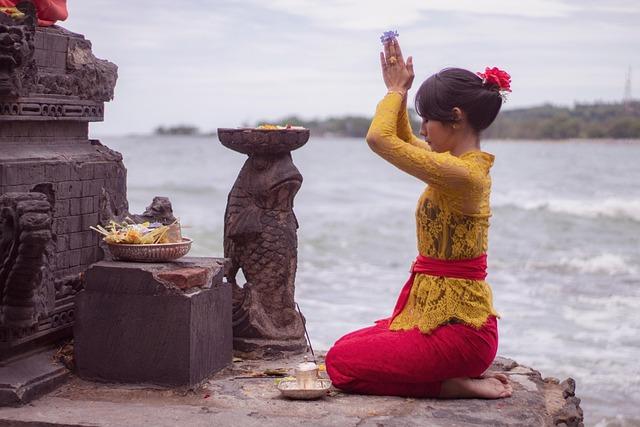
Bali has been a wellness destination for as long as Westerners have visited — the island’s combination of Hindu-Balinese ritual, traditional jamu medicine, yoga lineages that trace back to Indian gurus who relocated here in the 1960s and 70s, and a landscape that rewards stillness has produced one of the world’s densest wellness retreat ecosystems. Ubud alone holds more than 80 dedicated yoga studios, meditation centers, holistic healers, and Ayurvedic clinics within a 5-kilometer radius.
This guide covers the 12 best Bali wellness retreats and centers across budget tiers — from 7-day silent meditation retreats at $400 to ultra-luxury detox programs at $15,000+. Plus the standalone studios, day spas, traditional healers, and how to design a wellness-focused trip that combines ritual with recovery. As of 2026, the post-pandemic wellness scene in Bali is more sophisticated, more medical-grade, and more international than ever.
Luxury Wellness Retreats
Como Shambhala Estate (Ubud)
The benchmark for ultra-luxury Bali wellness. Set in 9 hectares of jungle along the Ayung River, Como Shambhala offers customized programs combining Ayurveda, traditional Chinese medicine, hydrotherapy, yoga, and Pilates. Personal wellness consultations with the visiting medical director, sound healing in a dedicated pavilion, and standout COMO Cuisine — medical-grade nutrition that does not taste medical-grade.
Programs: 3-night Stay Well ($3,200), 7-night Cleanse ($8,500), 14-night Detox ($16,000+). Includes accommodations, all meals, daily treatments, airport transfers.
Address: Banjar Begawan, Desa Melinggih Kelod, Payangan, Ubud.
Fivelements (Mambal, near Ubud)
Built around panca tattva (five elements) on the Ayung River. Fivelements is the only PETA-certified luxury vegan resort — raw-vegan cuisine, traditional Balinese architecture, water-blessing ceremonies in the river. The Sacred Arts program incorporates traditional Balinese healing with movement, sound, and stillness practices.
Programs: 3-night Reset (from $1,800), 5-night Living Foods ($3,200), 7-night Sacred Arts ($5,500).
Address: Banjar Baturning, Mambal, Abiansemal.
REVIVO Wellness Resort (Nusa Dua)
The newest entrant (opened 2019), the only major medical-grade wellness retreat on the southern beach side. 14 villas only, full medical staff, bioenergetic testing, cryotherapy, IV nutrient therapy, sleep optimization lab.
Programs: 5-night Reset ($4,500), 7-night Detox ($6,800), 14-night Transformation ($14,000+).
Address: Jalan Bukit Permai, Nusa Dua.
Mid-Range Wellness Retreats
Sukhavati Ayurvedic Retreat (Canggu)
The most clinically rigorous mid-range option. Sukhavati is the only Bali retreat with a panchakarma program supervised by an in-house Ayurvedic doctor with India-based training. Full panchakarma cleansing protocols (purvakarma + virechana + basti) are available alongside more accessible 7-night reset programs. The 25-bed scale keeps it intimate.
Programs: 5-night Reset ($1,800-2,400), 7-night Cleanse ($2,600-3,400), 14-21 night Panchakarma ($5,500-9,000). Includes accommodations, vegetarian meals, daily Ayurvedic treatments and yoga.
Address: Jalan Pantai Berawa Gang Surfing, Canggu.
Bagus Jati Health & Wellbeing Retreat (Ubud)
Tucked into 8 hectares of rainforest above Ubud at 600m elevation — cooler temperatures, mountain views, and a dramatic infinity pool overlooking the valley. Programs combine yoga, Balinese spa treatments, and locally-sourced wellness cuisine. More relaxed than the clinical retreats, ideal as a first wellness trip.
Programs: 4-night Wellness ($1,200), 7-night Detox ($2,200), 10-night Total Reset ($3,400).
Address: Banjar Jati, Sebatu, Tegallalang.
Oneworld Ayurveda (Ubud)
Founded by Indian Ayurvedic doctors with three decades of experience, Oneworld runs proper authentic panchakarma at half the price of European Ayurvedic clinics. Garden setting just outside central Ubud, small group sizes (max 30), and a serious medical orientation.
Programs: 7-night Stress Detox ($2,400), 14-night Panchakarma ($4,800), 21-night Deep Detox ($6,800).
Address: Banjar Laplapan, Petulu Village, Ubud.
Budget Retreats & Drop-In Classes
The Yoga Barn (Ubud)
The institution. Founded 2007 and still the cultural center of Ubud wellness — 130+ classes weekly across multiple shalas, an organic restaurant, a healing clinic, and accommodation options nearby. Most students drop in for individual classes (140,000 IDR / $9 each, or 1.7 million IDR / $110 for a 10-class pass).
The Yoga Barn s 5-day and 7-day retreats ($800-1,400) combine daily yoga, meditation, sound healing, and traditional Balinese spa treatments at a price-point that has democratized the Bali wellness experience for two decades.
Address: Jalan Sukma, Ubud.
Radiantly Alive (Ubud)
The other major Ubud yoga school — stronger emphasis on yoga teacher training (200-hour, 300-hour) and acro-yoga. Drop-in classes 130,000 IDR ($8). The 7-day retreat ($900-1,200) is a strong choice for serious yoga students who want anatomy depth.
Address: Jalan Jembawan, Ubud.
Soulshine (Ubud)
Founded by Michael Franti, more party-with-purpose than silent retreat — yoga, live music, communal vegetarian meals, organic pool. 5-7 night yoga retreats ($800-1,200) bring a younger and more international crowd.
Address: Jalan Pengosekan, Ubud.
Drop-in Studios Worth Knowing
Power of Now Oasis (Sanur), The Practice (Canggu, vinyasa-focused), Samadi Bali (Canggu, yin and meditation), Echo Beach House Yoga (Canggu, beach studio). Most charge 130,000-180,000 IDR ($8-12) per class.
Detox & Medical Retreats
Beyond the named retreats, Bali has a growing medical-detox scene targeting longer stays with measurable health outcomes. Bio-Energy Detox at REVIVO uses dark-field microscopy, IV chelation, and ozone therapy. Sukhavati panchakarma follows traditional Ayurvedic protocols including oleation, swedana, and basti over 14-21 days. Como Shambhala Cleanse programs include liver flush protocols, colonics, and personalized supplement regimens.
The most serious medical detox option is to combine a Bali retreat with consultations at BIMC Hospital Nusa Dua or Kasih Ibu Hospital Saba, both of which have wellness departments catering to international clients. Pre-trip blood panels and post-trip comparison are increasingly standard at the high-end retreats.
Silent Meditation Retreats
Bali Usada Silent Meditation Retreat (Padangbai)
The most established silent meditation retreat on the island. 4-day, 7-day, and 10-day programs in the Mertayoga tradition combining Vipassana with light Hatha yoga. Strict silence outside meditation instructions, vegetarian meals, no phones, no books.
Programs: 4-day ($350-450), 7-day ($650-850), 10-day ($950-1,200). Includes accommodation, meals, all sessions.
Address: Padangbai, East Bali.
Goenka Vipassana 10-Day (Various)
The international Goenka tradition (S.N. Goenka) runs 10-day Vipassana retreats donation-based at dedicated centers. The Bali option (currently at Bumi Sehat-affiliated grounds in Mas, Ubud area) is hard-core: 10 days complete silence, 10+ hours daily meditation, no eye contact, no phones, no books. Donation-only on completion.
Reserve at: dhamma.org. Bookings open 90 days ahead, fill within days.
Traditional Balinese Healers (Balian)
The traditional Balinese healer (balian) is a category of practitioner outside the modern wellness retreat structure — typically a spiritual medium working from a home-based compound, addressing energetic, ancestral, and psychological imbalances through palm-reading, channeling, herbal remedies, and ritual. The Eat Pray Love-induced overload of foreign visitors to a few famous balians has been mostly absorbed, and the most respected practitioners are now more careful about whom they see.
Important context: A balian session is a spiritual consultation, not a spa treatment. Approach with reverence, wear conservative dress (sarong required, sash, no shoulders), bring an offering (canang sari + 200,000-500,000 IDR donation customary), and book through a trusted intermediary like your retreat or a respected local guide. Sessions are intense and not for everyone — unprepared visitors sometimes report distressing experiences.
The Ubud Tourism Information Center and most established retreats can connect you to respected balians without commercializing the practice.
Suggested 10-Day Bali Wellness Itinerary
Day 1-2: Arrival & Decompression
Land in Denpasar, transfer to Ubud (1 hour). Stay at a mid-range hotel near central Ubud (Tjampuhan, Komaneka). Day 1: massage, easy yoga drop-in at The Yoga Barn, vegetarian dinner at Locavore To Go or Clear Cafe. Day 2: morning yoga, jamu juice cleanse breakfast at Alchemy Cafe, Ubud Royal Palace and Sacred Monkey Forest gentle walk.
Day 3-7: Retreat Phase
5-night retreat at your chosen venue (Sukhavati, Bagus Jati, Oneworld for clinically rigorous; Como Shambhala or Fivelements for luxury; Yoga Barn or Soulshine for budget-social). Full programming — daily yoga, treatments, consultations, meals.
Day 8: Transition to East Bali
Transfer to Sidemen or Padangbai (90 min from Ubud). Quieter pace at a Sidemen homestay or eco-lodge. Sunset at Mount Agung viewpoint.
Day 9: Sunrise & Stillness
Wake before dawn for sunrise yoga in Sidemen rice terraces. Optional gentle hike to a local waterfall. Visit Tirta Empul water temple for the purification ritual (bring a sarong, follow the ritual sequence respectfully, leave a small donation).
Day 10: Return & Reflection
Easy morning before transfer to Denpasar. Reflective journal time at a beach cafe in Sanur or Seminyak before evening departure.
What to Know Before You Go
Best Time for Wellness
April-October (dry season) is ideal for outdoor yoga shalas, jungle hikes, and reliable weather. November-March (wet season) has lower retreat prices and a more atmospheric mood — daily afternoon rains are short. February-March is the cheapest window and has the lowest tourist density.
How Far in Advance to Book
Como Shambhala, Fivelements luxury programs: 3-6 months ahead for peak season (June-August, December-January). Sukhavati, Bagus Jati, Oneworld: 1-3 months ahead. Yoga Barn and drop-in classes: most can be reserved 24-48 hours ahead. Goenka Vipassana: bookings open 90 days out and fill within 24 hours.
Visa Requirements
30-day Visa on Arrival (500,000 IDR / $35) for most Western passports. Extendable once for another 30 days (online or at immigration office, 1.4 million IDR / $90). Longer stays require an applied-for tourist visa from your home country.
Money
Indonesian rupiah (IDR). Multi-currency cards work at most retreats and ATMs. Cash is essential at small studios, balians, and traditional markets. Tip 50,000-100,000 IDR per treatment for spa therapists; 10% at restaurants if service is not included.
Health Considerations
Bring rehydration salts (Pocari Sweat is sold everywhere), basic antihistamines, and probiotics. Bali belly affects many visitors despite high retreat hygiene standards — stick to bottled or purified water (most retreats provide). Mosquito-borne illnesses (dengue) are present; bring repellent. International health insurance with evacuation coverage is recommended for longer stays.
Spiritual Etiquette
Temples require sarong + sash + covered shoulders — most retreats provide both, or rent at temple entrances. Step over offerings (canang sari placed on the ground), do not step on them. Do not point your feet at religious objects. Menstruating women are traditionally asked not to enter temples — follow the host’s guidance.
Cost Estimate for 10-Day Bali Wellness Trip
Budget: $80-130/day. Hostel + guesthouse base ($25-40/night), drop-in yoga ($8-12/class), Warung meals ($3-6), 5-night retreat at Yoga Barn or Soulshine ($800-1,200). 10 days: $1,000-1,500 plus flights.
Mid-Range: $200-350/day. Boutique villa or mid-range Ubud hotel ($80-150/night), 5-night Sukhavati or Bagus Jati ($2,200-2,400), regular treatments, table-service vegetarian dinners. 10 days: $2,400-3,800.
Luxury: $700-1,500+/day. Como Shambhala or Fivelements 7-night program ($5,500-9,000), driver-on-call, post-retreat resort like Bambu Indah (1,000-2,000+ USD/night). 10 days: $9,000-18,000+.
Common Mistakes to Avoid
Booking too short a stay. 3-4 days at a serious retreat is not enough to reset — detox programs require minimum 7 days, panchakarma 14+. Build in pre-retreat decompression and post-retreat integration.
Combining retreats with party travel. Wellness retreats and Seminyak or Canggu nightlife are oil and water. Plan wellness in Ubud or East Bali, social travel elsewhere on the trip.
Underestimating the heat and humidity. Yoga shalas are typically open-air. Bring breathable practice clothing, hydrate aggressively, and expect to sweat more in shavasana than in any Western yoga class.
Skipping the silence. A 2-3 day silent component (even just personal silence, not formal retreat) is the single most transformative addition to a wellness trip.
Booking with single-source review sites. Many “top retreats” lists are affiliate-driven. Cross-check Tripadvisor, Google reviews, and personal wellness blogs before committing.
Frequently Asked Questions
How many days do I need for a meaningful Bali wellness trip?
Minimum 7 days, ideally 10-14. A 5-day retreat plus 2 transition days lets the body decompress without rushing. For panchakarma or serious detox, 14-21 days is the standard.
Is Bali safe for solo female travelers?
Yes — Bali is among the safest solo travel destinations in Southeast Asia. Verbal harassment is minimal compared to many regions, women travel solo on the island year-round, and the wellness retreat ecosystem provides built-in community. Standard precautions apply (avoid isolated beaches at night, watch belongings in markets).
Do I need to be advanced at yoga to attend a Bali retreat?
No — most retreats welcome all levels and offer beginner-friendly tracks. Pure-yoga retreats may assume some foundation, but holistic retreats cater to absolute beginners regularly.
Should I go to Ubud or the beach?
Ubud for the wellness density (yoga, healers, detox retreats). Canggu and Uluwatu for surf-yoga combinations. Sanur for older quieter beach. Sidemen and East Bali for the most natural escape from tourist density.
Can I do a wellness retreat as part of a larger Bali trip?
Yes — most travelers combine 5-7 days at a retreat with 3-5 days exploring other parts of the island (Lovina, Sidemen, Uluwatu, the Gilis off the eastern coast).
What if I have dietary restrictions?
All major retreats accommodate vegetarian and vegan (most are vegetarian-default). Gluten-free is widely supported. Severe allergies should be communicated at booking; retreat kitchens are generally vigilant.
Final Thoughts
Bali wellness works because the island itself is in the practice — the offerings on every doorstep, the rice paddies that demand patience, the temple bells, the slow afternoon rains. You can choose your level (luxury, mid, budget) but the underlying medicine is the same: stillness, ritual, and time. Whatever package you book, leave room for the unplanned moments — a balian session that shifts something deep, a sunrise on a rice terrace, a conversation with a stranger over coconut water. Those are the moments people remember years later. Selamat datang, and terima kasih on your way out.
Where to Stay Between Retreats
Ubud: Komaneka at Tanggayuda (Banjar Tanggayuda, 350-550 USD) is the romantic jungle valley pick. Bambu Indah (Banjar Baung Sayan, 700-2,000 USD) is the eco-luxury bamboo-architecture experience. Tjampuhan Hotel (Jalan Raya Tjampuhan, 90-150 USD) is the historic 1928 artist-haunt option. Adiwana Bisma (Jalan Bisma, 180-280 USD) is a strong mid-range.
Sidemen & East Bali: Wapa di Ume Sidemen (Banjar Tabola, 150-280 USD) for rice terrace views. Samanvaya Luxury Resort (Banjar Tabola, 220-380 USD) is more polished. Budget homestays $20-40/night.
Canggu & Uluwatu: COMO Uma Canggu (Jalan Pantai Batu Mejan, 500-900 USD) beachfront. Bulgari Resort Bali (Jalan Goa Lempeh, Uluwatu, 1,500-3,500 USD) is the cliff-top ultra-luxury choice.
Eating Wellness-Style in Bali
Ubud: Alchemy Cafe (Jalan Penestanan Kelod) is the raw vegan reference. Earth Cafe (Jalan Goutama Sel) for organic vegetarian. Locavore To Go (Jalan Dewi Sita) for upgraded Indonesian. Clear Cafe (Jalan Hanoman) for international healthy. Sage (Jalan Nyuh Bulan) for fine-dining vegan. Hujan Locale (Jalan Sri Wedari) for elevated Balinese.
Canggu: Crate Cafe, Peloton Supershop, Shady Shack, Avocado Factory — the digital nomad health-food cluster.
The Bali Wellness Calendar
March: Nyepi (Bali s Day of Silence) — the entire island shuts down for 24 hours of silence. Even airports close. The most intense “silent retreat” you can experience, often the day before is the Ogoh-Ogoh procession of monstrous papier-mâché figures. Most retreats run special Nyepi programming.
April-May: Shoulder season — lower prices, dry season starting, ideal weather for outdoor yoga. The BaliSpirit Festival (typically late March or early April) brings 6,000 attendees to Ubud for a week of yoga, music, dance, and ecstatic experiences.
June-September: Peak dry season. Book retreats 3-6 months ahead. Mountain temperatures (Munduk, Bedugul) drop into the low 20s C / 70s F at night — bring layers.
October: The Ubud Writers and Readers Festival brings literary travelers, often combining with wellness stays.
December-January: Wet but warm. Some retreats run New Year reset packages. Galungan and Kuningan (10 days of Hindu Balinese celebrations) fall in this window every 210 days — check dates; the island s temples are at their most beautiful.
Booking Strategy
For Como Shambhala, Fivelements, REVIVO: book 3-6 months in advance, particularly for June-August and December-January. Use the retreat’s direct website rather than booking aggregators — the package inclusions are often more generous direct, and changes are easier. For mid-range retreats (Sukhavati, Oneworld), 1-3 months ahead is sufficient outside high season. For drop-in classes at Yoga Barn or Radiantly Alive, 24-48 hours ahead via their websites or apps.
What to Pack for a Bali Wellness Trip
Yoga clothing: 5-7 sets of breathable practice gear (you will sweat through a fresh set daily in the heat). Quick-dry leggings, sports bras, light shirts. A travel yoga mat if you have strong preferences — most retreats provide mats but they get heavy use.
Spa-friendly clothing: Loose linen or cotton for between treatments and meals. Closed-toe sandals for temple visits.
Temple attire: Sarong and sash for temple visits and ritual ceremonies (often provided by retreats and at temple entrances).
Health kit: Rehydration salts, broad-spectrum probiotic, mosquito repellent (DEET 30%+), reef-safe sunscreen, basic first-aid items, any prescription medications in original packaging.
Documents: Travel insurance with medical evacuation, retreat confirmation emails, a paper copy of the location address for taxis (many small retreats are GPS-vague).
Plan ahead, choose a retreat that matches your level rather than what looks most photogenic, and protect a few days post-retreat for integration before flying home. The work that retreats do continues for weeks afterward — give it room to land.
One last note: the wellness scene in Bali changes fast — retreats open, change owners, modify programs. Cross-check current reviews on Tripadvisor and direct retreat sites within 30 days of booking. The places worth visiting are the ones that have been operating consistently for 5+ years with stable staff and clear protocols. Glossy new openings sometimes deliver, but the long-standing institutions are the safer bet for a wellness goal you are taking seriously.
If you want to maximize value from a single Bali wellness trip: invest the planning energy upfront. Pick the right retreat type for your goals (yoga depth vs. detox vs. silent meditation vs. luxury spa), build in genuine decompression days, and protect the ritual of slow morning and evening time bookending each retreat day. That is where the actual reset lives.
For further exploration
Here are the complementary guides on travel-reference.com: