

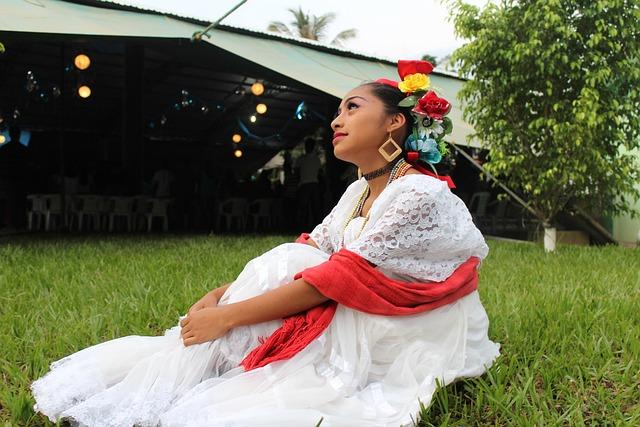
Table of Contents
- Exploring the Rich History Behind Oaxaca’s Textile Craftsmanship
- Meet the Artisans Keeping Ancient Weaving Techniques Alive
- Top Markets and Workshops to Experience Oaxaca’s Textile Art
- How to Choose and Care for Authentic Oaxacan Textile Treasures
- In Retrospect: What We’ve Explored
Exploring the Rich History Behind Oaxaca’s Textile Craftsmanship
Oaxaca’s textile traditions date back centuries, rooted deeply in indigenous cultures such as the Zapotec and Mixtec peoples. These communities developed sophisticated weaving techniques using natural fibers like cotton and wool. Moreover, the patterns and colors embedded in each textile often tell stories or reflect the landscape, making each piece a vibrant cultural artifact.Artisans typically use hand-operated backstrap looms, an ancient technology that requires skill and patience. The process begins with spinning yarn from raw cotton, followed by dyeing it with natural pigments derived from plants, insects, and minerals. As a result, the textiles boast vivid hues and intricate designs, reflecting both artistic mastery and environmental harmony.Travelers interested in seeing these techniques firsthand should plan visits during local festivals or artisan markets for the best experience. Families will appreciate interactive workshops where children can try dyeing or simple weaving, while solo travelers and photographers may prefer quieter village studios to capture authentic moments. To explore these rich crafts fully, consider booking cultural tours, hotel stays nearby, or even car rentals for easier access to remote artisan hubs.Meet the Artisans Keeping Ancient Weaving Techniques Alive
In the highlands of Oaxaca, dedicated artisans continue to nurture centuries-old weaving traditions with skill and devotion. These craftsmen and women work daily on backstrap looms, an ancient device that allows intricate patterns to emerge thread by thread. Their hands transform natural fibers like wool and cotton into vibrant textiles that tell stories of their heritage and community.Travelers curious about these artisans will find that personal visits to workshops offer invaluable insight. Solo travelers can often engage directly with weavers, asking questions about their dyes made from local plants and insects. Meanwhile, families benefit from interactive demonstrations where children can try simple weaving techniques, making the experience both educational and memorable.Seasonality also plays a role in the weaving cycle. In the cooler months, workshops tend to be more active as finishing and sales peak during festivals, making this ideal for photographers eager to capture colorful fabrics against traditional village settings. However, visiting in the off-season provides quieter moments and more personalized encounters. For the best experience, book local tours to support these artisans directly and see their craft up close. Don’t forget to secure your accommodation early by browsing available Oaxaca hotels and consider renting a car for flexible exploration at car rentals.Top Markets and Workshops to Experience Oaxaca’s Textile Art
When visiting Oaxaca, immersing yourself in the local textile markets offers a vivid glimpse into the region’s rich weaving heritage. Mercado de Artesanías in Oaxaca City is a standout destination where artisans gather to sell vibrant fabrics, embroidered garments, and handwoven rugs. However, if you prefer a less crowded atmosphere, visiting during weekdays or early mornings provides a more relaxed shopping experience, perfect for families or solo travelers alike.For those seeking hands-on engagement, workshops in the nearby villages of Teotitlán del Valle or San Martín Tilcajete present incredible opportunities to witness expert weavers in action. These artisan communities are renowned for their use of natural dyes and traditional backstrap looms, making every piece a reflection of centuries-old techniques. Photographers will find the colorful textiles paired with the artisans’ meticulous process an inspiring subject, especially during the bright morning hours.Moreover, seasonal conditions can impact your visit. In the rainy season, some outdoor markets may be less accessible, but covered workshops typically continue welcoming guests year-round. Therefore, booking guided tours through local providers is advisable, as they offer transport and insights that deepen your understanding. Don’t miss the chance to explore these cultural gems-secure your spot on one of the top Oaxaca tours today. For accommodations nearby, explore the best hotels to stay close to the artisan hubs.How to Choose and Care for Authentic Oaxacan Textile Treasures
Choosing genuine Oaxacan textiles begins with understanding their rich cultural roots. Authentic pieces are handwoven using traditional backstrap looms, creating intricate patterns unique to local communities like Teotitlán del Valle or Santo Tomás Jalieza. When shopping, look for natural fibers such as cotton or wool dyed with natural pigments, as these offer durability and a richer texture compared to synthetic fabrics.Moreover, authenticity often reflects in the imperfections, which celebrate handcrafted artistry rather than factory precision. To ensure your textile is genuine, ask artisans about the symbols and meanings woven into their designs. This adds depth to your collection and honors the centuries-old stories embedded within each cloth.Taking care of these precious textiles requires gentle handling and mindful maintenance. For families or seasoned travelers alike, avoid machine washing; instead, handwash with mild soap in cold water. Air drying away from direct sunlight preserves vibrant colors, so whether you’re a photographer capturing details or a collector showcasing them at home, this care ensures lasting beauty.If you plan to travel during warmer months, pack your exquisite textiles carefully to avoid moth damage and moisture. Using acid-free tissue paper or breathable cotton bags is ideal. Remember, proper storage helps prevent fading and deterioration, especially for seasonal use or long-term keeping.Before diving into your Oaxaca textile adventure, discover the best options for tours that guide you directly to artisan villages. Booking a hotel nearby enhances the immersive experience, allowing you to fully appreciate these vibrant traditions. Ready to explore? Secure your flights with flights and plan your transport via reliable car rentals to maximize your journey through Oaxaca’s textile-rich landscapes.What documents do I need for international travel?
You must have a valid passport, any required visas, and travel insurance. Check the destination country’s entry requirements before departure, including vaccination certificates if applicable.
Plan Your Trip to Worldwide
How can I pack efficiently for long trips?
Use a packing list, pack versatile clothing, and roll clothes to save space. Carry travel-sized toiletries and keep essentials in your carry-on for easy access.
What are the best ways to stay connected abroad?
Purchase a local SIM card, use global roaming plans, or rely on Wi-Fi hotspots. Consider messaging apps and offline maps to stay connected without high costs.
How can I avoid jet lag when traveling across time zones?
Adjust your sleep schedule before travel, stay hydrated, and expose yourself to natural light upon arrival. Avoid heavy meals and caffeine close to bedtime in the new time zone.
What safety tips should frequent travelers follow?
Keep copies of important documents, stay aware of your surroundings, use secure accommodations, and avoid sharing travel plans publicly. Register with your embassy if necessary.
In Retrospect: What We’ve Explored
Exploring Oaxaca’s vibrant textile traditions is like stepping into a living tapestry of culture, color, and creativity. From the intricate weaving techniques passed down through generations to the brilliant hues inspired by the region’s natural beauty, every fabric tells a story. Whether you’re an avid traveler, a lover of handmade art, or simply curious about Mexican heritage, Oaxaca’s textiles offer a rich and inspiring experience. So next time you’re seeking something authentic and deeply meaningful, remember that a piece of Oaxaca’s artistry is more than just fabric-it’s a connection to history, community, and the spirit of creativity that continues to thrive. Happy exploring!Related Travel Guides
Frequently Asked Questions
When is the best time to visit Travel?
The optimal months depend on weather and crowds. Shoulder seasons (April-June and September-October) typically offer the best balance of weather, prices, and fewer tourists. Avoid peak summer for European or Mediterranean destinations and rainy seasons for tropical ones.
How much does a Travel trip cost?
Costs vary by season and travel style. Budget travelers can expect 60-100 USD per day, mid-range 150-250 USD, luxury 400+ USD per day. Book flights and accommodation 3-4 months ahead for best prices.
Do I need travel insurance for Travel?
Yes, travel insurance is strongly recommended for international trips. It covers medical emergencies, trip cancellation, lost baggage, and adventure activity coverage. Compare quotes from World Nomads, SafetyWing, and Allianz.
How many days should I plan for Travel?
For a first visit, 5-7 days is the minimum to see the main highlights. 10-14 days gives you time to explore at a slower pace and add side trips. Multi-destination trips need 14+ days minimum.