

Table of Contents
- The Timeless Artistry of Korean Pottery Techniques
- Exploring the Symbolism and Stories in Traditional Designs
- Where to Experience Authentic Korean Pottery Workshops
- Tips for Collecting and Caring for Your Korean Pottery Pieces
- Final Thoughts Before You Plan Your Trip
The Timeless Artistry of Korean Pottery Techniques
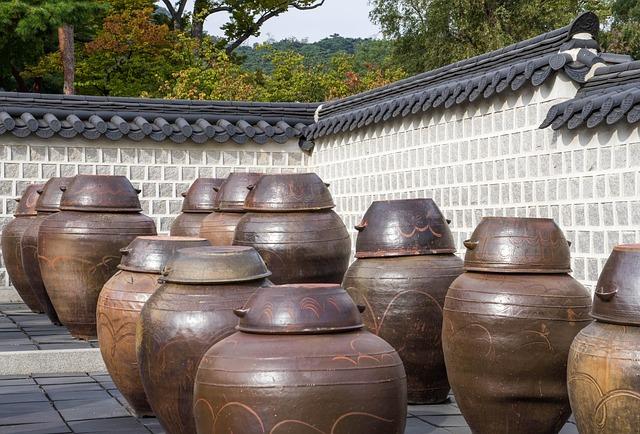
Korean pottery has thrived for centuries, evolving with distinct techniques passed down through generations. One hallmark is the joha technique, where artisans skillfully shape clay on a spinning wheel while maintaining precise control. This method allows for the creation of graceful curves and delicate forms, making each piece truly unique.Moreover, buncheong ware showcases a fascinating fusion of craftsmanship and aesthetics. Its signature lies in the use of white slip decoration over dark clay, creating visually striking patterns that embody both rustic charm and refined simplicity. For travelers interested in hands-on experiences, workshops around Andong and Icheon offer chances to try these techniques themselves.Seasonal conditions also influence the pottery. During colder months, artisans carefully control kiln temperatures for celadon glazes to achieve their signature jade-green hues. For photographers or art lovers visiting in spring, the light enhances the subtle details of these surfaces, providing excellent opportunities for vivid snapshots. Explore pottery workshops to immerse yourself in this timeless craft and book accommodations nearby to maximize your cultural journey.Exploring the Symbolism and Stories in Traditional Designs
Korean traditional pottery designs are more than just beautiful patterns; they are a language full of meaning. Each motif, whether floral, geometric, or symbolic, often carries stories from Korea’s rich past. For example, cranes symbolize longevity and peace, while dragons reflect power and protection, making the pottery pieces a window to spiritual beliefs.Many of these designs stem from nature, myths, and everyday life, connecting artisans to their heritage. Moreover, the use of celadon glaze often includes shades of blue and green that represent tranquility and harmony with the earth. Therefore, when admiring these wares, you witness a dialogue between art and cultural identity.For travelers interested in deeper exploration, visiting pottery workshops during spring or autumn is ideal. Families can enjoy hands-on experiences, while photographers will find the soft seasonal light perfect for capturing intricate designs. Solo travelers might appreciate quieter sessions focusing on storytelling behind each symbol-consider booking cultural tours to immerse yourself fully in this art form.When exploring Korean pottery, also look for clues found in the kiln’s firing techniques and clay textures. These attributes inform the artisan’s chosen style and even the region of origin, reflecting local customs and natural resources. To navigate these subtleties, consider visiting specialized museums or artisan villages where experts explain the symbolism and crafting methods in detail.Additionally, you might want to plan your trip during festivals or craft fairs, as these events showcase live demonstrations and offer chances to purchase authentic pieces. Travelers across all levels will find value in personalized guidance, so booking with local experts or agencies can enrich the experience and ensure meaningful encounters with this cultural treasure. Don’t miss the chance to add a unique pot or vase to your collection by renting a car for easier access to remote pottery hubs.Where to Experience Authentic Korean Pottery Workshops
For an immersive pottery experience, Icheon Ceramic Village is a must-visit destination. Known as Korea’s hub of traditional ceramics, it offers workshops where visitors can try hand-building and wheel-throwing under expert guidance. Families will appreciate the kid-friendly classes, while solo travelers can enjoy the quiet, creative atmosphere. Moreover, spring and autumn provide the best weather for exploring the area’s cozy studios and outdoor kiln sites.If you seek a blend of history and hands-on learning, Bunwon Kiln Sites is ideal. These historic workshops near Seoul allow guests to work with authentic Joseon Dynasty techniques and glazes. However, the sessions can be quite detailed, so art enthusiasts and photographers who love capturing artisanal processes will find it rewarding. For those visiting in winter, indoor studios provide warmth, making it accessible year-round.For travelers wanting a countryside retreat, Gyeonggi Pottery Experience Center offers expansive grounds and personalized classes. The center adapts to seasonal needs by offering pottery painting in colder months and wheel-throwing outdoors during summer. Moreover, the facility is well-suited for groups and children, while independent learners can book private sessions. Don’t miss the chance to book your stay nearby through quality hotels for a seamless experience.Consider these tips to enhance your authentic pottery visit:- Book workshops well in advance, especially during peak seasons.
- Dress comfortably; pottery can get messy.
- Bring a camera or sketchbook to document your creative journey.
Tips for Collecting and Caring for Your Korean Pottery Pieces
When acquiring traditional Korean pottery, it’s crucial to inspect pieces carefully for authenticity and quality. Look for subtle markings or kiln stamps that indicate genuine craftsmanship. Additionally, avoid pottery that feels overly brittle or lacks balance, as these may be mass-produced souvenirs rather than hand-thrown art. Whether you’re a casual collector or a serious enthusiast, dedicating time to study local artisans enhances your ability to discern valuable pieces. If you’re planning to add these treasures to your home, consider browsing local markets during off-peak seasons for better selection and prices.To maintain the beauty and longevity of your pottery, handle each piece with gentle care, especially those glazed in delicate celadon or buncheong styles. Dust regularly using a soft brush or cloth to prevent dirt buildup, but never use harsh chemicals or abrasive materials that could damage the glaze. Moreover, avoid placing pottery in direct sunlight or humid areas, as temperature fluctuations could cause cracks or fading. For families, it’s helpful to find display spots out of high-traffic zones to prevent accidental knocks or chips by children or pets. Those collecting during colder months should also be cautious about sudden indoor heating transitions impacting fragile works.Transportation and storage present unique challenges for pottery lovers traveling across Korea or abroad. Wrap each piece individually in bubble wrap or newspaper to cushion impacts, especially when carrying them in car rentals or checked luggage. If packing for international flights, also inquire about customs regulations related to ceramic art. Furthermore, passionate collectors might want to invest in custom wooden crates or protective boxes for prized acquisitions. To explore the best routes for pottery shopping and safe transportation, check out car rentals and flight options to tailor your itinerary seamlessly, ensuring your precious finds will arrive intact and ready to showcase.What makes Korean traditional pottery unique?
Korean traditional pottery is known for its elegant simplicity and natural beauty. It often features subtle shapes and earthy colors, reflecting Korea’s deep connection to nature. Techniques like celadon glazing and Buncheong ware highlight the rich cultural heritage behind each piece.
Plan Your Trip to South Korea
Can I visit pottery villages or workshops in Korea?
Yes, many regions in Korea, such as Icheon and Gyeonggi Province, host pottery villages where visitors can watch artisans at work. These workshops often offer hands-on experiences, allowing travelers to create their own pottery and learn about traditional methods firsthand.
Why should travelers explore Korean pottery culture?
Exploring Korean pottery offers insight into the country’s history, art, and daily life. Moreover, it connects travelers with centuries-old traditions and skilled craftsmanship, making for a meaningful cultural experience. It also provides unique souvenirs that carry stories and heritage.
How has Korean pottery evolved over time?
Korean pottery has evolved through different historical periods, blending influences but maintaining distinct characteristics. From the refined celadon of the Goryeo Dynasty to the more rustic Buncheong style of the Joseon era, the craft continues to inspire modern artists while preserving traditional techniques.
Final Thoughts Before You Plan Your Trip
Exploring the vibrant world of Korea’s traditional pottery is like taking a journey through time-each piece tells a story of artistry, heritage, and deep cultural meaning. Whether you’re an avid collector or simply curious, diving into this craft offers a beautiful glimpse into Korea’s past and present. So next time you come across a piece of Korean pottery, take a moment to appreciate the skill and history molded into every curve and glaze. Who knows? It might just inspire you to bring a little piece of that rich culture into your own home. Thanks for joining me on this陶瓷 adventure-let’s keep celebrating the art and stories that connect us all!Related Travel Guides
Frequently Asked Questions
When is the best time to visit South Korea?
The optimal months depend on weather and crowds. Shoulder seasons (April-June and September-October) typically offer the best balance of weather, prices, and fewer tourists. Avoid peak summer for European or Mediterranean destinations and rainy seasons for tropical ones.
How much does a South Korea trip cost?
Costs vary by season and travel style. Budget travelers can expect 60-100 USD per day, mid-range 150-250 USD, luxury 400+ USD per day. Book flights and accommodation 3-4 months ahead for best prices.
Do I need travel insurance for South Korea?
Yes, travel insurance is strongly recommended for international trips. It covers medical emergencies, trip cancellation, lost baggage, and adventure activity coverage. Compare quotes from World Nomads, SafetyWing, and Allianz.
How many days should I plan for South Korea?
For a first visit, 5-7 days is the minimum to see the main highlights. 10-14 days gives you time to explore at a slower pace and add side trips. Multi-destination trips need 14+ days minimum.