

Table of Contents
- Best Destinations to Experience Africa’s Iconic Wildlife
- Insider Tips for Planning Your Safari Adventure
- Must-Pack Gear for a Comfortable and Safe Safari
- How to Capture Stunning Wildlife Photos on Your Trip
- Key Takeaways
Best Destinations to Experience Africa’s Iconic Wildlife
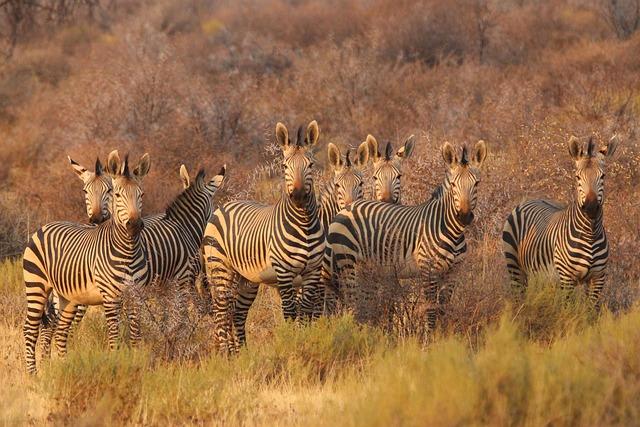
When it comes to witnessing Africa’s legendary wildlife, certain spots stand out for their unparalleled animal encounters and breathtaking landscapes. Serengeti National Park in Tanzania offers the awe-inspiring spectacle of the Great Migration, where millions of wildebeest thunder across the plains alongside zebras and gazelles. Meanwhile, Maasai Mara in Kenya is a top choice to observe lions, cheetahs, and elephants in their natural habitat, with expert guides sharing insights about the region’s rich biodiversity. For those drawn to the majestic Big Five, South Africa’s Kruger National Park is a must-visit, boasting dense populations of elephants, rhinos, buffalo, lions, and leopards.
Plan Your Trip to Africa Safari
Beyond the renowned parks, some hidden gems deliver intimate and exclusive wildlife experiences. Bwindi Impenetrable Forest in Uganda delights with close-up gorilla trekking, offering rare moments among these gentle giants. Over in Botswana, the Okavango Delta presents a unique safari by mokoro (traditional canoe), gliding silently through crystal-clear channels to spot hippos, crocodiles, and colorful birdlife. Don’t forget Namibia’s Etosha National Park, with its dramatic salt pans and watering holes, perfect for spotting endangered species like black rhinos or the elusive desert-adapted elephants. Whether you crave vast savannahs or lush forests, Africa’s diversity means there’s a perfect destination waiting to ignite your wildlife passion.
Insider Tips for Planning Your Safari Adventure
To make the most of your safari journey, timing is everything. Aim to travel during the dry season, typically between June and October, when animals gather around waterholes, making sightings more frequent and spectacular. Don’t overlook the importance of packing smart-layered clothing in neutral colors, a wide-brimmed hat, quality binoculars, and a good camera with zoom will enhance your experience tenfold. Remember, early mornings and late afternoons are prime wildlife viewing hours, so plan your game drives accordingly to catch animals at their most active.
When choosing your safari lodge or camp, consider opting for smaller, family-run properties that provide authentic, personalized experiences away from the crowds. Look for packages that include guided walking safaris or night drives for a thrilling twist on the traditional game viewing. Finally, respect the local customs and environment-maintaining a quiet presence and following your guide’s instructions not only ensures safety but enriches your connection with the wild landscapes and their fascinating inhabitants.
- Plan around animal migration patterns for epic sightings.
- Choose lightweight, breathable fabrics and sturdy shoes.
- Book a guide with deep local knowledge to unlock hidden gems.
Must-Pack Gear for a Comfortable and Safe Safari
When gearing up for a safari adventure, packing smart can make all the difference between a cozy experience and an uncomfortable trek through the wild. Lightweight, breathable clothing in neutral tones is a must to blend seamlessly with the environment and avoid attracting unwanted attention from wildlife. A sturdy pair of hiking boots will protect your feet while navigating rugged terrain, and a wide-brimmed hat coupled with polarized sunglasses will shield you from the intense African sun. Don’t forget to include a reliable insect repellent and sunscreen with high SPF to safeguard your skin during long hours outdoors.
Aside from apparel, several essential items can enhance both your comfort and safety on safari. A compact yet high-quality pair of binoculars allows you to spot distant animals without disturbing them, while a durable camera with a zoom lens helps capture those unforgettable moments. Carrying a reusable water bottle is crucial for staying hydrated in the heat, and a basic first aid kit is a smart precaution against minor injuries. Finally, a flashlight or headlamp comes in handy during early morning drives or nighttime excursions. By packing thoughtfully, you ensure your focus stays on the breathtaking landscapes and exhilarating wildlife encounters ahead.
How to Capture Stunning Wildlife Photos on Your Trip
Capturing the essence of Africa’s wild inhabitants requires more than just pointing and shooting. First, having the right equipment is crucial. A telephoto lens with at least 300mm zoom capacity lets you photograph animals from a safe distance without disturbing their natural behavior. Pair it with a sturdy tripod or monopod to stabilize your shots, especially during those thrilling chase moments or in low light. Remember to set your camera to burst mode to catch multiple frames per second-this way, you won’t miss the perfect expression or action!
Patience and respect for wildlife are your best companions. Observe animal behavior and try to anticipate their next move rather than rushing the shot. Take advantage of the golden hours-dawn and dusk-when animals are most active and the soft lighting adds magic to your photos. Experiment with different angles: capture silhouettes against sunrise skies, or zoom in on intricate details like the texture of a lion’s mane or the sharpness of an eagle’s talons. Some tips to keep in mind:
- Be patient and blend into your surroundings to avoid startling animals.
- Keep your ISO low to reduce noise-unless lighting demands otherwise.
- Use continuous autofocus to track moving subjects smoothly.
- Respect park rules and never get too close to wildlife for safety.
Key Takeaways
And there you have it-your ultimate guide to the top safari adventures in Africa! Whether you’re dreaming of spotting the Big Five in Kruger National Park, cruising the waterways of the Okavango Delta, or trekking through the savannas of the Serengeti, Africa offers an unforgettable wildlife experience like no other. So pack your binoculars, charge your camera, and get ready for a journey filled with breathtaking encounters and memories that will last a lifetime. Happy safari planning, and here’s to your next great adventure in the wild heart of Africa!Related Travel Guides
Frequently Asked Questions
When is the best time to visit Safari Africa Wildlife?
The optimal months depend on weather and crowds. Shoulder seasons (April-June and September-October) typically offer the best balance of weather, prices, and fewer tourists. Avoid peak summer for European or Mediterranean destinations and rainy seasons for tropical ones.
How much does a Safari Africa Wildlife trip cost?
Costs vary by season and travel style. Budget travelers can expect 60-100 USD per day, mid-range 150-250 USD, luxury 400+ USD per day. Book flights and accommodation 3-4 months ahead for best prices.
Do I need travel insurance for Safari Africa Wildlife?
Yes, travel insurance is strongly recommended for international trips. It covers medical emergencies, trip cancellation, lost baggage, and adventure activity coverage. Compare quotes from World Nomads, SafetyWing, and Allianz.
How many days should I plan for Safari Africa Wildlife?
For a first visit, 5-7 days is the minimum to see the main highlights. 10-14 days gives you time to explore at a slower pace and add side trips. Multi-destination trips need 14+ days minimum.