

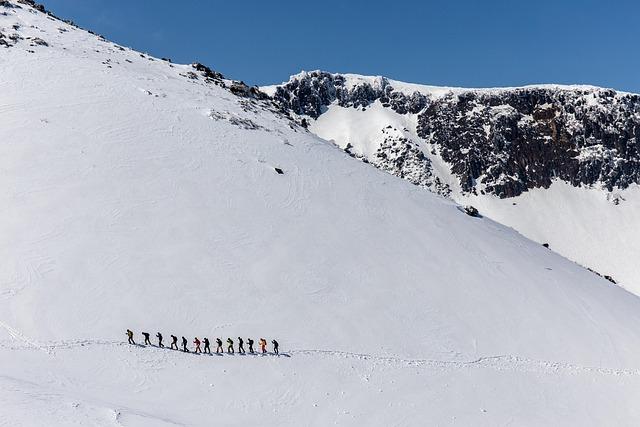
Group travel and solo travel deliver fundamentally different experiences. The right format depends less on the destination and more on your personality, goals and the rhythm you want from the trip. This 2026 guide walks through the core trade-offs, the situations where each format produces the strongest experiences, and the hybrid approaches that combine the best of both.
The Core Differences Between Group and Solo Travel
Group travel front-loads social structure: from the airport pickup to the daily activities to the dinner conversations, the group format provides built-in companionship and shared logistics. The trade-off is reduced flexibility, scheduled mornings, and the inevitable compromises that come with any 8 to 16-person dynamic. Solo travel reverses these trade-offs: total flexibility, complete agency over every decision, but the requirement to build your own social network on the road and to manage every logistical decision alone.
Neither format is intrinsically better. Travellers who do solo trips well report depth of personal growth and unrepeatable encounters. Travellers who do group trips well report rich friendships, smoother logistics in complex destinations, and access to experiences that solo travellers cannot easily arrange. The key insight: match the format to the trip purpose, not to a general identity as solo or group traveller.
Why Solo Travel Has Boomed Since 2020
Three structural shifts have transformed solo travel since 2020. The first is the maturation of solo-friendly accommodation: modern hostels (Generator, Selina, Wombats, Mad Monkey) and co-living spaces deliver dorm beds plus organised social events that effectively eliminate the loneliness that defined earlier solo travel generations. The second is the rise of solo-only group trips (Flash Pack, G Adventures Solo, Intrepid Solo) for travellers who want the freedom of solo travel with the safety net of an organised programme. The third is the cultural normalisation: solo travel has shed the awkward connotations it carried in earlier decades and is now genuinely mainstream.
You also benefit from significantly better solo travel infrastructure than a decade ago. Couchsurfing rebuilt much of its community since 2020. Worldpackers and Workaway connect solo travellers with volunteer opportunities. Dedicated apps (Backpackr, Travello, Tourlina) facilitate meetups. The combination produces a richer social ecosystem than solo travellers had access to before.
When Group Travel Delivers More Value
- Complex remote destinations: Antarctica, the Galapagos, Bhutan, Iran and Cuba all benefit from organised group logistics. The visa, transport and permit complexity makes solo travel substantially harder.
- Adventure activities requiring shared cost: Heli-skiing, white-water rafting expeditions, multi-day climbing trips and yacht charters require cost-sharing across a group. Solo travellers face dramatically higher per-person costs.
- Activities requiring specialised guides: Big-game safaris, technical mountaineering and rare-access cultural experiences typically come bundled with operator-arranged group structures.
- First-time visits to challenging cultures: India, Egypt and Morocco at the first visit benefit from operator-arranged group structures that handle the negotiation, scam protection and logistical complexity.
- Time-constrained luxury trips: When time is the binding constraint rather than money, group operators handle the time-saving logistics (skip-the-line tickets, private guides, prepared meals) that solo travellers must arrange independently.
- Family travel: Family-specific group trips (Backroads, Austin Adventures, REI Adventures Family) deliver age-graded programmes that make complex destinations accessible to families.
Cost, Flexibility and the Practical Trade-Offs
Cost comparison
Solo travel typically runs 20 to 40 percent below comparable group trips on the daily cost, but single supplements (the surcharge for single-room occupancy) can add 30 to 100 percent to lodging costs at hotels. Hostels and co-living spaces eliminate the single supplement entirely. Group trips bundle costs into a single rate that often produces better value than independently arranging the same activities, particularly at remote destinations.
Flexibility
Solo travel wins on flexibility. The freedom to skip a day, change destinations or extend an activity costs nothing. Group trips operate on fixed schedules with limited variation. For travellers who value spontaneity and exploration, solo wins; for those who want logistics handled and a structured itinerary, group wins.
Social experience
Group trips deliver instant social structure: 8 to 16 people sharing daily activities produces friendships within the first 48 hours. Solo travel requires deliberate social effort: hostel events, walking tours, co-working spaces and language exchanges. Solo travellers who put in the effort consistently build deeper individual friendships than group trips typically produce.
Safety, Loneliness and Personal Growth
Safety considerations
Group travel offers structural safety benefits: the operator handles emergencies, vetted accommodation, group transport, and consistent communication with the home country. Solo travel demands more deliberate safety habits: registering with embassy travel notifications, sharing daily plans with someone at home, avoiding higher-risk neighbourhoods at night, and carrying basic emergency contacts.
That said, well-prepared solo travel is generally safe. The most common solo travel incidents are theft, scams and minor accidents rather than serious safety events. Standard precautions, common sense and reasonable choices about destinations produce safety records comparable to group travel.
Managing loneliness
Loneliness affects most solo travellers at some point, particularly in week 3 to 5 of longer trips. Three habits reduce the impact significantly: stay in social accommodations (modern hostels, co-living spaces) rather than private rooms in isolated locations; attend daily organised activities (walking tours, pub crawls, language exchanges); maintain regular video calls with family and friends at home.
Personal growth
Solo travel consistently produces deeper personal growth than group travel. The combination of self-reliance, decision-making and exposure to unfamiliar situations produces psychological development that group structures cannot replicate. Travellers who complete one or more substantial solo trips consistently report increased confidence, problem-solving capacity and emotional resilience in their lives after returning.
Hybrid Approaches: Solo Plus Group
The strongest travel formats combine elements of both. Five hybrid patterns work particularly well.
- Solo trip with one group activity: Travel solo through Southeast Asia but book a 4-day group jungle trek or a sailing trip. The group activity delivers concentrated social experience without sacrificing overall flexibility.
- Group tour bookended by solo days: Add 3 to 5 solo days at the start or end of a group tour. The solo days deliver depth at a single destination while the group tour handles complex logistics elsewhere.
- Solo nomad with weekly community events: Long-term nomads who attend regular co-working events, language exchanges and meetup groups build a quasi-group structure while maintaining solo flexibility.
- Solo travel with operator-arranged short experiences: Day trips, half-day activities and dinner-with-locals experiences via Withlocals or Eatwith deliver social structure within an otherwise solo trip.
- Group trip with optional free days: Many group operators (Intrepid, G Adventures, Wilderness Travel) now build optional free days into their itineraries for travellers who want some solo exploration.
Choosing the Right Style for Your Trip
The right format depends on the trip s purpose. Five honest questions narrow the choice quickly.
- What is the destination s logistical complexity? Antarctica, Bhutan and Iran benefit from group structure. Western Europe, North America and Southeast Asia work well solo.
- How much time do you have? Short trips (under 10 days) often work better with group structure that handles logistics. Long trips (3+ weeks) reward solo flexibility.
- What is your social rhythm? Travellers who recharge through solitude do solo trips well. Travellers who thrive on shared experiences do group trips well.
- What is your travel goal? Personal growth, reflection or skill development typically rewards solo. Cultural immersion, adventure logistics or family bonding typically rewards group.
- What is your budget constraint? Solo travel in cheap destinations wins on cost. Group trips at remote destinations win on cost-per-experience.
One practical recommendation: try at least one of each format before deciding which suits you better. The first solo trip teaches whether the format produces the personal returns it promises. The first group trip reveals whether the social structure delivers value over the cost premium. After both formats, the choice becomes much clearer.
Profiles of Traveller Types and Recommended Formats
The introverted reflective traveller
Best format: solo travel with strategic social anchors. Stay in mid-tier hostels with private room options. Build in regular self-care rest days. Choose destinations with strong cafe and walking culture (Lisbon, Kyoto, Granada, Copenhagen). Avoid high-intensity group trips that demand sustained social energy.
The extroverted social traveller
Best format: small-group cultural or adventure tours, or solo travel staying exclusively at lively social hostels. Operators like Intrepid, G Adventures, Topdeck and the larger Selina co-living houses deliver concentrated social experiences. Avoid private accommodations and isolated destinations.
The adventure-focused traveller
Best format: small-group adventure operators (Wilderness Travel, Adventure Consultants, Mountain Madness). The shared logistics, safety infrastructure and built-in adventure community deliver value that solo travel cannot match for technical pursuits.
The cultural depth-seeker
Best format: long-stay solo travel (1 to 3 months per destination) combined with structured language schools, workshops or volunteer programmes. The combination delivers cultural depth that no shorter format produces.
The family traveller
Best format: dedicated family group tours (Backroads Family, Austin Adventures, REI Adventures Family). The age-graded programmes, family-friendly accommodation and parent-child balanced activities deliver experiences that independent family travel struggles to match.
Sample Trips by Format and Personality
Best first solo trip (10 to 14 days)
Portugal: Lisbon for 4 nights, Porto for 3 nights, the Algarve coast for 4 nights. Hostels with private room options, well-developed solo travel infrastructure, easy English. Daily budget 50 to 90 EUR per traveller.
Best first small-group trip (10 to 14 days)
Morocco classic with Intrepid or Wilderness Travel: Marrakech, Atlas Mountains, Sahara, Fes, coastal Essaouira. The cultural and language complexity benefits from group logistics. 2,800 to 4,500 USD per traveller all-inclusive.
Best hybrid solo plus group trip (3 weeks)
Southeast Asia: 10 days of independent travel in Thailand (Bangkok, Chiang Mai) plus a 10-day group cruise to Komodo or Raja Ampat. The combination delivers solo flexibility plus the spectacular adventure that small-group structure makes possible.
Best long-term nomad anchor (3 to 6 months)
Solo travel based in Lisbon, Mexico City, Chiang Mai or Medellin. Use co-working spaces (Heden, WeWork, Selina) for daily structure. Attend weekly community events for social anchor. Travel weekend trips from the base.
Final Thoughts
The strongest travellers we have met across two decades of travel writing share one habit: they pick the format that matches each specific trip rather than committing to either solo or group as a permanent identity. A two-week cultural immersion in Oaxaca runs differently solo than a two-week heli-ski week in British Columbia. Match the format to the trip rather than the trip to a habit.
One closing recommendation worth holding onto: at least once per decade, take a solo trip outside your comfort zone. Solo travel produces personal growth that group travel cannot replicate, and the structural challenge of being alone in unfamiliar settings builds capacity that pays back across the rest of your life. Even highly social travellers benefit from periodic solo experiences as a counterweight to the group rhythm.
For travellers approaching their first big trip, a final practical principle: ask yourself what you want the trip to give you, not where you want to go. The answer to the want-to-give-me question often points clearly toward one format or the other. Personal growth, reflection, language learning and creative breakthroughs typically reward solo; cultural immersion in complex destinations, family bonding, and remote-destination adventure typically reward group.
Travel Insurance Considerations for Both Formats
- Solo travel insurance: Choose a specialist policy (SafetyWing, World Nomads Explorer Plan, IMG Patriot Platinum) that explicitly covers solo travel and the activities you plan. Confirm the medical evacuation cap (at least 500,000 USD for remote destinations).
- Group tour insurance: Many group operators include basic insurance in the trip cost, but the coverage typically excludes activities and has low caps. Buy a top-up policy specifically covering your trip.
- Multi-trip annual policies: For travellers doing 3+ trips per year, an annual multi-trip policy (250 to 500 USD) saves money over per-trip cover.
- Trip cancellation cover for premium trips: For group trips over 5,000 USD, the trip cancellation cover handles the financial exposure if you cannot travel due to illness or emergency.
- Family insurance: Family policies cover all family members under a single rate at significantly lower per-person cost than individual policies.
Whatever format you choose, never travel without insurance. The cost of a single major incident (medical emergency, lost luggage, missed flight, trip cancellation) far exceeds the policy cost in every scenario.
Making the Format Decision
By the end of this guide, you have seen that the choice between solo and group travel is not a binary one. It is a spectrum, with hybrid options like small group, day group, family-and-friends mini-groups, and tour-plus-extension formats sitting comfortably in the middle. The format that works for you depends less on personality stereotypes and more on the specific trip you are planning: where you are going, what you want to experience, how much time you have, and how much logistical complexity you are willing to absorb.
If you have never travelled solo before, consider a short solo trip (3 to 5 days) to a destination with strong English usage and reliable infrastructure (Portugal, Iceland, Vietnam, Japan). This lets you test whether you enjoy the format without the pressure of a multi-week commitment. If you find the experience challenging, you have data: you may prefer hybrid trips or group tours going forward, and that is a perfectly valid conclusion. If you find it liberating, you have unlocked a new way of travelling.
If you have only done group tours, consider a short trip with strong group infrastructure but more flexible scheduling (Trafalgar Cost Saver, Intrepid Basix, G Adventures 18 to Thirtysomethings) where the operator handles logistics but you have free time blocks built in. This intermediate step lets you build confidence in independent decision-making during a structured trip, easing you toward fully solo travel if you want it.
For couples, families, and groups of friends, the calculus shifts toward a private group format. Booking a self-drive itinerary together, or a small-group operator tour that you all join, gives you the camaraderie without the social fatigue of strangers. For longer trips (10+ days), this format almost always delivers the highest satisfaction, as long as the group dynamic works and roles are clearly assigned.
Whatever you choose, the best trips share three traits: clear intention (you know what you want from this trip), realistic pacing (you have not packed in too much), and openness to serendipity (you have left room for the unexpected encounters that make travel memorable). Format is a tool to support those traits, not a substitute for them.
Frequently Asked Questions
Is solo travel safe for women?
Yes for most destinations, with appropriate planning. Solo female travel hubs (Lisbon, Bali, Mexico City, Tokyo, Sydney) have well-developed infrastructure for solo female travellers. Resources like Solo Female Travelers Club and dedicated solo female group operators (Adventures in Good Company, Adventurous Women) provide community and recommendations. Standard precautions apply: research destination-specific risks, dress respectfully, avoid late-night isolated areas.
How do I find good group tour operators?
Specialist agencies for premium (Geographic Expeditions, Wilderness Travel, Black Tomato), small-group cultural (Intrepid, G Adventures, Audley Travel), and budget (Topdeck, Contiki) all dominate their segments. Read recent reviews carefully and look at the operator s guide credentials, group size and exclusion details.
What is the right age for solo travel?
Any age. Twenty-something backpackers and sixty-something retirees both do solo travel well. The format adapts to fitness, energy and budget across the life cycle. The most common ages: 22 to 30 for backpacking, 35 to 50 for digital nomads, 55 to 70 for retirement-era solo travel.
Are solo travel costs really higher than group?
It depends on the destination and accommodation choice. Solo travellers using hostels and budget accommodations beat group trips on cost in most destinations. Solo travellers using hotels in expensive destinations pay single supplements that close the cost gap with group trips.
How long should my first solo trip be?
2 to 3 weeks is the right length for a first solo trip. Long enough to develop a rhythm and overcome the initial awkwardness, short enough to avoid the deeper loneliness that can affect longer first trips. Build to 1 to 3-month trips as you become comfortable with the format.
Can I do group travel as an introvert?
Yes. Many introverts thrive on group trips with the right operator choice. Smaller group sizes (6 to 10 rather than 15+), trips that build in alone time, and operators with structured but not overwhelming social formats work well. Backroads, Wilderness Travel and the smaller Geographic Expeditions trips suit introvert preferences.
Affiliate disclosure: some hotel and activity links in this article are affiliate links. If you book through them, we receive a small commission at no additional cost to you. This is what allows us to keep producing detailed, honest guides.