

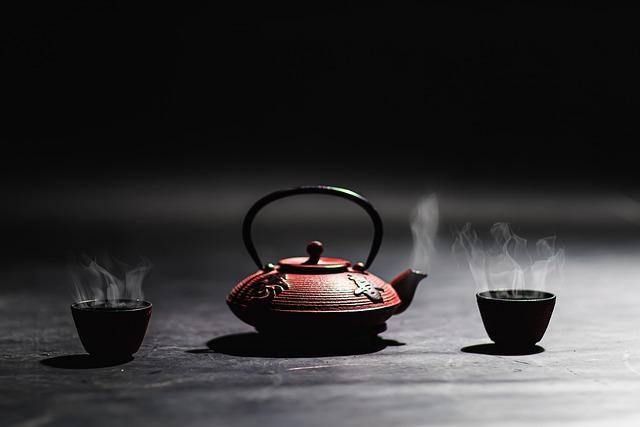
Table of Contents
- Discovering the Heart of Kyoto’s Tea Culture
- Step by Step Through a Traditional Tea Ceremony
- Top Spots to Experience Authentic Tea Rituals in Kyoto
- Tips for Enjoying and Respecting the Ceremony as a Visitor
- The Bottom Line for Globe-Trotters
Discovering the Heart of Kyoto’s Tea Culture
Kyoto’s tea culture unfolds in serene spaces where time seems to slow, inviting guests to experience grace and mindfulness. Visitors can step into charming tearooms tucked away in traditional gardens, where delicate bowing and precise movements tell centuries-old stories. To truly appreciate this experience, consider visiting during spring when cherry blossoms frame the surroundings, adding a breathtaking visual harmony to the ceremony’s calm atmosphere.For families and beginners, there are guided tours that explain the intricate steps behind each gesture, making the tradition approachable and enjoyable for all ages. Solo travelers might prefer smaller, intimate sessions where the host personalizes the ceremony, providing insight into the spiritual meaning behind every action. Photographers, meanwhile, should come prepared with a quiet respect and a good lens, as the soft natural lighting and detailed movements create enchanting photo opportunities.Those visiting in the off-season benefit from less crowded venues and often receive more personal attention from tea masters. However, it’s wise to dress warmly and reserve in advance, since some tearooms close in winter due to traditional heating methods. Whether you’re seeking cultural enrichment, peaceful reflection, or simply a break from bustling sightseeing, booking a tea ceremony tour ahead will ensure a seamless experience rich in tradition. For accommodation nearby, check out recommended hotels to stay close to Kyoto’s historic districts.Step by Step Through a Traditional Tea Ceremony
Participating in a traditional tea gathering begins with entering the tea room quietly and with respect. Guests often pause at the entrance to admire the hanging scroll and flower arrangement, which set the mood. Since silence and mindfulness are valued above all, it’s best to leave distractions like phones behind and focus fully on the present moment.Once seated, each guest observes the host carefully perform the intricate preparation of matcha, powdered green tea. The host’s movements are deliberate and fluid, emphasizing grace and precision. Watching closely helps visitors appreciate the artistry behind the whisking, pouring, and serving, which symbolize harmony and purity.After receiving your tea bowl, rotating it slightly before sipping shows proper etiquette and respect for the tradition. Drinking slowly, you’ll notice a blend of subtle bitter and creamy flavors unique to matcha. Feel free to savor the ambiance and exchange a quiet word of gratitude before passing the bowl on-it’s a shared experience meant to bring people closer. For those attending in winter, warm tea offers a comforting pause, while summer ceremonies highlight refreshing coolness and seasonal flowers. To fully enjoy this cultural jewel, consider booking expert-led tours that explain each step in detail.Top Spots to Experience Authentic Tea Rituals in Kyoto
Kyoto offers an array of serene tea houses where you can immerse yourself in centuries-old traditions. Urasenke Chado Kaikan is a top choice, especially for first-timers looking to experience a formal tea ceremony led by skilled practitioners. The elegant setting inside makes it ideal for families and solo travelers alike, while the knowledgeable staff explains each step with warmth and clarity, helping you appreciate the ritual’s deeper meaning.For those who prefer a more intimate experience, the charming En Tea Ceremony Salon tucked away in the Higashiyama district is perfect. Moreover, the small group sessions here emphasize personal interaction and offer hands-on learning about traditional tools and movements. Visitors should consider booking in spring or autumn when cherry blossoms or fiery maple leaves enhance the tranquil surroundings, making this spot a photographer’s delight.If you crave an authentic temple ambiance, Kodai-ji Temple’s tea pavilion delivers peaceful moments with exquisite garden views that change beautifully with the seasons. However, do keep in mind that weekends tend to be busy, so booking guided tours ahead of time is wise, especially during peak travel months. For those traveling light and flexible, combining a tea ceremony visit with nearby walks in historic neighborhoods creates a full sensory journey through Kyoto’s heritage.When planning your trip, consider these practical tips:- Reserve your tea ceremony experience early at popular venues.
- Layer your clothing in autumn and spring; rooms can be cool inside traditional buildings.
- Bring a camera for subtle details but be respectful of meditation and quiet moments.
Tips for Enjoying and Respecting the Ceremony as a Visitor
When attending a traditional tea ceremony in Kyoto, it is crucial to embrace quiet respect and mindfulness. Remember, these gatherings are not only cultural experiences but also spiritual rituals. Therefore, avoid loud conversations and sudden movements, which can disrupt the serene atmosphere and distract guests and hosts alike.For visitors new to these gatherings, taking note of the proper etiquette beforehand can enhance your experience. For instance, wait until the host signals before you sip the tea, and appreciate the bowl’s design and craftsmanship by gently turning it before drinking. Moreover, wearing modest clothing and soft, slip-on shoes can help you feel comfortable and show respect without drawing unnecessary attention.Seasonal visitors or families should consider smaller, slower-paced ceremonies to fully absorb the ritual’s subtle beauty. Solo travelers can benefit from guided sessions to ask questions and deepen their understanding in real-time. Regardless of your profile, booking local tea ceremony tours is highly recommended to ensure a smooth, immersive experience. For accommodation nearby, explore cozy hotels in Kyoto where you can rest after your cultural journey.Frequently Asked Questions for Frequent Travelers
What are the best ways to avoid jet lag when traveling frequently?
To minimize jet lag, adjust your sleep schedule before traveling, stay hydrated, avoid alcohol and caffeine, and spend time in natural daylight upon arrival. Using sleep masks and melatonin supplements can also help reset your internal clock.
Plan Your Trip to Kyoto
How can I pack efficiently for frequent business trips?
Pack versatile clothing pieces that mix and match easily, use packing cubes to organize your items, and carry travel-sized toiletries. Rolling clothes instead of folding saves space and reduces wrinkles, making your luggage lighter and more efficient.
What are the top tips for staying healthy while traveling often?
Maintain a balanced diet, stay hydrated, prioritize sleep, and exercise regularly. Wash your hands frequently and carry sanitizer to avoid germs. Carry any necessary medications and consider travel insurance for added health security.
How can I find the best flight deals for frequent travel?
Use flight comparison websites, set fare alerts, book flights in advance, and be flexible with your travel dates and airports. Joining airline loyalty programs can also provide exclusive discounts and perks.
What documents should frequent travelers always carry?
Always carry a valid passport, necessary visas, travel insurance, boarding passes, and identification. Digital copies stored securely on your phone or cloud can provide backup in case of loss or theft.
The Bottom Line for Globe-Trotters
Thanks for joining me on this little journey through Kyoto’s enchanting tea ceremonies! Whether you’re a seasoned tea lover or just curious about this beautiful tradition, there’s something truly special about pausing to savor each sip and moment. If you ever find yourself wandering the quiet streets of Kyoto, I hope you take the time to experience a tea ceremony firsthand-it’s a sweet chance to connect with history, culture, and maybe even yourself. Until next time, keep sipping slowly and appreciating the simple joys! Cheers!Related Travel Guides
Frequently Asked Questions
When is the best time to visit Kyoto?
The optimal months depend on weather and crowds. Shoulder seasons (April-June and September-October) typically offer the best balance of weather, prices, and fewer tourists. Avoid peak summer for European or Mediterranean destinations and rainy seasons for tropical ones.
How much does a Kyoto trip cost?
Costs vary by season and travel style. Budget travelers can expect 60-100 USD per day, mid-range 150-250 USD, luxury 400+ USD per day. Book flights and accommodation 3-4 months ahead for best prices.
Do I need travel insurance for Kyoto?
Yes, travel insurance is strongly recommended for international trips. It covers medical emergencies, trip cancellation, lost baggage, and adventure activity coverage. Compare quotes from World Nomads, SafetyWing, and Allianz.
How many days should I plan for Kyoto?
For a first visit, 5-7 days is the minimum to see the main highlights. 10-14 days gives you time to explore at a slower pace and add side trips. Multi-destination trips need 14+ days minimum.