

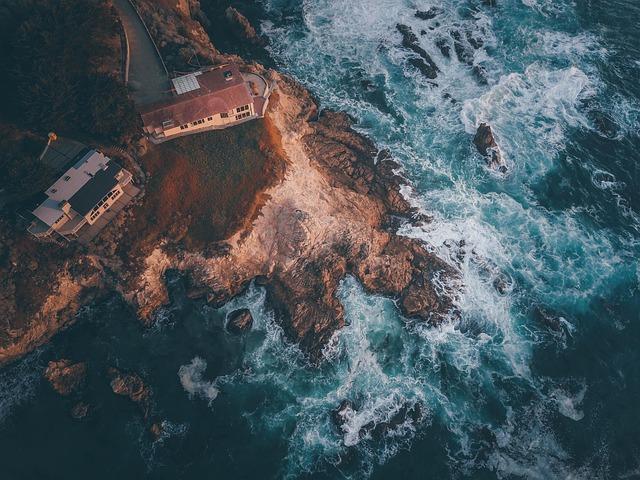
Surf travel is one of the most rewarding ways to see the world. The pursuit of waves naturally pulls you to coastlines you would never otherwise visit, requires you to engage with weather and ocean systems, and rewards patience and humility in a way few sports do. From the heaving barrels of Pipeline to the perfect points of J-Bay, from the warm walls of Bali to the cold reefs of Iceland, the world’s best surf destinations span every continent and every skill level.
This guide profiles the top surf destinations for 2026, organised by skill level, ideal season, board type, and what kind of surf experience the destination delivers. You will see classic destinations every surfer dreams of (Hawaii, Australia, Indonesia), under-the-radar gems for travellers who prefer empty lineups, and hidden gems being newly developed. For each destination, you will see the swell windows, board recommendations, accommodation tips, and warnings for the localism, hazards, or visa requirements specific to that spot.
Hawaii: The Heart of Modern Surfing
Hawaii is the cultural and spiritual home of surfing. Polynesians invented the modern sport here over 1,000 years ago, and the islands still host the world’s most consequential waves. The North Shore of Oahu in particular is a 7-mile stretch of world-class breaks that shapes the professional surf world every winter.
- Top breaks (Oahu North Shore): Pipeline (expert only, world-famous barrel), Waimea Bay (big-wave), Sunset Beach, Haleiwa, Rocky Point.
- Top breaks (Maui): Honolua Bay (winter point break), Ho’okipa, Jaws / Pe’ahi (big-wave, expert only).
- Top breaks (other islands): Cloudbreak (Fiji, often grouped), Anahola Bay (Kauai), South Shore Honolulu beaches (Queens, Canoes) for beginners and longboarders.
- Season: November to March for North Shore (big winter swells), May to September for South Shore (smaller summer surf, ideal for beginners).
- Skill level: ranges from absolute beginner (Waikiki) to elite (Pipeline, Jaws).
- Budget: 200 to 400 USD per night for North Shore lodging in season. Surf rental 25 to 40 USD per day. Instruction 75 to 150 USD per session.
Pipeline localism is intense. Beginners and intermediate surfers should respect the pecking order in the lineup and avoid surfing during contests or major swells. Start with smaller breaks like Haleiwa or Chun’s Reef before progressing.
Indonesia: The Mecca of Tropical Surfing
Indonesia is the most concentrated tropical surf destination in the world. The combination of warm water year-round, consistent Indian Ocean swells, perfect reef setups, and (in some regions) approachable wave forms has made Indo a global pilgrimage site for surfers of every level.
- Top Bali breaks: Uluwatu (advanced reef), Padang Padang (expert barrel), Bingin (intermediate reef), Canggu (intermediate beach break), Kuta (beginner-friendly).
- Mentawai Islands: world-class surf charters and resort stays. Macaronis, Lance’s Left and Right, HTs, Telescopes. Charter trips 2,500 to 6,000 USD per week.
- Lombok and Sumbawa: Desert Point, Lakey Peak, Lakey Pipe. Less crowded than Bali.
- Nias (Sumatra): Lagundri Bay (perfect right-hander). Famous since the 1970s.
- Season: May to September (dry season, southerly swells on west coasts). October to April for east-coast spots.
- Skill level: beginner to elite depending on spot. Canggu and Kuta beginner-friendly; Uluwatu and Mentawai for experienced only.
- Budget: Bali low-end 30 to 60 USD per night with surf nearby. Mid-range 80 to 200 USD per night. Luxury surf camps and Mentawai charters 200 to 1,000+ USD per night.
Reef etiquette matters: wear reef booties for unfamiliar breaks, respect local surfers, and learn the lineup priority before paddling. Sea urchins are abundant on Indonesian reefs.
Australia: From Gold Coast to Margaret River
Australia’s coast is one of the most consistent surf coasts on Earth. The east coast offers warm-water points and beach breaks suitable for every level; the south and west deliver bigger, colder, more challenging surf for advanced wave chasers.
- Gold Coast (Queensland): Snapper Rocks, Greenmount, Kirra. World-class right-hand points. Crowded but world-class.
- Byron Bay (NSW): The Pass, Wategos. Beginner to intermediate. Iconic surf town.
- North Narrabeen, Avalon (Sydney NSW): consistent beach breaks for all levels.
- Bells Beach (Victoria): world-famous winter big-wave spot. Cold water (wetsuit required).
- Margaret River (Western Australia): heavy reef breaks (Main Break, Box, Owl Reef), great whites in the water, advanced only. World tour venue.
- Season: April to October for east coast points (winter swells with offshore winds). November to March for Western Australia winter equivalents.
- Skill level: wide range. Byron Bay accessible to beginners, Margaret River for experienced only.
- Budget: 80 to 200 USD per night for mid-range coastal lodging. Surf instruction 80 to 120 USD per session.
Strong shark presence on the Western Australian coast in particular. Check recent shark activity reports (SharkSmart WA) before paddling out at unfamiliar breaks.
Portugal: Europe’s Surf Capital
Portugal has become the European surf hub, combining big-wave heroics at Nazare with everyday accessibility along the Ericeira and Algarve coasts. The combination of consistent Atlantic swell, mild climate, low costs by Western European standards, and excellent infrastructure makes Portugal one of the best all-round surf destinations.
- Nazare: Praia do Norte. World-famous for 20-30 meter waves at Praia do Norte. Watching from the lighthouse during a big swell is a bucket-list experience. Surfing only for elite tow-in athletes.
- Ericeira (WSL World Surfing Reserve): Ribeira d’Ilhas, Coxos, Sao Lourenco, Pedra Branca. Consistent and varied.
- Peniche (Supertubos): world tour venue. Powerful beach break barrels.
- Algarve: Praia do Amado, Carrapateira. Less crowded, suitable for beginners and intermediates.
- Season: September to April for biggest Atlantic swells. May to August for smaller, beginner-friendly surf.
- Skill level: wide range. Avoid Nazare entirely unless you are elite. Ericeira and Algarve work for all levels.
- Budget: 50 to 130 USD per night for surf lodges. Surf camps with instruction 600 to 1,400 USD per week.
Cold water requires a 4/3mm wetsuit October to May. Combine with Lisbon city time (1 hour from Ericeira) for non-surf days.
South Africa: J-Bay and Cape Town
South Africa’s surf coast is one of the most dramatic in the world. Jeffreys Bay (J-Bay) delivers what many consider the best right-hand point break on Earth. Cape Town surrounds offer cold-water reef breaks of stunning quality.
- J-Bay (Supertubes): the wave. World tour venue. Lines up perfectly down a kilometre of coastline. Open July to September.
- Cape Town: Muizenberg (beginner), Long Beach Kommetjie (intermediate), Dungeons (big-wave, expert only).
- Mozambique (north of Durban): Tofo, Inhambane. Warm water, less crowded, intermediate to advanced.
- Season: June to September for J-Bay (winter big swells). Year-round Cape Town with peak May to September.
- Skill level: J-Bay for intermediate to advanced (the wave is fast and lines move fast). Cape Town has beginner options.
- Budget: J-Bay surf houses 50 to 150 USD per night. Cape Town 80 to 250 USD.
Shark presence on the South African coast is real. Cape Town in particular has a high great white population. Surf with locals, follow advice on water-time restrictions during peak shark season.
Costa Rica and Central America
Costa Rica and its Central American neighbours offer some of the most beginner-friendly surf destinations on Earth, combined with proximity to North America, warm water, and a relaxed cultural atmosphere.
- Costa Rica Pacific: Tamarindo (beginner-friendly), Playa Negra (heavier reef), Pavones (longest left in the world), Witch’s Rock and Ollie’s Point (boat access).
- Costa Rica Nicoya: Santa Teresa, Mal Pais. Yoga and surf combination retreats.
- Nicaragua: Popoyo (consistent waves, less crowded), San Juan del Sur area. Often called the next Costa Rica.
- El Salvador: Punta Roca (classic right point), Las Flores. Hosting World Surf League events.
- Panama: Bocas del Toro (Caribbean side), Santa Catalina (Pacific big-wave). Hidden gems.
- Season: May to October for biggest Pacific swells. November to April for smaller, beginner-friendly surf.
- Skill level: wide range. Tamarindo and Santa Teresa beginner-friendly; Pavones for experienced.
- Budget: 60 to 200 USD per night. Surf and yoga retreats 800 to 2,500 USD per week.
Central America offers an excellent combination of surf accessibility, jungle and beach environment, low cost relative to Hawaii or Indonesia, and easy direct flights from US gateways. A favourite for first international surf trips.
Hidden Gems and Cold-Water Surf
Beyond the classic destinations lie surf experiences for travellers seeking emptier lineups, more dramatic settings, or harder-to-reach waves. These take more logistics but reward the effort.
- Iceland (Reykjanes Peninsula): cold-water reef breaks with active volcanic landscapes nearby. 5/4mm wetsuit, hood, booties, gloves required year-round.
- Norway (Lofoten Islands): Unstad Bay. Arctic surfing with northern lights overhead. Year-round but November to March for big swells.
- Ireland (West Coast): Mullaghmore (big-wave), Bundoran, Lahinch. Cold-water, beautiful, growing surf scene.
- Scotland (Thurso East): world-class right-hand reef, brutally cold.
- Maldives: Pasta Point, Sultan’s, Cokes. Warm-water reef surfing accessible by boat or resort.
- Sri Lanka (Arugam Bay and Weligama): world-class point and beach breaks. Arugam Bay one of the best places in the world to learn.
- Mexico (Puerto Escondido): Zicatela beach. World-famous heavy beach break. Mainland Mexico’s most consequential wave.
- Tahiti (Teahupo’o): world’s heaviest reef wave. Spectator-only for non-experts. Olympic venue 2024.
- Maldives (Atoll surfing by boat): 7 to 10 day surf charters at 1,200 to 4,000 USD per week.
- Madagascar (Anakao): remote, empty lineups, perfect for adventure-minded surfers.
These destinations require more preparation: wetsuit logistics for cold-water spots, boat charters for remote breaks, and longer travel time. The reward is some of the best wave experiences available with minimal crowds.
Planning Your Surf Trip
A surf trip lives or dies by how well you match the destination to your current skill level, the timing to the swell window, and your equipment to the wave type. Get these three right and you have great sessions. Get them wrong and you waste a trip watching from the beach.
- Choose by skill level: beginners go to Tamarindo (Costa Rica), Canggu (Bali), Byron Bay (Australia), Weligama (Sri Lanka), Algarve (Portugal). Intermediates expand to Ericeira (Portugal), Bingin (Bali), Santa Teresa (Costa Rica), Tofo (Mozambique). Advanced to Uluwatu (Bali), Mentawai (Indonesia), J-Bay (South Africa), North Shore Oahu (Hawaii).
- Time the swell window: use Surfline, Magicseaweed, or Windy.com to check 14-day forecasts. The week before departure, watch the swell and wind forecasts hourly. Adjust travel dates if possible.
- Travel with the right boards: a beginner needs a 7’2″ to 8’0″ softtop or a longboard. Intermediate-advanced bring a 6’2″ to 6’8″ shortboard and a 6’0″ fish. Add a mini-mal or longboard for small days. Some destinations rent (Bali, Costa Rica); others you should bring your own (remote charter trips).
- Pack for the water temperature: tropical (boardshorts, rashie, reef booties for unfamiliar reefs). Sub-tropical (springsuit). Cold-water (4/3mm full suit, booties, hood, gloves).
- Surf travel insurance: verify your travel insurance covers board damage in transit and personal medical for reef and shark injuries. World Nomads Explorer is a common choice.
- Respect local etiquette: learn the lineup priority, do not snake other surfers, do not paddle through the impact zone, do not surf above your ability at heavy spots. Localism in Hawaii, Indonesia, and Australia is real.
- Combine with travel: the best surf trips include non-surf days exploring the destination. Surf 2 sessions per day for 4 days, then rest, sightsee, and adjust before the next session run.
Surf Camps and Surf Resorts: When They Make Sense
Surf camps and surf-and-stay resorts package the surf experience for travellers who want simplicity. They handle airport transfers, lodging, daily surf transfers, board rentals, instruction, and often meals. For beginners and intermediate surfers exploring a new destination, the convenience is real.
- Drifters Surf Lodge (Ericeira, Portugal): classic European surf camp, multiple breaks shuttled daily, social atmosphere.
- Padang Padang Inn (Bali): reef-front lodging at the iconic break.
- Surf Simply (Nosara, Costa Rica): high-end instruction with video analysis. Premium pricing but excellent results.
- Salt Water Magic (Sri Lanka): beginner-focused, beachfront, popular for first-time surf travellers.
- Lapoint Surf Camps (Portugal, Sri Lanka, Costa Rica): youth-oriented, social, multiple locations.
- Six Senses Laamu (Maldives): luxury surf-and-spa resort with house break.
- Tropicsurf (multiple destinations): high-end surf coaching for serious intermediates and advanced.
Surf camps work best for solo travellers seeking community, beginners wanting structured instruction, and travellers exploring a new destination for the first time. Independent surfers with experience often prefer to rent an apartment, hire transport as needed, and surf with autonomy. Match the format to your personality and trip goals.
The Surf Travel Mindset
The fundamental rule of surf travel is patience. The waves come when they come, the wind is what it is, and your skills are what they are. The travellers who enjoy surf trips most are those who treat each session as a gift rather than an entitlement, who use flat days for exploring the destination rather than complaining, and who progress at their own pace rather than forcing waves above their ability.
Build a long-term surf travel arc with one international trip per year. Over a decade, this delivers extraordinary range: warm-water reef in Indonesia, cold-water reef in Iceland, point breaks in Australia, big-wave watching in Portugal, beginner-friendly beach breaks in Sri Lanka with friends new to the sport. Each trip layers experience and forms travel memories anchored by sessions in the water rather than tourist boxes ticked.
Surf Safety Essentials Every Traveller Should Know
Surfing carries real risks, and surf travel exacerbates them by putting you in unfamiliar lineups, unknown breaks, and sometimes remote locations where help is far away. A few safety habits dramatically reduce the likelihood of incidents.
- Never surf alone at an unfamiliar break: get to know the break by watching from the beach for 20 to 30 minutes before paddling out. Talk to a local. Note the entry and exit points, the rip currents, and the wave priority.
- Understand rip currents: if caught in a rip, do not fight it. Paddle parallel to the beach until you exit the rip, then paddle back. Rip currents are the leading cause of surf-related drowning.
- Know your limits: the rule is to surf at 70% of your maximum ability. Surfing at 100% on a trip leaves no margin for fatigue, surprise sets, or equipment failure.
- Use the right leash: too short and the board snaps back into your face. Too long and the board hits other surfers. The leash should match your board length plus 1 foot.
- Wax religiously: a slippery board is a recipe for falls and injuries. Re-wax at the start of every session.
- First aid kit for surf trips: antiseptic, reef cuts spray, bandages, antihistamine for jellyfish stings, oral antibiotics if travelling far from medical care. Consult your doctor before international trips for prescription guidance.
- Stay hydrated and fed: dehydration and low blood sugar are major contributors to surf accidents. Eat before sessions, drink water between, and never skip lunch.
- Respect local guidance: if a local says do not surf today, do not surf today. They know the break.
The most important skill for any travelling surfer is reading conditions accurately. Time spent watching the ocean from the beach is not wasted; it is the foundation of every good session.
Frequently Asked Questions About Surf Travel
What is the best surf destination for beginners?
Costa Rica (Tamarindo or Santa Teresa), Indonesia (Bali Kuta and Canggu), Australia (Byron Bay), Sri Lanka (Weligama or Arugam Bay), Morocco (Taghazout), and Portugal (Algarve in summer) all offer easy beach breaks, warm or mild water, surf schools with professional instructors, and a relaxed atmosphere. Tamarindo is often cited as the single easiest place in the world to learn.
How long does it take to learn to surf?
To stand and ride a small wave: 1 to 3 sessions for most people. To consistently catch and ride waves on your own: 5 to 15 sessions. To paddle out at intermediate breaks confidently: 30 to 50 sessions. To handle overhead waves and start reading the lineup: 1 to 2 years of regular surfing. Daily practice in good conditions during a 1-week surf trip accelerates progress dramatically.
Should I bring my own surfboard or rent?
For 5-day trips or shorter, rent locally. For 7+ day trips at quality destinations, bring your own boards (the rental fleet often does not include performance models). For remote or boat-access destinations, definitely bring your own boards plus spares. Airlines charge 100 to 300 USD per board per direction; some allow boards as free check-in within length limits.
How much does a surf trip cost?
Budget destinations (Sri Lanka, Indonesia, Costa Rica): 80 to 150 USD per day all-in (lodging, food, board rental, instruction). Mid-range (Portugal, Morocco): 150 to 300 USD per day. Premium (Hawaii, Maldives, premium Mentawai charters): 400 to 1,500+ USD per day. Average 1-week trip: 1,200 to 4,000 USD.
What size wetsuit do I need?
Tropical water (Bali, Hawaii summer, Costa Rica): no wetsuit, boardshorts and rashie. Sub-tropical (Australia winter, Morocco): 2/2mm springsuit or 3/2mm full. Cold-water summer (Portugal, California, Cape Town): 3/2mm to 4/3mm. Cold-water winter (Ireland, Iceland, UK, New England): 5/4mm to 6/5mm with hood, gloves, booties. Always size up if you sit between two sizes; baggy is colder than tight.
Are there sharks to worry about at these destinations?
Statistically, shark encounters are extremely rare. Higher-risk locations include Western Australia, Cape Town, Reunion Island, parts of California, and Florida. Lower-risk locations include Indonesia, Hawaii (statistical though localised), Costa Rica, Portugal. Follow local guidance (no dawn or dusk surfing in shark-active areas, avoid murky water, do not surf after rainfall in high-risk locations).
Affiliate disclosure: some hotel and activity links in this article are affiliate links. If you book through them, we receive a small commission at no additional cost to you. This is what allows us to keep producing detailed, honest guides.