

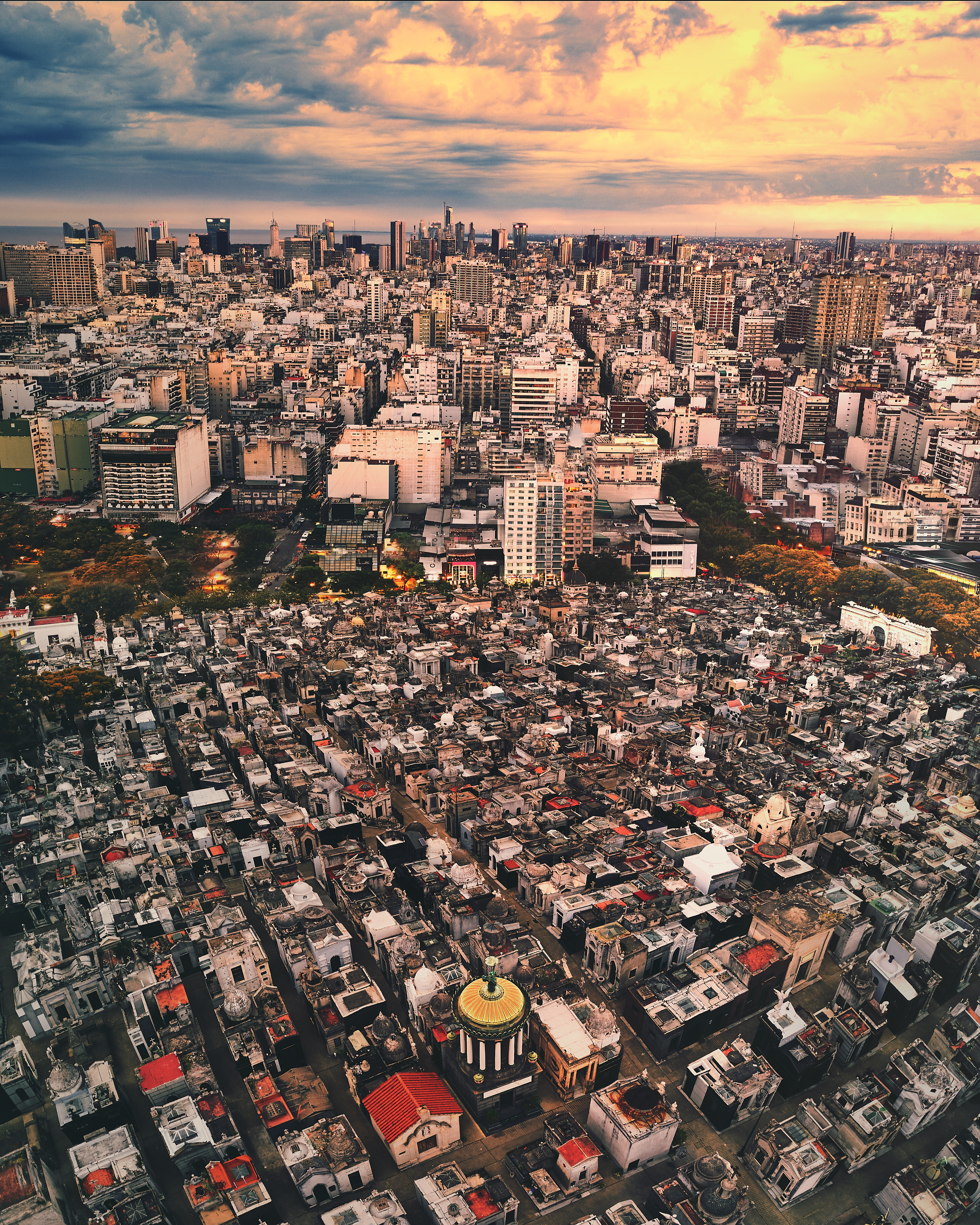
Buenos Aires is sometimes called the Paris of South America, but it is more Italian than French, more tango than ballet, and more late-night than any European capital. The Argentine capital sprawls across 48 distinct barrios, each with its own personality. Three days lets you cover the indispensable five: Recoleta, Palermo, San Telmo, Microcentro, and La Boca, while leaving you with strong opinions about steak, malbec, and dulce de leche.
This guide covers exactly what to do, how to handle the unique currency situation (blue rate vs official rate), where to eat the best parrilla and pasta, and how to experience tango without falling into the tourist trap.
Why 3 Days Works in Buenos Aires
Buenos Aires is dense and walkable within barrios but the city stretches 200+ square kilometers. Three days gets you the headline neighborhoods plus a Sunday San Telmo market or a tango milonga. Five to seven days lets you add a day trip to Tigre Delta or Colonia (Uruguay) plus deeper exploration of MALBA, Teatro Colon, and cafe culture.
Day 1: Recoleta and Palermo

Morning: Recoleta Cemetery (9 AM)
Recoleta Cemetery is unlike any cemetery you have visited: 4,800 above-ground marble mausoleums laid out in city-block grids, complete with statues, dome roofs, and stained glass. The most famous resident is Eva Peron (Evita) in the Duarte family vault. The cemetery covers 14 acres; you could easily spend 90 minutes wandering. Entry is free, opens 8 AM, joins free 2-hour guided tours Tue-Sat 11 AM in English.
Mid-Morning: Recoleta Neighborhood
After the cemetery, explore the surrounding Recoleta barrio: Basilica del Pilar (the church next door, 1732), the Centro Cultural Recoleta (free art exhibitions), and the Recoleta weekend fair (artisans Saturday-Sunday on Plaza Francia). Avenue Alvear is the Champs-Elysees of Buenos Aires with luxury fashion and turn-of-the-century mansions.
Lunch: Recoleta Cafes
La Biela on Avenida Quintana is a Buenos Aires institution dating to 1850, with marble tables on a leafy plaza. Coffee 1,800 ARS, full lunch 7,000-12,000 ARS. For something more modern, try Birkin Coffee Bar (specialty coffee, 1,500-3,000 ARS) or Floreria Atlantico (cocktail bar with great lunch menu).
Afternoon: MALBA Museum
The Museum of Latin American Art (MALBA) is the best art museum in Buenos Aires (entry 3,000 ARS, free Wednesdays). Permanent collection includes Frida Kahlo’s Self-Portrait with Monkey, Diego Rivera, Tarsila do Amaral, and rotating contemporary exhibitions. Allow 90 minutes. The museum cafe is excellent.
Late Afternoon: Palermo Walk
Walk or taxi to Palermo (the largest barrio, divided into Palermo Soho, Hollywood, Chico, and Botanico). Stroll Plaza Serrano in Palermo Soho with its cobblestoned streets, indie boutiques, and street art. The Bosques de Palermo (city park) is good for an early evening jog or rosedal (rose garden) walk.
Evening: Steak Dinner
Argentine dinner does not start until 9 PM at the earliest, often 10 PM. Reserve at one of these Palermo parrillas: Don Julio (legendary, reserve 2-3 weeks ahead via Resy, expect 35,000-55,000 ARS per person), La Cabrera (giant portions with free side dishes, 28,000-45,000 ARS), Parrilla Pena (more local, less touristy, 18,000-30,000 ARS), or Niño Gordo (Asian-fusion smashburger spot, 12,000-22,000 ARS).
Day 2: San Telmo, Microcentro, La Boca

Morning: Plaza de Mayo and Microcentro
Start at Plaza de Mayo, the political heart of Argentina since 1580. The pink presidential palace Casa Rosada has its iconic balcony where Evita addressed crowds. Free guided tours of the interior Saturday-Sunday (book online). The Metropolitan Cathedral on the plaza contains the tomb of General San Martin, Argentina’s liberator.
Mid-Morning: Avenida de Mayo and Cafe Tortoni
Walk down Avenida de Mayo to Cafe Tortoni (1858), the city’s most famous cafe. Marble tables, stained glass, and a small tango show in the evening basement. Touristy but worth a quick coffee and submarino (hot milk with chocolate bar) for the atmosphere. Allow 30-45 minutes.
Late Morning: San Telmo
San Telmo is the oldest barrio, cobblestoned and bohemian. Defensa Street is the main artery. On Sundays the entire street becomes the Feria de San Telmo (10 AM-5 PM) with hundreds of antique stalls, street tango performers, and live music. Even on non-Sunday days, the Mercado de San Telmo (1897 covered market) is a wonderful lunch stop.
Lunch: San Telmo
Inside Mercado de San Telmo try Coco Marche (sandwiches and salads 4,000-7,000 ARS), the original choripan stand (Argentine sausage on bread, 3,500 ARS), or sit-down at La Choza (parrilla in the market). For a more elaborate lunch, El Desnivel a few blocks away serves enormous parrilla plates 12,000-18,000 ARS.
Afternoon: La Boca and Caminito
Taxi to La Boca (do not walk: La Boca is unsafe outside the tourist corridor). Caminito is a 3-block pedestrian street of brightly painted corrugated houses, originally inhabited by Genoese immigrants who used leftover ship paint. It is touristy, kitschy, and worth 60-90 minutes for the photos and tango buskers. Adjacent is La Bombonera, Boca Juniors’ legendary football stadium. Match day visits require advance tickets; museum and stadium tours run 25,000 ARS.
Evening: Tango Show
Buenos Aires tango is split between three options. Big productions like Rojo Tango (Faena Hotel, 250-400 USD with dinner) or Senor Tango (large theater, 90-150 USD) are flashy and choreographed. More authentic milonga clubs (Salon Canning, La Catedral, Confiteria Ideal) cost 5,000-12,000 ARS entry; you watch real porteños dancing socially with optional beginner classes 7-9 PM. The Faena production is glamorous; the milonga is the real thing.
Day 3: Tigre Delta or Colonia Day Trip

Option A: Tigre and the Delta
One hour north by train from Retiro Station (the famous Tren de la Costa scenic line, 2,500 ARS). Tigre sits at the start of the Parana Delta, where 200+ km of rivers create a maze of islands. Board a colectivo (water bus, 8,000 ARS) for a 2-hour ride through the delta. Lunch riverside at El Gato Blanco or Maria Lujan.
Option B: Colonia del Sacramento, Uruguay
An hour by ferry across the Rio de la Plata to Uruguay’s oldest town (UNESCO heritage). Colonia Express ferry from Puerto Madero (3 hours one-way including border, 95 USD return). Cobbled streets, 17th-century Portuguese fortifications, lazy waterfront. Walking-only town. Easy day trip with passport required.
Option C: City Deep Dive
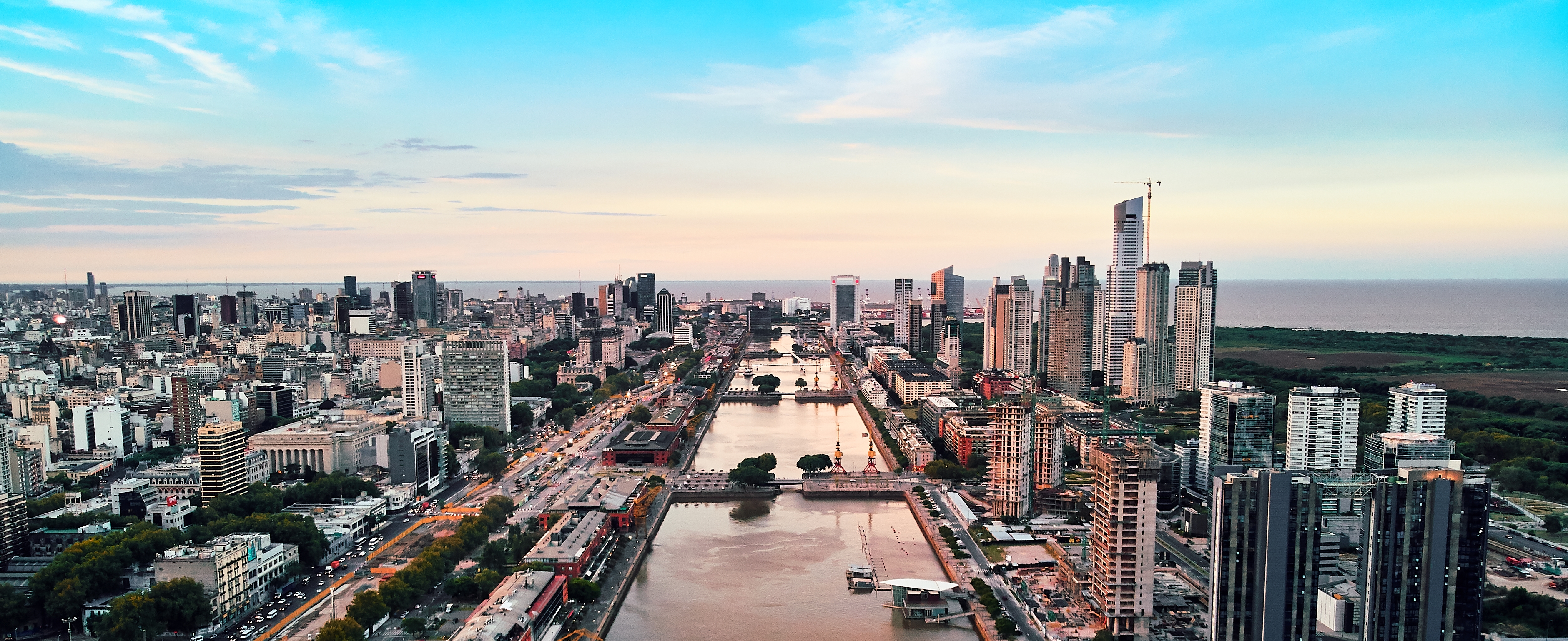
Stay in BA and dedicate the day to Puerto Madero (rejuvenated docks with the Puente de la Mujer bridge and Ecological Reserve), the Coleccion Fortabat private museum (under-visited gem), and an afternoon at Teatro Colon (the legendary opera house; backstage tours 35,000 ARS).
Where to Stay in Buenos Aires
Palermo (Best Overall)
Palermo Soho and Palermo Hollywood are the foodie/nightlife epicenter. Tree-lined streets, indie boutiques, best restaurant density. Most international visitors should base here. 60-180 USD/night. Try Home Hotel, Magnolia, Vain Boutique, Mine Hotel.
Recoleta (Elegant and Central)
French Beaux-Arts mansions, embassies, the cemetery, the best museums. Quieter than Palermo, walking distance to Microcentro. 70-250 USD. Alvear Palace (1932 grand dame, 350+ USD), Park Hyatt Palacio Duhau, Hub Porteno (boutique).
Puerto Madero (Modern Riverside)
The 1990s rejuvenated docks lined with brick warehouses converted to hotels and restaurants. Safe, secure, polished, but isolated from the city soul. 90-300 USD. Faena Hotel + Universe (Philippe Starck-designed, 350+ USD), Hilton, SLS.
San Telmo (Bohemian and Atmospheric)
Cobbled colonial streets, tango bars, antique shops. The grittier side of historic BA. Excellent value but the area can feel deserted at night on weekdays. 45-120 USD. Mansion Vitraux, Hostel Estoril (budget), Mansilla.
Microcentro (Convenient and Cheap)
The business and political district feels deserted on weekends but is convenient and well-priced midweek. 40-90 USD. NH Tango, Hotel Castelar (historic literary hotel).
Budget
Milhouse Hipo, America del Sur, and Ostinatto are top-rated hostels (20-35 USD dorms, 80 USD privates). Air bnb in Palermo: 50-90 USD for clean studios.
Where to Eat in Buenos Aires
Buenos Aires runs on beef, pasta, pizza, dulce de leche, malbec wine, and Fernet con coca. Argentina has the world’s second-highest per-capita beef consumption (only Uruguay tops it) and the porteno parrilla (steakhouse) is a religion.
Parrilla (Steakhouse)
Don Julio (Palermo Soho, world top-50 restaurant, book 2-3 weeks ahead), La Cabrera (Palermo, theatrical service with 12 free side dishes), Parrilla Pena (Centro, more local), El Pobre Luis (Belgrano, Uruguayan-style), La Brigada (San Telmo, classic, knife only for steaks). Order: ojo de bife (ribeye), bife de chorizo (sirloin strip), entrana (skirt), chimichurri sauce.
Pasta and Italian Heritage
Argentina is 60% Italian-descended; the pasta scene is excellent. Pizzeria Guerrin (Avenida Corrientes, fugazza pizza institution since 1932), Cucina Paradiso, Bourbon (Palermo), El Cuartito (a pizza joint where Maradona ate).
Modern Argentine and Fine Dining
Trescha (Palermo, modern tasting menu 95,000 ARS), Aramburu (Recoleta, 16-course tasting), Tegui (intimate, no signage), Mishiguene (Jewish-Argentine fusion), Don Julio for the parrilla side. Most fine dining starts dinner at 8:30 PM.
Cafe Culture and Sweets
Cafe Tortoni (1858 institution), Las Violetas (Almagro, Art Nouveau cafe with extraordinary cakes), Birkin (specialty coffee, Palermo), Compania de Chocolates (artisan chocolates and helado), Rapanui (one of the city’s best ice cream chains, try dulce de leche granizado).
Wine and Cocktails
Floreria Atlantico (Recoleta, a flower shop with a speakeasy bar downstairs, world top-50 bars), Presidente (cocktails, Palermo), Verne Cocktail Club, CoChinChina (Asian small plates and pisco), and any wine bar specializing in Mendoza Malbec.
Getting Around Buenos Aires
Subte (Metro)
Six lines (A-E and H) cover the city center and major neighborhoods. Single ride 1,300 ARS via SUBE card (purchase at any station, 1,000 ARS deposit). Crowded at rush hour. Line A still uses original 1913 wooden cars on weekends.
Taxis and Cabify
Yellow-and-black taxis are everywhere; always demand the meter (taximetro). Cabify and Uber both work well in BA and are cheaper than taxis for most rides. Center to Palermo: 4,000-6,000 ARS. Airport (Ezeiza) to center: 35,000-50,000 ARS by official Tienda Leon shuttle or Uber.
Walking and Bikes
Buenos Aires is flat and pleasant to walk in good weather. The Ecobici public bike system (free for short trips with phone registration) covers central neighborhoods.
What to Know Before You Go to Buenos Aires
The Currency Situation
Argentina has multiple exchange rates due to inflation controls. The official rate is much weaker than the parallel (blue) rate that locals use. Bring USD cash (clean, large bills) and exchange at cuevas (informal exchange houses) on Florida Street or via Western Union, which uses a favorable tourist rate. Foreign credit cards now process at the MEP rate (better than official) but worse than cash. ATMs give official rate (terrible value) plus high fees. Verdict: bring USD cash and use Western Union transfers to yourself.
Best Time to Visit
October-November and March-May are optimal: 18-26C, dry. December-February is hot summer (30-35C), Decembers are still cheap because many porteños go on holiday. June-August is mild winter (5-15C) and quieter but rainy.
Safety
Tourist areas (Palermo, Recoleta, Microcentro, Puerto Madero) are safe during day and evening. Watch for pickpockets in crowded subte stations and Plaza de Mayo. La Boca outside the Caminito tourist strip is not safe; do not wander. Constitucion station is rough at night. Mustard squirter scam (someone sprays sauce on you, accomplice cleans you while picking your pocket) still happens; if anyone touches you with food, walk away.
Language and Tipping
Spanish is the language; English in tourist hotels and high-end restaurants only. Learn the basics. Argentine accent uses vos instead of tu and pronounces ll/y as sh. Tip 10% in restaurants if not included; cab drivers round up; hotel porters 2,000 ARS per bag.
Common Mistakes First-Time Visitors Make
Eating dinner at 7 PM: most restaurants do not open until 8 PM and porteños show up at 9-10 PM. Make a 9 PM reservation; you will have the place to yourself if you arrive on time.
Withdrawing cash at airport ATMs: terrible exchange rate plus 8% fee. Use Western Union or bring USD cash.
Skipping reservations at Don Julio: walk-ins wait 3-4 hours. Book via Resy 2-3 weeks ahead or go elsewhere.
Visiting La Boca on foot from San Telmo: not safe; take a taxi the 15 minutes.
Treating San Telmo Sunday market as a quick stop: it is one of the city’s best experiences. Allow 3-4 hours.
Cost Estimate: 3 Days in Buenos Aires (per person)
Budget (40-60 USD/day)
Hostel dorm, mix of empanadas and choripan, subte and walking, free museums and parks, milonga entry instead of tango show. Total: 120-180 USD.
Mid-Range (90-180 USD/day)
Boutique hotel in Palermo, parrilla dinner with malbec (50-80 USD), Uber rides, MALBA and other museum entries, mid-tier tango show. Total: 300-550 USD.
Luxury (300+ USD/day)
Faena or Park Hyatt Palacio Duhau, Don Julio + Aramburu fine dining, private guide for La Boca and Recoleta, Rojo Tango premium show, Tigre delta day trip with private boat. Total: 1,000-2,000 USD.
Flights: 700-1,500 USD roundtrip from US East Coast, 800-1,800 USD from Europe (typically via Madrid, Sao Paulo, or Lima).
Frequently Asked Questions
Is 3 days enough for Buenos Aires?
Three days hits the five core barrios and one tango experience. Five to seven days lets you add Mendoza wine country, Iguazu Falls, or a Tigre Delta overnight.
Is Buenos Aires safe for tourists?
Yes in tourist barrios with sensible precautions: no flashing phones in crowds, avoid La Boca outside Caminito, use Uber/Cabify at night. Most porteños will be exceptionally helpful to lost tourists.
What is the best month to visit Buenos Aires?
October-November and March-May offer 18-26C, dry weather, and good crowds. Avoid Christmas-New Year when many businesses close.
Do I need a visa for Argentina?
US, UK, EU, Canadian, Australian passport holders get 90 days visa-free on arrival. Check current rules before booking. Some passports may pay a reciprocity fee online before arrival.
How do I get the best exchange rate?
Bring clean USD bills and exchange via Western Union (sent to yourself) or at reputable cuevas on Florida Street. Foreign Visa/Mastercard now processes at the favorable MEP rate. AVOID Argentine ATMs and airport currency exchanges.
Can I drink the tap water?
Yes in Buenos Aires; tap water is safe and good quality.
How early should I book Don Julio?
Two to three weeks ahead via Resy. They release tables 30 days before. Walk-ins wait 3-4 hours; arrive 6:30 PM (right when they open) for a slim chance.
What should I wear?
Porteños dress well. Smart casual for dinner (no shorts at upscale parrillas). Comfortable shoes for cobbles. Light layers; summer evenings cool down. Tango milongas often require closed shoes for women.
Final Thoughts
Buenos Aires is romantic in a melancholic, late-night, half-Italian and half-Spanish way you do not encounter elsewhere. Three days is enough to fall for it, but you will leave already planning a return for a longer visit that includes Mendoza, Iguazu, or Patagonia. Bring an appetite; you will eat well.