

Table of Contents
- The Lasting Impact of Language and Education on Cultural Identity
- How Colonial Architecture and Urban Planning Influence Modern Cities
- The Role of Traditional Practices in Preserving Heritage Amidst Colonial Legacies
- Ways Communities Can Celebrate and Reclaim Their Unique Cultural Narratives
- To Wrap It Up
The Lasting Impact of Language and Education on Cultural Identity
Language and education have always been powerful vessels for cultural transmission, but in colonial contexts, they became tools of transformation-sometimes erasing, other times reshaping local identities in profound ways. Colonial powers often imposed their languages as mediums of instruction, which led to the gradual diminishment of indigenous tongues. This shift wasn’t just about communication; it deeply altered how generations perceived their heritage, values, and community bonds. Yet, even within this imposition, local populations creatively adapted, blending colonial languages with native expressions to forge unique cultural hybrids that endure today.
Plan Your Trip to Travel Inspiration
Education systems introduced during colonial times left lasting legacies, including:
- Standardized curricula that prioritized colonial worldviews and history, often sidelining local narratives.
- The emergence of bilingual or multilingual societies, where proficiency in colonial languages became a key to social mobility.
- Complex identities formed from the intersection of indigenous traditions and colonial influences, visible in literature, art, and daily life.
Ultimately, language and education did not merely suppress cultures; they catalyzed unexpected evolutions, enabling communities to reclaim and reimagine their traditions through new lenses. The resilience and adaptability displayed highlight how cultural identity can persist-and flourish-even under external pressures.
How Colonial Architecture and Urban Planning Influence Modern Cities
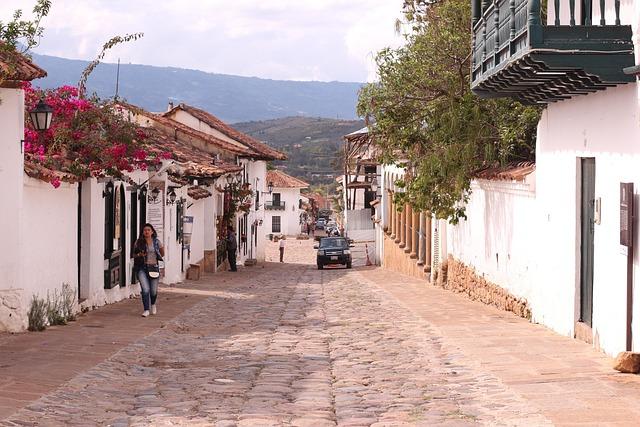
Across continents, the marks of colonial architecture and urban planning remain visible in cityscapes, blending with indigenous designs and local adaptations. These structures and street layouts, often characterized by grandiose facades, symmetrical grids, and central plazas, reveal the cultural exchanges and power dynamics of past eras. Modern cities inherit these features not just as historical artifacts, but as vibrant parts of their identity that influence daily life, tourism, and community spaces. From colonial-era forts converted into museums to tree-lined boulevards that host lively markets, these elements create a unique urban tapestry where history and contemporary culture coexist.
Key influences of colonial planning on present-day cities include:
- Imposed grid systems that shape traffic flow and neighborhood layouts
- Public squares serving as social and political gathering points
- Architectural styles mixing local craftsmanship with imported aesthetics
- Institutional buildings like courthouses and churches anchoring urban identity
These layers of colonial legacy often spark conversations about cultural preservation, adaptive reuse, and the reclamation of space by indigenous and local communities. As cities continue to grow, urban planners and residents alike strive to honor this complex history while envisioning inclusive spaces that reflect contemporary values and diversity.
The Role of Traditional Practices in Preserving Heritage Amidst Colonial Legacies
Across continents, traditional practices have acted as resilient vessels carrying the essence of local identities through turbulent colonial periods. These customs – from storytelling and craftsmanship to rituals and culinary traditions – provided communities with a sense of continuity and belonging. In many cases, they became subtle acts of defiance against foreign domination, helping indigenous peoples retain their unique voices amid pressures to conform. By fostering shared experiences and collective memory, these practices ensured that cultural heritage wasn’t erased but instead adapted and thrived in new forms.
The preservation of these time-honored traditions hinges on several crucial factors:
- Intergenerational Transmission: Elders passing down knowledge keep customs alive and relevant.
- Community Engagement: Active participation in festivals, crafts, and ceremonies reinforces identity.
- Adaptive Innovation: Blending old and new allows traditions to evolve without losing their core meaning.
Ways Communities Can Celebrate and Reclaim Their Unique Cultural Narratives
Communities seeking to honor and revive their distinct cultural identities have a vibrant tapestry of approaches to choose from. Organizing local festivals that showcase indigenous music, dance, and cuisine is a dynamic way to bring people together while educating younger generations about their heritage. Establishing storytelling sessions where elders share oral histories helps preserve narratives that colonial accounts often overlooked or distorted. Additionally, community art projects-like murals and sculptures-can symbolize resilience, reclaiming spaces once erased or marginalized by colonial influence.
Another powerful step is the integration of native languages into schools and public signage, fostering daily interaction with ancestral tongues that carry profound cultural significance. Digital archives and social media campaigns also offer innovative platforms for sharing unique traditions and histories beyond geographical boundaries. Communities may collaborate with local historians and activists to write and publish books or documentaries that present their stories through authentic, self-defined perspectives. By embracing a multifaceted approach, these efforts collectively rebuild pride and strengthen cultural continuity in a modern world.
To Wrap It Up
As we’ve seen, colonial history is a complex tapestry that has woven itself into the very fabric of local cultures across the globe. From language and cuisine to traditions and social structures, the echoes of the past continue to shape how communities express their unique identities today. Understanding this shared history helps us appreciate the resilience and creativity of cultures that have adapted and transformed influences into something truly their own. So next time you explore a new place-or reflect on your own heritage-remember that history isn’t just in the books; it’s alive in the stories, flavors, and rhythms of everyday life. Thanks for reading, and here’s to discovering the fascinating connections that make our world so beautifully diverse!Related Travel Guides
Frequently Asked Questions
When is the best time to visit Travel?
The optimal months depend on weather and crowds. Shoulder seasons (April-June and September-October) typically offer the best balance of weather, prices, and fewer tourists. Avoid peak summer for European or Mediterranean destinations and rainy seasons for tropical ones.
How much does a Travel trip cost?
Costs vary by season and travel style. Budget travelers can expect 60-100 USD per day, mid-range 150-250 USD, luxury 400+ USD per day. Book flights and accommodation 3-4 months ahead for best prices.
Do I need travel insurance for Travel?
Yes, travel insurance is strongly recommended for international trips. It covers medical emergencies, trip cancellation, lost baggage, and adventure activity coverage. Compare quotes from World Nomads, SafetyWing, and Allianz.
How many days should I plan for Travel?
For a first visit, 5-7 days is the minimum to see the main highlights. 10-14 days gives you time to explore at a slower pace and add side trips. Multi-destination trips need 14+ days minimum.