

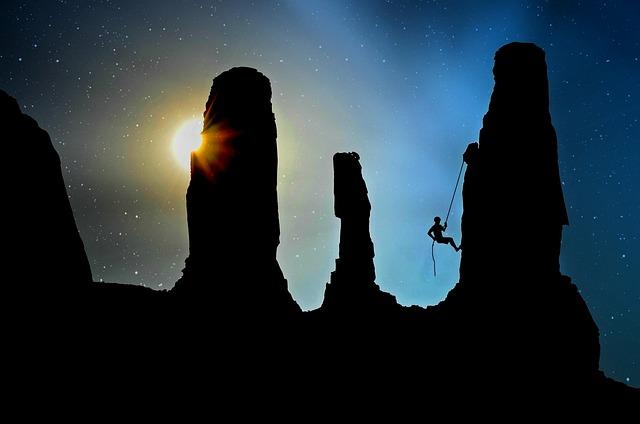
Rock climbing has become one of the most accessible adventure-travel categories of the last five years. The post-Olympic boom (climbing entered the Games in Tokyo 2020) shaped a generation of new climbers, and the explosion of indoor gyms has produced a steady pipeline of travellers ready for their first outdoor trip. This guide brings together the ten best climbing destinations worldwide for 2026, the differences between sport, trad and bouldering, the grade systems used across countries, and the practical logistics that turn a climbing holiday into a memorable trip rather than a frustrated one.
Why Rock Climbing Travel Has Exploded Since 2024
Three drivers have transformed climbing travel since 2020. The first is gym culture: more than 2,500 indoor climbing gyms now operate worldwide, producing climbers who can comfortably attempt grades 5.10 to 5.12 (French 6a to 7a) on their first outdoor visit. The second is destination infrastructure: climbing villages like Kalymnos, Margalef and Siurana now offer climber-specific accommodation, transport, guidebooks and rest-day activities. The third is the rise of guided travel: operators like Climb Europe, Rock and Sun and Climbing Holidays now bundle accommodation, guides and gear for a flat weekly rate.
You also benefit from a remarkably reasonable price point. A full week of guided climbing in Kalymnos, including a shared apartment, a guidebook and three days of guided climbing, runs around 750 to 1,100 EUR per climber. Compare that with heli-skiing in British Columbia at 1,500 USD per day, and the value becomes obvious. Even premium operators rarely exceed 250 EUR per day all-inclusive.
The Ten Best Rock Climbing Destinations Worldwide
- Kalymnos, Greece: The benchmark sport climbing destination, with over 4,000 routes on tufa-covered limestone. Best from April to June and September to November.
- Siurana and Margalef, Catalonia, Spain: Long, technical sport routes on pocketed limestone. Margalef in particular has built a reputation for hard endurance climbing. Best from October to April.
- Ceuse, France: A 30-minute uphill hike rewards climbers with one of the most beautiful sport crags in Europe. Best in summer (June to September).
- Yosemite National Park, USA: The spiritual home of big-wall climbing. El Capitan, Half Dome and the surrounding crags offer trad and aid climbing at the highest level.
- Indian Creek and Red Rocks, USA: Indian Creek for crack climbing on Wingate sandstone. Red Rocks (near Las Vegas) for moderate trad and sport on varied rock.
- Joshua Tree, USA: Coarse-grained granite with a deep history of trad climbing. Best from October to April.
- Squamish, British Columbia, Canada: The Stawamus Chief offers world-class trad climbing. The Smoke Bluffs and Cheakamus Canyon round out a varied destination.
- Krabi and Railay, Thailand: Sport climbing on overhanging limestone above the Andaman Sea. Best from November to April.
- Bishop, California, USA: The Buttermilks and Happy Boulders make Bishop the premier bouldering destination in North America.
- Fontainebleau, France: The historical home of bouldering, with over 30,000 documented problems on sandstone. Best in autumn and spring.
Sport, Trad and Bouldering: Choose Your Style
Each climbing discipline rewards different skill sets and gear investment. Knowing which style suits you saves a frustrating first trip.
Sport climbing
Pre-bolted routes on which you clip quickdraws as you ascend. Lower commitment, immediate progression, accessible for indoor climbers transitioning outside. Required gear: rope (60 or 70 m), quickdraws (12 to 16), harness, belay device, helmet, climbing shoes. Top destinations: Kalymnos, Siurana, Ceuse, Margalef.
Trad climbing
You place removable protection (nuts, cams) into cracks as you climb. Higher commitment, slower progression, deeper engagement with the rock. Required gear adds a full rack of cams, nuts, slings, alpine draws. Top destinations: Yosemite, Squamish, Joshua Tree, Indian Creek.
Bouldering
Short, intense problems on low rock without rope. Minimum equipment: climbing shoes, chalk bag, crash pads (one to four depending on the problem). The most social discipline, well-suited to groups. Top destinations: Fontainebleau, Bishop, Rocklands (South Africa), Hueco Tanks.
Grade Systems Across Countries
Climbing grades vary by country. A quick conversion helps when reading guidebooks or talking to local climbers.
- French (sport): 5 to 9c. Most international destinations use this scale. 6a is roughly intermediate, 7a is solid, 8a is expert.
- American YDS (sport and trad): 5.0 to 5.15d. 5.10 corresponds to French 6a, 5.12 to 7a-7b, 5.14 to 8b-8c.
- UK (trad): Uses adjectival grades (VS, HVS, E1 to E11) plus technical grades (4a to 7c). E3 5c is roughly French 6b.
- V-scale (bouldering): VB to V17. V3 is intermediate, V7 to V8 is advanced, V12+ is expert.
- Fontainebleau (bouldering): 3 to 9a. 6a Font is V3, 7a Font is V6, 8a Font is V11.
If you climb 5.10 in your gym, expect to onsight 5.9 to 5.10a outside on your first trip. The gym-to-outdoor adjustment usually takes one or two letter grades to overcome, mainly due to footwork and route reading.
Best Months and Seasonal Windows
- Spring (March to May): Best for Spain (Margalef, Siurana, Chulilla), the American Southwest (Red Rocks, Indian Creek), Fontainebleau, and southern Italy.
- Summer (June to August): High-altitude alpine destinations (Ceuse, Frankenjura, Dolomites), Scandinavian crags, Patagonia (winter access for big walls).
- Autumn (September to November): Kalymnos, Sardinia, Verdon Gorge, Yosemite Valley (cool but still climbable). The best window for European limestone.
- Winter (December to February): Thailand (Krabi, Railay), Vietnam (Cat Ba, Lao Cai), Sicily (San Vito Lo Capo), Mallorca, Spain southern crags (Chulilla, El Chorro).
The climbing year naturally divides into two main blocks: late autumn through early spring on the Mediterranean and tropical destinations, and late spring through mid-autumn on the alpine and northern destinations. Travelling against this rhythm rarely pays off.
Essential Gear and Insurance
A balanced climbing trip needs a core kit. The list below covers what you need for a one-week sport climbing trip with a partner.
- Rope: 70 m single dynamic rope (10 mm for durability, 9 mm for weight). Mammut Infinity, Sterling Evolution Velocity and Petzl Volta are reliable choices.
- Quickdraws: 12 to 16 standard quickdraws plus 2 alpine draws for longer sport routes.
- Harness: Comfortable for hanging belays. Petzl Sitta, Black Diamond Solution and Arc teryx FL-365 all work well.
- Belay device: Assisted-braking devices like the Petzl GriGri+ are standard for sport climbing.
- Helmet: Lightweight and ventilated. Petzl Sirocco, Black Diamond Vapor or Mammut Wall Rider.
- Climbing shoes: Bring two pairs (one comfortable for warming up, one performance pair for hard routes).
- Chalk bag and chalk: Plus a kneepad for limestone destinations like Kalymnos.
- Insurance: Standard travel insurance often excludes climbing. Specialist policies (BMC, Snowcard, Austrian Alpine Club) cost 80 to 250 EUR per year and cover rescue.
For bouldering or trad trips, add crash pads (240 to 380 EUR each, often rented locally) or a full trad rack (cams, nuts, slings, anchor material at 800 to 1,500 EUR for a complete set).
How to Find a Guide or a Climbing Partner
The hardest part of a climbing trip can be finding a partner. Four practical paths solve this.
- Hire a UIAGM-certified guide: Cost 250 to 450 EUR per day. The guide leads every pitch and provides all the rope work. Best for one or two days at the start of your trip to learn the local style.
- Book a guided trip with an operator: Climb Europe, Rock and Sun, Adventure Base UK and Climbing Holidays all run weekly trips with accommodation, guidebook and 4 to 5 days of guided climbing for 750 to 1,200 EUR per climber.
- Use partner-finder apps: Mountain Project, Climbing Awake and the local Facebook groups (Kalymnos Climbing, Siurana Climbing) connect solo climbers with partners.
- Stay at a climbing-focused hostel: Hostels like the Climbers Hostel in Margalef, Glaros in Kalymnos or the Ranch in Bishop function as informal partner exchanges.
Deep Dives Into Five Iconic Climbing Areas
Each of these areas deserves more than a passing mention. The detail below helps you build a focused trip rather than a scattered one.
Kalymnos, Greece
The island sits in the Dodecanese, accessible by ferry from Kos or by domestic flight to Kalymnos airport. Climbing centres on Massouri and Armeos, with shuttle buses serving the major crags (Grande Grotta, Spartacus, Odyssey, Sikati Cave). The annual Kalymnos Climbing Festival in early October draws climbers from across Europe and offers free clinics from sponsored athletes. Accommodation costs 35 to 90 EUR per night for a studio apartment with kitchen, and a four-week pass for the local shuttle bus runs at 50 EUR.
Yosemite Valley, USA
Yosemite climbing operates on its own calendar. Spring (April to June) and autumn (September to October) deliver the best conditions on the big walls. Summer can work for shaded routes but afternoons exceed 35 degrees on the Captain. Camp 4 remains the climber base camp at 10 USD per person per night, with first-come-first-served sites that fill before sunrise in peak season. The Yosemite Mountaineering School offers structured big-wall and rock climbing courses at 280 to 480 USD per day.
Margalef and Siurana, Spain
The Tarragona region in Catalonia combines two of the most concentrated sport climbing areas in Europe within a 90-minute drive. Margalef specialises in pocketed limestone with steep endurance lines (Era Vella, Espadelles), while Siurana offers technical vertical climbing on small holds (La Reina Mora, Espai de Visions). Cornudella de Montsant works as the central base village, with climbing-friendly hostels (the Refugi de Siurana, the Mas Solet) and reasonable apartment rentals.
Fontainebleau, France
The Foret de Fontainebleau holds over 30,000 documented bouldering problems on sandstone, an hour south of Paris by train. The circuits range from white (4a) to black (8a+) and follow painted arrows from problem to problem. Bas Cuvier, Cuvier Rempart and Apremont Bizons are classic anchor areas. Rent two or three crash pads from a Bleau shop (15 to 25 EUR per pad per day), and study the colour-coded topo before each session.
Bishop, California, USA
The Eastern Sierra town offers two distinct bouldering areas. The Buttermilks (granite, large rounded blocks) suit climbers who enjoy big committing moves on perfect rock. The Happy Boulders and Sad Boulders (volcanic tuff) offer hundreds of compact problems on pocketed rock. Best from late October to early April. Bring a camper or stay at the Pleasant Valley Pit campground (10 USD per night, first-come-first-served).
Travel Logistics for a Climbing Trip
A climbing trip is not a standard holiday. The logistics that work for a beach week often fail at a climbing destination. Five planning decisions matter most.
- Stay close to the crags: A 15-minute walk-in beats a 45-minute drive. Climbing-village accommodation in Kalymnos, Margalef and Bishop saves daily driving time and lets you climb morning and evening sessions in cooler conditions.
- Rent a car at remote destinations: A car is essential at Yosemite, Indian Creek, Joshua Tree, Squamish and the Catalan crags. Budget 40 to 70 EUR per day including basic insurance.
- Carry a guidebook and the local app: Online resources like Mountain Project (US), 27 Crags and theCrag cover most international destinations. Local printed guides often include more route detail and area context.
- Pack a rest-day plan: Climbers underestimate how much rest matters. Plan one full rest day every two or three climbing days. Use it for sightseeing, swimming, easy walking or a coffee in town.
- Hydrate and eat well: Climbing burns 400 to 700 calories per hour on hard routes. Bring electrolyte tablets, easy snacks (energy bars, dried fruit, nuts) and refill water at the apartment each morning.
One additional consideration for international trips: pack a small first-aid kit with finger tape, blister care and ibuprofen. Climbers frequently develop minor finger or skin issues that improve dramatically with quick care.
Safety, Ethics and the Climbing Community
Climbing has a deep ethical tradition. Three principles cover the most important aspects of being a respectful visitor at any destination.
- Respect access agreements: Many crags exist thanks to negotiations with landowners. Park where indicated, do not climb on closed routes, and follow seasonal raptor closures (especially in Yosemite, the Verdon Gorge and most US National Parks).
- Practice leave no trace: Pack out all waste including tape, chalk wrappers and food. Use existing trails to avoid erosion. Bury or pack out human waste at remote crags.
- Belay attentively: Most accidents happen when belayers are distracted. Keep your eyes on the climber, maintain proper rope management and never let go of the brake strand of the rope.
The international climbing community remains small and welcoming. A friendly attitude at the crag, a willingness to share beta and a respectful approach to local climbers will open doors at any destination. Many lifelong partnerships and friendships start with a random conversation at the base of a route.
One closing thought before the practical questions below. Climbing travel rewards careful planning, modest expectations and patience. The first day at a new crag often feels humbling: the rock looks different, the holds feel smaller, and the grades climb harder than at home. By day three the rhythm clicks, the climbs flow and the week starts to deliver the experiences that make climbers return to the same destinations year after year. Choose the right season, find a partner who matches your goals, and let the rock do the rest.
Budgets and Trip Cost Examples
A simple budget framework helps you avoid surprises at major climbing destinations.
- Budget Kalymnos week: 650 to 850 EUR per climber. Shared apartment, self-cooking, no guide, scooter rental.
- Mid-range Margalef week: 900 to 1,250 EUR per climber. Climber-focused hostel, two days of guided climbing, car share with three other climbers.
- Premium Yosemite week: 1,800 to 2,800 USD per climber. Lodge accommodation in Yosemite West, three days of guided climbing, gear rental, climbing-school class.
- Bouldering trip Fontainebleau: 700 to 1,000 EUR per climber for seven nights. Apartment in Barbizon or Achere, train pass for the area, two crash pads rented locally.
The main cost driver is always accommodation. Climbing-friendly hostels and shared apartments cut the daily spend dramatically and add the social dimension that makes climbing trips memorable. A solo climber sharing a four-person apartment with new friends often pays less than half what a couple in a hotel pays for the same week.
Frequently Asked Questions
I climb 5.10 in the gym. What grade can I expect to climb outside?
Plan to climb one to two letter grades below your indoor level on your first trip. Most gym 5.10 climbers comfortably onsight 5.9 to 5.10a outside and project 5.10b to 5.10c by the end of the first week. The biggest adjustments are footwork on real rock, route reading and managing the mental aspect of falling on lead.
How fit do I need to be?
Climbing twice a week in a gym for the two months before your trip is enough for a 5.10 level. For 5.11+ destinations, add a weekly fingerboard or campus session. Cardiovascular fitness matters less than finger strength and technique, but a 30-minute walk-in to a crag still demands basic conditioning.
Can I climb outside without prior gym experience?
You can, with a guide. A two-day introduction with a UIAGM-certified instructor (around 600 to 800 EUR for two days) teaches belaying, knot tying, climbing technique and safety. After that, you can climb safely with an experienced partner. Without a guide or prior gym experience, the learning curve is steep and risky.
Is climbing dangerous?
It carries real risks but well-managed sport climbing has a low accident rate. Most accidents result from gear failure (less than 5 percent), human error (around 85 percent) or rockfall (around 10 percent). Standard safety habits (paired knot checks, helmets, attentive belaying) reduce the risk dramatically.
Should I buy or rent climbing shoes?
Buy if you plan more than one trip per year. Climbing shoes are personal: the fit varies enormously between brands. Try several pairs in a gym before purchase. Renting works for first trips, with rental fees of 8 to 15 EUR per day at major destinations.
How do I take climbing gear on a plane?
Rope, harness, quickdraws and helmet go in checked luggage (no restrictions). Climbing shoes, chalk bag and headlamp can go in carry-on. Cams and nuts can travel checked but some airlines treat them as ambiguous; pack them in your main bag. Crash pads usually require special handling: many climbers rent them at the destination instead.
Affiliate disclosure: some hotel and activity links in this article are affiliate links. If you book through them, we receive a small commission at no additional cost to you. This is what allows us to keep producing detailed, honest guides.