

Table of Contents
- Understanding the Cultural Significance Behind Hanbok Designs
- Exploring the Unique Fabrics and Colors of Traditional Hanbok
- Tips for Choosing the Perfect Hanbok Style for Every Occasion
- How to Accessorize Your Hanbok for an Authentic Look
- Summary of the Ultimate Adventure Experiences
Understanding the Cultural Significance Behind Hanbok Designs
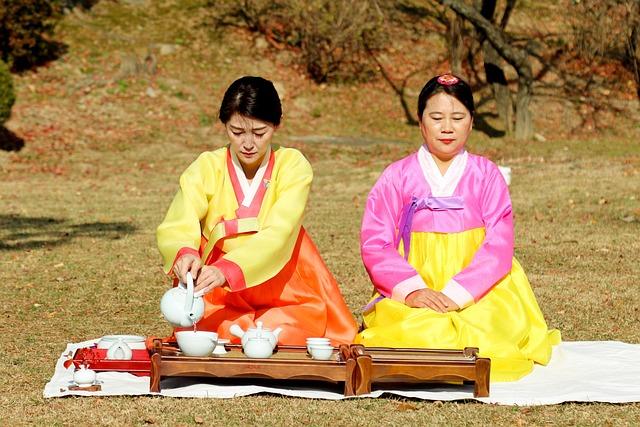
The colors and patterns in hanbok are far from random; they carry deep meanings tied to Korean philosophy and social status. For instance, bright colors like red and yellow often symbolize celebration and prosperity, making them popular choices for weddings and festive occasions. On the other hand, pale and muted tones were traditionally preferred by commoners or for everyday wear, reflecting modesty and simplicity.Moreover, the intricate embroidery woven into many hanboks often depicts symbols such as cranes, phoenixes, and lotus flowers. These motifs represent longevity, rebirth, and purity, which are key virtues admired across Korean culture. If you are fascinated by these artistic details, visiting artisan workshops or museums may enrich your understanding and deepen your appreciation.For travelers interested in experiencing hanbok firsthand, consider renting one during cultural tours, especially during the spring and autumn when outdoor festivals light up in full swing. Families can enjoy group activities while wearing hanbok, adding fun and authenticity to their adventure. Solo travelers and photographers will find hanbok to be a vibrant subject against Korea’s historic palaces and scenic landscapes. Plan ahead to book hanbok rental services or guided tours to make the most of this cultural experience through the best tours and hotels available.Exploring the Unique Fabrics and Colors of Traditional Hanbok
The delicate fabrics used in traditional hanbok are a testament to Korea’s rich textile heritage. Silk is among the most prized materials, cherished for its smooth texture and vibrant sheen. However, lightweight ramie and cotton also play key roles, especially for everyday wear or warmer seasons. Therefore, understanding fabric types helps travelers appreciate hanbok’s visual and tactile appeal.Color choices in hanbok are deeply symbolic and often spell out personal or social meanings. For example, bright reds and blues frequently represent festive occasions or youth, while muted earth tones denote maturity and calmness. Furthermore, royal hanboks traditionally flaunt vivid purples and gold embroidery, symbolizing power and dignity. Tourists eager to wear hanbok for photos should consider the cultural significance behind each color to enhance their experience.If you plan to try on hanbok, keep seasonal comfort in mind. Families with young children might prefer cotton blends in summer due to breathability, while solo travelers should opt for silk or ramie blends in spring and autumn for elegance and moderate warmth. Photographers can capture stunning contrasts by selecting vivid hues that pop against Seoul’s urban backdrop or the serene countryside. Explore hanbok rentals and add memorable moments to your trip today by booking through recommended tours or finding nearby hotels.Tips for Choosing the Perfect Hanbok Style for Every Occasion
When selecting a hanbok for formal ceremonies like weddings or traditional holidays, opt for classic styles featuring rich colors such as royal blue, crimson, or emerald green. These hues reflect dignity and elegance, perfectly suited for important celebrations. Moreover, materials like silk or satin add a luxurious touch, elevating the overall appearance with subtle sheen and smooth texture.For casual outings or cultural festivals, lighter fabrics and pastel tones work wonderfully and provide comfort throughout the day. Consider modern hanbok designs that blend tradition with contemporary fashion-these are less restrictive and often easier to move in. This approach is perfect for younger individuals or tourists seeking an authentic look without sacrificing mobility or ease.Seasonal factors also play a crucial role in your choice-warm hanboks with layered skirts and thicker fabrics suit the chilly months well. Conversely, breathable cotton or linen blends keep you comfortable during hot summer days. Families and solo travelers alike should prioritize clothing that complements both the event and the climate to fully enjoy their experience without discomfort. If you want insider tips on the best places to try hanbok in Korea, check out our curated tours for expert guidance.How to Accessorize Your Hanbok for an Authentic Look
To create an authentic Hanbok look, start by selecting traditional accessories that complement the garment’s elegance. One essential piece is the norigae, a decorative pendant usually hung from the coat’s ribbon. It adds a subtle touch of color and symbolizes good luck, making it a perfect detail for celebrations or formal occasions. For a more polished appearance, consider a binyeo, a traditional hairpin that secures your hairstyle and reflects your social status in historical context.Moreover, avoid modern jewelry, as it can clash with the classical aesthetic of the Hanbok. Instead, opt for delicate items crafted from materials like jade, silver, or wood. This choice enhances the garment’s natural beauty without overpowering it. Ladies might also incorporate a silk jabok or shawl in cooler months, which adds warmth and visual depth without disrupting the outfit’s flow. Seasonality plays a key role in these choices; lightweight scarves work well for spring or summer, while autumn demands thicker, richer textiles.If you want to complete your ensemble, pay attention to footwear. Traditional beoseon, white cotton socks, emphasize neatness, and gomusin, rubber shoes with a glossy finish, provide comfort and durability for daily wear. Different regions and social classes favored distinctive shoe styles, so research before picking your pair. As you explore Korean heritage further, consider joining a cultural tour to experience Hanbok wearing firsthand – book tours that specialize in Hanbok experiences here. For seamless trips, don’t forget to secure your accommodations and travel options at hotels and flights.Frequently Asked Questions for Frequent Travelers
What are the best ways to avoid jet lag during long flights?
To minimize jet lag, adjust your sleep schedule a few days before traveling, stay hydrated, avoid caffeine and alcohol, and try to get natural light exposure upon arrival. Using eye masks and sleep aids can also help regulate your body clock.
Plan Your Trip to South Korea
How can I keep my belongings safe while traveling?
Use anti-theft backpacks or luggage with locks, keep valuables in front-facing pockets, and use RFID-blocking wallets. Always stay aware of your surroundings, and avoid displaying expensive items publicly.
What are the top tips for packing light and efficiently?
Choose versatile clothing items, roll clothes to save space, and use packing cubes. Limit yourself to carry-on baggage when possible and pack travel-sized toiletries to reduce bulk.
How do I stay connected internationally without high roaming charges?
Purchase a local SIM card upon arrival, use portable Wi-Fi hotspots, or rely on free Wi-Fi in public places. Consider international data plans offered by your carrier before traveling.
What should I do if my flight is delayed or canceled?
Check with the airline promptly for rebooking options or compensation. Use airline apps for updates and keep essential items and snacks handy. Know your passenger rights before flying for smoother handling.
Summary of the Ultimate Adventure Experiences
And there you have it-the beautiful world of traditional Korean hanbok, where history, culture, and vibrant style come together in perfect harmony. Whether you’re dreaming of wearing one for a special occasion or simply want to appreciate the artistry behind this timeless garment, understanding hanbok opens a window into Korea’s rich heritage. So next time you see someone in a hanbok, you’ll not only admire the stunning colors and flowing lines but also the stories woven into every stitch. Thanks for joining me on this colorful journey-stay curious and keep exploring!Related Travel Guides
Frequently Asked Questions
When is the best time to visit South Korea?
The optimal months depend on weather and crowds. Shoulder seasons (April-June and September-October) typically offer the best balance of weather, prices, and fewer tourists. Avoid peak summer for European or Mediterranean destinations and rainy seasons for tropical ones.
How much does a South Korea trip cost?
Costs vary by season and travel style. Budget travelers can expect 60-100 USD per day, mid-range 150-250 USD, luxury 400+ USD per day. Book flights and accommodation 3-4 months ahead for best prices.
Do I need travel insurance for South Korea?
Yes, travel insurance is strongly recommended for international trips. It covers medical emergencies, trip cancellation, lost baggage, and adventure activity coverage. Compare quotes from World Nomads, SafetyWing, and Allianz.
How many days should I plan for South Korea?
For a first visit, 5-7 days is the minimum to see the main highlights. 10-14 days gives you time to explore at a slower pace and add side trips. Multi-destination trips need 14+ days minimum.