

Table of Contents
- Understanding the Key Features That Define Mediterranean Architecture
- How Natural Materials and Colors Bring Warmth to Your Space
- Incorporating Outdoor Living Areas for That Authentic Mediterranean Feel
- Tips for Choosing Mediterranean-Inspired Decor and Landscaping
- Summary of the Ultimate Adventure Experiences
Understanding the Key Features That Define Mediterranean Architecture
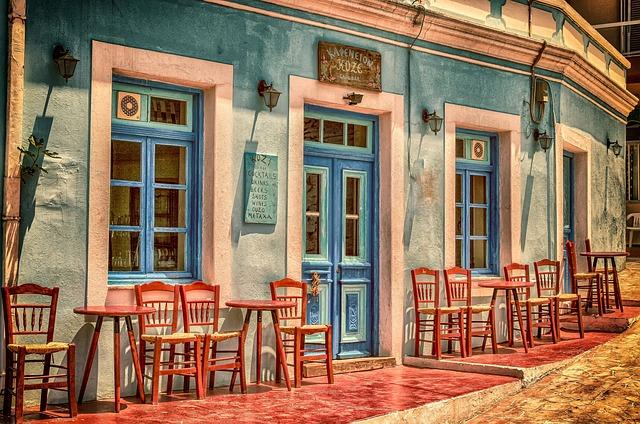
Mediterranean architecture captures hearts with its blend of rustic appeal and timeless elegance. One of its most recognizable features is the use of stucco walls painted in warm earth tones, often complemented by red clay tile roofs. These materials not only reflect the bright sun but also help keep interiors cool during hot summers, which is essential in the region’s warm climate.The design thrives on open spaces and natural light, frequently showcased through arched doorways and windows. These arches soften the structure’s silhouette and invite gentle breezes into the home. Moreover, wrought iron balconies and lanterns add both decorative charm and historical authenticity, making each building feel welcoming and rich in tradition.Outdoor living is another hallmark, with courtyards and terraces often centered around fountains or lush greenery. This design encourages relaxation and socializing in shaded, breezy areas during warm afternoons. For travelers, especially families and solo explorers, seeking accommodation with such features means comfort and a genuine taste of Mediterranean lifestyle. To enhance your experience, consider booking hotels nestled in traditional Mediterranean settings before your journey.How Natural Materials and Colors Bring Warmth to Your Space
In Mediterranean design, organic textures such as terracotta tiles, natural stone, and wood play a vital role in creating a cozy atmosphere. These materials age gracefully, developing a rich patina that adds character over time. Moreover, their earthy hues-from sunbaked reds to sandy beiges-echo the region’s landscape, inviting a sense of comfort and belonging.For families seeking a homely environment, incorporating woven baskets, linen fabrics, and raw timber furniture offers tactile warmth and durability. These elements balance stylish rusticity with practical needs, enhancing both kids’ play areas and adult relaxation zones. Additionally, these natural components are breathable and child-friendly, adapting well to warm Mediterranean climates and varying seasons.Solo travelers and photographers often appreciate spaces that echo natural light and soft tones for mental clarity. Warm creams, muted ochres, and olive greens foster calmness, while handcrafted ceramics and driftwood accents create subtle focal points. Therefore, choosing accommodations or rentals featuring these details can deepen one’s connection to the surroundings and enhance creative inspiration. Don’t miss the opportunity to explore exclusive stays on highly rated hotels that celebrate this timeless style.To complement natural materials, colors drawn from the Mediterranean palette help intensify that welcoming vibe. Shades like deep cobalt, burnt orange, and sunlit coral evoke both ocean and earth, blending vibrancy with serenity. However, it’s wise to balance bolder colors with neutrals, especially if you’re decorating for peak summer when sunlight is intense.Seasonal travelers can benefit from lightweight furnishings in pale limestone or driftwood tones during hotter months. Meanwhile, adding plush wool throws or clay pottery in autumn can create layers of seasonal comfort while retaining an authentic aesthetic appeal. Those driving through or exploring farther afield can rent vehicles easily via car rentals to visit local markets and artisan workshops, where these elements come to life. Finally, if you’re dreaming of embodying this warmth yourself, consider booking a curated tour that highlights traditional Mediterranean craftsmanship and architecture. These experiences reveal how ancient techniques and natural ingredients create spaces that are not only beautiful but deeply inviting. For your next trip, secure your spot on immersive tours that bring this enchanting style to life firsthand.Incorporating Outdoor Living Areas for That Authentic Mediterranean Feel
Creating a seamless connection between indoor and outdoor spaces is essential to capturing the true essence of Mediterranean living. Emphasizing open-air courtyards, spacious terraces, and cozy patios invites natural light and gentle breezes to flow freely. Additionally, using rustic materials like terracotta tiles and wrought iron furniture enhances the warm, earthy vibe typical of this region’s style.For families looking to embrace this lifestyle, consider designing shaded dining areas with long tables for gatherings and evening meals under the stars. Solo travelers or photographers might prefer intimate nooks framed by flowering vines, allowing a quiet spot for reflection or capturing stunning light during golden hours. Moreover, incorporating water features like fountains or small pools not only cools the environment but also adds a soothing, authentic touch to your outdoor area.Seasonal adjustments play a vital role, particularly for those visiting during the off-season or summer peak. In hotter months, installing retractable awnings or pergolas covered with grapevines can provide much-needed shade without compromising beauty. Conversely, portable heaters and layered textiles like cushions and throws make spring or autumn evenings comfortable. To explore options for your trip, check out our range of tours and hotels specially curated for Mediterranean charm.Tips for Choosing Mediterranean-Inspired Decor and Landscaping
When selecting pieces that echo Mediterranean charm, it’s vital to focus on natural materials like terracotta, wrought iron, and distressed wood. These elements embody the warmth and rustic feel typical of coastal villas and country homes in the region. Moreover, adding textiles with vibrant patterns such as ikat or geometric prints can brighten the space without overwhelming it.In your garden or outdoor area, emphasize drought-resistant plants like olive trees, lavender, and rosemary that thrive in sunny, dry conditions. These choices not only conserve water but create a lush, fragrant ambiance year-round. For families or frequent entertainers, choose hardy, low-maintenance greenery paired with shaded seating areas, which enhance comfort and usability even in the hottest months.For those aiming at an authentic yet cozy atmosphere, layer your outdoor paths and patios with mosaic tiles or natural stone slabs. This groundwork adds artistry and a sense of history to the space. Solo design enthusiasts may appreciate the subtle Mediterranean color palette-think blues, sandy beiges, and burnt oranges-that blends effortlessly indoors and out. Discover more options for your stay or trip by booking the perfect hotels that capture this unique aesthetic.When pairing furniture and accessories, opt for curved lines and graceful silhouettes often seen in Mediterranean craftsmanship. These can soften sharp corners and create inviting lounging areas. Additionally, wrought iron lanterns or pendant lights bring a romantic glow as morning shifts to evening, making your space feel welcoming. Don’t miss out on exclusive experiences – book your tours to explore authentic Mediterranean homes firsthand.Lastly, the right landscape layout should channel a relaxed yet structured vibe with shaded pergolas or trellises featuring climbing vines like bougainvillea. Such features provide both privacy and beauty, perfect for quiet retreats or social gatherings. As you plan the transition between indoor and outdoor spaces, consider terracotta pots filled with aromatic herbs accessible from the kitchen. For smooth travel to your Mediterranean-inspired getaway, check available car rentals and flights.What makes Mediterranean architecture so unique and charming?
Mediterranean architecture stands out for its warm colors, simple yet elegant design, and blend of indoor and outdoor living spaces. It often features terracotta roofs, stucco walls, and arched windows that create a timeless and inviting atmosphere. This style reflects the rich history and diverse cultures of the Mediterranean region.
Plan Your Trip to Worldwide
Which countries are known for their Mediterranean architectural style?
Countries like Spain, Italy, Greece, and southern France are famous for Mediterranean architecture. Each place adds its own cultural twist, but you’ll commonly find shared elements such as red tile roofs, stone details, and open courtyards, making these destinations perfect for travelers who appreciate vibrant design.
How can I recognize Mediterranean architecture when I visit a new city?
Look for features such as clay roof tiles, stucco exteriors in earthy tones, wrought-iron balconies, and large windows that let in natural light. Also, outdoor living spaces like patios or verandas with lush plants are key hallmarks that connect indoor comforts with nature.
Why is Mediterranean architecture popular for vacation homes?
This style harmonizes beautifully with sunny climates, offering cool interiors and plenty of fresh air. Moreover, its relaxed yet elegant vibe creates an ideal retreat, combining aesthetics and comfort that many vacationers seek in a getaway home.
Summary of the Ultimate Adventure Experiences
And there you have it-a little journey through the sun-soaked streets and colorful facades that make Mediterranean architecture so irresistibly charming. Whether it’s the rustic stone walls, the intricate tile work, or those dreamy courtyards filled with blooming bougainvillea, this style truly brings a warm and welcoming vibe wherever it’s found. So next time you’re looking for design inspiration or planning a getaway, remember the vibrant spirit of the Mediterranean. It’s a reminder that beauty can be simple, timeless, and full of life. Thanks for exploring with me-here’s to discovering more architectural gems together!Related Travel Guides
Frequently Asked Questions
When is the best time to visit Travel?
The optimal months depend on weather and crowds. Shoulder seasons (April-June and September-October) typically offer the best balance of weather, prices, and fewer tourists. Avoid peak summer for European or Mediterranean destinations and rainy seasons for tropical ones.
How much does a Travel trip cost?
Costs vary by season and travel style. Budget travelers can expect 60-100 USD per day, mid-range 150-250 USD, luxury 400+ USD per day. Book flights and accommodation 3-4 months ahead for best prices.
Do I need travel insurance for Travel?
Yes, travel insurance is strongly recommended for international trips. It covers medical emergencies, trip cancellation, lost baggage, and adventure activity coverage. Compare quotes from World Nomads, SafetyWing, and Allianz.
How many days should I plan for Travel?
For a first visit, 5-7 days is the minimum to see the main highlights. 10-14 days gives you time to explore at a slower pace and add side trips. Multi-destination trips need 14+ days minimum.